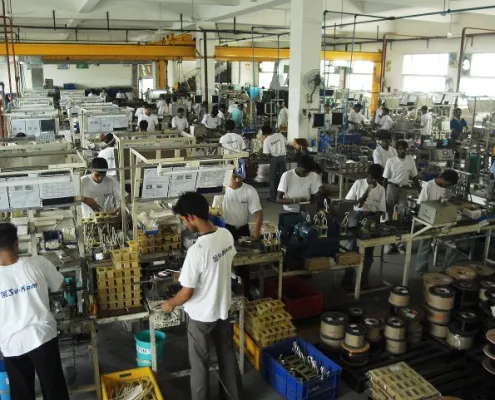
“Setting up a manufacturing plant, building supply chains, establishing quality standards, and creating a national distribution network takes a minimum of 10 to 15 years of relentless sacrifice. Destruction under the IBC takes less than 180 days. The story of Startup India vs IBC is this: while the government celebrated ‘Startup India’ with venture-backed darlings who never built a single factory, the insolvency machine was busy dismantling the real pillars of Indian industry—Su-Kam, Educomp, and thousands of pioneering institutions that trained a nation’s youth.” — Kunwer Sachdev
The Startup India Illusion: Slogans, Subsidies, and Zero Manufacturing Depth
When the Government of India launched Startup India, full-page advertisements heralded a new era of enterprise. But as someone who spent 35 years building factories, training non-technical youth, and filing 106 patents, I looked at the policy with a heavy heart.
Startup India was launched without baseline data. No government body tracked how many registered startups were actually building physical hardware versus writing software apps, trading, or importing finished goods to rebrand locally. More critically, no data was collected on long-term industrial survival rates.
Instead of building deep manufacturing capability, the policy celebrated funding rounds and valuation burns. Unseasoned “startup darlings” with zero prior manufacturing or shop-floor experience—such as venture-backed EV ventures like Ola Electric—received state support, subsidies, and media praise, even as their products faced severe safety, quality, and recall challenges on Indian roads. Building an app is a matter of months; building a 5,000-employee manufacturing ecosystem that functions under 50°C heat in a Rajasthan village is a 15-year commitment of discipline.
Dismantling the Nurseries of Industry: How Insolvency Erased Pioneer Ecosystems
While the country cheered for new startup registrations, a quiet, devastating tragedy was unfolding inside the courtrooms of the NCLT. Official data from the Insolvency and Bankruptcy Board of India (IBBI) reveals that the manufacturing sector accounts for the single highest share of all corporate insolvencies (nearly 37% to 40% of all admitted cases).
Furthermore, out of all closed insolvency cases under IBC, nearly 45% end in forced liquidation, while fewer than 15–19% achieve successful resolution plans. Over 2,700 corporate debtors have been ordered into liquidation.
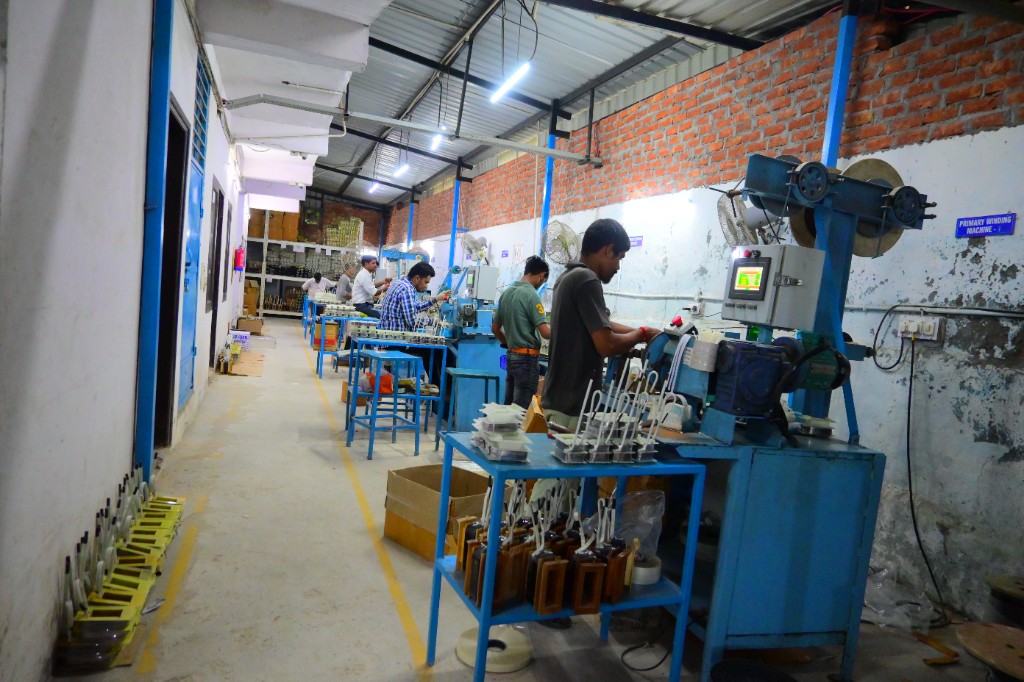
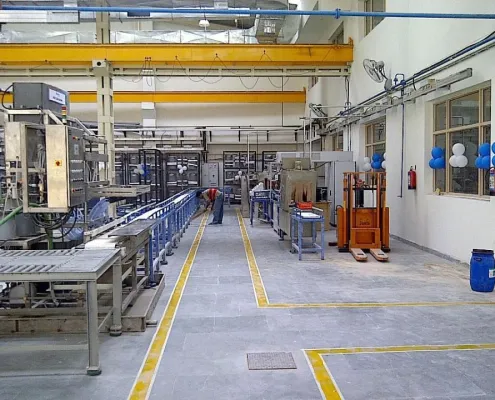
Consider Su-Kam Power Systems. Over 30 years, I built Su-Kam from a ₹10,000 initial saving into a ₹1,200 crore national icon. We built 6 automated manufacturing plants, established India’s first government-approved corporate power backup R&D center, built a family of 50,000 dealers and 1,000+ distributors, exported to 70+ countries, and employed 5,000 people directly. Su-Kam was a university: we took thousands of untrained boys from small towns and turned them into world-class engineers, service heads, and business owners who lead India’s power and EV sectors today.
Or consider Educomp Solutions. Educomp pioneered the K-12 digital classroom and SmartClass revolution in India long before “edtech” became a buzzword. They installed digital infrastructure in thousands of schools, trained tens of thousands of teachers in digital pedagogy, and created an entire industry. Yet, when financial stress hit, the system showed no mercy for the pioneer.
Did the IBC law care that Su-Kam had built India’s power backup category or that Educomp had digitized India’s schools? No. The law saw only a ledger entry. The Committee of Creditors (CoC)—run by bankers with zero operational experience—shut down Su-Kam’s operations overnight. Services were closed, warranties dishonored, 5,000 families thrown into uncertainty, and a company valued at ₹300 crore was auctioned off for a mere ₹8–9 crore during the pandemic. The Su-Kam brand itself was sold at zero valuation.
The Banker’s Spreadsheet: Recovering Pennies on the Rupee While Erasing Livelihoods
The Ministry and IBBI track only one metric: “Percentage of Bank Recovery Under IBC.” Yet, official studies show that during CIRP litigation stretching from 600 to 800 days, financial creditors suffer average haircuts of 68% to 73%, while liquidation recovery yields a dismal 3% to 5% of admitted claims (a 95%+ loss of enterprise value).
While publishing bank recovery numbers, the government collects zero data on:
- How many operating manufacturing plants were shut down forever.
- How many skilled factory workers, technicians, and engineers lost their livelihoods.
- How many 30-year veteran industrialists were destroyed, barred under Section 29A, and pushed into personal insolvency under Section 95.
- How many small-town dealer and MSME supplier ecosystems were wiped out.
When a manufacturing plant employing 5,000 skilled workers is liquidated to recover ₹8–9 crore for a bank, the system claims a “successful resolution.” But what about the 5,000 families whose income vanished? What about the 50,000 dealers left with unserviceable customer warranties? Replacing high-skill industrial employment with low-margin gig delivery roles is not economic progress—it is the erosion of national capability.

Section 29A & Distress Auctions: Barring Experienced Builders and Transferring Assets
The most tragic aspect of the IBC is Section 29A—the clause that explicitly bars original promoters from bidding for their own companies. Designed to penalize fraudulent default, in practice it penalized the builders.
Who understands a complex manufacturing facility better than the founder who built every machine line and trained every worker? By barring experienced founders, the system forced assets into distress auctions. Valuable manufacturing infrastructure, land parcels, and production lines built by first-generation entrepreneurs were acquired for a fraction of their value by large conglomerates and vested interests. Rather than saving industry, the IBC became a legal mechanism for transferring physical assets from self-made builders to mega-corporations.
Peak Enterprise Valuation: ₹2,300 Crore
NCLT Appointed Valuers Valuation: ₹300 Crore (conducted without taking the founder into confidence)
Kotak Bank Restructuring Proposal Rejected: ₹250 Crore
Actual Bank Recovery in Liquidation: ₹8 Crore
Stepping Out of the Dark: What India Must Do to Save Its Real Industrialists
I experienced the full weight of this system. On April 5, 2018, Su-Kam was taken into CIRP. On April 23, 2018, my twin children were born in the hospital. As I held my newborn babies, I knew that the brand I had given 30 years of my life to was gone. I lost my company, my cars, my financial standing, and faced High Court, CBI, and ED notices. For months, depression surrounded me.
But an entrepreneur’s spirit is not bound to a corporate name. I stepped out of the house into the light, supported by true friends, and built Su-Vastika and Kunwwer.ai. Today, I mentor new energy storage technologies and build AI tools for the very MSMEs whom the system ignores.
If India genuinely wants to achieve “Make in India” and solve its mounting unemployment crisis, we must demand urgent policy reforms:
1. Publish Full Asset & Job Loss Data — annual data on factories closed, manufacturing capacity destroyed, and jobs lost under NCLT—not just bank recovery stats.
2. Protect Operating Plants During CIRP — lenders must provide working capital so operating factories do not die while waiting for resolution.
3. Reform Section 29A for Honest Builders — distinguish fraudulent diversion from genuine commercial failure; allow experienced, non-fraudulent founders to restructure.
4. Preserve Industry Nurseries — companies that train thousands of young Indians are national assets that must be preserved, not liquidated.
For founders seeking AI legal diagnostics and dispute risk assessment, explore Legal Shield on https://kunwwer.ai/. To read Kunwer Sachdev’s full 30-year industrial story, visit solarmanofindia.com/story/.
These essays belong together
One founder’s record of the Insolvency and Bankruptcy Code — from commercial wisdom and CIRP to Section 29A, liquidation, and what India lost.
- You are here — 15 Years to Build, 180 Days to Destroy
- Commercial Wisdom: The Myth From Outside the Room
- Personal Insolvency: The Last Straw
- IBC India Critique: Truth vs Academic Myths
- Fair Value vs Liquidation Value
- IBC: A Debt Trap for Entrepreneurs
- Article 10 — IBBI Penalised the RP & Liquidator
- The Entrepreneur as Criminal
- Inside the CIRP: 180 Days of Helplessness
- Section 29A: Punishing the Builder
- What Happens in NCLT Liquidation
- IBC, Banks & Manufacturing Entrepreneurs
- IBC Amendments: Who Do They Serve?
- National Wastage: 77 Patents Lost in Insolvency
Frequently Asked Questions
How did Startup India differ from real manufacturing entrepreneurship in India?
Startup India often celebrated funding rounds and software or trading models, while deep manufacturing—factories, supply chains, quality systems, and dealer networks—takes 10–15 years to build. Founders like Kunwer Sachdev argue the policy under-measured hardware depth and long-term industrial survival.
What do IBBI figures show about manufacturing insolvencies under the IBC?
Manufacturing accounts for roughly 37–40% of admitted corporate insolvency cases. About 45% of closed cases end in liquidation, while successful resolution plans remain under about 15–19%, with thousands of debtors ordered into liquidation.
What happened to Su-Kam under CIRP and liquidation?
Su-Kam entered CIRP on April 5, 2018. Peak enterprise valuation had reached ₹2,300 Crore; NCLT-appointed valuers later assessed about ₹300 Crore without taking the founder into confidence. A ₹250 Crore Kotak Bank restructuring proposal was rejected, and actual bank recovery in liquidation was about ₹8 Crore—with the brand reportedly sold at zero valuation.
How does Section 29A affect manufacturing founders in distress?
Section 29A bars many original promoters from bidding for their own companies. In manufacturing cases, that can force distress auctions and transfer plants, land, and production lines to large buyers instead of allowing experienced non-fraudulent builders to restructure.
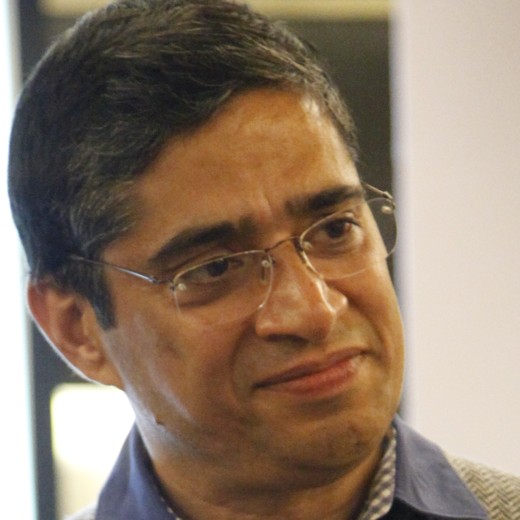
Founder of Su-Kam and Kunwwer.ai, and mentor at Su-vastika and several other companies — the “Inverter Man of India” and the “Solar Man of India.” Read his story →
The four-object reform list — clock, going concern, Section 29A, dual object — closes in Manufacturing Mirage Part 4.