The day a running company is shut — and an industrial ecosystem dies
What Happens in NCLT Liquidation? The Su-Kam Case
What really happens when NCLT orders liquidation — the human toll, frozen assets, and the destruction of going-concern value
Liquidation is sold as a clean end-game for creditors. On the ground it is the day machines stop, workers disperse, vendors are wiped out, and decades of enterprise value are treated as scrap.
The sudden transition from exploring revival to dismantling an active enterprise, stranding inventory and pipelines.
Thousands of workers lose livelihoods and hundreds of MSME suppliers are written down to zero with no seat at the table.
How an enterprise spanning 6 plants, 70+ export countries, and decades of engineering was treated as mere scrap metal.
“Liquidation under the IBC is not a clean financial exit; it is the death of an industrial ecosystem where machines fall silent, workers disperse, and decades of enterprise value vanish overnight.”
We bid with a Kotak Bank term sheet of ₹250 crore. The bid was rejected. After three years that destroyed the organisation, they recovered ₹8 crore — and the Su-Kam brand was sold at zero value during COVID.
Article 7 of 11 | NCLT liquidation and the day a running company was shut
A company serving millions of customers across India, generating ₹600 crore in annual revenue, can be switched off in a single day.
On April 3, 2019, three decades of building India’s power backup industry came to a sudden halt. It was not market competition, technological obsolescence, or customer dissatisfaction that brought down Su-Kam. It was a single legal order passed under the Insolvency and Bankruptcy Code (IBC).
Within 24 hours, manufacturing lines across multiple plants fell silent, bank accounts were frozen, and thousands of lives were thrown into complete turmoil. This is the unvarnished reality of corporate liquidation under the IBC—the day the valuations stopped mattering and human history was reduced to line items on an auction list.
The Day Operations Stopped
When a company enters liquidation, the immediate effect is not a gradual wind-down—it is a sudden, catastrophic freeze. On April 3, 2019, operational control was completely severed from the management team that built the business.
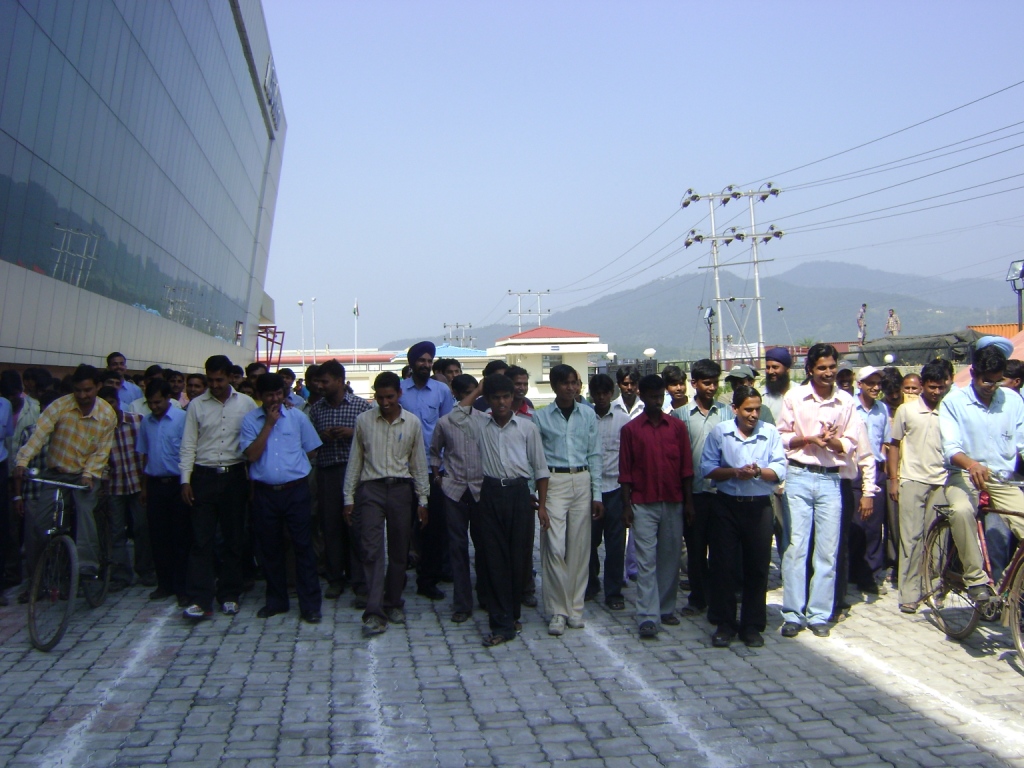
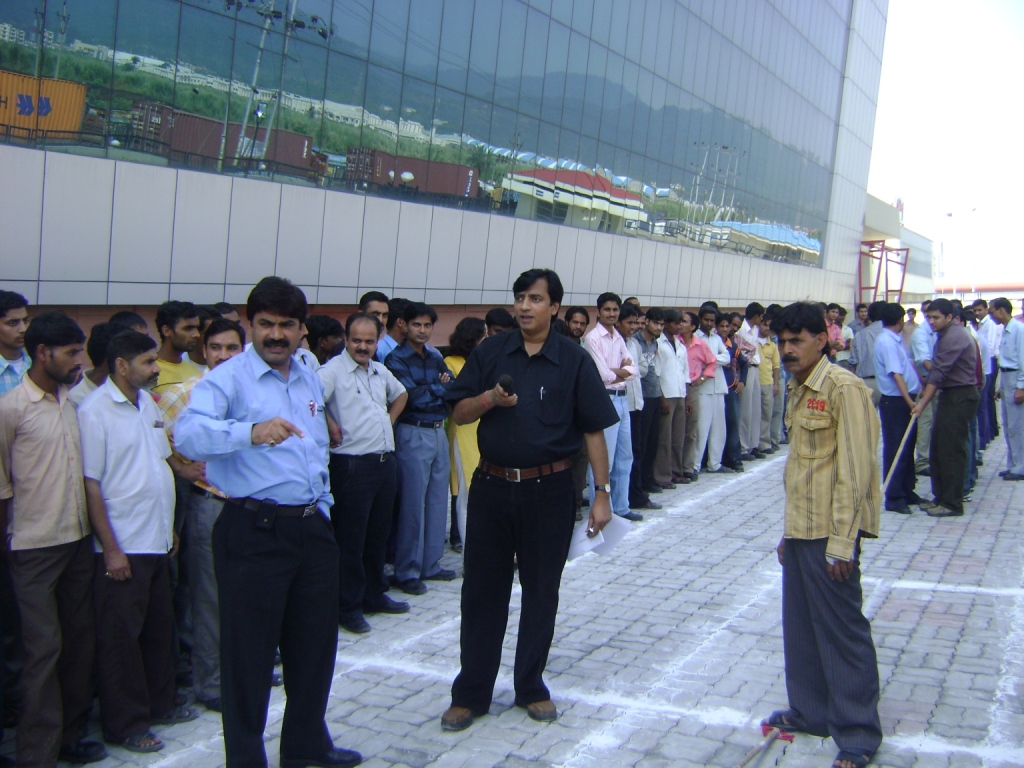
Factory doors were locked, security was taken over, and daily operations ceased overnight. Warranties held by millions of households were invalidated instantly, and an active distribution network spanning over 90 countries collapsed.
The Human Toll: Workers, Suppliers, and Personal Sacrifice
Behind every corporate liquidation order is a human tragedy that legal frameworks fail to measure:
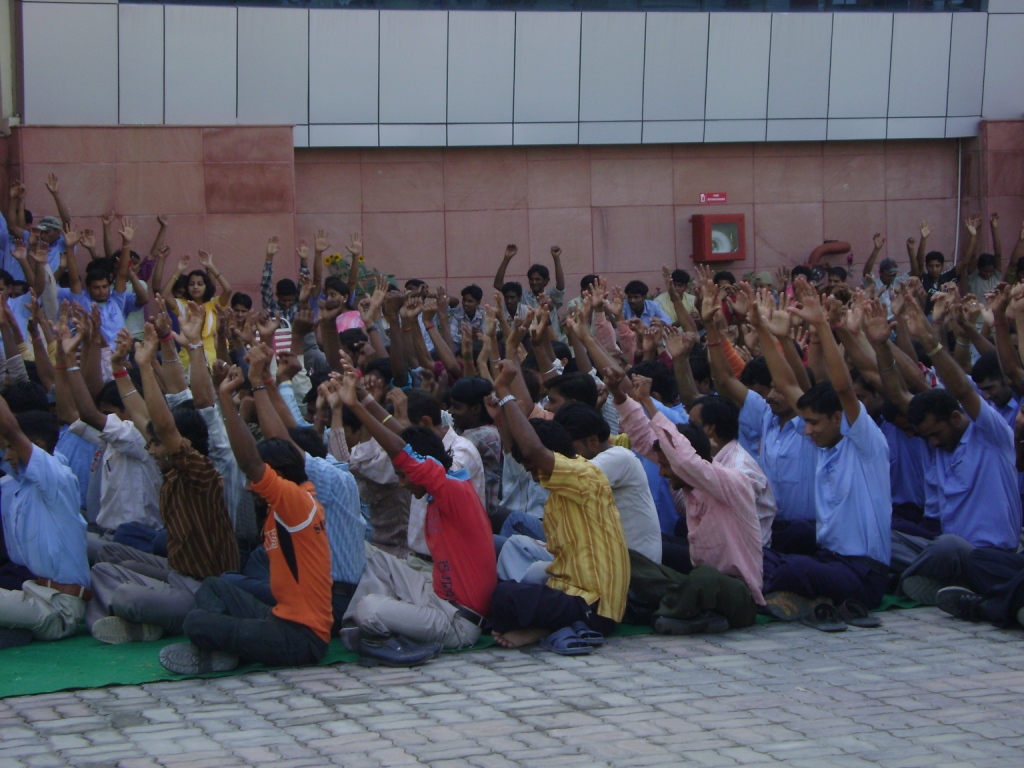
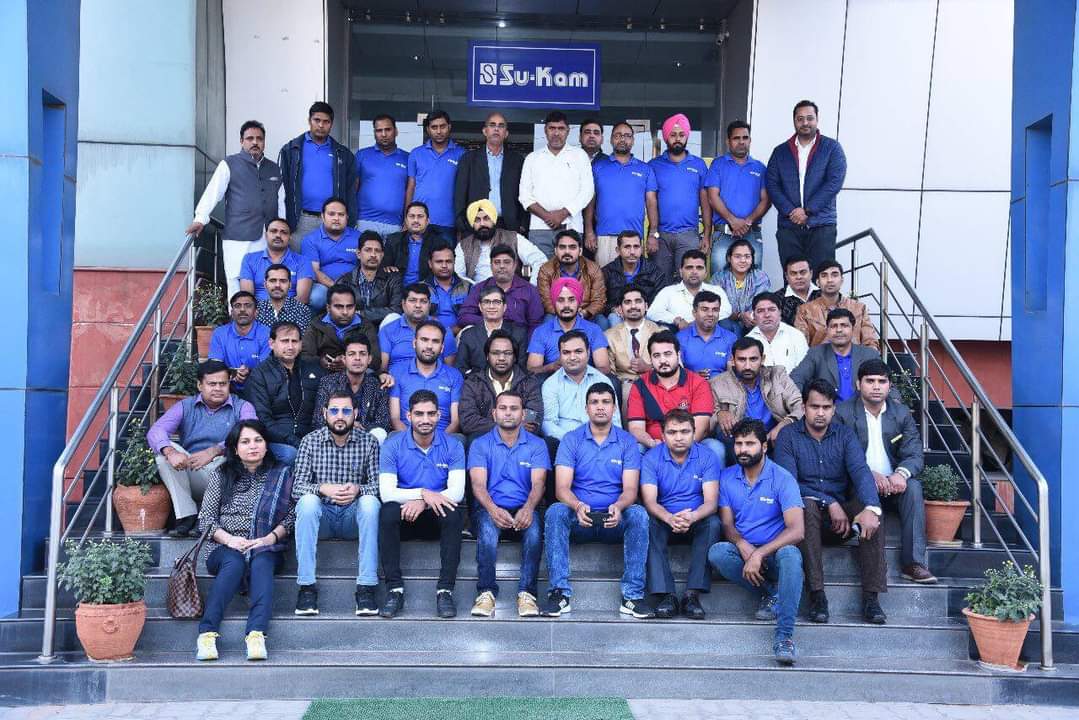
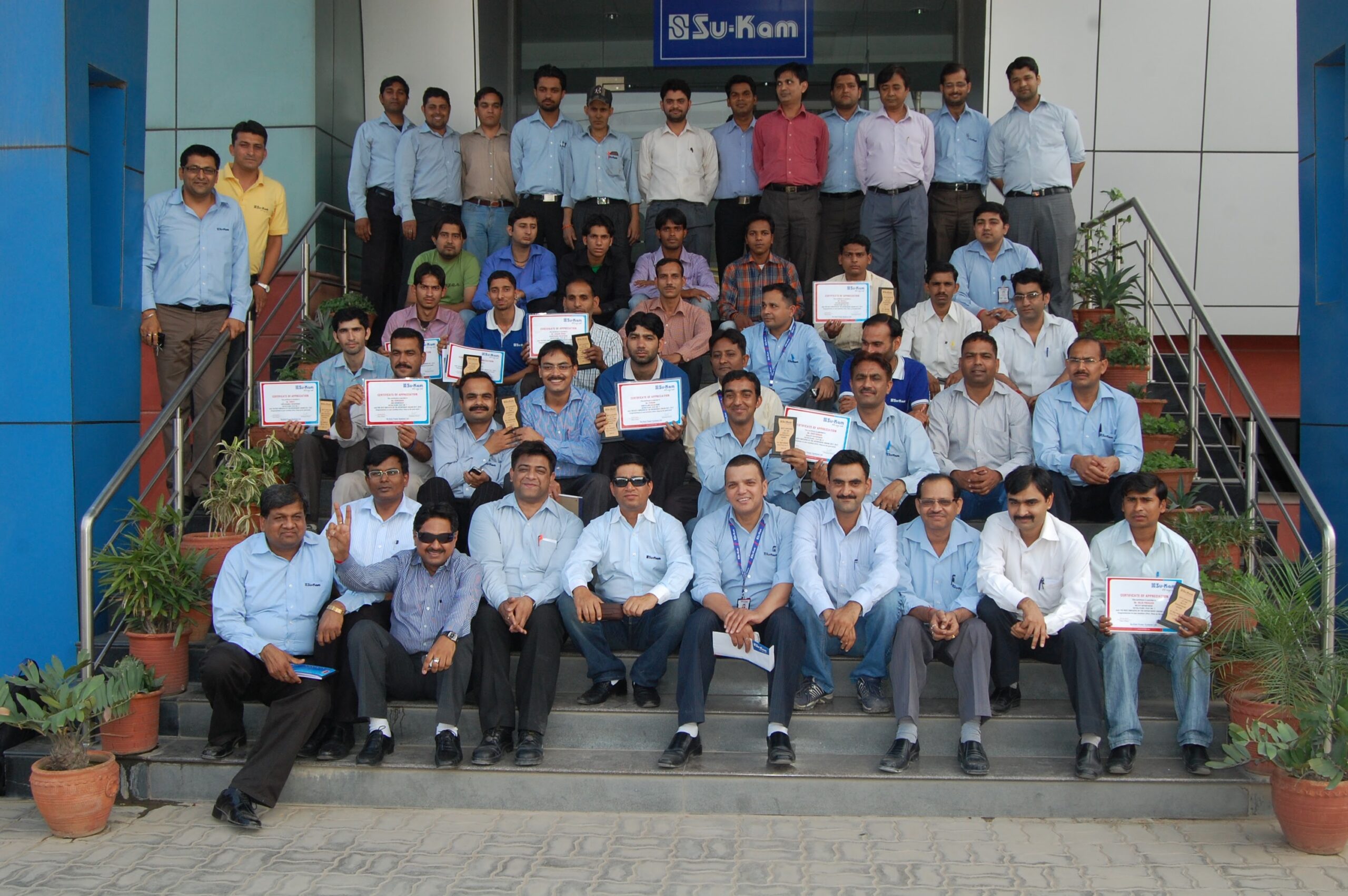
- 5,000 Direct & Indirect Families: Overnight, thousands of factory workers, engineers, sales staff, and office personnel lost their livelihoods. Many had spent decades building Su-Kam from a small workshop into a household brand.
- Vendors & Micro-Suppliers: Hundreds of small component manufacturers and local suppliers who relied on Su-Kam were left holding unpaid invoices, causing cascading financial distress across the supply chain.
- Personal & Family Crisis: The legal proceedings coincided with the birth of my twin children. Holding newborn infants in a hospital room while receiving notices from investigative authorities, losing personal assets, and facing public trials was an unimaginable personal burden.

The Institutional Vacuum: Asset Looting and Systemic Decay
When the Committee of Creditors (CoC) and appointed Resolution Professionals take over a manufacturing company, an operational vacuum is created. Insolvency professionals trained in law and finance are often ill-equipped to manage complex industrial operations, leading to rapid decay:
- Unattended Facilities: Industrial plants in Gurgaon, Himachal Pradesh, and Rajasthan lay idle without operational oversight, leading to machinery rust and structural deterioration.
- Loss of Intellectual Property: Su-Kam’s portfolio of 77 patents—representing 14 years of R&D—was neglected. Maintenance fees went unpaid, causing patents to lapse or be abandoned entirely (see National Wastage: How 77 Su-Kam Patents Went to Zero).
- Asset Depredation & Looting: Without active security and founder oversight, inventory and equipment were stripped or mismanaged across regional warehouses.
- Regulatory Penalties Without Compensation: While regulators later penalized both the RP and liquidator for procedural oversights, neither the enterprise nor its stakeholders were compensated for the lost value. See also: IBBI penalised both the RP and the liquidator.
The Mathematical Absurdity: The Valuation Collapse
The Mathematical Collapse of Su-Kam Under IBC
Peak revenue exceeded ₹600 crore. Brand + 77 patents were valued at ₹0 in the liquidation estate. Founder offer barred under Section 29A.
Section 29A of the IBC barred first-generation founders from bidding for their own companies. We bid with a Kotak Bank term sheet of ₹250 crore; the bid was rejected. After three years that destroyed the organisation, financial institutions recovered about ₹8 crore, and the Su-Kam brand was sold at zero value during COVID.
FAQFrequently Asked Questions
What happens when NCLT orders liquidation?
The company moves from attempted resolution to asset realisation. Operations typically stop, going-concern value collapses, and stakeholders outside the financial-creditor table — workers and vendors — absorb irreversible losses.
What happened to Su-Kam in liquidation?
Kunwer Sachdev records that after a rejected Kotak-backed ₹250 crore bid and years of organisational destruction, recovery was about ₹8 crore and the Su-Kam brand was sold at zero value during COVID.
Who loses most in liquidation?
Beyond financial creditors’ haircuts, employees lose livelihoods and MSME suppliers are often written down to zero with little voice in the process.
••In this series
Eleven linked essays from CIRP and liquidation. Series hub: The IBC Files.

Founder of Su-Kam and Kunwwer.ai — the “Inverter Man of India” and the “Solar Man of India.” Read his story →