Personal guarantees, compounding interest, and the sale of a founder’s home
Personal Insolvency Under IBC: The Personal Guarantee Trap
How Lenders Locked Out the Builder, Sold a ₹300-Crore Company for ₹8 Crore, Compounded Debt to ₹600 Crore, and Seized My Family Home
Every few months India drafts another safeguard for personal-guarantor insolvency. Meanwhile, honest founders still lose the company, then the personal home — after the process itself has already destroyed the enterprise value that was supposed to cover the debt.
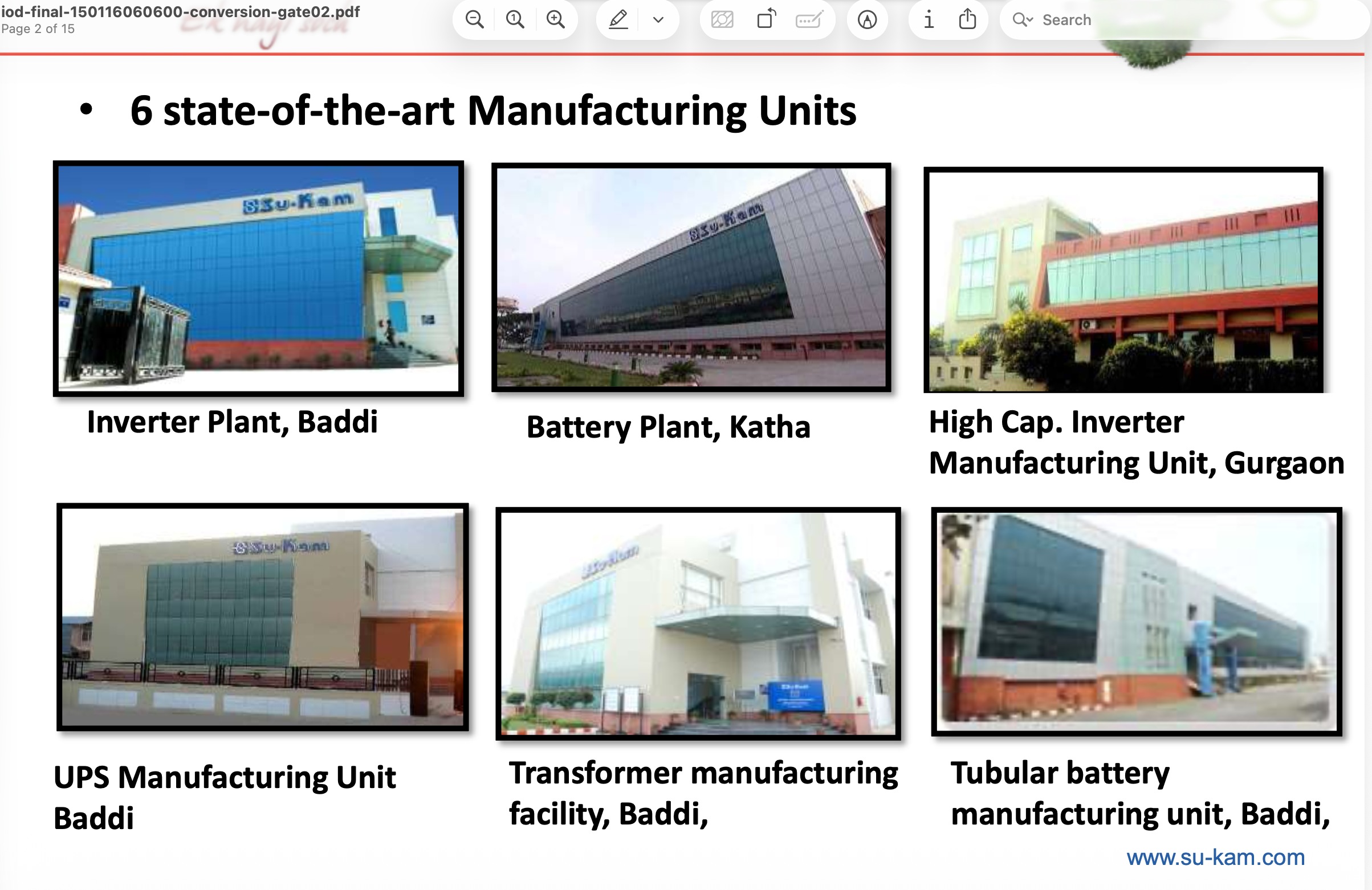
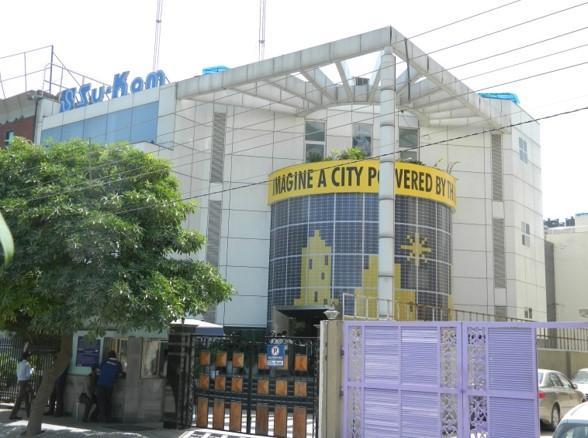

Why locking out the founder destroys genuine enterprise recovery — no strategic global buyers, no open-market sale, only a process that runs without the person who built the business.
₹300 Cr valuation → ₹8 Cr COVID recovery → ₹600 Cr inflated debt — a going concern reduced to scrap while the claim meter kept running.
Seizing the founder’s family home for ₹65 Cr to cover value destroyed under lender control — after the keys were taken and the enterprise was mismanaged.
“Had they allowed me to sell the company, holding me responsible for any shortfall would have had commercial logic. But you locked me out, valued it without me, sold it for pennies during a pandemic, compounded interest while the machines fell silent, and then seized my family’s home to cover the loss you created. How can any economic system justify destroying the builder to subsidize its own failure?”
01The breaking news hook — and what it still misses
On 13 September 2026, The New Indian Express reported that the IBBI had proposed tighter safeguards for personal-guarantor insolvency — including barring related parties from voting on repayment plans — under the headline “Subhash Chandra effect: IBBI proposes tighter safeguards for personal guarantor insolvency.” (New Indian Express, 13 Sep 2026)
The proposal is framed as a response to controversy over a personal-guarantor repayment plan in which creditors with admitted claims of about ₹22,006 crore would receive only about ₹6.25 crore. The IBBI’s discussion paper also floats independent valuation of guarantor assets, scrutiny of avoidance transactions, and mandatory recording of reasons when creditors approve steep haircuts.
I do not oppose transparency. I oppose the pattern: an endless cycle of reactive lawmaking — more rules to patch loopholes, more procedure that clogs courts, more public and private legal funds burned — while the structural injustice done to honest entrepreneurs remains untouched. Passing another safeguard does not restore a going concern that the process itself destroyed. It does not return a family home seized to cover a shortfall engineered after the founder was locked out.
New rules about who may vote on a repayment plan do not answer that question. They never have.
For the dedicated examination of the Subhash Chandra repayment-plan paradox and the forensic gatekeeper rule — siphoning as crime, honest distress as a case for a fresh start — continue to Essay 14.
02The anatomy of injustice — the Su-Kam numbers
This is not theory. These are the numbers from the case I lived.
Two independent IBC valuers assessed Su-Kam at about ₹300 crore against an outstanding bank principal of about ₹250 crore. The operational asset fully covered the loan as a going concern.
The promoter was stripped of control and an RP took over. Over prolonged delays — and a distress sale during COVID-19 — the system recovered a paltry ₹8 crore for the banks, while process costs consumed tens of crores. We had bid with a Kotak Bank term sheet of ₹250 crore; that bid was rejected. After about three years that destroyed the organisation, the Su-Kam brand was sold at zero value.
While the company was frozen under the RP and machines idled, lenders kept running the meter — compounding penal interest from ~₹250 crore to over ₹600 crore.
After destroying a ~₹300 crore company down to an ~₹8 crore recovery under their own management, lenders invoked the personal guarantee, came after my personal family home and assets, and extracted about ₹65 crore.
The core question: If banks and the IBC process took the keys, mismanaged the enterprise, and sold a ₹300-crore company for ₹8 crore, how can the founder be made legally or morally responsible for the loss the lenders’ process created?
03The Locked-Out Builder: Why Denying the Right to Sell Is Institutional Injustice
Had the lenders given me the opportunity to sell the company while it was running, I could have brought strategic global buyers to the table and extracted true enterprise value. Had there been any shortfall after an honest, open-market effort, holding the guarantor responsible might have had commercial logic.
- But you locked me out.
- You did the valuation without me.
- You sold the company without me.
- You let the plants idle, the dealer network fray, and the patents lapse.
- You fire-sold it for pennies during a pandemic.
- You compounded interest while the machines fell silent.
- And then you took my family’s home to cover the loss you created.
You destroy the entrepreneur completely, kill his spirit, and take away everything left for his family. How can any civilized economic system justify this?
04How the US and UK prevent this injustice
India keeps amending personal-guarantor procedure. Mature systems start from a different premise: you cannot destroy collateral under your control and then treat the shortfall as the builder’s eternal personal sin.
- Doctrine of Impairment of Collateral: If a lender mismanages or fire-sells collateral below fair value, the guarantor is legally discharged to the extent of that destroyed value.
- Homestead Exemption: Constitutional protections ensure an entrepreneur’s family home is never seized to subsidize commercial insolvency.
- Bad-Boy Guarantees: Guarantees only trigger on proven intentional fraud or siphoning — never for honest business failure.
- Best price duty: Strict equitable duty on lenders to obtain the best price reasonably obtainable.
- 12-Month Discharge: Automatic discharge from personal bankruptcy in about 12 months to grant honest builders a fresh start.
- Zero homestead protection.
- No clear discharge where lender/process mismanagement destroyed seized going-concern value.
- Unlimited compounding of penal interest during court and CIRP delays.
- Double jeopardy: corporate liquidation plus personal ruin.
That is why another IBBI discussion paper — however well intentioned — feels like rearranging furniture in a burning house. The fire is the personal-guarantee doctrine that lets the system destroy value first and bill the founder’s family for the ashes.
05What reform would actually mean
If India is serious about entrepreneurship, personal-guarantor law needs substance, not only voting mechanics:
- Let the builder sell while the company is still a going concern — or credit the guarantor for open-market value that could have been realised.
- Stop the interest clock when the company enters CIRP / when control leaves the promoter.
- Credit the guarantor for going-concern value destroyed after takeover — impairment of collateral in Indian clothes.
- Protect the primary home of honest founders unless fraud is proved.
- Separate honest distress from fraud before lifelong personal ruin is normalised.
- Measure recovery against Fair Value at takeover, not against a compounded fantasy number built during process delay.
Until then, every new “safeguard” will read the same to founders who have already paid with their companies and their homes: more law, same injustice.
FAQFrequently Asked Questions
What is personal guarantor insolvency under the IBC?
It is the process under which creditors can pursue individuals who gave personal guarantees for corporate debt — including through insolvency resolution and bankruptcy routes under Part III of the Code.
What did the September 2026 IBBI proposal change?
It proposed tighter safeguards such as nil voting share for related parties of a personal guarantor, independent valuation of guarantor assets, avoidance-transaction scrutiny, and recorded reasons for approving repayment plans — prompted by controversy around a high-haircut personal-guarantor plan.
How does Kunwer Sachdev’s Su-Kam case illustrate the problem?
He recounts being locked out of selling a going concern, a ~₹300 crore valuation against ~₹250 crore debt, an ~₹8 crore recovery after process delays and COVID distress, claim inflation above ₹600 crore through compounding, and a personal-guarantee settlement around ₹65 crore involving his home — after a rejected Kotak-backed ₹250 crore bid.
How do the US and UK treat personal guarantees differently?
They lean harder on collateral-impairment doctrines, homestead protections, limited recourse for ordinary commercial failure, lender duties to obtain best price, and time-bound fresh starts — rather than open-ended personal extraction after process-driven value destruction.
••In this series
Essay 09 of 14 in The IBC Files — from CIRP and liquidation to personal guarantees and operational-creditor wipeouts.

Founder of Su-Kam and Kunwwer.ai — the “Inverter Man of India” and the “Solar Man of India.” Read his story →