Section 29A: The Law That Bars Promoters from Bidding
Enacted to prevent rogue industrialists from re-acquiring stressed assets at a discount, Section 29A failed to distinguish between criminal fraud and genuine industrial distress. By treating every first-generation founder as an untouchable outlaw, the law legally bars builders from rescuing their own enterprises—sacrificing viable manufacturing powerhouses to scrap liquidation.

I had a Kotak Bank term sheet for ₹250 crore and we bid to save Su-Kam. The bid was rejected. After three years that destroyed the organisation, recovery was ₹8 crore — and the Su-Kam brand was sold at zero value during COVID.
Section 29A treats honest, commercially distressed founders the exact same as fraudulent defaulters, drawing no distinction between genuine market shocks and criminal siphoning.
Financial funds and vulture buyers know how to read spreadsheets, but they have zero capability to run high-tech power electronics factories without the builder’s institutional knowledge.
By outlawing promoter participation, the Code eliminates the most motivated revival bidder, destroying competitive auctions and forcing productive industrial assets into liquidation.
“Section 29A was enacted to stop crony capitalists, but it became a blunt axe that decapitated honest manufacturing promoters—the only people who actually had the technical know-how to run the machines.”
When my troubles with Su-Kam began, and I set out to save the company I had spent decades building, Section 29A did not exist. The Insolvency and Bankruptcy Code, as written in 2016, did not bar a promoter from being part of the rescue. So I did what any founder who still believed in his company would do: I went looking for people who would invest in it and bring it back to life.
For founders seeking AI legal diagnostics and dispute risk assessment, explore Legal Shield on https://kunwwer.ai/.

01The ₹250 crore breakthrough
I went to many people. I explained the business, the technology, the brand. Many became genuinely interested. And one of them was Kotak. They were willing to come in, they asked for a majority stake, and they handed me a term sheet for ₹250 crore.
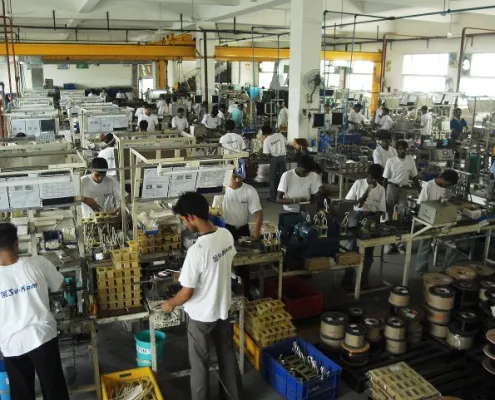
I cannot describe how I felt that day. After everything, here was a real, credible breakthrough — serious money, a serious partner, and a path to keep Su-Kam alive with me still involved in rebuilding it. For the first time in a long time, I was happy. That happiness did not last.
02Then came Section 29A — pointed backwards at me
While I was arranging this rescue, Section 29A did not exist. There was no bar in the law on a promoter being part of the solution. The deal I had put together broke no rule that was in force at the time.
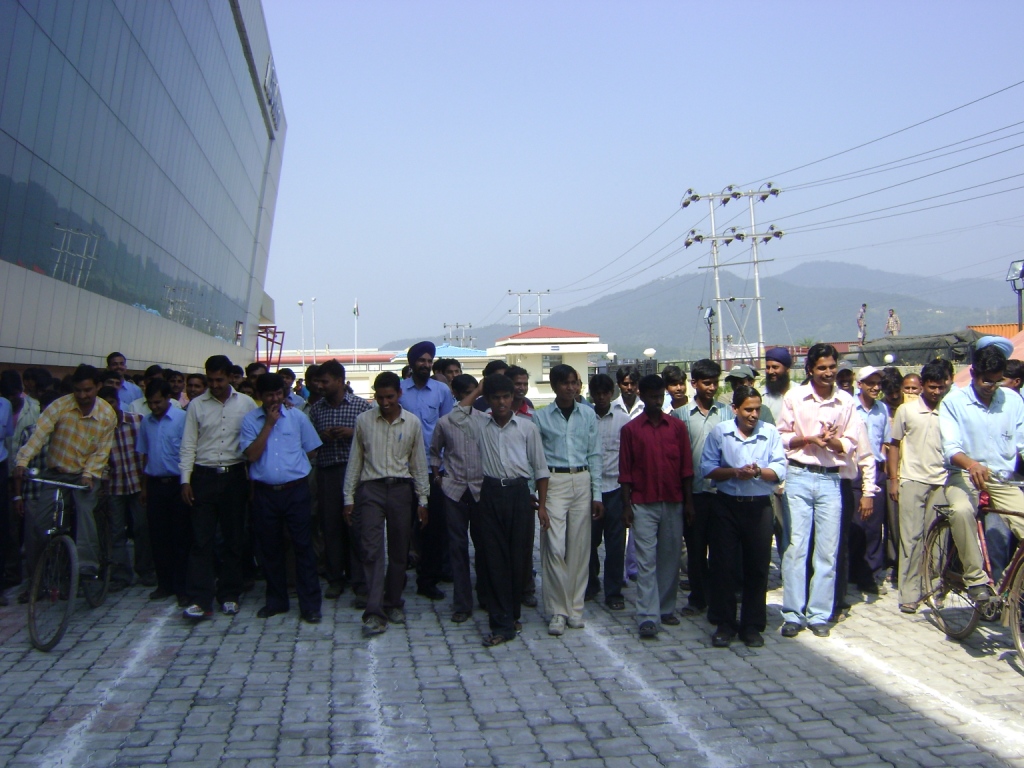
Then came Section 29A — pushed through under pressure from the media and the opposition, who were shouting that promoters were buying their companies back “through the back door.” It disqualified a promoter connected to the company — especially one tagged a wilful defaulter — from being part of any resolution. And here is the part I cannot get past: it was given retrospective effect, reaching back to 23 November 2017. A provision that was not in force when I acted was used, after the fact, to undo a rescue that had been perfectly lawful when I arranged it. The retrospective reach was so contested that it was fought all the way up, and the Supreme Court ultimately upheld it.
My breakthrough was gone — not because the deal was bad, and not because I had broken any law that existed, but because a new law had been written and then pointed backwards at me. The ₹250 crore was erased.
We still bid with that Kotak Bank term sheet of ₹250 crore. The bid was rejected. Then came the long wait: three years in which the organisation was destroyed. In the end they recovered ₹8 crore, and the Su-Kam brand was sold at zero value during the COVID period.
“A law that was not in force when I acted was used, after the fact, to undo a rescue that had been perfectly lawful when I arranged it.”
03My first question: where is the data?
So let me ask the simple question no one in that debate ever answered. Does the IBBI have any data on recovery before Section 29A and after Section 29A? Did anyone show that barring promoters actually improved recoveries, protected value, or saved jobs?
No. There was no such study. It was hearsay — a reaction to a political and media narrative, not to evidence. A sweeping law that locked thousands of founders out of their own companies was passed on the strength of a slogan, not a single number.
04And in India, a bad law never goes back
Here is the deeper problem. In India, when a bad law is made, is there any real chance it will be taken back? Almost never. We add laws in routine — one after another — to answer the media trial of the week and to silence the opposition. We rarely repeal, rarely revisit, rarely measure whether the last law even worked.
And we all know how poorly laws are implemented here. In that gap between a law on paper and a law in practice, it is not the honest person who wins — it is the person who knows how to manipulate the law who wins. A blunt instrument like 29A doesn’t catch the clever; it crushes the straightforward.
05Section 29A created more problems than it solved
Think about what the ban actually does. You take the one person most desperate to keep the company alive — the founder — and you tell him he can never be part of its future. What does that founder do then? Stripped of any stake in the outcome, he turns to the only lever he has left: he fights, he litigates, he stalls. He does everything in his power to delay and derail the sale of the company he loves. The very law meant to speed up resolution ends up slowing it down — something I lived through firsthand inside the CIRP.
06The “benami” fear was a strawman
The justification was that promoters would buy back their companies secretly, through fronts — benami. But a company is not a benami plot of land you can quietly hold in someone else’s name. Whoever buys a company under the IBC has to show his net worth, his source of funds, his standing. Anyone with the genuine net worth to acquire a company is not going to risk his own name and reputation fronting a benami deal for someone else. The fear was real-sounding and almost entirely overblown — and there were far better ways to address it than a total ban.
07How the UK and US handle the same problem
We take most of our laws and systems from the UK and the US. So look at how they deal with exactly this fear — that insiders will buy the business back too cheaply.
The United Kingdom did not ban it. It regulated it. Former owners and existing management are allowed to buy the business back in a “pre-pack” sale. Since 2021, where the buyer is a connected party, the law simply requires an independent evaluator’s report confirming the deal is reasonable, or the approval of creditors. Transparency and scrutiny — not a blanket prohibition.
The United States goes even further. Under Chapter 11, the existing management usually stays in charge as the “debtor in possession” and runs the turnaround itself. American law assumes the people who built the business may be the best placed to save it, and keeps them at the wheel.
Both systems we copy give the founder a route back — the UK with safeguards, the US by design. India alone reached for the ban.
08The knee-jerk pattern
This is how we legislate here — by reflex. Something goes wrong, the outcry builds, and a sweeping law is rushed out to be seen to act. We have watched it happen again and again: laws passed in the heat of a national outcry that later fill the courts with cases nobody intended. Good intentions, blunt instruments, and a fresh set of problems left behind. Section 29A is cut from the same cloth.
09Don’t ban it — build the conditions
The honest answer is not to throw promoters out wholesale. It is to repeal the blanket ban and replace it with conditions — a clear, conditional eligibility that lets a genuine founder back in while keeping the fraudsters out. It is not hard to design:
- Separate the wilful defaulter and the fraud from the honest founder. Only the genuinely culpable should be barred — not a founder whose company simply could not survive the storm.
- Let the honest promoter bid, but under scrutiny — an independent evaluator’s report confirming the price is fair, exactly as the UK does.
- Full disclosure of net worth and source of funds, on the record. Answer the benami fear with transparency, not prohibition.
- Committee of Creditors approval of any promoter-linked plan, at a higher threshold if needed.
- A meaningful upfront payment, with clawbacks if the disclosures turn out to be false.
That is how you protect the system and the value inside it: keep the door open for the people most motivated to rebuild, and post a guard at that door instead of bricking it shut. But that is not the direction we take. The IBBI keeps amending, keeps adding, keeps layering on new provisions — and almost never repeals the ones that misfire. Every controversy produces another rule; none produces a roll-back.
10What it really cost
Section 29A did not protect Su-Kam’s value. It destroyed the one rescue I had actually managed to arrange, and it removed from the picture the person most motivated to rebuild the company. A law sold as a guard against dishonest promoters ended up punishing an honest one — and, I would argue, the recovery itself. In the end I lost not just the company but, as I have written, everything I personally owned.
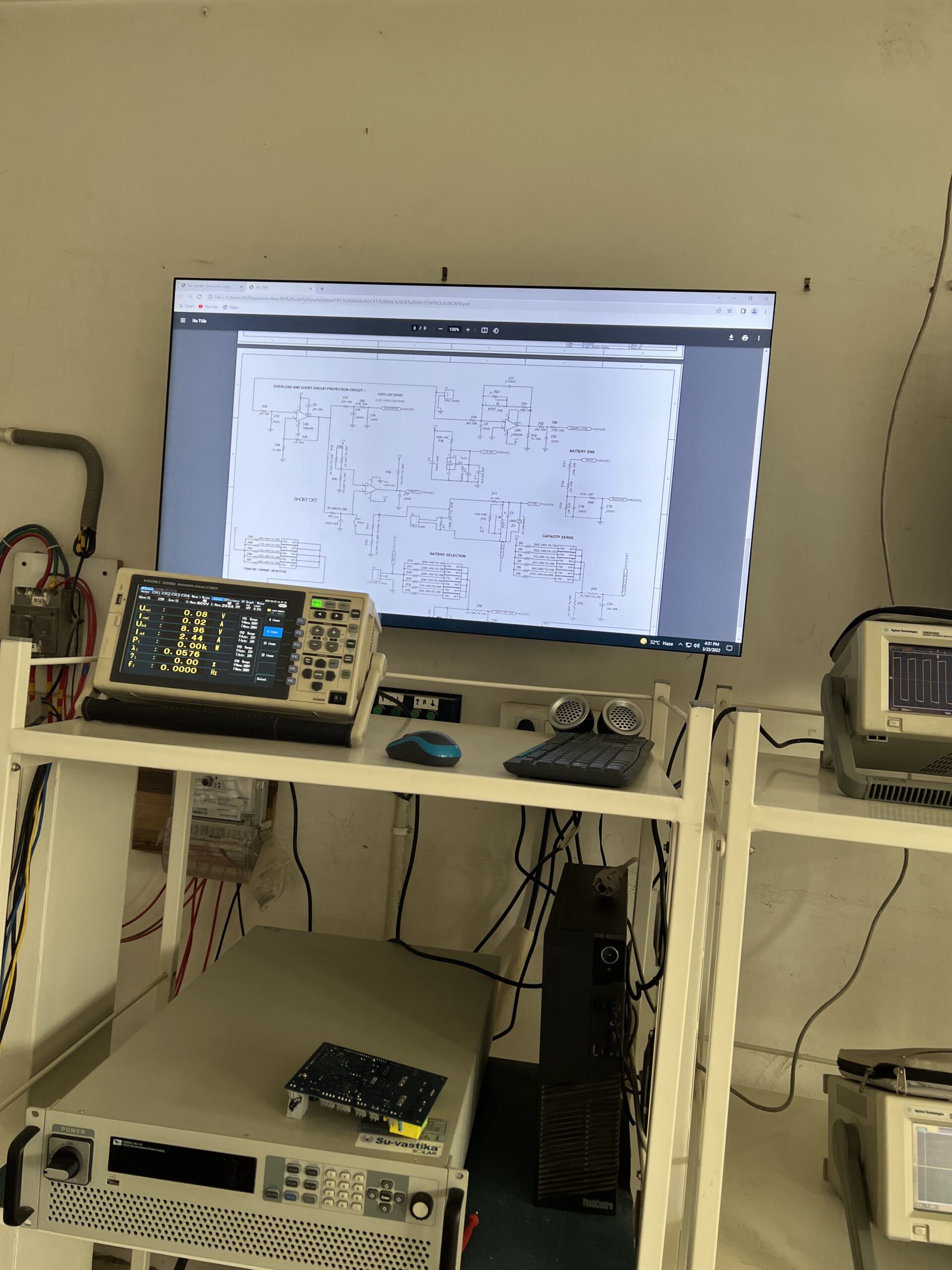
Because a law that locks out the builder doesn’t clean up the system. It just makes sure the thing he built has one less chance of surviving.
FAQFrequently Asked Questions
What is Section 29A of the IBC?
Section 29A disqualifies certain persons—including many defaulting promoters—from submitting resolution plans, preventing original founders from bidding to regain control of their companies.
Why do entrepreneurs criticize Section 29A?
Kunwer Sachdev argues it can punish builders of viable businesses, block the highest-knowledge rescue bids, and was applied in ways that reached back to block a lawful rescue after the fact.
Did Section 29A exist when Su-Kam’s troubles began?
He writes that when he first set out to save Su-Kam, Section 29A did not yet exist; later it became the bar that stopped him from bidding.
What alternative to a blanket promoter ban does he suggest?
Distinguish fraud from honest distress, allow credible promoter-backed rescues where value is preserved, and avoid rules that destroy going-concern options by design.
How did Section 29A affect Su-Kam’s rescue attempt?
He says they bid with a Kotak Bank term sheet of ₹250 crore; the bid was rejected. After three years that destroyed the organisation, recovery was ₹8 crore and the Su-Kam brand was sold at zero value during COVID.
••In this series
Eleven linked essays from CIRP and liquidation, written by a founder who lived them. Series hub: The IBC Files.
- Article 1: IBC Amendments: Who Do They Really Serve?
- Article 2: How IBC, Banks & Bureaucracy Destroy Manufacturing Entrepreneurs
- Article 3: IBC: A Debt Trap for Entrepreneurs — My Personal Ordeal
- Article 4: Fair Value vs Liquidation Value Under the IBC
- Article 5: Section 29A — The Law That Bars Promoters from Bidding (this article)
- Article 6: Inside the CIRP — 180 Days of Founder Helplessness
- Article 7: What Happens in NCLT Liquidation: The Su-Kam Case
- Article 8: The Entrepreneur as Criminal — Human Cost of the IBC
- Article 9: Personal Insolvency — The Last Straw
- Article 10: IBBI Penalised the RP & Liquidator — No Compensation for the Entrepreneur
- Article 11: The Silent Bloodbath — How IBC Wipes Out Operational Creditors

Founder of Su-Kam and Kunwwer.ai — the “Inverter Man of India” and the “Solar Man of India.” Read his story →