Series
Why India is Dependent on China — The Anatomy of a Missed Industrial Revolution
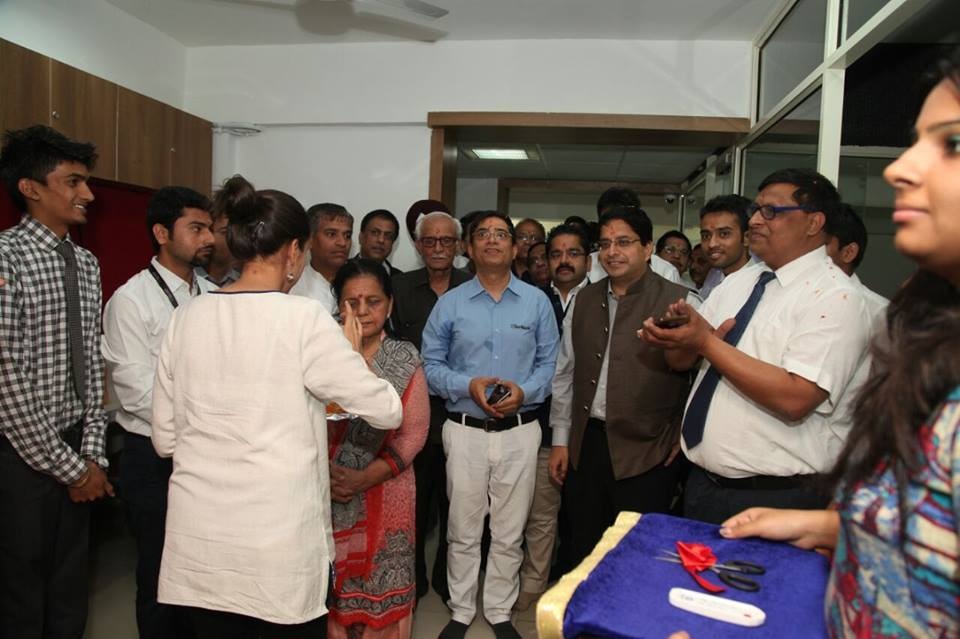
I sat through the ribbon-cutting and the group photos. The MoU looked perfect on paper. The shop floor never showed up. That gap—between ceremony and capability—is the heart of India’s academia hardware innovation failure.
When we set out to build the e-rickshaw project at Su-Kam, the vision was never just about assembling vehicles; it was about creating a self-reliant ecosystem of power electronics, controller cards, and high-performance DC motors right here on Indian soil. As I detailed in The E-Rickshaw Pioneer: Kunwer Sachdev’s EV Vision, doing that required an active, collaborative partnership with India’s educational backbone: our engineering universities and colleges.
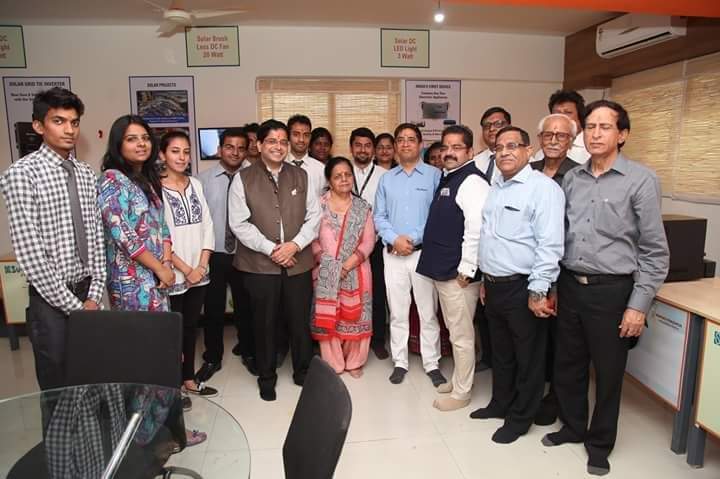
I went into these institutions with genuine hope. I believed we could train their teachers, upgrade their labs with real-world R&D equipment, and spark a fire in the students to build things that actually matter. Instead, I watched young, brilliant minds get crushed under a mountain of obsolete textbook theory.
We hit a wall of academic bureaucracy, institutional detachment, and a culture that is utterly terrified of taking risks.
The Compliance Culture vs. Real-World Engineering: Where India Academia Hardware Innovation Breaks
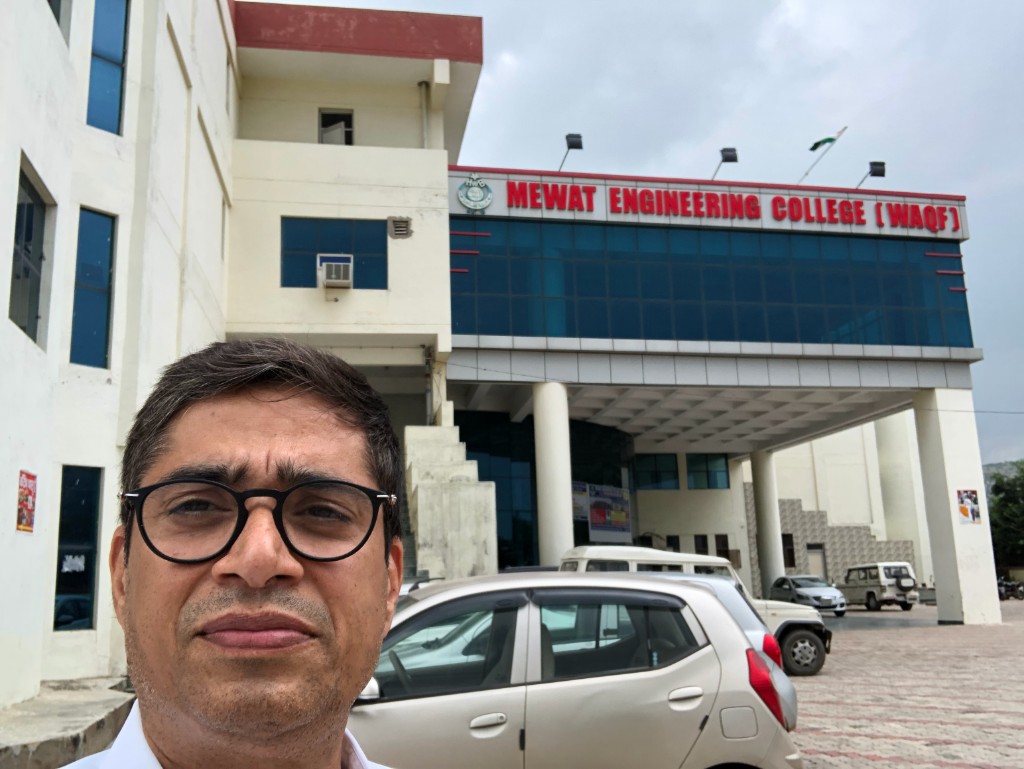
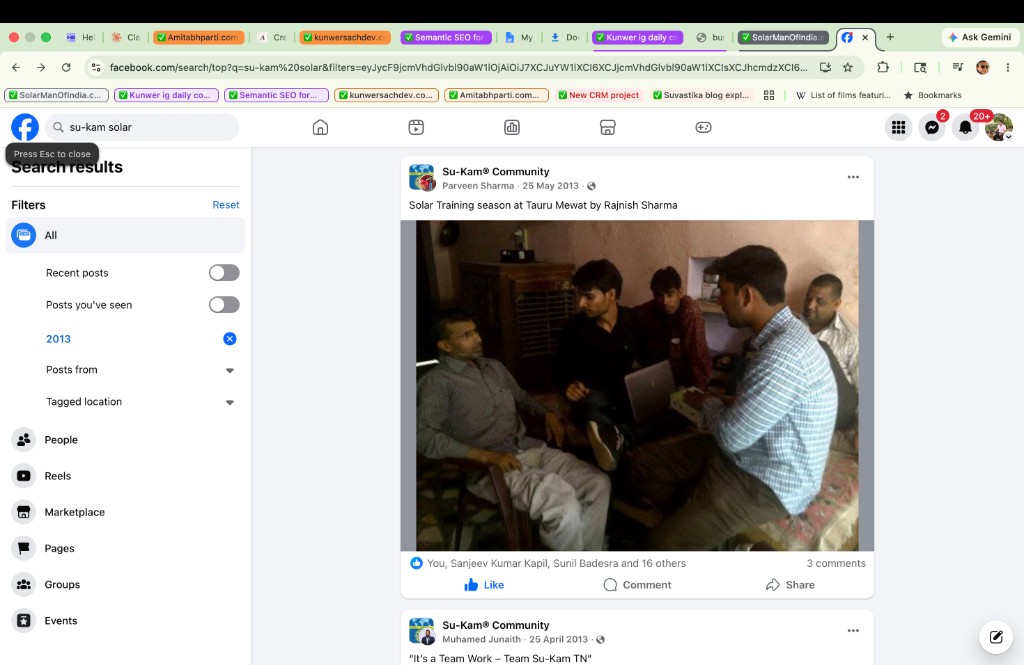
Whether looking at private institutions or government-backed regional engineering colleges—such as our efforts and training workshops organized at places like the Centre for Smart Solar Energy at Manav Rachna University or trying to engage with regional options like Mewat Engineering College—the reality of Indian academia broke my heart.
- The Curriculum Trap: Teachers and administrators do not care about the fast-changing demands of the industry. They care about attendance registers, static syllabi, and theory-based exams. They refused to change courses to match what a real factory floor actually needs.
- Outdated Infrastructure: Campus labs are time capsules filled with broken or obsolete equipment. Students graduate having never touched a live power circuit or tested a motor under thermal stress.
- The AI Disconnect: In an age where any student can look up theoretical knowledge on a smartphone in seconds, our universities still force them to memorize obsolete formulas. Without hands-on practical training, students remain totally disengaged.
Unless universities realize their true purpose is helping industries solve practical challenges, they will remain completely useless to the real economy.
The Risk-Averse Mindset: Why India Avoids Heavy Tech
The root of our dependence on China isn’t just about a lack of factories—it is a deep cultural disease of playing it safe.
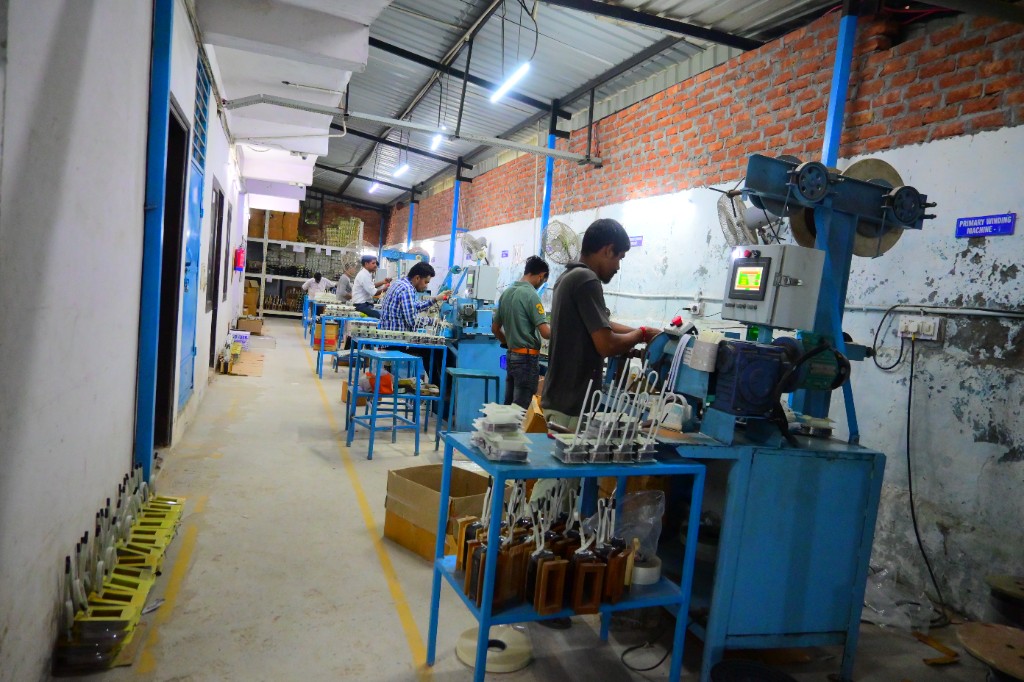
In India, capital and talent take the safe route: trading, real estate, or IT services where failures don’t ruin you socially. True manufacturing—building heavy power electronics, high-power DC motors, and energy storage from scratch—demands stepping into the unknown.
When importing cheap, white-labeled junk from China is praised as a “smart business move,” and pouring years of sweat into domestic R&D is treated as an irresponsible gamble, the nation loses its industrial soul.
The “MoU Trap” and the Opaque Startup Budget Black Hole
This sickness goes right to the top, cooked up by bureaucrats who haven’t spent a single day sweating on a shop floor.
Founders get trapped in the “MoU Trap.” Ceremonial partnerships are celebrated with massive press releases, but the reality is tragic: press day arrives with great fanfare, followed by zero shared lab hours and zero joint prototypes once the cameras pack up and leave.
Look at how national innovation funding is handled:
- Where Are the Outcomes? Every year, the government announces grand headline budgets—throwing hundreds or thousands of crores at premier institutions and startup schemes. Yet public records offer almost no usable tracking of how much was actually spent, how many hardware startups survived, or which indigenous industries genuinely benefited.
- The Accountability Vacuum: Budgets are repackaged every year with loud noise, but there is never any public accounting of last year’s utilization or real manufacturing milestones achieved.
The Way Forward: Building From the Ground Up
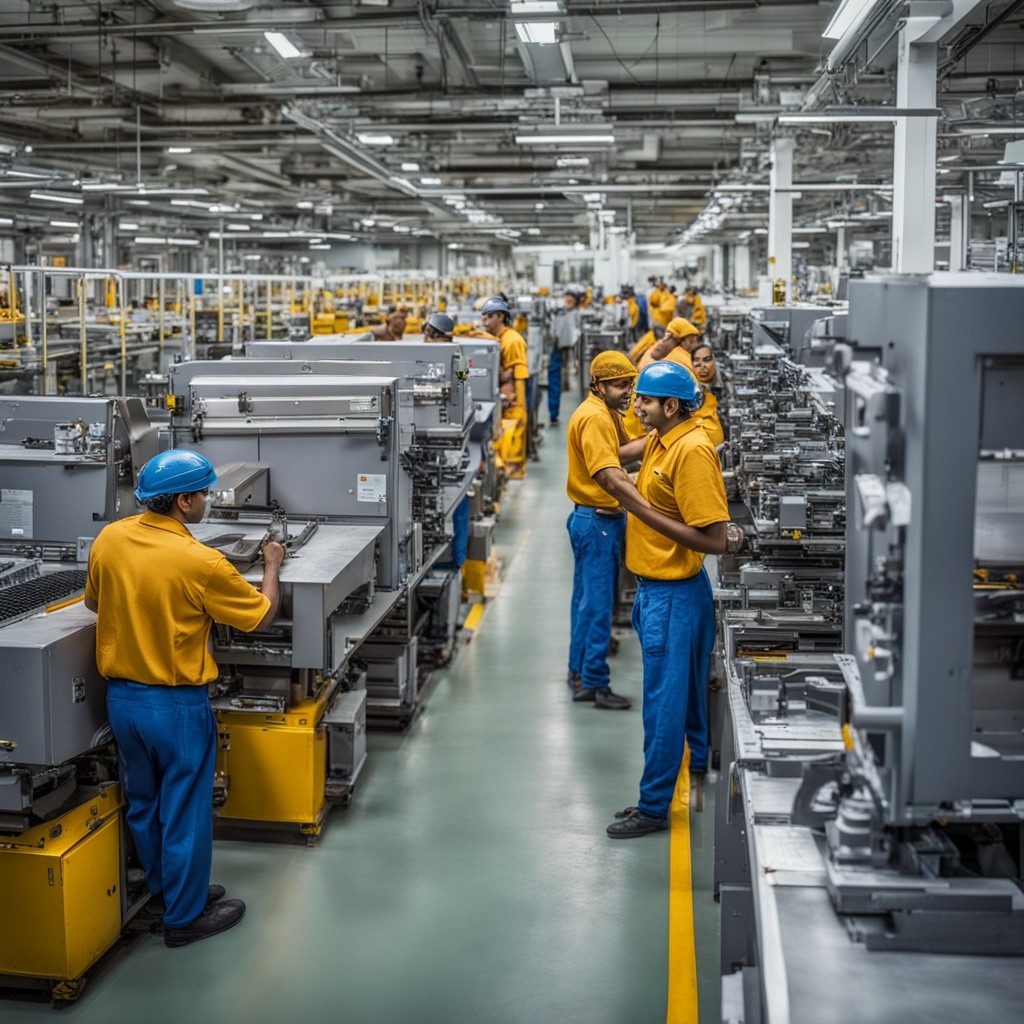
True self-reliance (Atmanirbhar Bharat) will never happen because of paper MoUs or empty budget announcements. It will happen only when our educational institutions throw away their comfort zones, open their doors to real industrial partners, and measure success by commercial reality instead of compliance checklists.
Until then, we will keep producing clerks for desk jobs, while the hardware that runs the world is bought from abroad.
Frequently Asked Questions
Why do Indian universities struggle to support industrial R&D?
Academic institutions are heavily optimized for compliance, static syllabi, and theory-based examinations. They lack the agile, high-risk, and iterative framework required for real-world hardware development and manufacturing.
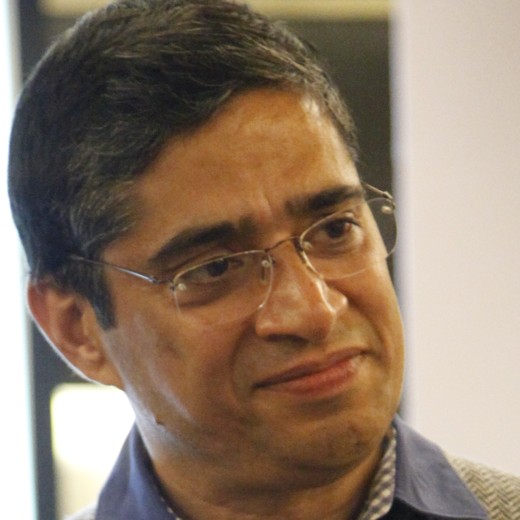
Kunwer Sachdev
Founder, Su-Kam Power Systems (1988–2019) and Kunwwer.ai, mentor at Su-vastika — the “Inverter Man of India” and the “Solar Man of India.” Read his story →
How does the lack of academic collaboration drive dependence on China?
Without localized R&D pipelines and trained engineering graduates capable of designing core components (like motors and controllers), companies default to importing white-labeled parts from China as a safer business shortcut.
Also read in this manufacturing & policy thread: Manufacturing Mirage Part 1 — 77 patents · Part 4 — Section 29A reform · The Great Solar Assembly Illusion · Startup India vs IBC.
Related Resources
- See how policy destroys factories in The Broken System: IBC, Banks & Bureaucracy.
- Explore the foundational story of indigenous power solutions at The E-Rickshaw Pioneer: Kunwer Sachdev’s EV Vision.
- Read a critical evaluation of systemic industry hurdles at IBC India Critique: A Solar Man’s Truth vs Academic Myths.
- Learn more about energy storage innovations at Lithium Inverter and Su-vastika.
Disclaimer: Kunwer Sachdev exited Su-Kam in 2019 and is not responsible for any activity of the company since. Anyone dealing with Su-Kam does so solely with its current management. Full disclaimer →