How Startup India hype and IBC wrecked Indian manufacturing
- Part 1: Two Hundred Products and a Broken Clock — 77 patents dispersed
- Part 2 (this essay): The VC hardware graveyard
- Part 3: The IBC liquidation machine — Videocon, Educomp, Hero Electric
- Part 4: What needs to change — Section 29A, the clock, a comeback
Billions Raised, Factories Quiet: The VC Hardware Graveyard
VC hardware graveyard is not a slogan. It is what happens when software money is asked to run a plant — and the plant answers in physics, not in slides.
This article answers
- What is the VC hardware graveyard — and why is it not one funeral for four companies?
- Is Ola Electric liquidated, or still listed — and what did the cited press say about share, price, and jobs?
- What happened to Log9’s LTO bet, and when did NCLT arrive?
- Did Altigreen’s Malur plant enter a CIRP this essay can cite?
- Why is Euler Motors in this essay if it is the contrast, not the corpse?
- How is this China story different from Part 1’s inverter brands?
I do not sit on these boards. I read the trade press the same way I read an NCLT order: for the factory underneath the adjectives. Every rupee and headcount below is cited. I will not invent a case number, a 3.5% market-share print, or a 2,120-job total that no filing added up for me.
The narrative was perfect. India’s answer to Tesla. Software meets manufacturing. Startup culture meets industrial scale. Marquee funds. A public listing. Promises of a generation of factory jobs. Then the line slowed, the service queue lengthened, the chemistry was wrong, the next round did not close — and people who had been hired into a “deeptech India” story updated their résumés.
VC hardware graveyard is the name I am giving that wreckage. In Part 1 I wrote the other wreckage: a thirty-year manufacturer with Su-Kam 77 patents, taken through IBC, after which Chinese inverter brands filled markets we had built. This essay is the contrast, not a sequel CIRP memoir.
What the VC hardware graveyard actually is
Part 1 needed the Code. A going manufacturer, stressed, asking a bank for time, was put into the Corporate Insolvency Resolution Process. Section 29A barred the founder from bidding. The plant did not get a software restart. It got a calendar.
Part 2 does not need that calendar for every name. Ola Electric is still a listed company. Altigreen’s Malur plant went quiet without a CIRP I can cite. Euler Motors cut staff and later took an OEM onto the cap table. Log9 is the exception that proves the rule: the market killed the chemistry first; NCLT arrived after.
The honest sentence is narrower than a funeral poster. You do not need twenty-six years of tooling and an IBC filing to erase manufacturing jobs in India. You can do it with a pitch deck, a five-to-seven-year fund clock, and a product that will not stand in the field. When the product is a battery chemistry the Chinese cell makers can undercut, IBC still shows up. That is Log9. I will not pretend all four walked into the same courtroom.
Established manufacturer: IBC could take thirty years of know-how. VC hardware: the software playbook can hollow a plant before the court stamp. Same country. Same word — manufacturing. Different clocks.
I have already argued, on The Broken System, that banks and bureaucracy chew manufacturing founders. This chapter is the other jaw: venture capital that treated a scooter, a cell, and a three-wheeler as if they were an app with a burn multiple.
Ola Electric: India’s listed hardware bet, then the fall
I was not in Bhavish Aggarwal’s factory. I know what a dealer says when warranty calls stack up, because I lived that life with inverters. Hardware is a trust product. India does not forgive a ₹1.5 lakh machine that sits in a service centre.
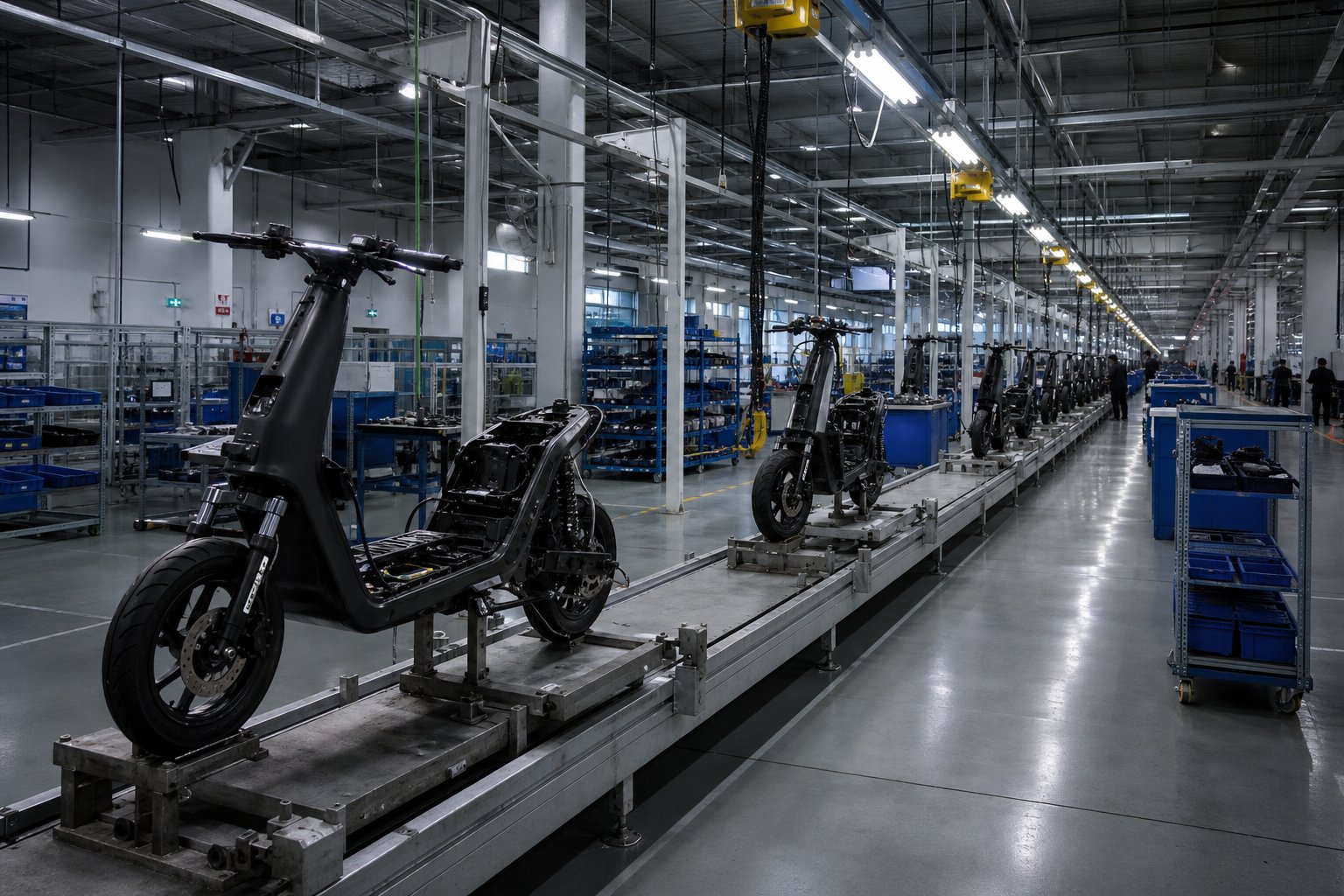
The rise was real enough to list. Reuters reported that SoftBank-backed Ola Electric aimed to raise about $734 million in its 2024 IPO, at a value of about $4 billion — roughly a quarter below the last private round. That private round, Reuters and ThePrint both printed, was Temasek-led money in 2023 at a $5.4 billion valuation. Economic Times wrote, ahead of the issue, that the company had raised about $1 billion since 2017. I will keep that figure and not inflate it to $1.2 billion to make a headline scan better.
Listing day, August 2024: ₹76 a share at the top of the band. Outlook Business, using Vahan, put e-two-wheeler share at about 35% at IPO — market leader. A year and a half later the same outlet had the stock near an all-time low of ₹27.36, down about 64% from the issue price, and share at 5.87% on 27 January 2026, fourth place. Economic Times separately printed the post-list peak at ₹157 and an about 84% fall from that peak. I will not pick one percentage and pretend the other does not exist. Issue-price drawdown and peak-to-trough are different thermometers. Both are ugly.
Q3 FY26, as Outlook printed it: revenue from operations ₹470 crore, down 55% year on year; net loss ₹487 crore. Break-even targets walked down from 50,000 vehicles to 25,000 to 15,000. SoftBank’s stake, the same piece said, went from over 17% at IPO to 13.53% by January 2026.
Jobs. I will not add three newspaper estimates into a fake “2,120+” census. What I can cite: Financial Express reported a November 2023 cut of around 500; a March 2025 round that Bloomberg put at over 1,000 employees and contract workers (the company did not confirm the exact number); and a January 2026 restructuring of about 5% of the workforce — FE estimated more than 500, possibly over 600, against an FY25 annual-report headcount of 11,328 employees plus 2,399 plant workers. That is enough wreckage. It is not a government labour census. I will not write one.
Ola Electric is not Su-Kam. It was not a 1988 brand put through IBC by a consortium bank. It is a public company that lost leadership while TVS, Bajaj, Ather and Hero took the category. The VC hardware graveyard here is a listed scooter maker discovering that unit economics, service, and a plant in Hosur do not obey a software burn chart.
Log9: the chemistry was wrong — then NCLT arrived
If Ola is the public-market wound, Log9 is the deeptech wound. Founded in 2015. Sold as Indian cell science. Raised, Inc42 wrote, more than $60 million from names that still look good on a deck: Sequoia Surge (now Peak XV), Exfinity, Amara Raja, Petronas Ventures.
The bet that mattered was lithium-titanate — LTO. Safer. Costlier. Lower range. Inc42’s reporting is blunt: as cheaper, improved LFP cells from China flooded the market in 2024, Log9’s LTO packs lost relevance. The company had put about ₹150 crore into a cell plant that did not scale as planned, and stayed dependent on imported Chinese cells. Revenue rose from ₹25.5 crore in FY22 to ₹110.3 crore in FY24 after a leap into EV leasing. Losses touched ₹118.6 crore in FY24. Debt around ₹200 crore. Most of the workforce gone; Inc42’s earlier sources had fewer than 40 people left, centres outside Bengaluru and Delhi shut.
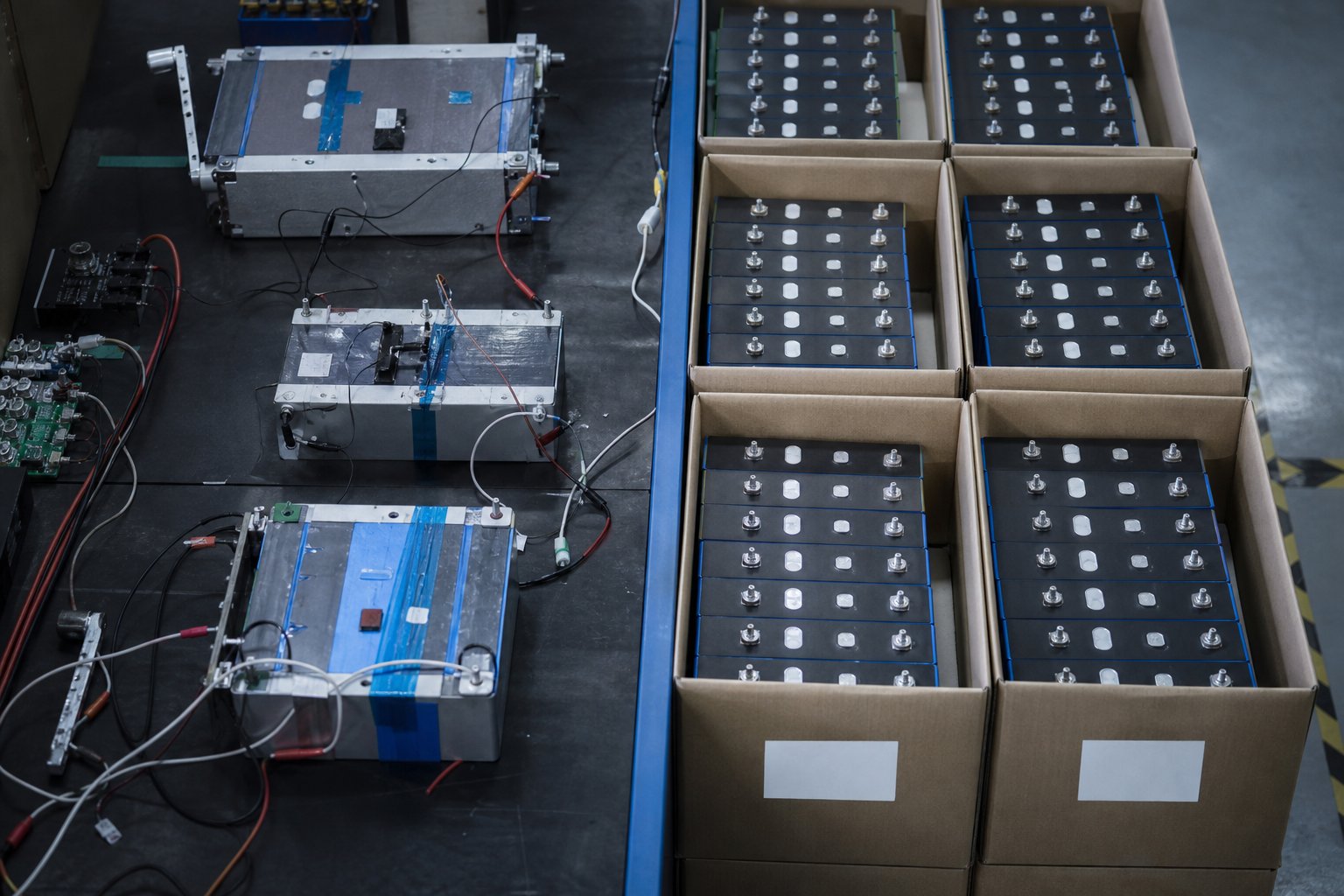
Then the court. Bengaluru NCLT admitted Log9 Materials and subsidiary Log9 Mobility into insolvency on a plea by Mumbai lender Ghalla & Bhansali Securities. The creditor’s numbers, as Inc42 printed them: default of more than ₹3.33 crore at Materials and more than ₹3.39 crore at Mobility. Settlement offers of ₹1 crore, then ₹1.25 crore, against more than ₹6.7 crore outstanding. Moratorium. Interim resolution professional named in that report: Neeraja Kartik. I do not have a bench case number I can defend, so I will not type one.
This is the sentence the brief wanted to avoid and the factory cannot. Log9 did not “fail without IBC.” The market failed it first. IBC was the stamp on a company that had already stopped being a going technology bet. That is still a VC hardware graveyard story. It is also an IBC story. Pretending otherwise would make Part 3 cheaper and this essay a lie.
China, here, is not Growatt on a rooftop. I documented that inverter shift in the grid-feed hybrid essay and in Part 1. Log9’s China is a cell price. Hardware lost to a landed kilowatt-hour. Different aisle of the same warehouse.
Altigreen: Reliance on the cap table, Malur quiet
Altigreen is the three-wheeler that was supposed to prove last-mile EV could be a startup OEM. Founded 2013. Series A of $40 million — Inc42 called it one of the bigger EV rounds of that moment — with Reliance New Energy, Sixth Sense Ventures, Xponentia and others on the list.
Inc42’s 2025 feature, with the CEO on the record about the crunch, is the source I will stay inside. Manufacturing halted. Malur plant near Bengaluru wound down. Corporate office emptied; people told to work from home. Salaries unpaid into the year. Headcount that had gone over 350 after Series A was reported around 130–140 by the time of that piece, after about 100 jobs cut at end-2023. FY24: losses ₹242.5 crore, revenue about ₹119 crore. Dispatches from Malur, sources said, down to 50–90 a month from triple digits a year earlier. Dealers sitting on unsold stock. A reported Hero Motors conversation did not close; Hero announced a stake in Euler Motors instead.
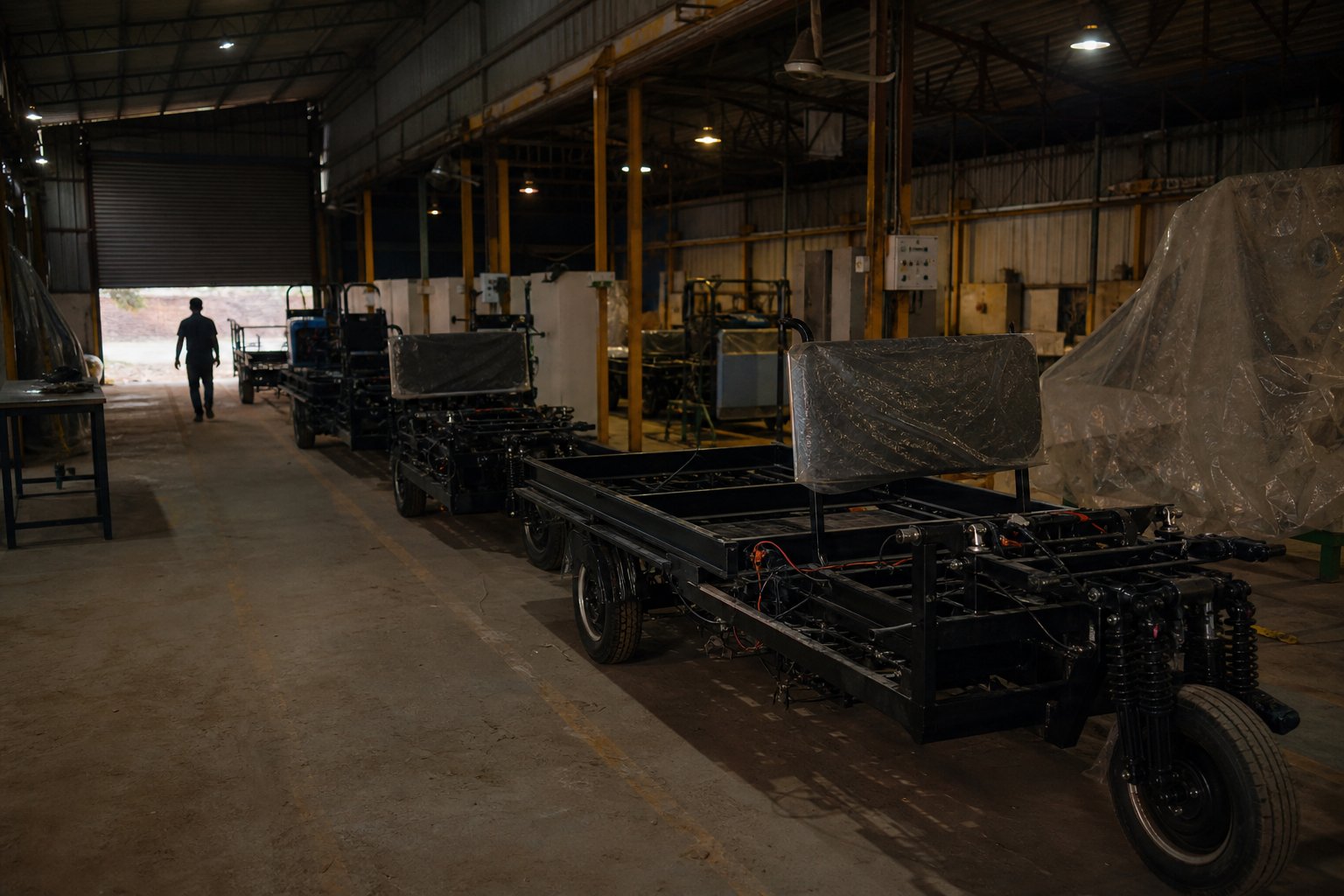
I have not seen an NCLT admission for Altigreen in the reporting I am using. So I will not file one from this keyboard. Halted plant, unpaid wages, vendor dues: that is already a manufacturing death even if the CIN still exists. Software companies “shut.” Hardware companies leave a shed and a dealer with a dead warranty. I watched the second kind in Gurugram. I recognise the smell.
Euler Motors: keep it in the essay — as the contrast
The brief wanted Euler in the graveyard table: $60 million raised, 10% laid off, story over. The 10% is real. It is also April 2023. Inc42 and Business Standard reported a restructuring six months after a GIC-led Series C of $60 million; Inc42’s source put the cut around 180–200 people. That is the software-clock sentence: even after a large round, the plant is told to get efficient for investors.
What the graveyard table left out: Economic Times, May 2025 — Series D of ₹638 crore led by Hero MotoCorp, with British International Investment, taking disclosed funding to about ₹1,420 crore. Later coverage has Euler still selling, still loss-making, still raising. That is not Log9. That is not Malur dark. That is an OEM putting manufacturing capital on a commercial EV bet.
I am leaving Euler in this essay because the contrast is the point. VC hardware graveyard is not “every EV startup died.” It is: without a manufacturer-parent or brutal unit economics, the software playbook runs out. Hero could write a cheque Altigreen did not get. I do not know Euler’s next decade. I know a 10% cut in 2023 and a Hero-led round in 2025 are not the same sentence as “collapsed.”
Why the software playbook breaks a plant
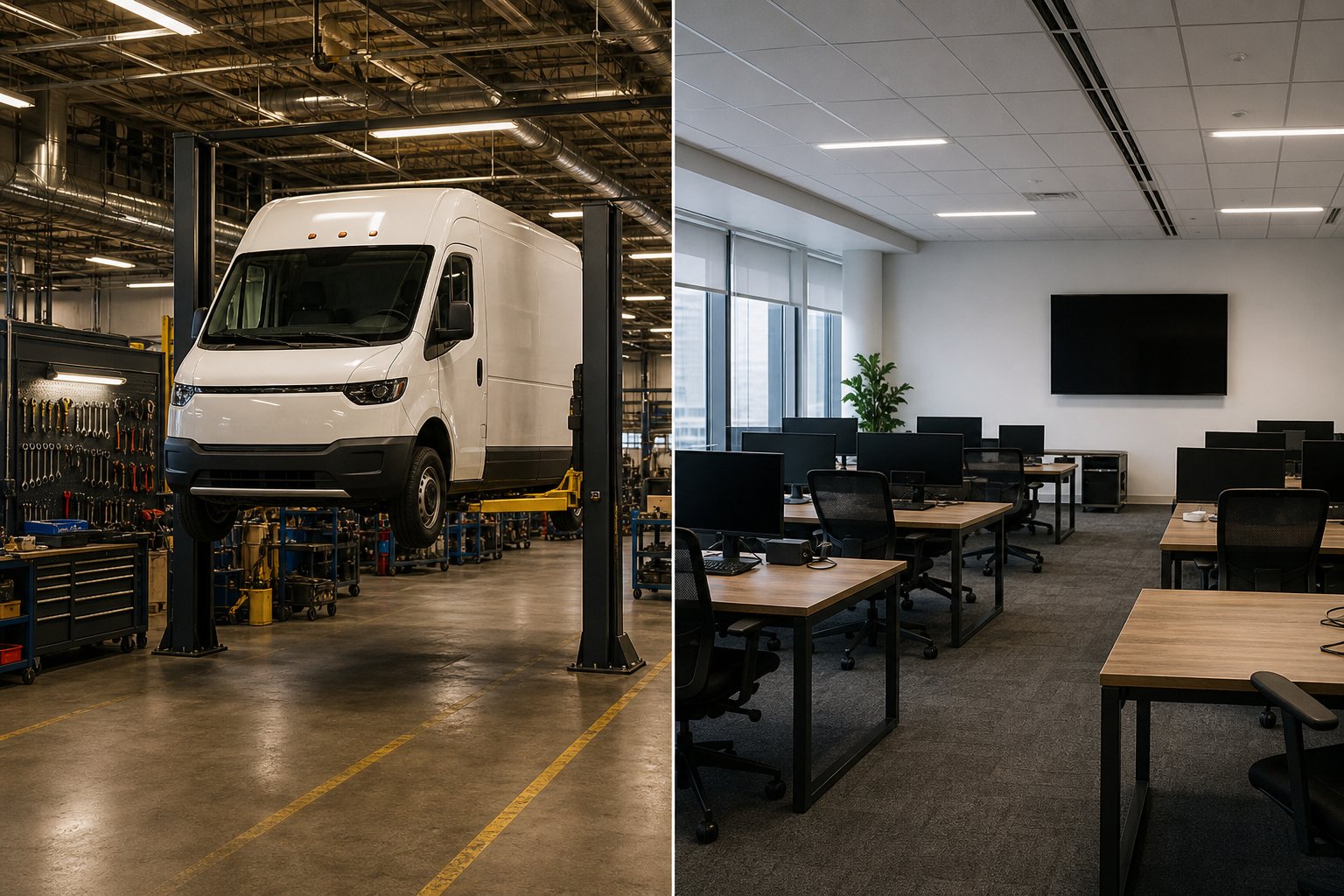
I did not learn this from a podcast. I learned it from transformers, dealers, and a 16-bit chip. Software can ship a patch on Friday. A battery pack that fails in May heat is a lawsuit, a repossessed fleet, and a founder explaining chemistry to a lender.
Venture capital, as practised in the 2015–2022 Indian boom, paid for growth. Hardware pays for tooling, warranty, working capital, and the six months the Chinese cell price moves against you. Unit economics are not a Series B slide. They are whether the three-wheeler comes back in three months. Ola’s public letters walked break-even volumes down. Log9’s LTO could not beat landed LFP. Altigreen’s CEO told Inc42 the company chased positive margins instead of share — and still could not fund the next shift.
I will not paste a fake table of “730 hardware startups shut in 2025” as proof of apocalypse. Tracxn’s all-startup shutdown print for 2025 was reported around 730 — and as a five-year low against thousands of closures in 2024. That number is not a hardware census. Using it as one would be the same sin as inventing Africa inverter percentages in Part 1.
| Company | What I can cite | What I will not claim |
|---|---|---|
| Ola Electric | ~$1B raised since 2017 (ET); $5.4B private print (Reuters); IPO ~$4B / $734M (Reuters); ~35% → ~6% e-2W share (Outlook); peak-to-trough ~84% (ET); repeated layoffs (FE) | Liquidated; IBC; a single official 2,120-job total; 3.5% share |
| Log9 | >$60M raised; LTO vs Chinese LFP; NCLT Bengaluru admission for Materials and Mobility (Inc42) | A case number I have not read; “failed without IBC” |
| Altigreen | $40M Series A; Malur halted; FY24 loss ~₹243 Cr (Inc42) | A confirmed CIRP; a precise jobs-lost census |
| Euler Motors | 10% cut in 2023 after $60M (Inc42); Hero-led ₹638 Cr Series D in 2025 (ET) | That Euler is a completed collapse |
Two Chinas, one physics
Part 1’s China is inverter brands — Growatt, Sungrow, Solis, Huawei, Goodwe — from a negligible 2018 presence to majority share by 2024, as I had already written. Part 2’s China is cells and kits: LFP cheap enough to make an Indian LTO story look like a museum. I am not merging those into one takeover percentage. I am saying the physics is the same. A factory that cannot iterate at the price the import offers does not get saved by a valuation.
Su-Kam needed IBC to finish a thirty-year company. These names show you can finish a hardware story with a fund cycle. Log9 shows the court will still come if there is a default and a lender who knows the Code. The entrepreneur-as-criminal file was written for founders who signed guarantees. This file is for the other casualties: engineers hired into a deck.
I am not asking you to hate startups
I built a company from ₹10,000. I am not allergic to new capital. I am allergic to pretending a plant is a SaaS dashboard. Startup India printed jobs. Some of those jobs were real. Some were a round. When the round ended, the shed did not become a cloud function. It became a locked gate in Malur, a thinning shop floor in Hosur, a battery team of forty.
Part 3 goes where the courts already have names — Videocon, Educomp, Hero Electric — the long CIRP, the calendar as weapon. Part 4 is reform and the rebuild I will not smuggle into this essay. If you are a founder raising for hardware, read Part 1 on what IBC does to a going manufacturer. Then read this table again. Decide which clock you are actually on.
If you are a policymaker, do not point at one listed EV stock and call it industrial policy. And do not point at Tracxn’s 730 and call it a hardware funeral. Count plants. Count cells that still get made in India. Count warranties a dealer can honour.
Word count: 2,456 · The Manufacturing Mirage, Part 2
Frequently Asked Questions: VC hardware graveyard
What is the VC hardware graveyard in this essay?
The pattern of venture-backed Indian hardware companies that scaled on software capital, then lost plants, jobs, or market share. The four names here are Ola Electric, Log9, Altigreen, and Euler — not as one funeral, but as one mismatch.
Does this essay add up one capital-destroyed or jobs-lost total?
No. Each name has its own cited rupees and headcounts. He will not invent a combined $1.2 billion or a 2,120-job census.
Did these four companies all fail without IBC?
No. Ola Electric is still listed. Altigreen halted manufacturing without a confirmed CIRP in the press used here. Log9 Materials and Log9 Mobility were admitted to NCLT insolvency after the market had already failed them. Euler took a 10% cut in 2023 and later took OEM capital from Hero MotoCorp.
Is Ola Electric liquidated?
No. It listed in August 2024. Trade press has documented a collapse in e-scooter leadership and share price, plus repeated restructuring, not a completed IBC sale of the company.
Why is Euler in an essay about a graveyard?
As the contrast, not the corpse. A 2023 10% layoff after a $60 million round showed the same software-capital pressure. Hero MotoCorp later led a Series D. That is what patient manufacturing capital looks like next to a pure VC clock.
Is this the same China story as Part 1?
No. Part 1 is Chinese inverter brands filling markets after Su-Kam’s CIRP. Part 2’s China fact is cheaper LFP cells undercutting Log9’s LTO bet, as Inc42 reported. Same country, different product, same physics: hardware does not wait for a narrative.
Where is the Su-Kam IBC story?
Part 1 of this series: 77 patents dispersed after IBC, then China filled inverter markets Su-Kam had built. This essay is the VC-hardware chapter, not a second CIRP memoir.
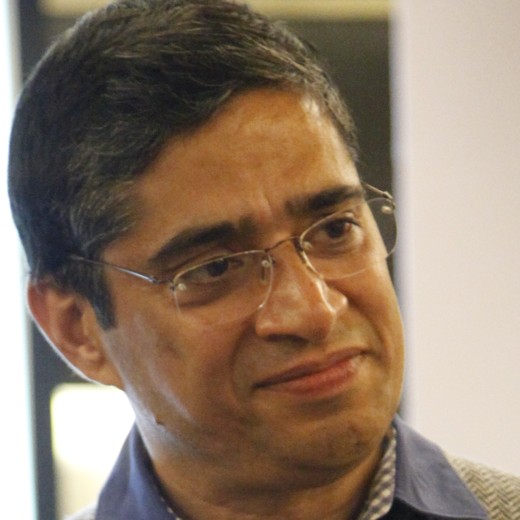
Founder, Su-Kam Power Systems (1988–2019) and Kunwwer.ai, and mentor at Su-vastika and several other companies — the “Inverter Man of India” and the “Solar Man of India.” Read his story →
Disclaimer: Kunwer Sachdev exited Su-Kam in 2019 and is not responsible for any activity of the company since. Anyone dealing with Su-Kam does so solely with its current management. Full disclaimer →
The university-and-startup stack that trains founders for pitch decks instead of shop floors is mapped in The Ivory Tower Trap.