After The Fall, I Went Silent.
Then A Room In Gurgaon Gave Me Back My Voice.
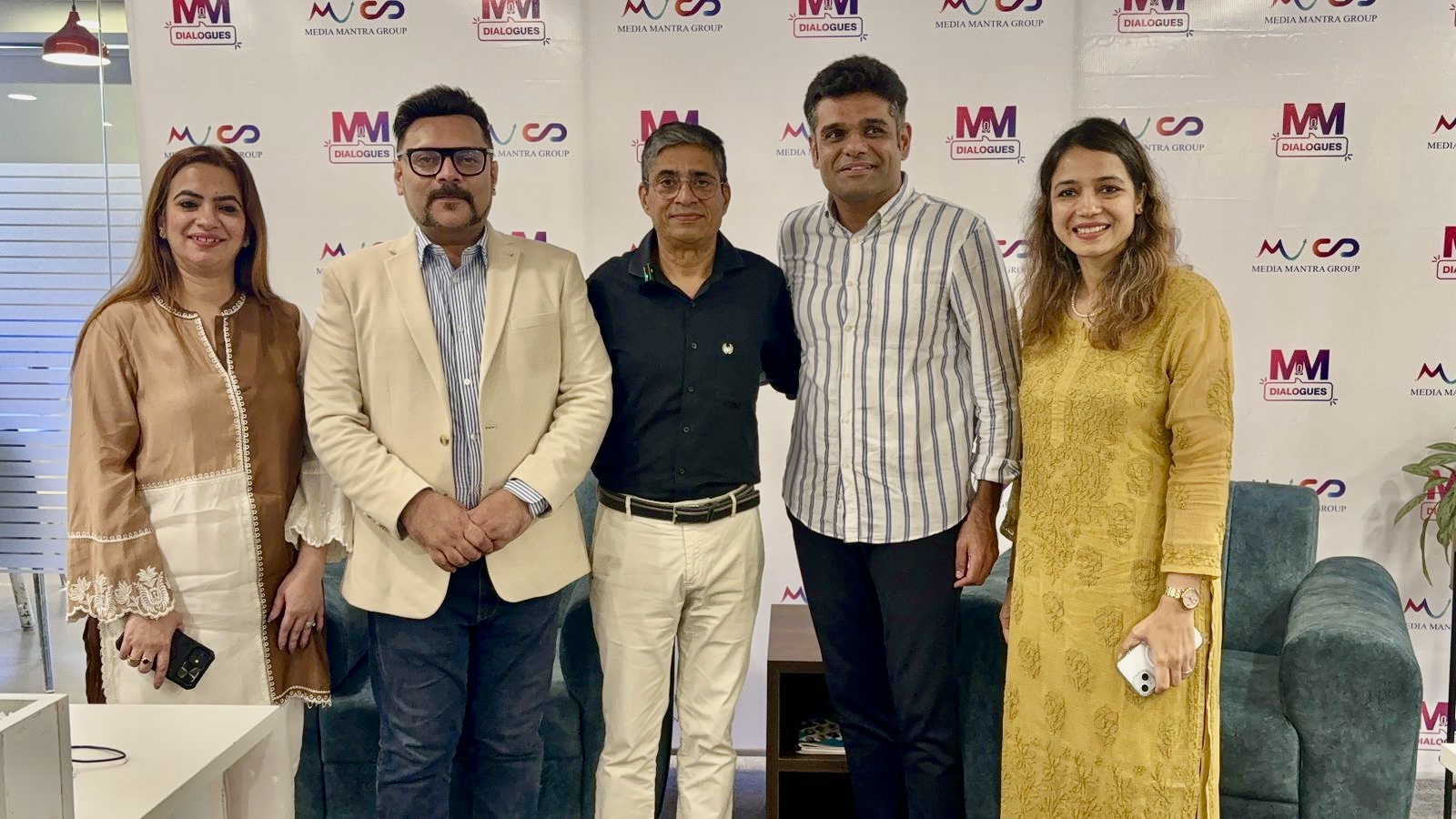
Media Mantra session — I need to be honest about this one.
For a long time after Su-Kam went through insolvency, I stopped speaking on public forums. I did not decide to. It just happened. Slowly, quietly, the way most difficult things happen. The invitations kept coming. I kept saying no. Or I said yes and then wished I had not.
“When you fail publicly, you do not just lose the company. You quietly start to feel that you have also lost the right to inspire anyone else. Who am I, I would think, to tell a young person how to build, when my own outcome went the way it did?”
— The feeling I did not talk about
The Quiet Years
You do not announce that you have gone quiet. There is no press release for it. You just start declining calls. You stop opening emails from event organisers. You mentor a few founders you trust, one-on-one, in your own drawing room. And you tell yourself that is enough.
It is not enough. I know that now. But it feels like enough at the time, because the alternative — standing on a stage in front of hundreds of strangers and asking them to trust your judgement about business — that alternative feels impossible when your own last big judgement is still being argued about in court papers.
Every founder who has been through a hard exit will recognise this feeling. It is not shame exactly. It is closer to disqualification. The world does not disqualify you. You disqualify yourself. And you carry that around silently for a long, long time.
Then Udit Called
Udit Pathak is the founder of Media Mantra, one of India's fastest-growing PR firms. He is young, sharp, and completely without pretence — the kind of founder I respect on sight. When Udit called, he did not offer me a conference stage. He did not offer me a fee. He said, in the simplest possible words:
“Sir, please come to our office. Just talk to my team. Motivate them.”
I said yes. And immediately, I regretted saying yes.
The days leading up to it, I was hesitating. I was not in the mood. I did not know what I would say. I kept thinking — what am I going to give these young people that will actually be useful? More than once, I nearly picked up the phone to postpone. On the drive to the office, I was still hesitating.
And Then I Walked In
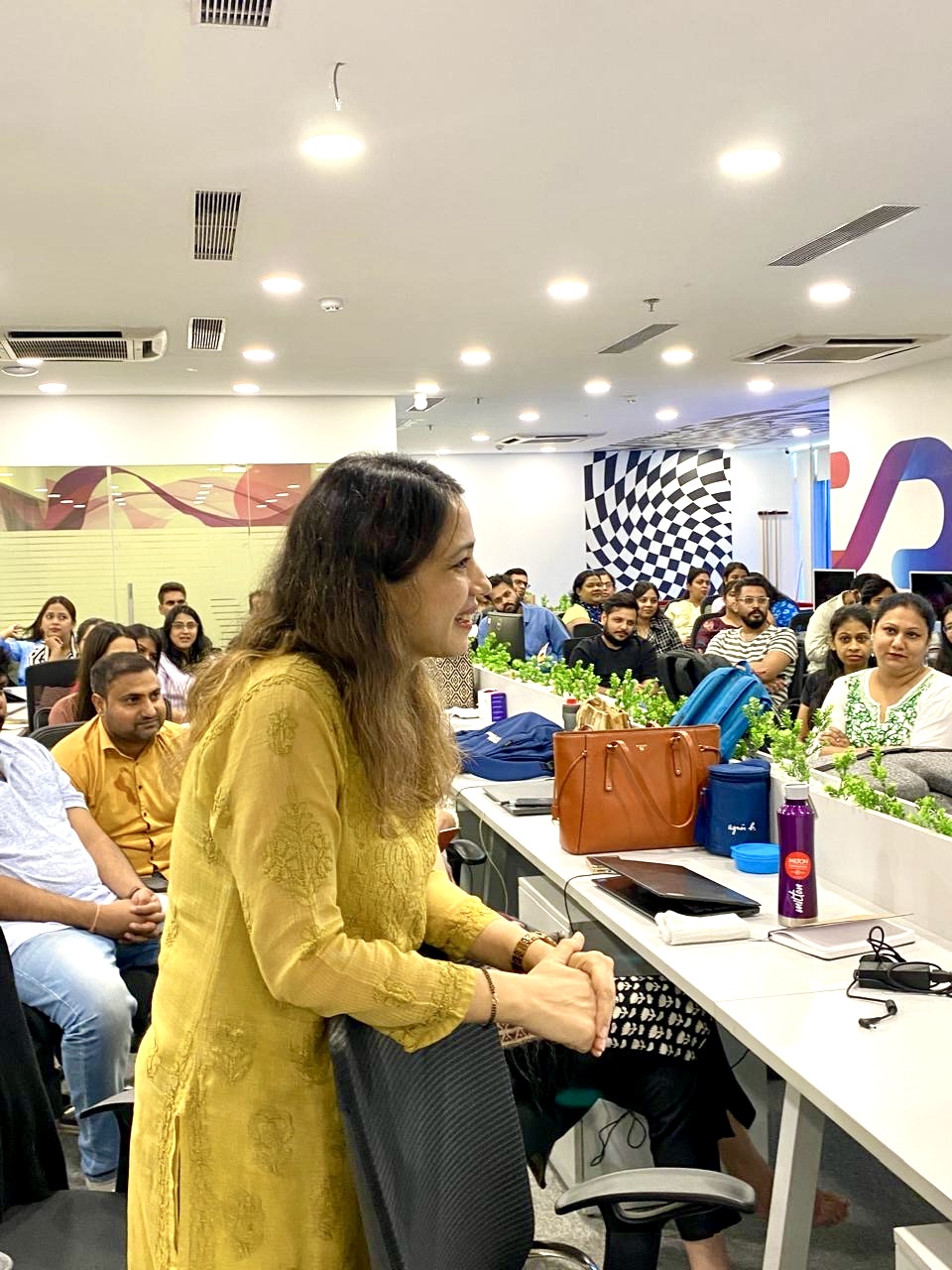
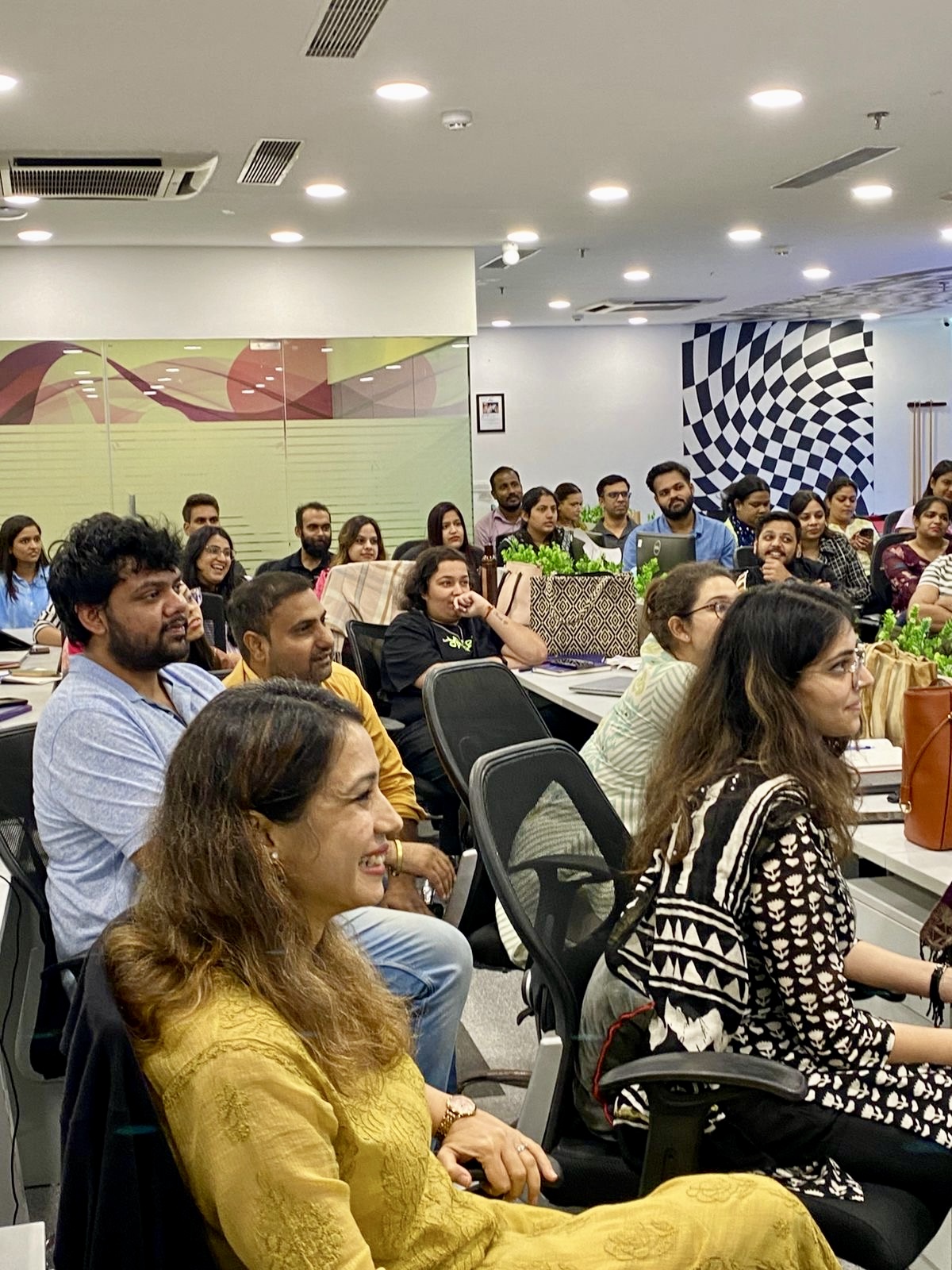
I want you to picture it. A room full of young people. Maybe twenty of them. Kids, honestly — twenty-somethings, some barely older, some barely younger. Every one of them was looking at me not as a headline, not as a court case, not as a balance sheet.
They were looking at me as a story.
That was the first thing that shifted inside me. When I saw their faces, my hesitation just… loosened. It did not disappear — it just loosened enough for me to start.
So I started. I told them the whole thing. The Delhi middle-class house with the Railway father who ran side businesses. The pens I sold on a cycle in Class 10. Naming Su-Kam in college, years before I built it. The ₹10,000 that started everything. The 90 countries. The peaks. And yes — the fall. I did not hide any part.
Two Hours. It Was Meant To Be Thirty Minutes.
Two hours. That is how long the session went. I had walked in thinking I would talk for thirty minutes and slip out. I did not want to leave. And I do not think they wanted me to leave either.
The Q&A was the part that rebuilt me. Their questions were sharp. Pricing. Brand-building. Hiring. Copycats. Family. Failure. Second acts. Self-doubt. Every single question. And with every answer I gave, I felt something old and specific waking up inside me — that rhythm I used to have in every TiE Chennai and IIM Calcutta and college campus in the country. The rhythm where the answer arrives before you consciously form it.
That rhythm had gone quiet in me for years. In that room, it came back. Not slowly. All at once.
The Honest Confession
The session was more for me than for the audience.
I walked in thinking I was going to give something.
I walked out having received far more than I gave.
That is a strange thing for any speaker to admit. It is even stranger for a person of my age to admit. But it is exactly what happened, and if I do not put it down here honestly, this piece is a waste of everyone's time.
Every founder who has been quiet after a fall knows this feeling — you tell yourself you are okay, you tell yourself you are just being reflective, but a small piece of you is waiting for someone to give you back the microphone. That Kunwer Sachdev Media Mantra afternoon, without knowing it, Udit Pathak and his team gave it back to me.
I'm Back.
This is not a marketing line. This is an internal feeling I am writing down so that ten years from now, when a young founder somewhere goes through their own fall and wonders if they will ever find their voice again, they can read this and know one thing:
The voice does not leave you.
The world may go quiet for a while. You may go quiet for a while. But the voice is still inside you. It is just waiting for the right room.
Thank you, Udit. Thank you, Media Mantra team. You did not just host a talk that afternoon.
You gave a founder back to himself.
Sources & Links
Frequently Asked Questions: Media Mantra Session
What was the Media Mantra session with Kunwer Sachdev?
The Media Mantra session was a talk Kunwer Sachdev gave at Media Mantra HQ in Gurgaon, hosted by founder Udit Pathak. It was meant to last thirty minutes. It ran for two hours. After Su-Kam’s insolvency, Kunwer had stopped speaking on public forums. This room of young PR professionals is where he says he got his voice back.
Who is Udit Pathak and what is Media Mantra?
Udit Pathak is the founder of Media Mantra, a growing Indian PR firm. He asked Kunwer to come to the office and talk to the team — no conference stage, no fee. That invitation, and the Media Mantra session that followed, is the story of this post.
Why had Kunwer Sachdev stopped speaking in public?
After Su-Kam went through insolvency, invitations kept coming and he kept saying no. He describes the feeling as closer to disqualification than shame: the sense that a founder who has been through a hard public exit has lost the right to tell others how to build. Mentoring a few people privately felt like enough. It was not.
How long did the Media Mantra session last?
Kunwer walked in expecting thirty minutes. The Media Mantra session lasted two hours. The Q&A covered pricing, brand-building, hiring, copycats, family, failure, second acts, and self-doubt. He says the rhythm he used to have on stages at TiE and IIM Calcutta came back all at once.
What did Kunwer take away from the Gurgaon talk?
He walked in thinking he would give something to a young team. He walked out feeling he had received more than he gave. The honest confession in this piece is that the Media Mantra session was more for him than for the audience — it gave a founder back to himself.
Where can I read more of Kunwer Sachdev’s founder story?
His about page covers the Su-Kam years (1988–2019). The personal-front essay explains how family and legal pressure collided with the company’s insolvency. The founding story covers the ₹10,000 start. This post is the chapter where a Gurgaon room, not a conference, put the microphone back in his hand.
Kunwer Sachdev
Founder, Su-Kam Power Systems (1988–2019) · The Inverter Man of India · The Solar Man of India
Startup mentor, angel investor and serial entrepreneur. Built Su-Kam from a Delhi component-supply business into a ₹1,200+ crore power-electronics brand across 70+ countries. Now mentors India's next generation of founders. Read his story →
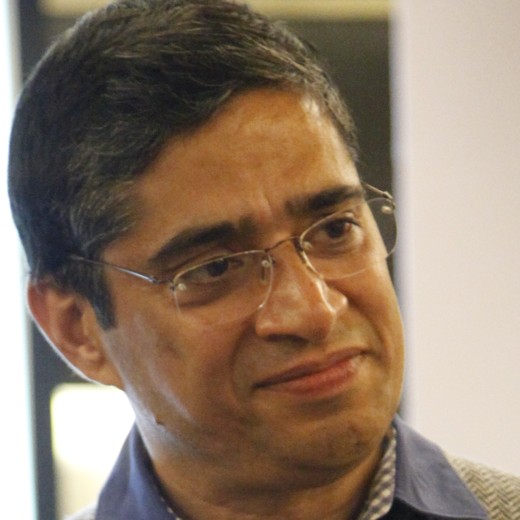
Kunwer Sachdev
Founder, Su-Kam Power Systems (1988–2019) and Kunwwer.ai, mentor at Su-vastika — the “Inverter Man of India” and the “Solar Man of India.” Read his story →