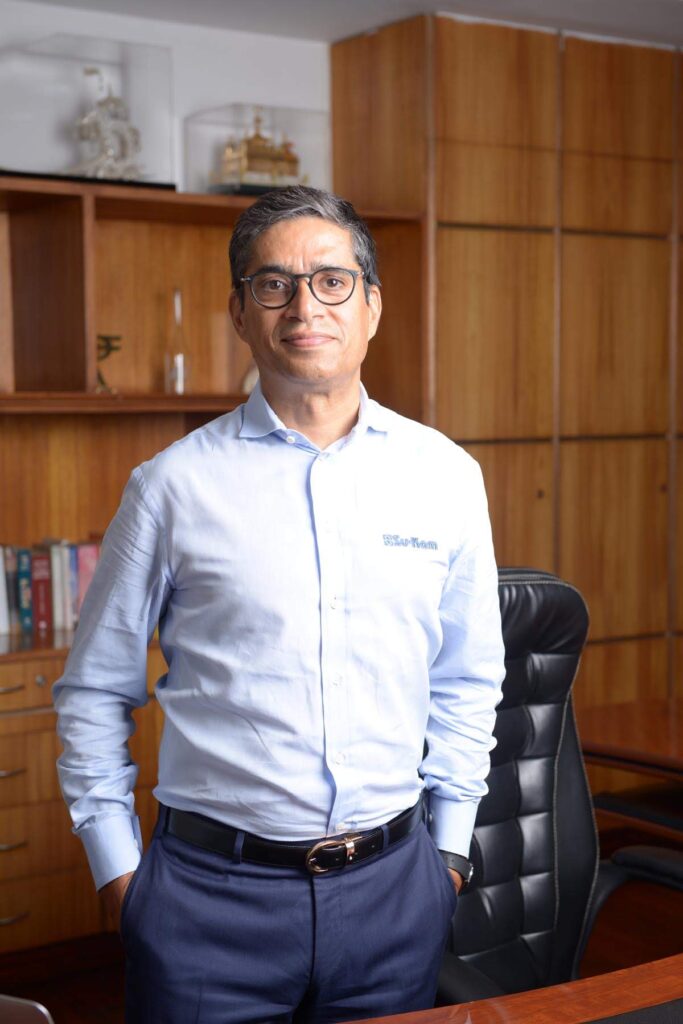
The Entrepreneur as Criminal: The Human Cost of the IBC
When business failure makes the entrepreneur as criminal: how IBC stigma, wilful-defaulter labels, and personal guarantees punish honest founders.
When business failure makes the entrepreneur as criminal: how IBC stigma, wilful-defaulter labels, and personal guarantees punish honest founders.

Inside the CIRP: a founder’s 180-day account of how IBC resolution, RP control, and the CoC freeze operations, warranties, and brand trust.
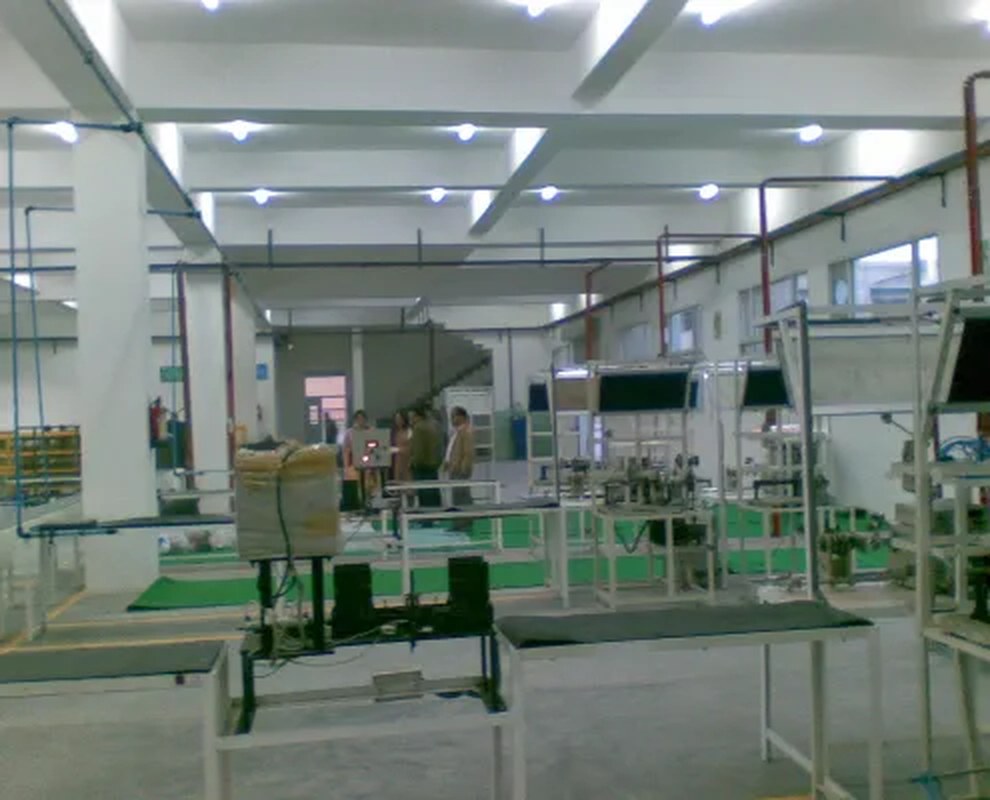
I had arranged a 250-crore rescue for Su-Kam. Then Section 29A, a law that did not yet exist, was made retrospective and used to disqualify me from saving the company I built.
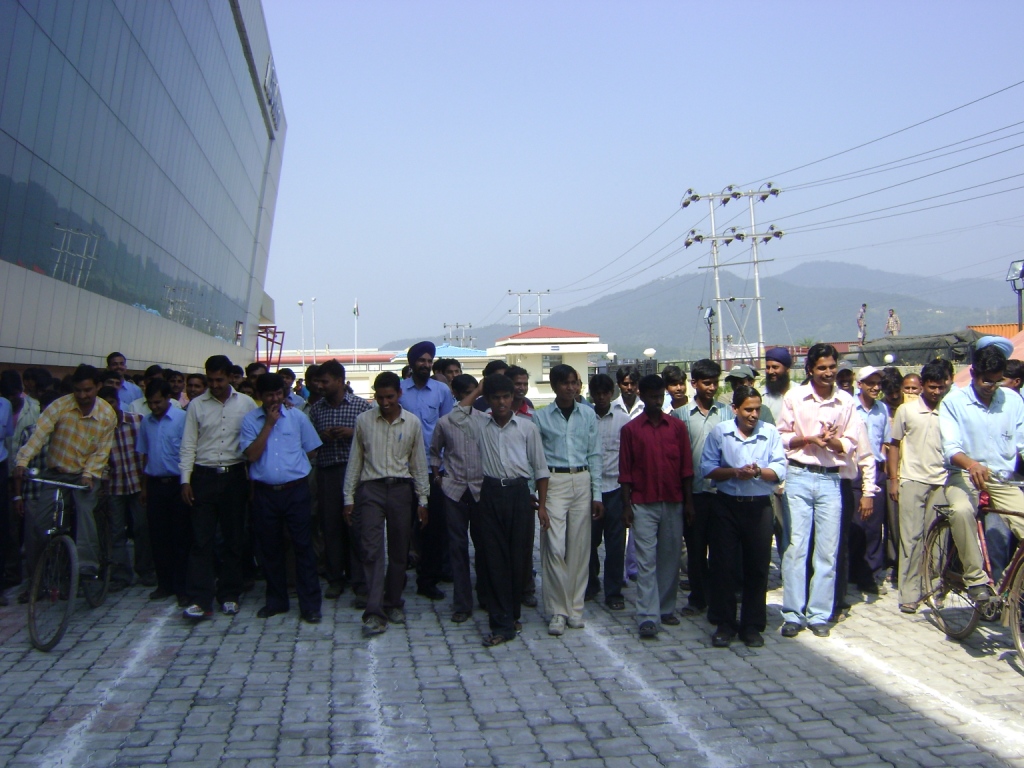
When NCLT ordered liquidation of Su-Kam Power Systems, 2000 people lost jobs in one day. The founder tells what really happens when the system shuts down a company — the families, the theft, the destruction. Part 2 of The IBC Files series.
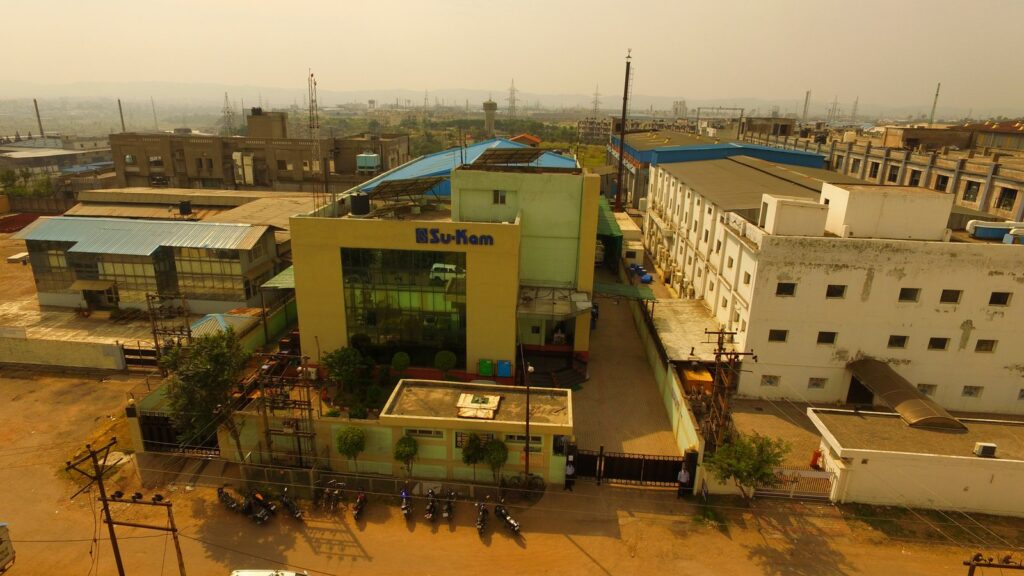
IBC amendments since 2016 have strengthened banks while ignoring entrepreneurs. Kunwer Sachdev on how India’s insolvency law became a bank recovery tool.

How Su-Kam scaled from a single factory to 6 manufacturing plants across Gurgaon, Baddi and Katha. The Reliance-Temasek $10 million investment, the world-class corporate HQ, and the SMF battery factory — a dream project that taught one of the most expensive lessons in Indian manufacturing.
Between 2002 and 2005, Su-Kam launched three innovations that rewrote India’s power backup industry: the first DSP sine wave inverter (with Jagdeep Chauhan), the Solar Home Lighting System, and the ‘Home UPS’ — a new product category that the entire industry adopted within a year. Also: the first BEE 4-star inverter and how an airplane overhead panel inspired our LED indication system.
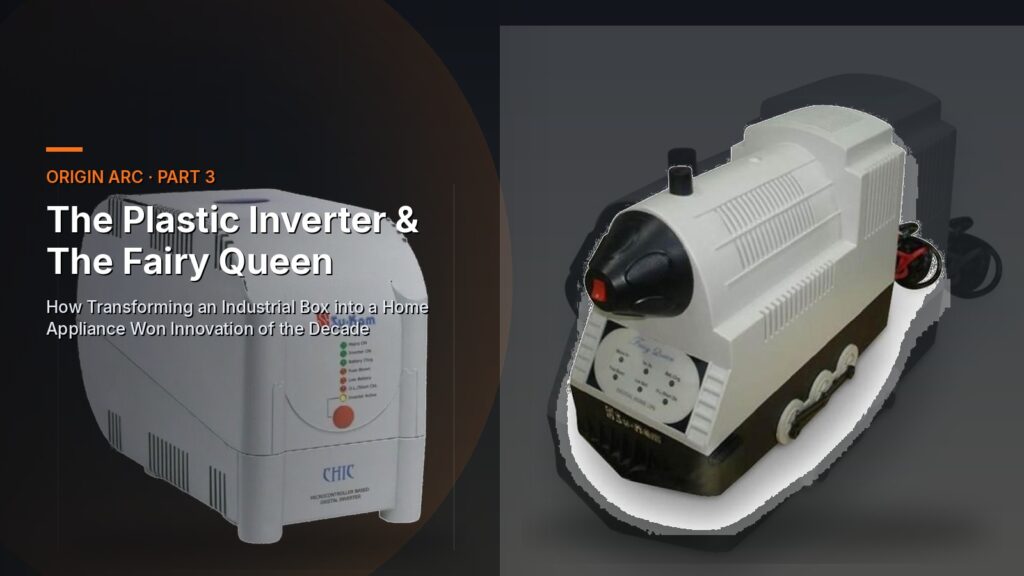
A customer’s daughter got shocked by a metal inverter. That incident led Kunwer Sachdev to create India’s first plastic-body inverter — the CHIC — which India Today called ‘Innovation of the Decade’. This is also the story of the Fairy Queen, an inverter shaped like a locomotive engine that tragically failed because of one small packaging mistake.
In 1998, a rude service technician told Kunwer Sachdev he wouldn’t understand inverter technology. That insult sparked two years of R&D, exploding MOSFETs, and the birth of India’s first MOSFET-based single-battery inverter. Featuring original photos of the first Su-Kam inverter, the Times of India ‘Digital Wonders’ article, and the R&D lab where it all happened.
Everyone knows Kunwer Sachdev as the Inverter Man of India. But Su-Kam started in 1988 with Cable TV systems — manufacturing CATV amplifiers, installing dish antennas for Doordarshan and the Indian Air Force, and distributing Echostar satellite receivers. This is the untold origin story, with original photographs from the archives.