How Startup India hype and IBC wrecked Indian manufacturing
- Part 1 (this essay): Two Hundred Products and a Broken Clock — 77 patents dispersed
- Part 2: The VC hardware graveyard
- Part 3: The IBC liquidation machine — Videocon, Educomp, Hero Electric
- Part 4: What needs to change — Section 29A, the clock, a comeback
77 Patents Dispersed: After IBC, China Filled the Markets Su-Kam Built
Su-Kam 77 patents sat in a going manufacturer. CIRP scattered the R&D. By 2024, Chinese inverter brands had gone from a negligible Indian presence to majority share.
This article answers
- How many granted patents sat in Su-Kam when CIRP began — and why this essay uses 77, not a circuit list?
- What happened to the R&D and the people, if the patents did not vanish from a registry?
- Why did Section 29A bar the founder from bidding for the company that held those patents?
- How did Growatt, Sungrow, Solis, Huawei and Goodwe go from a negligible 2018 presence to majority share by 2024?
- What did CIRP cost, what did the COVID-period sale fetch, and what did banks recover?
- What happened to jobs, suppliers, and the 90-country export map?
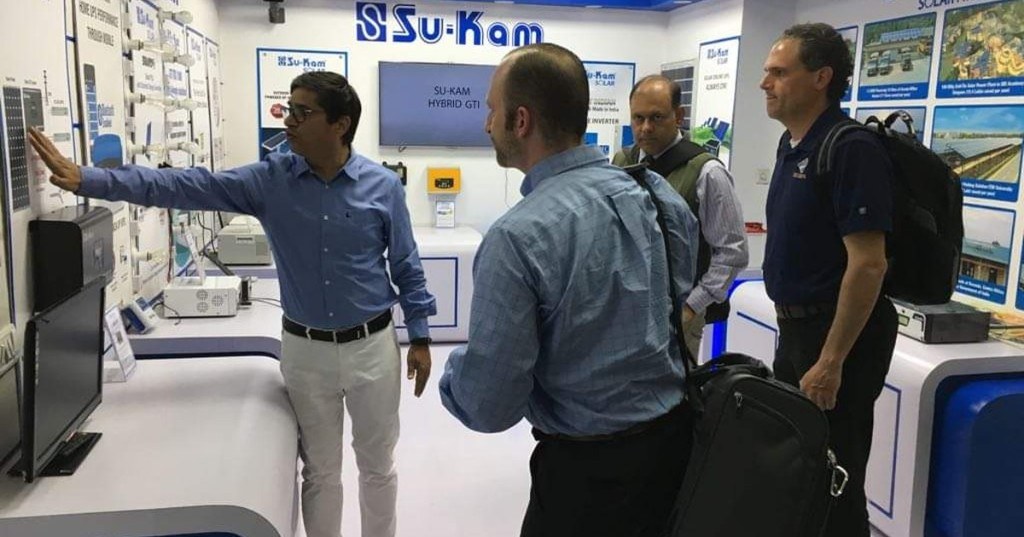
Su-Kam 77 patents is the wreckage. Not a valuation argument. India lost a going technology stack — and the people who knew how to export it.
What Really Happened: Su-Kam 77 patents Dispersed, China Filled the Market
I have already told how those 77 patents got filed and called the aftermath national wastage. I will not list chemistries and circuit families here. The national fact is simpler: Su-Kam 77 patents were manufacturing-ready, field-tested, export-grade — and they sat in a company whose R&D was broken up in CIRP.
In 2018 Su-Kam entered the Corporate Insolvency Resolution Process. I have written, as fact, that my operational role ended then — directorship ceased, a Resolution Professional took the keys. The Hybrid GTI program lost its champion. The export pipeline lost its planner. Engineers do not wait for a 180- or 330-day calendar. They leave. I have written that Su-Kam talent went to other Indian manufacturers, to Chinese subsidiaries that set up in Bangalore and Pune to absorb that talent, or out of the industry entirely. Equipment goes quiet. Iteration stops. Twenty-plus years of concentrated know-how does not reconstitute because a spreadsheet still lists “IP.”
Section 29A then barred me from bidding for the company I had built. The one person who knew the firmware, the dealer fights, and the voltage realities of the export map was legally ineligible. The patents did not vanish from a registry the day the RP arrived. The people who could develop, ship, and compete with them were removed from the field.
What filled the hole is not a mystery I invented for this draft. I published it on this site in the grid-feed hybrid essay: Chinese inverter brands — Growatt, Sungrow, Solis, Huawei, Goodwe — moved from negligible presence in 2018 to majority share in 2024. Trade publications have been documenting that shift. In that same essay I also published India’s later import picture as I read it: China as the largest single source of inverter imports, a large Chinese share of utility-scale solar inverters, Growatt already material in rooftop by 2019. I will not paste a fake Africa or Middle East percentage table. I will say what I can defend.
The Africa, Middle East, and South-East Asia markets we were expanding into lost the Indian manufacturer who was designing for power-deficit grids. Some of the competitive moat — utilities, dealers, approvals in 90 countries — collapsed. Some of it, I have written, was picked up by Chinese exporters waiting for exactly that vacuum. Indian survivors, I have also written, often became rebadgers: Chinese kits, Indian stickers.
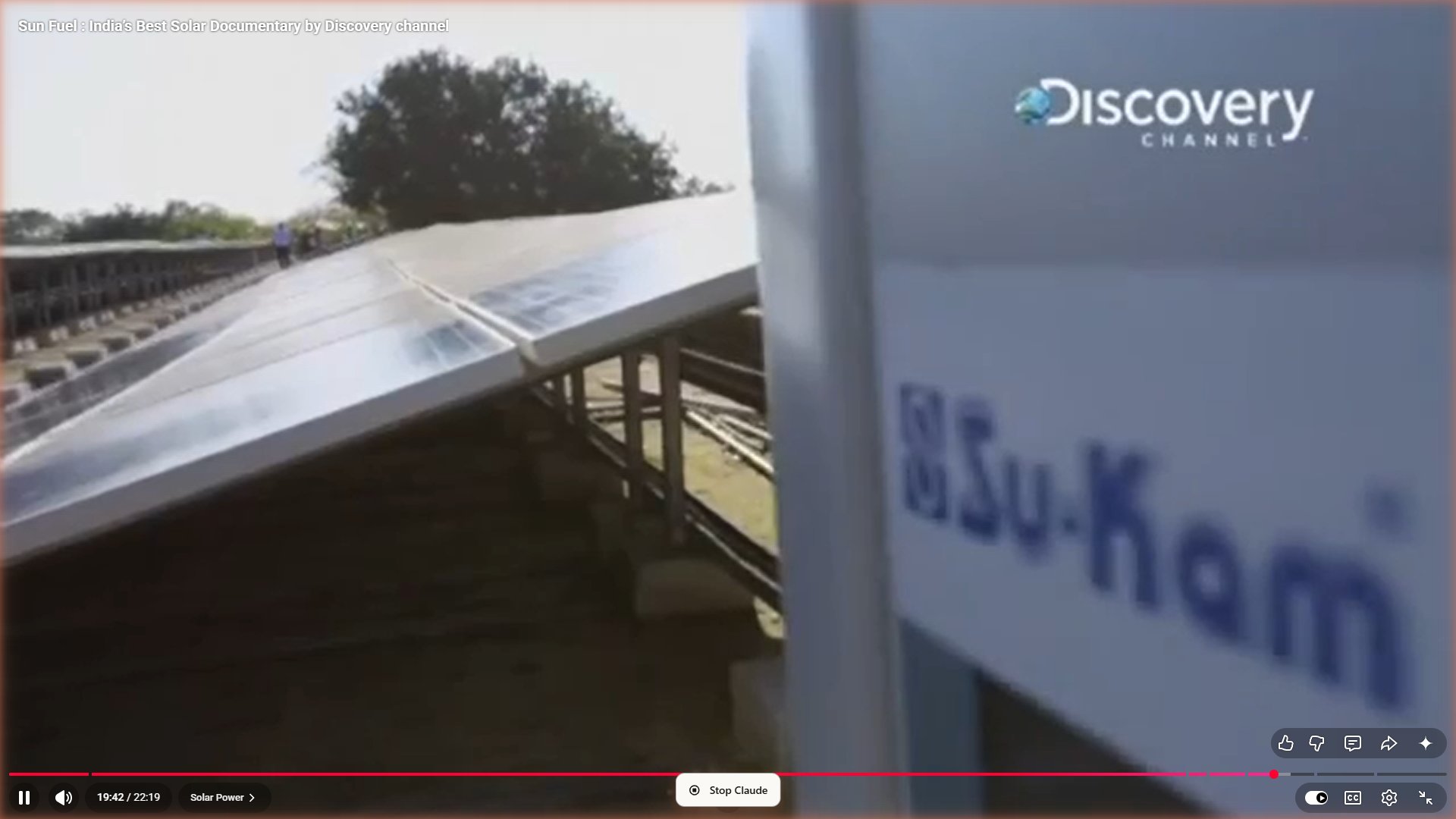
I am not claiming Su-Kam would have single-handedly held off Chinese inverter dominance. I already said that in the Hybrid GTI piece. I am claiming something narrower and harder: Make in India ran on paper in the same years an Indian technology company with 77 patents and a live export map was put through NCLT — and the brands that then took majority share in the home market were the Chinese names above.
Su-Kam 77 patents going inert is what the country should have seen. The rest of this essay is the factory story that made those patents possible, and the CIRP clock that treated them as scrap.
In 1988 I named a company. In 1998 I put ₹10,000 and a soldering iron into India’s first branded inverter business. By the time the banks were done, a running manufacturer that had employed about 5,000 people, shipped into 90 countries, and held 77 granted patents was in the National Company Law Tribunal — the NCLT, the court that hears insolvency cases. The Insolvency and Bankruptcy Code, 2016 — the IBC — is the law that put us there. The Corporate Insolvency Resolution Process — CIRP — is the 180-day takeover in which the founder is told to sit outside the room.
I have already written, in detail, what it feels like inside those 180 days, why Section 29A barred me from bidding for the company I had built, and what liquidation did to Su-Kam. This essay is the outer frame: thirty years of technology on the factory floor — then CIRP, dispersal, and the market that filled the hole.
An entrepreneur’s spirit is not bound to a corporate name. I stepped out of the house into the light. The rebuild is another essay. This one is the wreckage.
The Build: 1988–2017 (From ₹10,000 to Market Leadership)
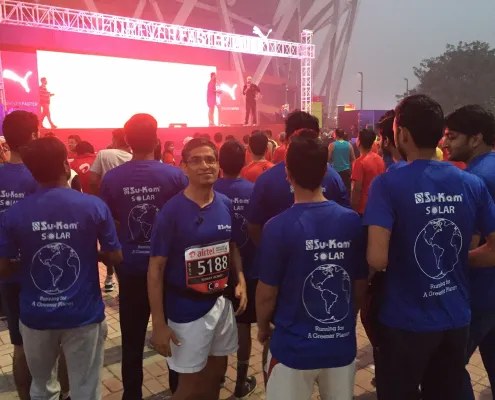
I did not start with a pitch deck. I started with a cycle and pens in Class 10, a Railway household in Delhi, and a name I had already chosen in college: Su-Kam. The ₹10,000 founding is not folklore I tell for colour. It is the only capital that was real.
The years that followed were not a straight line on a valuation chart. They were night shifts, dealer arguments, transformer vendors in Gurugram, casing shops, PCB houses, firmware on a 16-bit chip, ISO fights, export crates, and the slow work of teaching an Indian home that backup power could be a brand, not a grey-market box. I have told parts of that build elsewhere — hybrid solar DC in 2009, how 77 patents got filed. I will not retell the product history here. The point for this series is simpler.
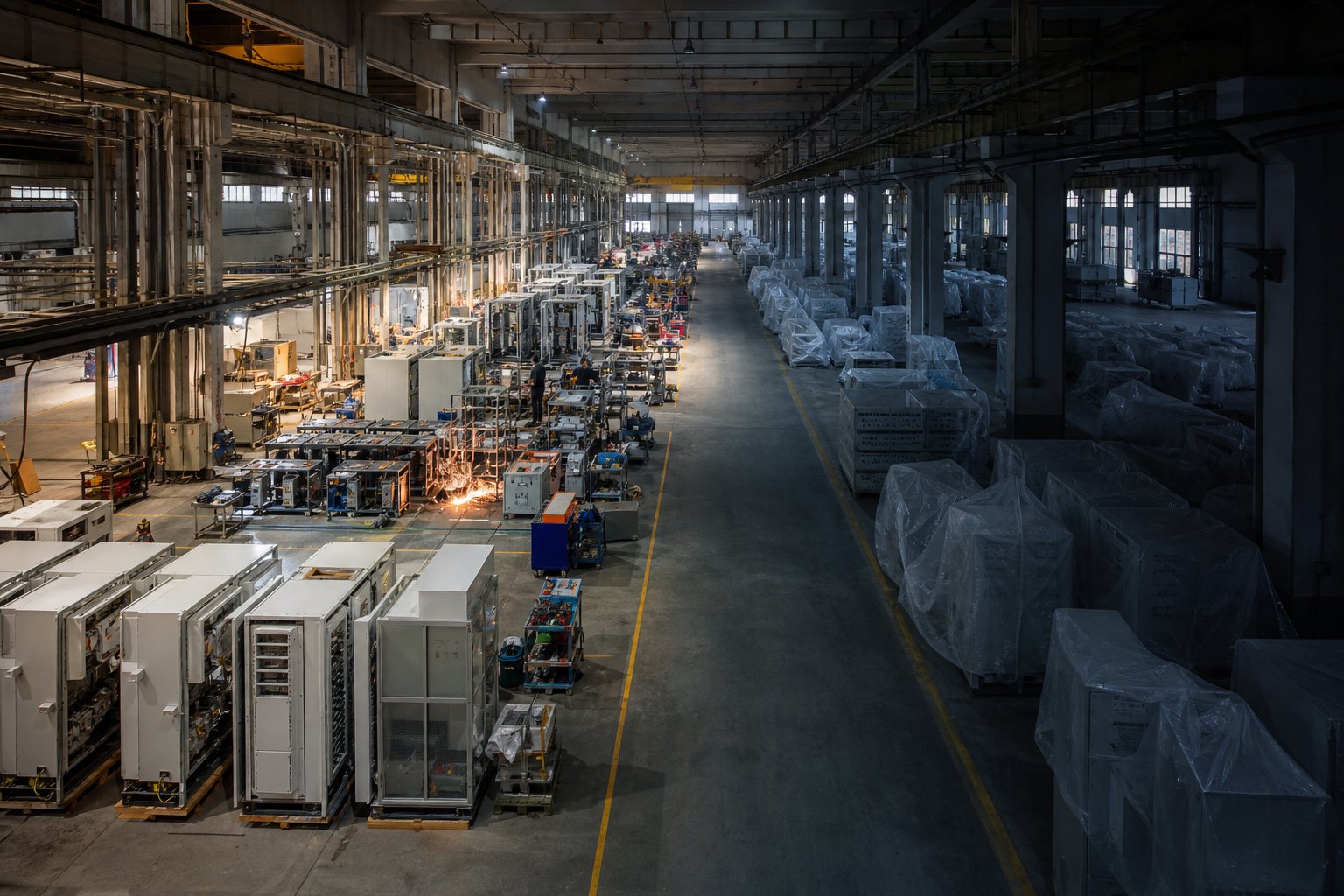
We were not a trading desk with a logo. We were a manufacturer. Plants ran. Salaries went out. Taxes went out. Dealers had something to sell. Technicians had something to service. A supplier who had tooled up for our volumes had a reason to keep his shed open.
On The Broken System I have already argued that IBC, banks, and bureaucracy chew through manufacturing founders. This essay does not re-litigate a company valuation. It is about the technology and the people: brand, plant, channel, Su-Kam 77 patents, export map — treated as a file.
Other numbers from the same life, published on this site:
- about 5,000 people employed at the organisation I built
- 90 countries in the export story
- 77 granted patents (I have also written 74 in an earlier CIRP essay; the later, tighter count I use is 77)
- a running company generating about ₹600 crore when the filing came
That is the build. Not a hockey-stick. A factory. Two hundred-plus products. A brand that, on the day of admission, still had market pull. I have written that until NCLT took the file, we were not a sick unit waiting for a funeral. We were a stressed manufacturer asking a bank for time.
If you need the origin story in one sitting — the cycle, the name, the soldering iron — it is already on this site. This series is not a second autobiography. It is the industrial-policy case that autobiography became.
Su-Kam IBC: The Collapse After Thirty Years
Here is the sequence I have already sworn to in public.
In 2017 Su-Kam was losing money because my life was on fire — I was going through a divorce. We went to the bankers for restructuring. Not a rupee of haircut. We asked for time. Lead banker IDBI sat on it for eight months. Then SBI, for one month of default, filed at NCLT against the wishes of other consortium banks. A running ₹600 crore manufacturer went in. Until admission, salaries, taxes, and factories were still current. We were stressed. We were not scrap.
That story lives, at length, in Inside the CIRP. I will not replay the Resolution Professional’s first morning, the missing handover, or the newspaper liquidation ad that repriced the brand overnight. If you need the room-by-room account, that essay is the record.
What belongs here is the mismatch between law-on-paper and factory-in-time.
The IBC’s CIRP is built as a short, court-supervised rescue: 180 days, extendable toward 330 days under the Code as administered by the Insolvency and Bankruptcy Board of India. The political promise was speed. Speed for a software company is a board deck. Speed for a manufacturer is whether the line still runs, whether the supplier still ships, whether the dealer still believes the warranty.
I have written that the NCLT process ran 2018–2019, and that when the company was finally sold in the COVID years it fetched ₹49.50 crore, of which banks recovered ₹8 crore, after ₹45 crore had already been spent running the CIRP. Those four figures sit together in my hybrid inverter essay. On The Broken System I also printed about ₹9 crore recovered — the same wreck, rounded. I will keep ₹8 crore as the tighter bank-recovery number and let you see both.
180 days is the window in which I, the builder, was told I had no role. It is not the date the last machine was sold. Confusing those two clocks is how policy people congratulate themselves for “resolution” while the ecosystem has already left the building.
I will say this as plainly as I can, because the Code’s defenders always reach for the stopwatch. CIRP is a legal calendar. A factory is a physical one. When you freeze a manufacturer, working capital does not pause politely. Suppliers stop trusting purchase orders. Dealers stop stocking. Engineers update their résumés. By the time a “resolution applicant” arrives — if one arrives who is even allowed to bid — you are often valuing a hollowed shell. That is why a process that costs ₹45 crore can “succeed” at selling the remainder for ₹49.50 crore. Success for whom?
“The RP comes and his first task is to inform the promoter that he has come and the promoter has no role to play now onwards. So from here the mismanagement and the destruction of the company start happening.”
— from my 2020 letter to the Prime Minister, as published in Inside the CIRP
If you want the doctrine the Committee of Creditors used while I watched from the corridor, I wrote that as Commercial Wisdom: The Myth I Watched From Outside the Room.
Section 29A: Why the Founder Was Barred
Section 29A of the IBC is the ineligibility list. It was sold as a filter for fraudsters, wilful defaulters, and related parties who would buy their own default cheap. In practice, for a manufacturing founder, it is the lock on the door of your own plant.
I was barred from bidding for Su-Kam. The full legal and human argument is not this post; it is Section 29A: The Law That Punishes the Builder. The one sentence that belongs in a series opener is this:
The person who knew the vendors, the firmware, the export complaints, and the night-shift culture was the one person the statute treated as contamination.
I did not need a second 3,000-word essay to say that. I needed a link, and I needed you to feel the empty chair.
Personal follow-on — guarantees, wilful-defaulter notices, the second war after the company is gone — is Personal Insolvency: The Last Straw and The Entrepreneur as Criminal. This series comes back to reform in Part 4. It will not pretend 29A is a footnote.
The Cost: Jobs, Suppliers, Dealers — and No Official Census
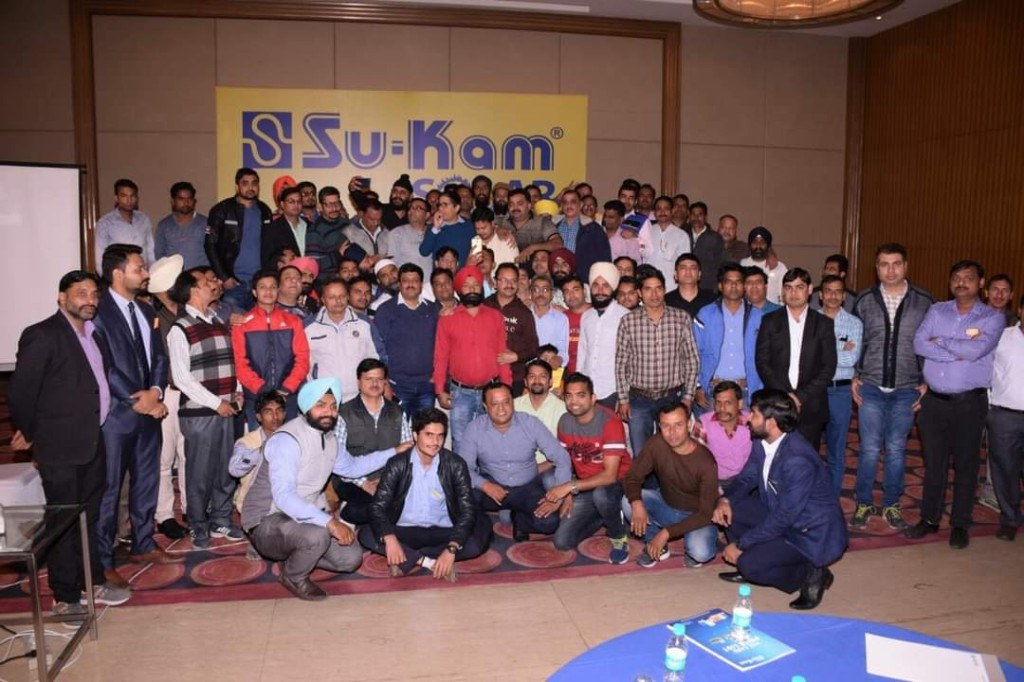
When a SaaS startup dies, the Slack goes quiet. When a manufacturer dies, a town loses a shift.
I have written that about 2,000 Su-Kam employees lost their jobs: EMIs, school fees, home loans. That is the number in the CIRP essay. The 5,000 is the organisation I built at scale. Both can be true — peak headcount versus the people I watched fall off the payroll in the wreck — and neither is in a government dashboard labelled “manufacturing capacity destroyed under IBC.”
The suppliers were not a PowerPoint ecosystem. They were transformer fabricators, casing manufacturers, PCB assembly houses, software engineers — the Gurugram and Baddi shed economy I described when I wrote about what the country lost after 2018. Some re-tooled for Chinese kits wearing Indian stickers. Some shut. Talent left for whoever was hiring, including the foreign subsidiaries that arrived to absorb it.
Dealers and service people lost a product line and a warranty they could stand behind. I will not invent a vendor census. I will say what I can defend: the channel was real, it was Indian, and nobody in Delhi added it up. The patents-and-China opening of this essay is the technology half of that same collapse.
The State publishes bank recovery percentages. It does not publish plants that never restarted, skilled workers who left manufacturing, dealer books that went to zero, or founders barred by 29A who never built a second factory. If it is not counted, it is not a crisis. It is a rounding error in a recovery table.
What the Sale and CIRP Cost Actually Mean
Do not confuse a distressed sale with a technology outcome. The patents did not become more Indian because a buyer wrote a cheque.
| What the number is | Figure published on this site | What it is not |
|---|---|---|
| Running manufacturer at filing | ₹600 crore generation | “Sick unit, zero order book” |
| Spent on the CIRP itself | ₹45 crore | Money that rebuilt the line or the R&D |
| COVID-period sale of the company | ₹49.50 crore | The 180-day CIRP clock |
| What banks recovered from that sale | ₹8 crore (also written ~₹9 crore) | Continuity of 77 patents as a national capability |
| Patents | 77 granted | Scrap metal |
| People | ~5,000 built; ~2,000 jobs I say were lost | A labour-ministry IBC census (there isn’t one) |
Read the middle of that table twice. The process cost ₹45 crore to administer a company that then sold for ₹49.50 crore so that banks could take ₹8 crore. That is not a technology rescue. That is a machine that ate the working concern — including Su-Kam 77 patents as a living programme — and invoiced the corpse.
I have watched people call this “creditor recovery.” Recovery of what? Not the factory. Not the channel. Not the IP. A residual after professional fees and delay. The IBBI will keep publishing system-wide CIRP statistics. Those tables will never show the Gurugram supplier who lost his largest customer.
This is why Part 2 of The Manufacturing Mirage looks at VC hardware that burned billions and jobs without even the dignity of a 30-year factory. Part 3 looks at names the courts already know — Videocon, Educomp, Hero Electric — where the calendar, not the product, is the weapon. Part 4 is the rebuild and the four reforms. I will not smuggle those essays into this one.
I Stepped Out of the House Into the Light
I exited Su-Kam in 2019. I am not the current management. Anyone dealing with that name deals with whoever holds it now. That is not a legal footnote. It is how I sleep.
What I refused to exit was manufacturing as a calling. My wife Khushboo built Su-vastika under my guidance — lithium, hybrid PCUs, UPS, storage. I built Kunwwer.ai because founders should see IBC risk before the first NCLT stamp, not after. The full comeback is Part 4.
If you are a policymaker, do not tell me the IBC “saved” this company. It saved a recovery percentage. It did not save the ecosystem.
If you are a founder, read the linked IBC Files before you sign the next personal guarantee. Start with Inside the CIRP and Section 29A. Then decide whether India is asking you to build a factory or to donate one.
Word count: 2,876 · Reading time: 15 minutes (200 words/minute)
Frequently Asked Questions: Su-Kam 77 patents
What are Su-Kam 77 patents in this essay?
The 77 granted patents in the going company when IBC/CIRP took Su-Kam. He treats them as national technology loss, not a list of circuit types. See also his 77-patents and national-wastage essays.
Did the 77 patents disappear from the register?
No. The patents did not vanish from a registry the day the Resolution Professional arrived. The wreckage is the programme and the people who could still ship them — R&D scattered, founder barred by 29A — not a creditor auction of IP as the story.
Did Chinese brands take India after 2018?
On this site he has written that Growatt, Sungrow, Solis, Huawei and Goodwe went from negligible presence in 2018 to majority share in 2024, with trade press linked from the Hybrid GTI essay. He does not invent Africa or Middle East percentage tables here.
Why was Kunwer Sachdev barred from bidding?
Section 29A of the IBC makes many promoters ineligible to bid. He argues it removed the person who could still commercialise the patents. Full argument: the Section 29A essay and The IBC Files.
What did the CIRP and sale cost?
He has published CIRP running cost ₹45 crore, a COVID-period sale of ₹49.50 crore, and about ₹8 crore recovered by banks. The essay’s centre is the 77 patents and the post-2018 market fill, not a company valuation.
What happened to the R&D team?
He has written that engineering talent dispersed — other Indian manufacturers, Chinese subsidiaries in Bangalore and Pune, or out of the industry. CIRP does not keep a specialised team intact.
Where is the rebuild?
Su-vastika and Kunwwer.ai — told in Part 4 of this series, not in this essay.
Founder, Su-Kam Power Systems (1988–2019) and Kunwwer.ai, and mentor at Su-vastika and several other companies — the “Inverter Man of India” and the “Solar Man of India.” Read his story →
Disclaimer: Kunwer Sachdev exited Su-Kam in 2019 and is not responsible for any activity of the company since. Anyone dealing with Su-Kam does so solely with its current management. Full disclaimer →