How Su-Kam Came to File 77 Patents in 14 Years
A first-hand Su-Kam patents story — and the woman who taught a factory to protect what it built.
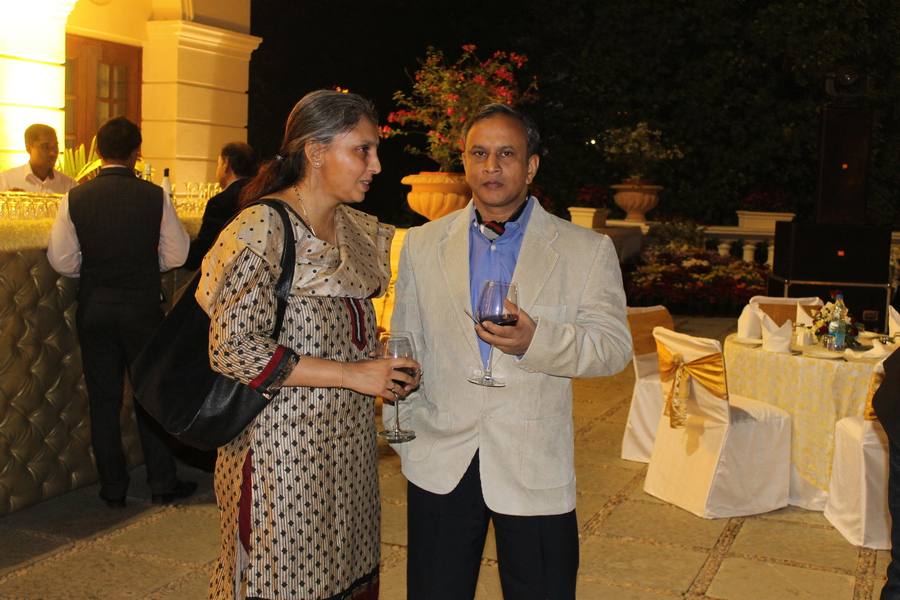
Dr. Shaleen Raizada with her husband
An evening that began a legacy
- EducationPh.D, Physics — NPL, New Delhi
- Early careerSenior Scientific Officer, TIFAC, Govt. of India
- FoundedSanshadow Consultants, 2004
- SpecialityPatents · IP Strategy · Technology Transfer
- Notable clientsSu-Kam, IIT Kanpur, IIT Roorkee, ONGC, Havells, Sun Pharma, Defence
- Her belief“Think beyond money. Focus on vision.”
I have met thousands of people in my life. Entrepreneurs, engineers, investors, politicians, professors. But some people you meet once — and they change the direction of your life so quietly, so completely, that you only realise it years later when you count what they left behind.
Dr. Shaleen Raizada is one of those people for me. The Su-Kam patents that followed — 77 filings over 14 years — exist because of that meeting.
I met her in 2002 at a conference. I had no idea who she was when I walked into that room. I had no idea that by the time I walked out, something in my brain had shifted permanently — something that would eventually result in 77 technology patents and make Su-Kam one of the most innovative companies in India’s power backup industry.
A Conference, a Conversation, and a Light That Went On
In 2002, Su-Kam was growing fast. We had the plastic-body inverter. We had engineers who were constantly tinkering, solving, fixing. We had what every Indian jugaad factory has — people who could fix anything with whatever was in front of them, in whatever way worked. But we had no idea that any of that could be protected. That it had a name. That it belonged to us in law.
Explore Lithium LFP energy storage and BMS technology at https://lithiuminverter.in and solar category innovations at https://solarmanofindia.com.
For founders seeking AI legal diagnostics and dispute risk assessment, explore Legal Shield on https://kunwwer.ai/.
I had heard the word “patent” before, of course. But patent felt like a foreign concept — something for big pharma companies or Silicon Valley startups. Not for an inverter manufacturer in Gurgaon who had fifty engineers on the floor doing what they did because they loved solving problems.
Then I heard Shaleen speak.
She had a PhD in Physics from the National Physical Laboratory. She had worked as a Senior Scientific Officer in the Patent Facilitating Cell of the Ministry of Science and Technology — the Government of India’s own IP intelligence unit. She had gone on to build IP departments at Samtel and Sun Pharma. She understood both sides: the science and the law. The technical and the legal.
Most people who talk about patents make your eyes glaze over in three minutes. Jargon. Complexity. Forms and timelines and legal disclaimers. Shaleen did the opposite. She made you feel something. She made you feel protective — of your own ideas, your own innovations, your own engineers’ brilliance.
She told me something that day that I never forgot: “Every jugaad that works is potentially a patent. The difference between an innovation and a giveaway is whether you file a piece of paper.”
I went back to Gurgaon a different man.
She Came to Our Factories Herself
I called her. I told her what we had — a factory full of people who were constantly solving problems, constantly improving things, constantly doing things no one had done before. I told her we had never protected a single idea. That our innovations were walking out of the door every time a competitor looked at our product and reverse-engineered it.
She didn’t just send a consultant. She came herself.
That is the thing about Shaleen that I cannot explain to someone who has not experienced it. She is not the kind of person who delegates the important things to someone junior. She showed up at our factory floor in Gurgaon. She walked around. She talked to our engineers — not in English boardroom language, but in their language. She asked them to show her what they were doing. She asked them how things worked.
And then she began to explain, to them, what a patent was. Not to me. To them. The men and women on the floor who had spent years solving problems with their hands and their instincts and had never once thought that what they were doing had any value beyond the next production cycle.
“She converted our jugaad into patents. She made our engineers understand that what they were doing with their hands and their minds was not just work — it was intellectual property. It belonged to them, and through them, to Su-Kam.”
Something changed on that factory floor after her visits. People started thinking differently about what they were building. When someone solved a problem in a new way, instead of moving on, they started documenting it. Discussing it. Asking: can this be a patent? A culture was born. A culture of protecting what we created.
77 Patents — and a Name on Every One
What followed over the next several years was something I am deeply proud of. Su-Kam built a patent portfolio of 77 technology patents — in India, the United States, and other countries. It made us the most patent-active company in India’s power backup industry. India Today recognised our plastic-body inverter as the Innovation of the Decade. C.K. Prahalad, the legendary management thinker, held up Su-Kam as a great example of Indian innovation at a seminar organised by the Ahmedabad Management Association.
Many of those patents had names on them — the names of our engineers. Real people. People on the factory floor who had been tinkering and solving and creating for years, never imagining that their work would be legally recognised as innovation. That their names would appear on documents filed with patent offices in India and America.
These names — and many others — appear on Su-Kam’s 77 patents. Before Shaleen came to our factory, they were inventors who did not know they were inventors. She gave them that identity. She gave them that pride.
“I never filed a single patent in my own name. Not one. Every patent at Su-Kam carries the name of the engineer who created it. My job was to build the company. Their job was to build the ideas. Those ideas belonged to them.”
That is a choice very few founders make. In most companies, the founder’s name is everywhere — on the patents, on the press releases, on the awards. I made a different choice. Because I believed then, and I believe now, that the person who has the idea should own the idea. I was the man who created the environment. They were the ones who created the inventions.
That philosophy came from somewhere. It came, in part, from Shaleen. Because she was the one who made me understand what a patent really means — not as a business asset, not as a company trophy, but as a recognition of a human being’s creative act. When you understand it that way, putting your own name on someone else’s work becomes unthinkable.
That happened because of Shaleen. Because she walked into our factory and said: the thing you just did — that matters. Let’s protect it. And then she made sure the person who did it got their name on the document.
Years later, under IBC insolvency, that same portfolio was wiped from enforceable status — granted patents ceased, pending filings abandoned. The full account is here: National Wastage: How 77 Su-Kam Patents Were Lost in Insolvency.
What the 77 Su-Kam patents actually covered
The portfolio was not a trophy wall. It was a map of the factory. After Shaleen walked the floor, we started writing down the same work the market already knew us for: inverter design (the non-conductive plastic-body enclosure India Today later named Innovation of the Decade), battery charging (the six-stage charging that stretched battery life), UPS and smart-battery behaviour, and later grid-feed hybrid inverters that could talk to the grid instead of only sitting behind it. The inverter vs generator fight at 10 kVA sat in that same stack — capacity, silence, and a product you could file on, instead of a diesel habit you could only advertise.
The incentive was not a cash bonus for filing. It was a name. I never put my own name on a Su-Kam patent. The engineer who solved the problem went on the document. That is how you structure R&D when you are not an engineer yourself: you build the room, you pay for the filings, and you refuse to steal the credit. Once people saw their names on papers headed for India and the United States, they stopped treating a clever fix as a one-shift trick. They documented it. That documentation became the moat. Competitors could still copy a cabinet they saw in a shop. They could not copy, at the same speed, a culture that filed first. For a few years we were the most patent-active company in India’s power backup industry. That first-mover paper trail is also why I still write about it — including in my Times of India columns.
A Woman Who Is Not Interested in Money — Only in Work
I lost touch with Shaleen over the years. Life moves fast. Companies grow, get acquired, face crises, rebuild. But I never forgot her — and I never forgot what she stood for.
She is the kind of person who, as Business Today once wrote about her, believes in “thinking beyond money.” She built Sanshadow not to become rich but to fill a gap that was costing Indian innovation dearly — the gap between what scientists and engineers could create and what they could protect. She hired women researchers — PhDs, post-graduates in science — because she believed, as she told Business Today, that “women make better researchers.” She built a team of 35 people, worked with IITs, JNU, ONGC, Havells, Defence, and yes — Su-Kam.
She charged reasonable fees. She came to your factory. She made your people understand. She cared more about the work than the invoice.
In a world full of consultants who will sell you a framework and fly back to their offices, she was the real thing. An encyclopaedia of IP. A scientist who became a businesswoman because she believed in something.
This Blog Is for You, Shaleen
I have written about many things on this website — about inverters, about solar energy, about building Su-Kam, about the bankruptcy, about rebuilding. But there are people in the story of Su-Kam who deserve to be named. Who deserve to be seen.
Shaleen Raizada is one of them.
She is not a co-founder. She is not on any masthead. She did not work for Su-Kam as an employee. But without her, those 77 patents would not exist. Without her, the engineers on our factory floor would never have known that what they were doing with their hands had a name and a legal identity and a value that could be protected.
She taught me that jugaad is not inferior to innovation. It is innovation — raw, unpolished, Indian, real. The only difference is whether someone helps you understand what you have.
Shaleen helped me understand what we had.
If you are reading this and you run a company — any company — that does anything creative, I want you to find your Shaleen Raizada. Find someone who understands both the science and the law. Someone who will come to your factory floor, not just your boardroom. Someone who is more interested in your innovation than your invoice.
And if you ever get the chance to meet Dr. Shaleen Raizada herself, take it. You will walk away different.
I did. Twenty-four years ago. And the proof is 77 patents.
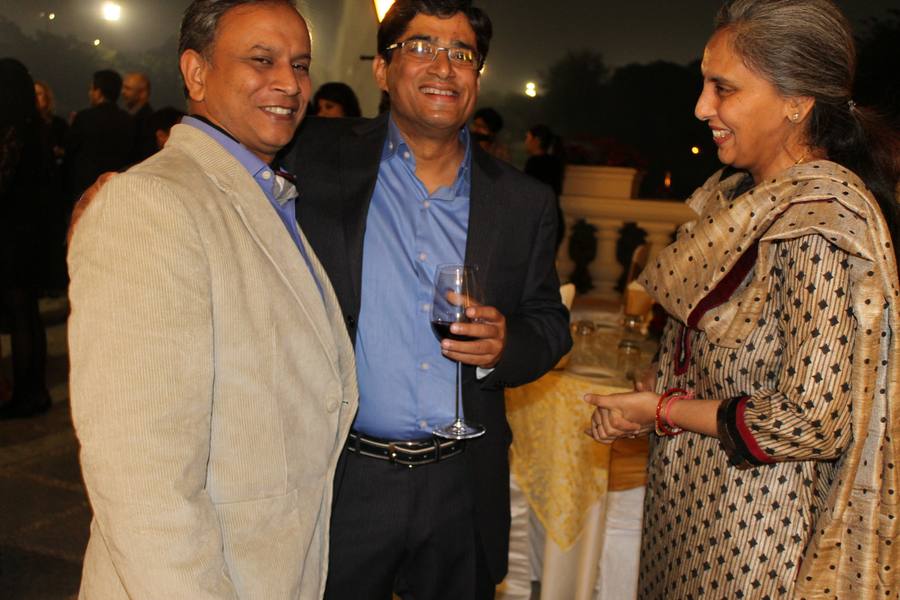
Photographs from an evening that began something extraordinary
Read the Full Su-Kam Story
How Su-Kam Came to File 77 Patents → National Wastage: How 77 Su-Kam Patents Went to Zero → Plastic Inverter, Fairy Queen & Innovation of the Decade → Before Inverters: The Untold Cable TV Origin of Su-Kam → Building the Empire: 6 Factories, Reliance & Temasek → My Full Story → kunwersachdev.com →Frequently Asked Questions
Why did Su-Kam focus on patents?
Because our innovations were walking out the door. In 2002 Su-Kam already had the plastic-body inverter and a factory of engineers solving problems in jugaad. Competitors could reverse-engineer a product they saw in a shop. Dr. Shaleen Raizada put it plainly: every jugaad that works is potentially a patent, and the difference between an innovation and a giveaway is whether you file a piece of paper. We focused on patents to keep what the floor had already invented.
What does 77 patents in 14 years actually mean?
It means Su-Kam became the most patent-active company in India’s power backup industry — 77 technology filings in India, the United States, and other countries, with engineers’ names on the documents, not the founder’s. Fourteen years of that rhythm is a culture, not a one-off application. India Today named the plastic-body inverter Innovation of the Decade; C.K. Prahalad held Su-Kam up as Indian innovation. The count is the proof of the meeting with Shaleen in 2002.
How did those patents translate into market leadership?
Filing first created a paper trail competitors could not match at the same speed. The same stack that went to the patent office is what the market bought: plastic-body design, six-stage battery charging, UPS and smart-battery behaviour, grid-feed hybrid inverters, and the 10 kVA inverter that took on diesel generators. Leadership was not a slogan. It was a first-mover file plus a product you could ship.
How was Su-Kam’s innovation culture actually built?
Shaleen came to the Gurgaon factory herself. She spoke to engineers on the floor, not only in the boardroom, and asked whether a new fix could be a patent. After that, people documented instead of moving on. The R&D incentive was recognition: I never filed a Su-Kam patent in my own name. The inventor went on the paper. That is how a non-engineer founder structures innovation — build the room, pay for the filings, refuse to steal the credit.
What impact did this have on India’s inverter industry?
It showed that Indian inverter jugaad could be written down, named, and protected — not only copied. For a stretch Su-Kam set the filing pace in power backup. Years later, under IBC insolvency, that same 77-patent portfolio was wiped from enforceable status. The full record is here: National Wastage: How 77 Su-Kam Patents Were Lost in Insolvency.
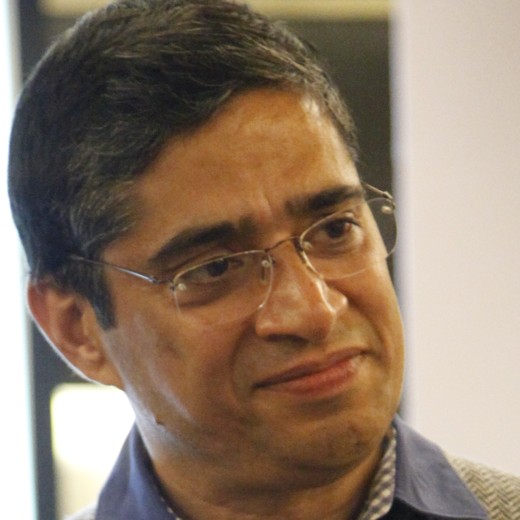
Kunwer Sachdev
Founder of Su-Kam and Kunwwer.ai, and mentor at Su-vastika and several other companies — the “Inverter Man & Solar Man of India.” Read his story →
Those 77 patents filed at Su-Kam are the first bucket of a larger, still-growing record — 106 technology filings in total.
Kunwer Sachdev
Founder, Su-Kam Power Systems (1988–2019) and Kunwwer.ai, mentor at Su-vastika — the “Inverter Man of India” and the “Solar Man of India.” Read his story →