What Really Happens to a Manufacturing Brand Under NCLT? The Untold Inside Story of Su-Kam
A first-person, empirical analysis of how theoretical IBC “resolution” turns into enterprise value destruction, asset scrap sales, and the death of Indian manufacturing IP.
Historical disclosure: Kunwer Sachdev ceased all association with Su-Kam Power Systems Ltd. in April 2018. References to Su-Kam’s CIRP, liquidation arc, and brand history are archival — not a current affiliation.
When the Insolvency and Bankruptcy Code (IBC) was enacted in 2016, it was heralded as India’s modern economic savior—a definitive mechanism designed to liberate stuck bank capital, maximize the value of distressed assets, and balance the scales between debtor and creditor. On paper, it was textbook corporate rehabilitation. The statutory text and regulations remain published by the Insolvency and Bankruptcy Board of India (IBBI).
In the real world of manufacturing, the reality is starkly different — a gap I map across The IBC Files and in Startup India vs IBC.
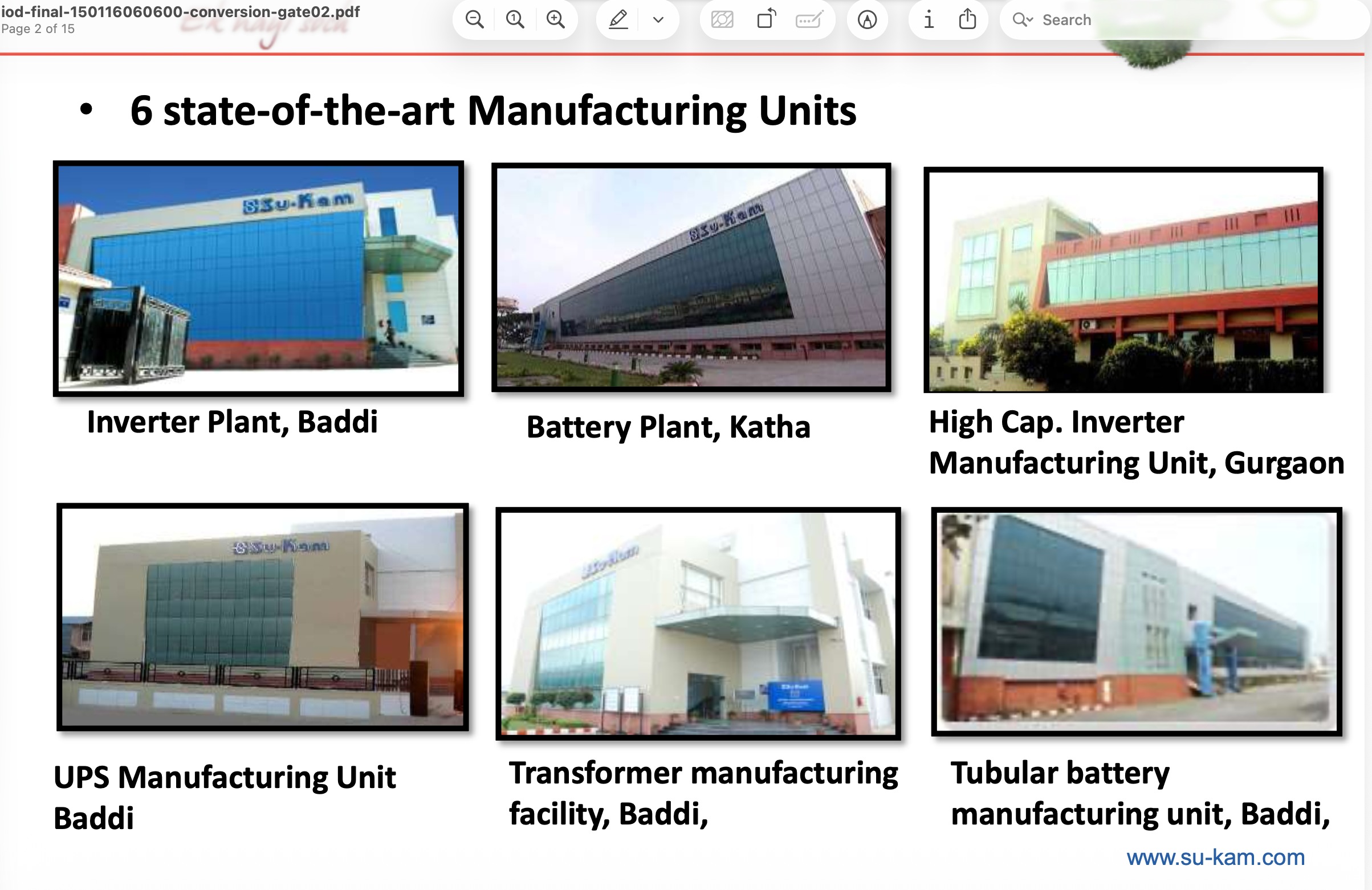
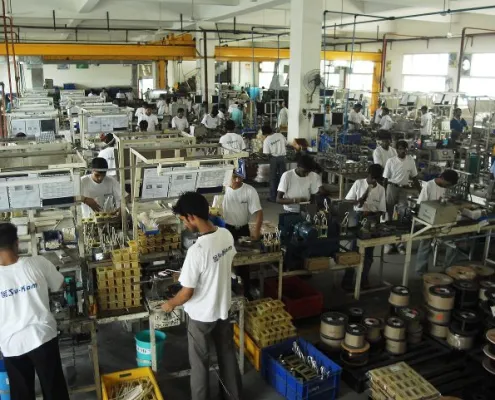
When Su-Kam entered the Corporate Insolvency Resolution Process (CIRP) under the National Company Law Tribunal (NCLT), I watched a first-generation enterprise that took 30 years to build unravel in months. We weren’t a paper company or an overleveraged EPC shell. Su-Kam had built six world-class manufacturing plants, held 77 approved patents, exported advanced solar and power electronics across 70+ nations, and commanded over ₹600 crore in peak annual revenues.
What follows is not a grievance. It is a forensic breakdown of how the IBC apparatus actually functions when it encounters a living, breathing manufacturing ecosystem—and why the current framework systematically converts going-concern industrial value into dead scrap. For the full multi-decade timeline, see my Su-Kam 30-year liquidation case study.
1. The Onset & The Illusion of “Going Concern”
The day an application is admitted under Section 7 or Section 9, a profound legal fiction takes effect. The law declares that the company will continue to operate as a “going concern” under the custody of an Interim Resolution Professional (IRP). I documented that fiction from the founder’s side of the glass in Inside the CIRP: 180 Days of Helplessness.
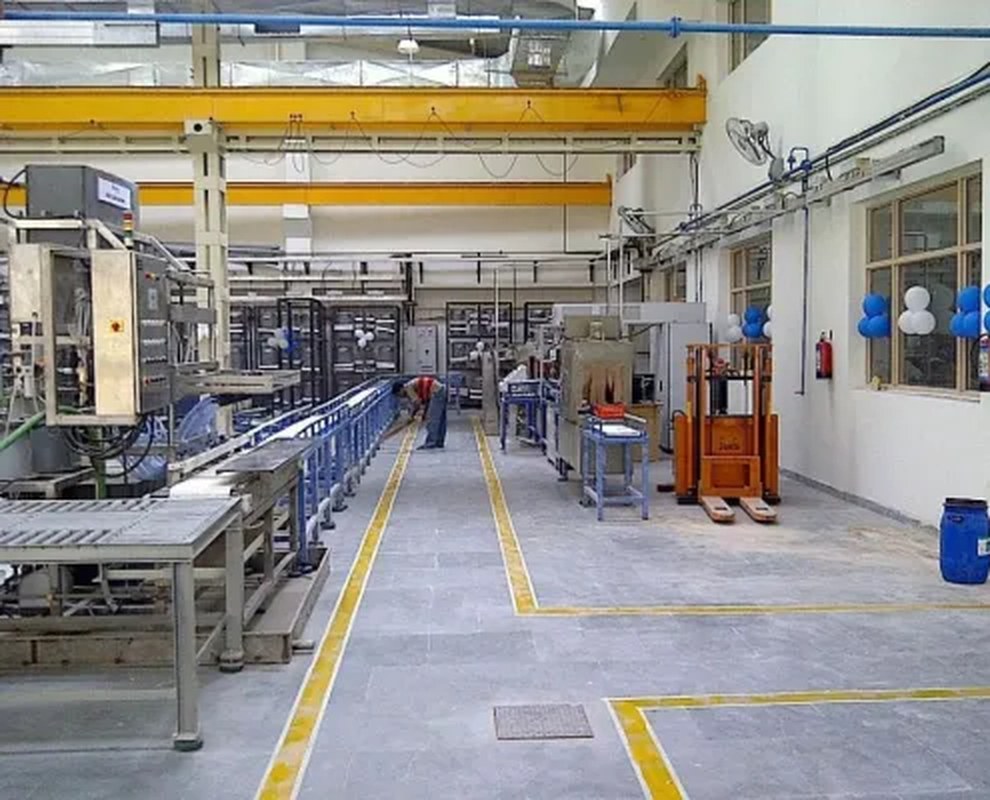
Here is what actually happens on the shop floor within 48 hours of CIRP admission:
- Working Capital Freezes Instantly: Banks enforce the Section 14 moratorium against you, but they also immediately choke operational non-fund and fund-based lines. An IRP does not infuse capital; they can only spend incoming operational cash flows.
- Supply Chains Disintegrate: Raw material suppliers—from microcontroller distributors to copper coil winders—operate on credit terms built on personal trust and commercial relationships. The moment they receive an NCLT public notice, they stop dispatches. Cash-on-delivery (COD) becomes non-negotiable.
- The Talent Drain: The finest R&D engineers, firmware developers, and sales managers do not wait around to see how a Committee of Creditors (CoC) will vote. Competitors pick them off within weeks.
Statute
180 Days (+90 Day Extension) to complete resolution under the IBC framework.
Reality
Extended litigation, repeated valuation objections, and procedural delays stretch CIRP well past 500+ days, during which plants lie idle and machinery rusts — see also The Day Su-Kam Died.
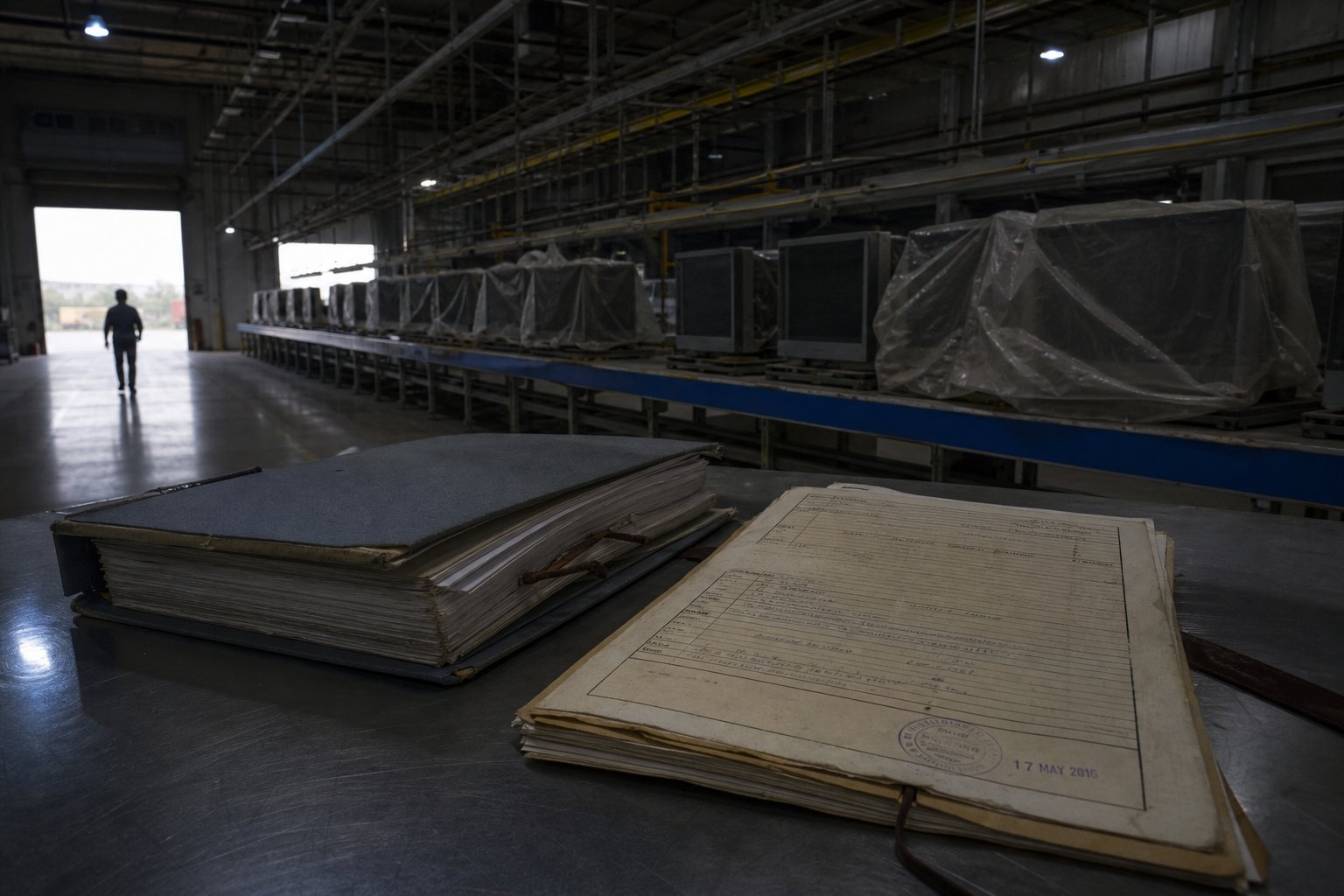
The IBC treats a manufacturing plant like a pile of static assets: brick, mortar, transformer coils, and injection molding dies. But a manufacturing firm is an organism. When you sever its working capital and operational leadership, it does not hibernate. It dies.
2. The Blanket Trap of Section 29A
Section 29A was introduced as an emergency ordinance in late 2017 to stop “errant promoters” and “wilful defaulters” from buying back their own stripped assets at a discount. It was a well-intentioned political reflex. In execution, it became a sledgehammer that broke the back of Indian MSME manufacturing.
Section 29A failed to make a fundamental distinction: economic distress caused by market cycles versus intentional siphoning or wilful default.
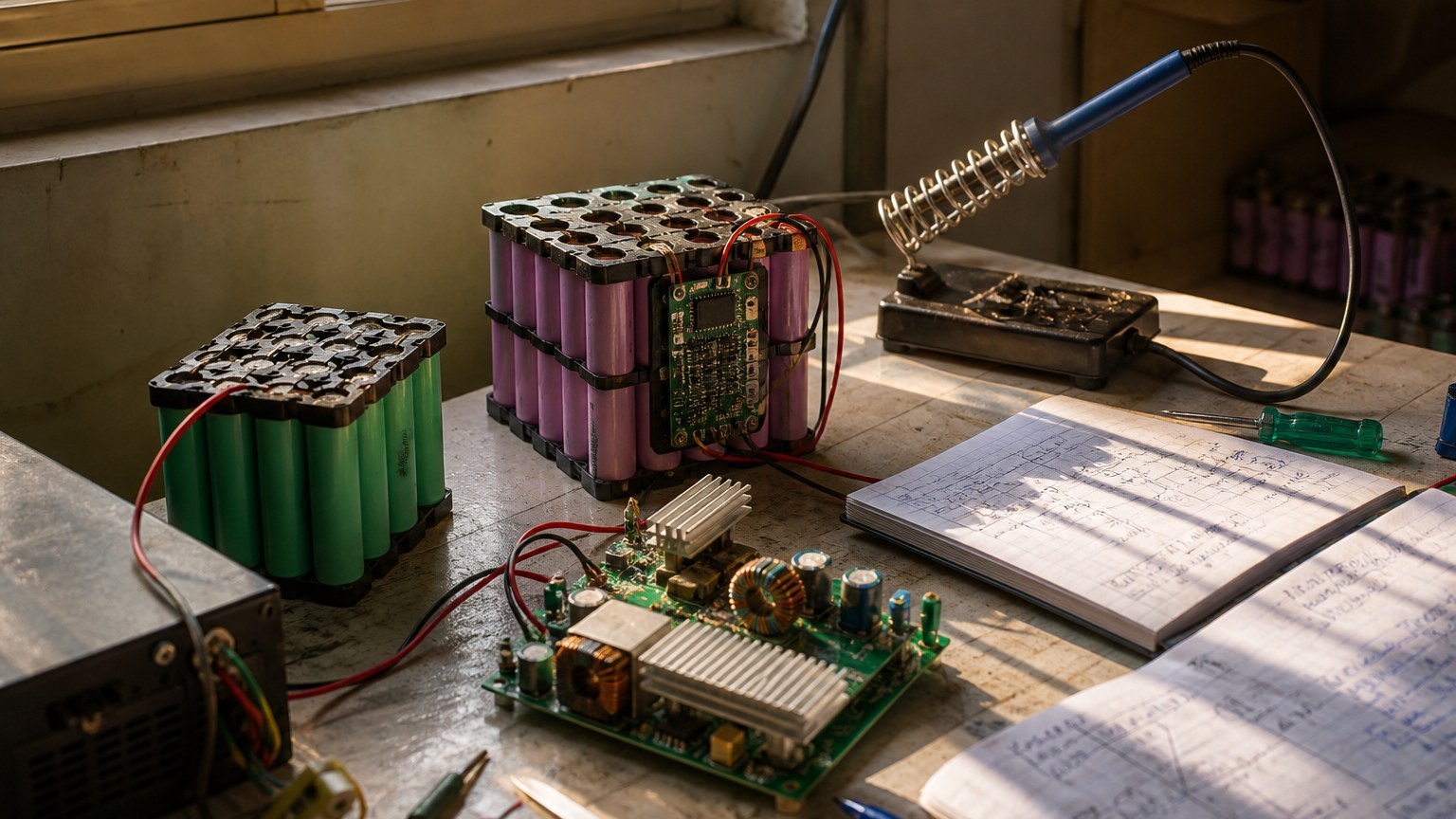
In the hardware and clean-tech space, manufacturing founders are rarely interchangeable financial managers. We designed the inverter topologies. We filed the patents. We understood the firmware algorithms that handled erratic Indian grid voltages.
When Section 29A placed a blanket disqualification on promoters from bidding:
- Third-Party Bidders Had No Technological Context: Strategic buyers who had never designed an inverter evaluated the company strictly on historical EBITDA multiples rather than the market value of the IP, service network, and dealer trust.
- Revival Capital Was Paralyzed: Even when external investors and financial institutions offered structured settlement proposals—including proposals supported by bank term sheets exceeding ₹250 crore—the procedural rigidity of the CoC and the fear of Section 29A taint led lenders to reject or stall viable exits under Section 12A.
- The Loss of Technical Guardianship: Without the founding engineering team at the helm, prospective resolution applicants realized they were bidding on empty factory shells without the core human intelligence required to run them. The result? Prospective bidders walked away, driving the asset straight into liquidation.
3. The Death of Intangibles: How IP Becomes Scrap
In modern hardware, real enterprise value does not lie in the steel tables on the shop floor. It resides in intangible assets:
- Embedded firmware source code
- Automated testing jigs and calibration algorithms
- Registered global patents and pending industrial designs — see how Su-Kam came to file 77 patents
- A pan-India dealer-distributor-service network built over three decades
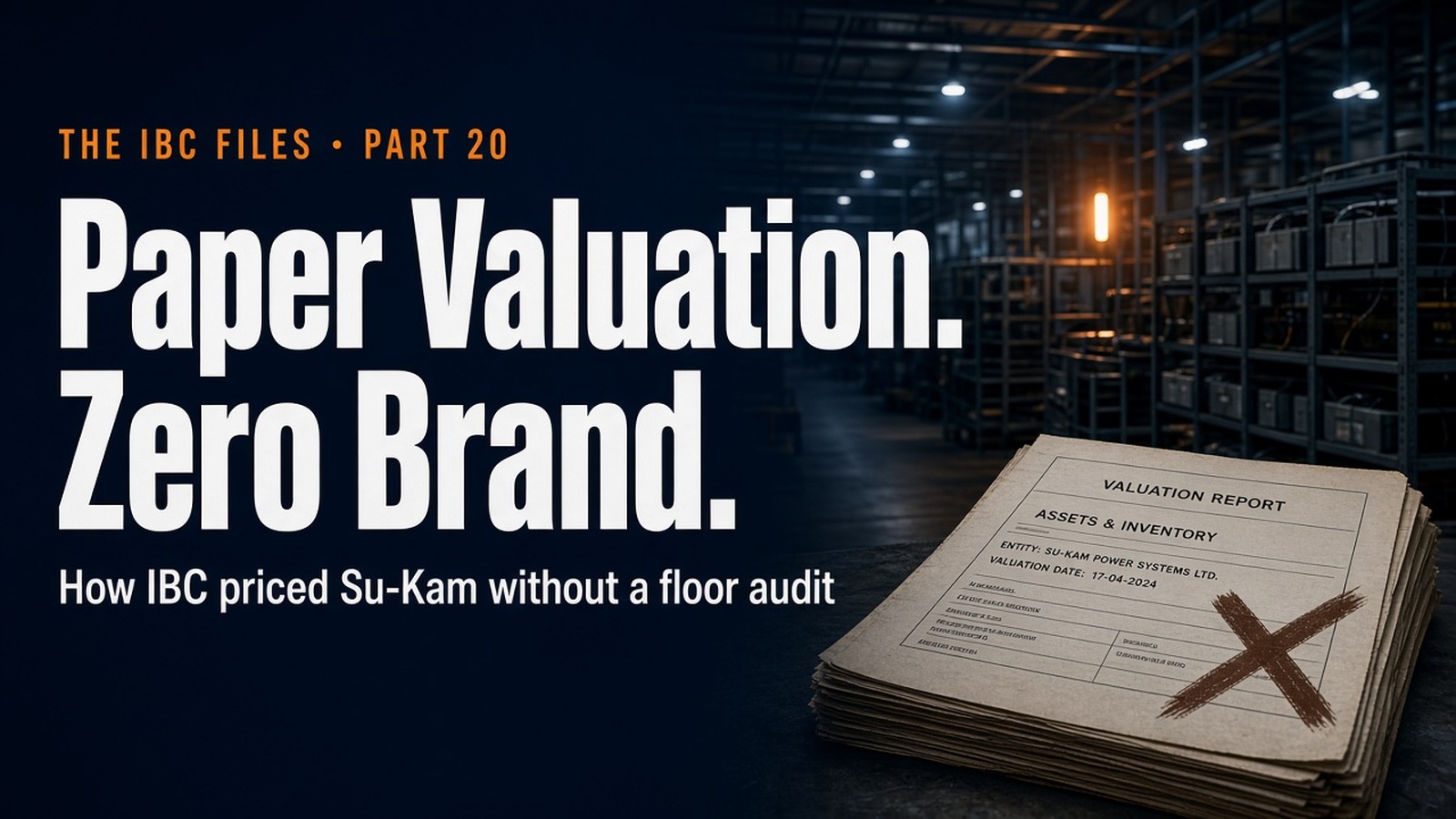
When the liquidation process takes over under Section 33, forensic and government-approved valuers walk into the facilities. Almost none of these traditional valuation methodologies know how to price proprietary circuit topologies or active firmware repositories. I broke that mismatch down in Paper Valuation, Zero Brand.
They measure the weight of the copper. They count the CNC machines. They value the land at municipal circle rates.
- Stage 1 — Multi-decade Brand & IP Value
Peak: ₹600+ Cr revenue, global footprint - ↓ Adjudicated by CIRP & operational stoppage
- Stage 2 — Enterprise Going Concern Valuation
Steep discount applied by distressed bidders — see also fair vs liquidation value - ↓ Section 29A disqualifications & failed CIRP
- Stage 3 — Physical Asset Liquidation
Plant, machinery, real estate - ↓ Final outcome
- Stage 4 — Scrap Valuation
Sold piecemeal at distressed auction reserve prices
Patents that took decades to conceptualize, defend, and operationalize are bundled together as miscellaneous line items in e-auction notices. The state loses an active indigenous technology developer, and the banking system recovers pennies on the rupee.
Interactive · Value Destruction Modeler
इंटरैक्टिव · मूल्य विनाश मॉडलर
Open fullscreen / पूरा स्क्रीन: IBC Value Destruction Modeler. Defaults mirror the Su-Kam empirical baseline · डिफ़ॉल्ट Su-Kam अनुभवजन्य बेसलाइन।
4. The Unspoken Casualties: The MSME Ecosystem
The popular narrative around IBC focuses almost entirely on the haircut taken by public sector and private banks (the Financial Creditors). What rarely makes the front pages of business papers is the total decimation of the Operational Creditors (OCs) — the subject of Pillar #4: Silent Bloodbath.
Under the Section 53 waterfall mechanism, operational creditors—the MSME vendors who supplied transformers, injection-molded plastics, sheet metal enclosures, packaging boxes, and local logistics—sit at the bottom of the recovery chain, just above equity shareholders.
When a large manufacturing corporate debtor fails:
- Secured financial lenders negotiate their 70% to 90% haircuts behind closed CoC doors — the mythology of which I challenged in Commercial Wisdom: The Myth.
- Small MSME vendors routinely receive zero percent recovery.
- Hundreds of ancillary suppliers who were economically reliant on the parent manufacturer face their own working capital crises, forcing many to shut down and lay off workers.
Resolution professionals and legal advisors walk away with guaranteed monthly administrative fees mandated as CIRP costs. Meanwhile, the actual component makers who fueled the factory floor absorb a 100% loss. This is an outcome that directly undermines domestic manufacturing self-reliance.
5. Tactical Principles for Founders Facing CIRP
For any founder, promoter, or corporate board staring down an NCLT admission petition, here are the hard, unvarnished rules I learned on the front lines:
1. Settle Before the Moratorium Drops
Once an application is admitted under Section 7 or Section 9, your leverage drops to near zero. A Section 12A withdrawal requires a 90% voting share of the Committee of Creditors. Achieving consensus among a fractured consortium of 10–15 institutions whose internal committee delegates fear CBI, CAG, or CVC scrutiny is nearly impossible. Exhaust every restructuring, refinancing, and settlement avenue before formal admission occurs. Read this against the debt-trap dynamics in IBC: A Debt Trap for Entrepreneurs.
2. Document Pre-Existing Disputes Diligently
If you are dealing with operational creditors threatening Section 9, know that the Supreme Court’s mandate under Mobilox Innovations Pvt. Ltd. v. Kirusa Software Pvt. Ltd. is absolute: an operational claim cannot be admitted if there is a genuine, pre-existing dispute. Maintain clear, written, contemporaneous records of quality failures, delivery delays, and contract non-compliance. A casual verbal dispute will not protect your firm in the NCLT.
3. Protect and Isolate Intellectual Property Early
Do not wait for insolvency to realize that your patents, trademarks, and source code are tied directly to an operating company carrying high-risk working capital debt. Global manufacturing giants isolate core IP, software architecture, and real estate in separate holding vehicles, licensing them to operational entities. If you house your life’s work in the same balance sheet that signs bank guarantees, you risk losing both when a cyclical downturn hits — the exact destruction path in Paper Valuation, Zero Brand.
4. Do Not Expect the CoC to Act as a Business Builder
The Committee of Creditors is guided by risk mitigation, internal provisioning metrics, and regulatory audit compliance—not long-term enterprise growth. Do not expect bankers to evaluate your business like venture partners or industrial turn-around specialists. Their mandate under the law is recovery and collateral extraction, not technology preservation. For how “commercial wisdom” feels from outside the room, see this essay.
The Road Forward
The IBC remains an important legislative experiment, but its current execution treats capital preservation as solely financial, ignoring the industrial intelligence and domestic technical capabilities embedded within a company. Policymakers and the IBBI still have room to amend practice so honest manufacturers are not processed like scrap certificates.
Until policy-makers amend the Code to allow viable, honest manufacturing promoters to participate in transparent, court-monitored restructuring—and until the law protects intangible technological assets from the scrapyard—the NCLT will continue to be a destination where living manufacturing enterprises go to die, rather than a hospital where they recover. Track the amendment politics in IBC Amendments: Who Do They Serve?
— Kunwer Sachdev
Founder, Su-Kam Power Systems (1988–2018) · Founder, Kunwwer.ai
Further reading in The IBC Files
- The IBC Files — Series Hub
- The 90% Hostage Crisis (Section 12A)
- The Section 29A Paradox: Founders, Patents & Scrap
- Section 29A: The Law That Punishes the Builder
- Paper Valuation, Zero Brand
- Pillar #4 — Silent Bloodbath (Operational Creditors)
- Pillar #5 — CIRP Cost Parasite
- Su-Kam: 30-Year Liquidation Case Study
- Inside the CIRP: 180 Days of Helplessness
- The Day Su-Kam Died
- How Su-Kam Came to File 77 Patents
- Rebirth After Ruin (हिंदी)
Found this story worth sharing? Post it to your network — it takes one click: