Statutory Reform Paper: This document contains legislative drafting recommendations and regulatory proposals. For the 19-part empirical case record that informs these recommendations, see The IBC Files. Combined edition: Part I (industrial stress framework) and Part II (asset preservation / CIRP IP reforms).
Industrial Stress Is Not Insolvency: Why Indian Manufacturing Needs a Separate IBC Chapter
Make in India and PLI promise factories. The IBC’s ₹1 crore Section 9 trigger, the RBI’s 90-day NPA clock, and unpaid sovereign receivables destroy them — and CIRP then scrapes patents and plants for pennies. This combined brief argues for a dedicated industrial-stress chapter and the asset-preservation reforms that must sit inside it.
I. The Factory Is Not a Spreadsheet
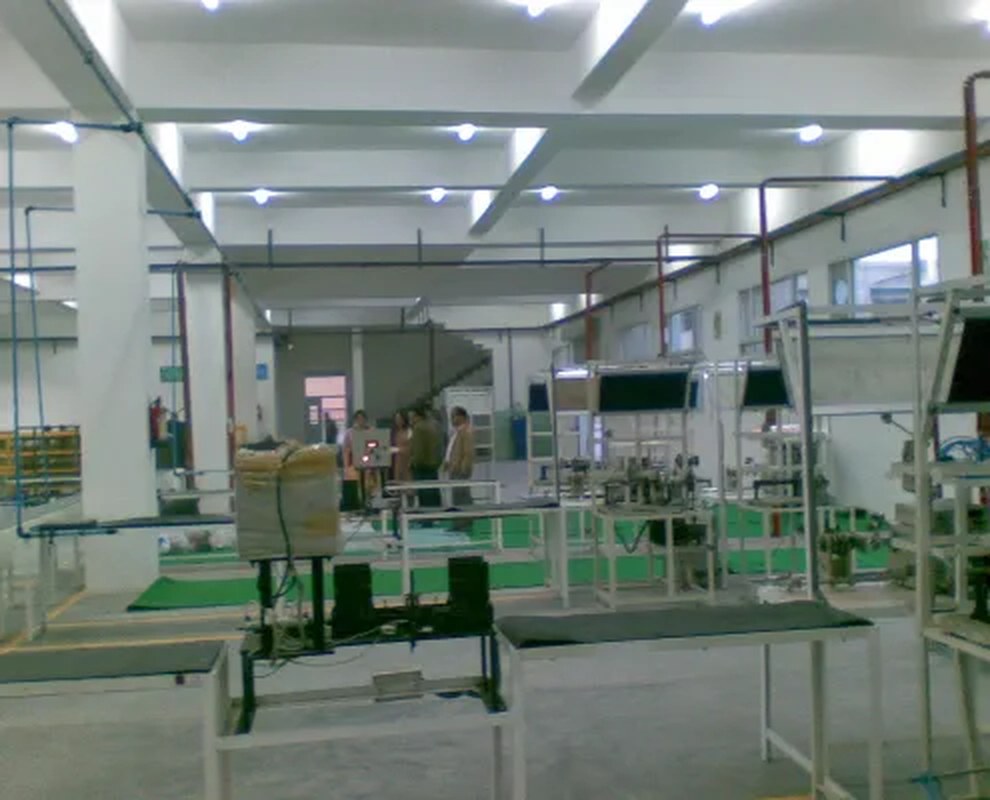
Indian economic policy currently operates under a glaring contradiction. On one hand, policymakers pitch India as the next global manufacturing powerhouse, backing the ambition with Production Linked Incentives (PLI) and “Make in India” campaigns. On the other hand, the legal framework governing industrial stress — the Insolvency and Bankruptcy Code (IBC) — treats a capital-heavy manufacturing enterprise with specialised workers, heavy tooling, and active R&D laboratories exactly like an asset-light trading firm or a software shop.
A software firm’s working capital sits in payroll; if revenue dips, it sheds headcount and retains its code. A manufacturer’s capital is sunk into physical inventory, specialised dies, long-lead assembly lines, and extended supply chains — from raw-material procurement through conversion, quality certification, selling, and marketing. When liquidity freezes, a factory cannot simply pause operations without destroying plant calibrations, vendor credit ratings, and customer warranties.
Manufacturing companies come under stress fast precisely because so many processes and so much complication are stacked in sequence. Market conditions — or enterprise continuity risks, key-person dependencies, and governance friction typical in founder-led Indian manufacturing — can deliver a small shock that a healthy plant can wither under over a season. By treating structural cash-flow timing gaps as terminal insolvency, India’s current corporate insolvency resolution process (CIRP) does not resolve industrial stress — it manufactures industrial scrap.
II. The Three Squeezes
The path from an operational manufacturing floor to NCLT liquidation is driven by three interlocking structural traps.
1. The Sovereign Receivable Trap and the 90-Day Cliff
The most severe threat to an Indian manufacturer is often not market competition; it is doing business with public sector undertakings (PSUs), state electricity distribution companies (discoms), and government procurement bodies.
When a factory delivers solar hybrid systems, power backup, or grid infrastructure on a state contract, receivable realisation routinely stretches from 180 to 360 days. Yet Indian commercial law offers the manufacturer no practical recourse: manufacturers cannot realistically drag a government department into NCLT under Section 9, nor can they afford to alienate their largest institutional buyer through protracted litigation. The state takes zero penalty for crippling a vendor’s working capital.
The Reserve Bank of India’s rigid 90-day non-performing asset (NPA) clock ticks without regard to whether a debtor owes the government or the government owes the debtor. Before that cliff, the Special Mention Account (SMA) framework already marks early stress: SMA-0 at 1–30 days overdue, SMA-1 at 31–60 days, and SMA-2 at 61–90 days. When discom and sovereign receivables run 180–360 days overdue, manufacturing units cross SMA-1 and SMA-2 almost immediately — triggering automated operational credit freezes, drawing-power cuts, and consortium early-warning alerts well before day 90. A factory waiting on large sovereign receivables can thus be treated as credit-impaired over a much smaller liquidity mismatch long before formal NPA classification. The three-month NPA window is not possible to adhere to under Indian manufacturing conditions — plants always move through high and low phases. The factory may be solvent on balance sheet and viable in technology, yet condemned by regulatory calendar arithmetic.
The factory is forced into bankruptcy not because its product lacks market demand or because the business model is insolvent, but because the state’s receivables are locked up while the state’s judicial machinery is weaponised against the firm.
2. The ₹1 Crore Gun to the Head
The IBC’s uniform threshold — raised to ₹1 crore during the pandemic — was intended to curb nuisance filings. In high-capex manufacturing, ₹1 crore is little more than the cost of a few truckloads of copper, steel coils, or electronic component batches.
Under Section 9, operational creditors routinely use the NCLT not as a genuine insolvency mechanism, but as an aggressive debt-recovery weapon. Section 9(5)(ii)(d) and the Supreme Court’s holding in Mobilox Innovations Pvt. Ltd. v. Kirusa Software Pvt. Ltd. require the Adjudicating Authority to reject an operational-creditor application where a genuine pre-existing dispute is shown. That legal filter matters — but it arrives too late for the plant. The interim institutional fallout causes irreparable damage before an admission hearing even takes place.
Receipt of a demand notice or the mere filing of a Section 9 petition triggers automated consortium risk models inside lending banks. Credit committees freeze letter-of-credit (LC) limits, suspend drawing power, and throttle working capital months before a tribunal can assess the merits of the dispute. By the time the manufacturer can prove a legitimate pre-existing dispute under the Mobilox standard, its supply chain is already paralysed.
That is how a manufacturing unit enters the IBC process because a single creditor comes forward for a default of ₹1 crore — a threshold that has already ruined many manufacturing companies in India, and that has helped push manufacturing’s status down relative to the ambitions stated in successive government surveys and industrial policies.
3. Forced “Profit Theatre” and the Loan Recall Spiral
In the Indian banking system, one of the biggest challenges for a genuine manufacturing concern is the reluctance to recognise temporary losses. When losses appear on the books — often the honest residue of a season, a receivable lag, or a raw-material spike — the promoter is left with a brutal choice: inflate inventory to manufacture a profit, or adopt some other dubious means to show profit on the balance sheet. That theatre is not entrepreneurship; it is survival under a credit culture that cannot look at an industrial trough without reaching for recall.
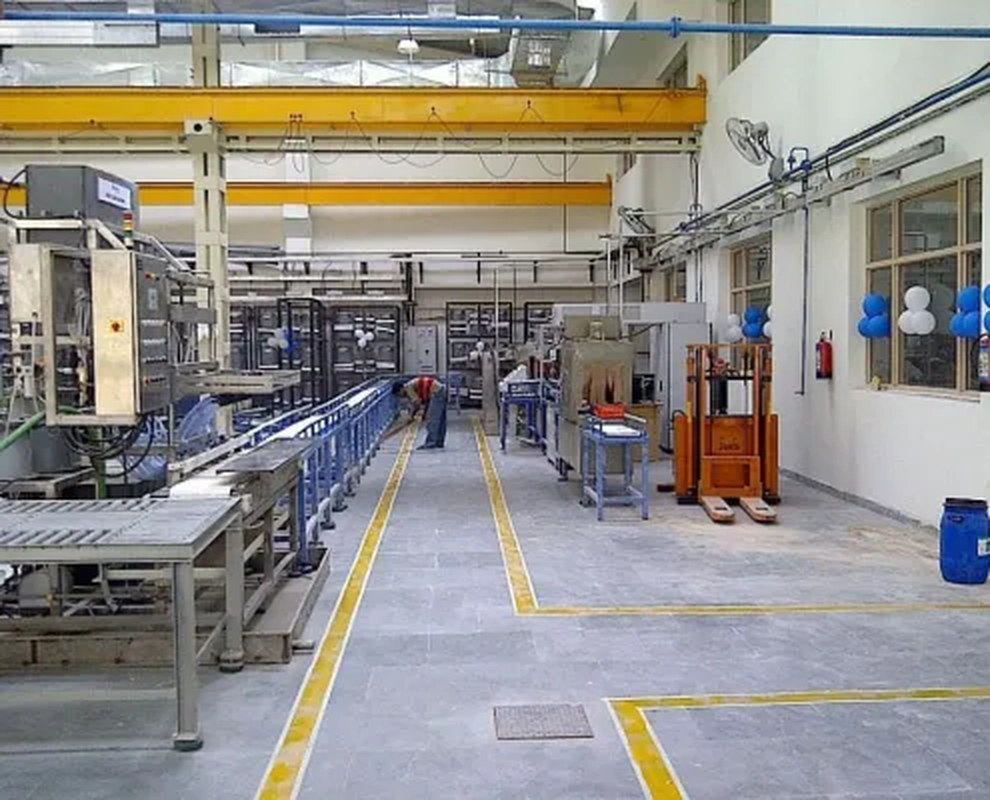
When liquidity tightens, banks demand that factories demonstrate immediate debt-servicing viability. This triggers forced “profit theatre”:
- Promoters are coerced into stripping R&D budgets, deferring tooling maintenance, laying off development engineers, and liquidating raw-material buffers simply to manufacture artificial quarterly EBITDA to placate bank credit managers.
- When this cannibalisation inevitably degrades product delivery, banks issue formal loan-recall notices rather than offering bridge restructuring — the biggest challenge many Indian manufacturing promoters face once the spiral starts.
- As demonstrated in Kunwer Sachdev vs. IDBI Bank & Ors. [W.P.(C) 10599/2021], the Delhi High Court directed IBBI to establish a binding regulatory Code of Conduct for the Committee of Creditors: unfettered “commercial wisdom” must carry statutory fiduciary obligations to protect going-concern value, active patent renewals, and precision tooling — not merely to accelerate scrap recovery.
The national result is devastating: viable plants worth hundreds of crores are shoved into CIRP, where an enterprise that required on the order of ₹300 crore in equity, technology, and bank debt to build is liquidated for a fraction — often under ₹10 crore, with published site figures around a ₹9 crore recovery — to scrap dealers who melt down the machinery.
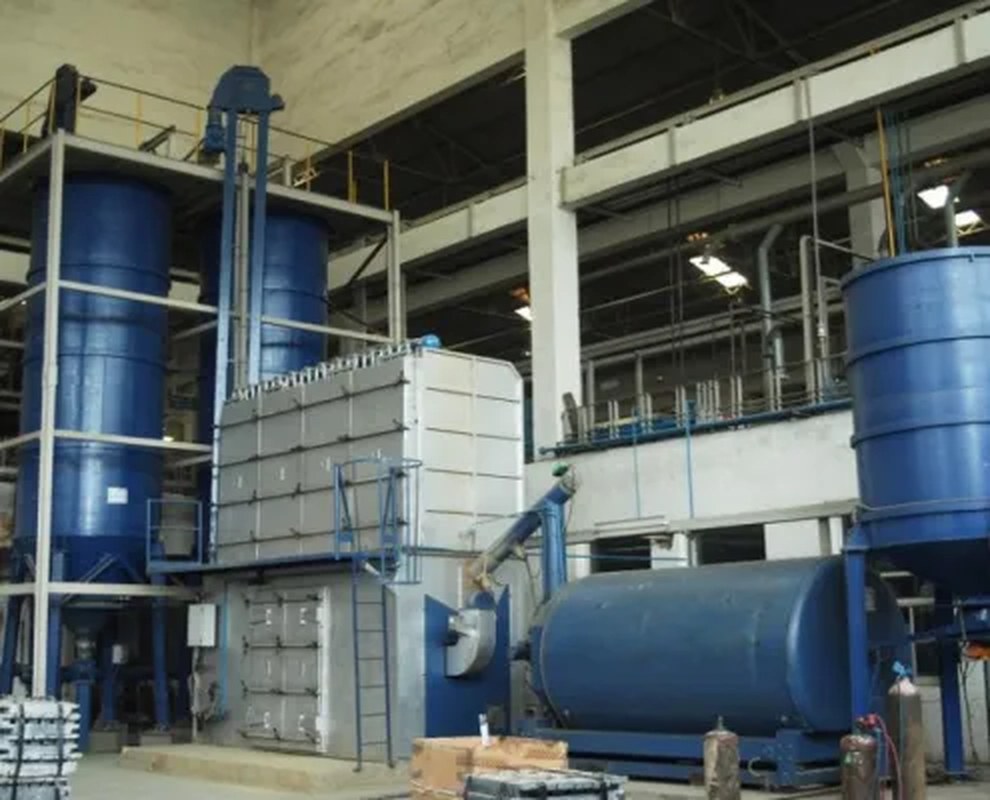
III. The Destruction of Intellectual Property and National Capability
When a service business fails, its primary asset — talent — walks out the door. When a manufacturer is pushed into the current IBC process, tangible and intangible capital built over decades is extinguished.
In India’s power and electronics sector, the cost of this design flaw is quantifiable. Proprietary toolsets, testing rigs, automated assembly setups, and extensive patent portfolios — spanning 77 to over 102 granted domestic and international patents in the record published on this site — have been handed over to Resolution Professionals who lack the technical capacity to value IP. Instead of preserving these patents as going-concern national assets, resolution processes regularly treat them as zero-value line items while liquidating the factory floor for scrap metal.
According to data compiled across parliamentary reviews of IBC implementation and IBBI reporting, the average CIRP duration extends well past 600 days — nearly double the statutory limit of 330 days. In industrial assets, a 600-day standstill guarantees death: skilled engineers disperse, certifications expire, customer contracts are cancelled, and equipment rusts. Liquidation ceases to be an outcome; it becomes the default trajectory.
India cannot hit a durable manufacturing share of GDP — still stuck near the mid-teens in successive Economic Survey snapshots despite PLI — or run “Make in India” as more than a slogan while running a liquidation-first insolvency regime against its own factories.
The Global Contrast: How the US and UK Protect Productive Assets
India is not the first nation to face industrial liquidity shocks. However, while Western insolvency codes evolved to treat complex manufacturing plants as productive engines that must be shielded from immediate collapse, India’s IBC remains anchored to a 19th-century creditor-recovery mindset.
| Critical Dimension | India (IBC CIRP) | United States (Chapter 11) | United Kingdom (CIGA 2020) |
|---|---|---|---|
| Operating Control | Creditor-in-Control: Promoters/founders ousted immediately; an outside Resolution Professional with zero plant or domain experience takes over. | Debtor-in-Possession (DIP): Existing management retains operational control. Only clear bad faith, gross incompetence, or fraud removes them. | Hybrid / DIP Moratorium: Standalone 20-to-40-day moratorium leaves directors in office under a qualified monitor. |
| Supply Chain Continuity | Fragile: Basic utilities are protected, but specialized raw material suppliers freeze deliveries, immediately halting assembly lines. | “Critical Vendor” Doctrine: Courts routinely permit pre-petition debt payments to key suppliers so manufacturing chains do not disintegrate. | Ipso Facto Clauses Banned: Suppliers are statutorily prohibited from terminating contracts or cutting off supplies simply due to insolvency. |
| Emergency Liquidity | Frozen: Lenders cut drawing power; interim finance is virtually non-existent because banks fear investigative scrutiny. | Super-Priority DIP Financing: New lenders are granted senior lien status, flooding distressed plants with operational liquidity on day one. | Moratorium Protection: Working capital and rescue funding are legally ring-fenced and prioritized. |
| Filing Weaponization | Hyper-Aggressive: A single vendor with an unpaid ₹1 crore invoice can drag a ₹500 crore manufacturing enterprise to NCLT. | Strictly Filtered: Involuntary petitions require a minimum of three independent creditors and substantial aggregate unsecured claims. | Restricted: Aggressive winding-up petitions are curtailed unless a company is demonstrably balance-sheet broken. |
| IP, Dies & Tooling | Liquidated as Scrap: Over 70% of CIRP cases end in liquidation; proprietary test rigs, dies, and patents are sold at scrap value. | Preserved Enterprise Value: Section 363 sales or plan reorganizations protect patent portfolios and tooling as going-concern assets. | Going-Concern Duty: Statutory mandate requires administrators to prioritize enterprise rescue over asset break-up. |
The lessons for Indian policymakers are direct:
- Keep the Engine Running (US Debtor-in-Possession): When General Motors faced restructuring in 2009, the US government did not hand factory keys to an accountant or scrap liquidator. Management was kept at the wheel because an outsider cannot manage complex supplier lead times, plant calibrations, and customer warranty matrices. In India, displacing manufacturing leadership overnight instantly destroys supplier trust and halts the line.
- Protect the Supply Chain (The US “Critical Vendor” Rule): A power equipment or electronics manufacturer depends on dozens of niche tier-1 and tier-2 vendors—custom transformer coil winders, specialized alloy casters, and PCB fabricators. In India, paying an existing vendor during distress risks being penalized as an illegal “preferential transaction,” prompting suppliers to walk away and shuttering a multi-hundred-crore facility over a ₹50 lakh component dispute. US bankruptcy courts resolve this by authorizing debtors to clear pre-petition dues for critical suppliers specifically to preserve operations.
- Provide Pre-Insolvency Breathing Room (UK CIGA 2020 Moratorium): The UK recognized that pushing temporarily stressed companies straight into administration caused needless economic damage. Their 2020 reforms introduced a statutory moratorium where directors remain in charge, enforcement actions are frozen, and suppliers are legally barred from terminating contracts.
India wants to be the world’s alternative manufacturing hub. Yet it forces its domestic manufacturers to operate under an insolvency regime that liquidates viable factories over payment cycles that the state itself creates.
IV. The 5-Point Reform Checklist: A Dedicated Industrial Chapter
If India wants to become a manufacturing hub, it needs deep changes in the mindset of government and banks in particular. Parliament must amend the Code to introduce a Dedicated Chapter for Industrial and Manufacturing Stress:
- Sovereign & Discom Receivable Safe Harbor. Where a manufacturing corporate debtor has certified, undisputed receivables due from central/state governments, municipal bodies, PSUs, or discoms that exceed the alleged default, those receivables must trigger a statutory stay on Section 7 and Section 9 admission — and automatically stay NPA classification up to the value of the verified dues. The state cannot trigger an industrial death sentence for cash-flow failures it directly caused.
- Dynamic / tiered industrial filing thresholds. The uniform ₹1 crore trigger is completely out of proportion to modern manufacturing working capital. For capital-intensive manufacturing, peg the operational-debt threshold to either a higher absolute minimum (₹10–25 crore) or a percentage of audited annual turnover (5%–10%), accompanied by mandatory pre-litigation conciliation (including MSME facilitation frameworks) before any NCLT filing can be entertained.
- Extension of the industrial NPA window to 180 days. Align the RBI provisioning framework with manufacturing cycle realities. Working-capital cash cycles in engineering and manufacturing are structurally distinct from retail lending. Industrial loans should move to a 180-day delinquency window coupled with mandatory pre-packaged restructuring before accounts are marked non-performing.
- Mandatory IP & precision tooling ring-fencing. Patents, trademarks, specialised design tooling, and calibration regimes must be legally isolated from general liquidation auctions. RPs and CoCs must maintain ring-fenced operational budgets for patent maintenance fees, machinery calibration, and technician continuity during the moratorium — preserving IP as going-concern assets rather than allowing vital domestic patents to lapse during CIRP.
- Mandatory working-capital ring-fencing during pre-pack cure periods. Lenders must be statutorily barred from freezing non-fund and fund-based drawing power during restructuring cure periods. Cutting working capital lines the moment an operational notice is served guarantees business failure; preserving operational cash flow must be recognised as a fiduciary duty to preserve asset value.
If India wants global companies to set up factories and domestic founders to risk capital building deep industrial capabilities, the law must recognise a basic truth: temporary liquidity stress is an operational friction, not a corporate crime. Until the IBC distinguishes between a trading default and an industrial cash-cycle mismatch, the nation’s factories will continue to be liquidated just as they are built.
Part II — Insolvency and Industrial Asset Preservation: Reforming IBC for Indian Manufacturing
Companion statutory analysis now joined to this brief: CIRP’s blindspot for indigenous R&D, the ₹300 crore-to-₹9 crore recovery gap, Delhi High Court guidance on CoC conduct, and four IBBI/Parliament reforms that treat going-concern preservation as the success metric.
Part II — Executive Summary: Startup India versus the liquidation reality of CIRP
India ran two industrial stories in the same decade. One was Startup India: pitch decks, fund cycles, and a political claim that manufacturing would follow the software playbook. The other was the Insolvency and Bankruptcy Code, 2016 — the IBC — administered by the Insolvency and Bankruptcy Board of India (IBBI). The Corporate Insolvency Resolution Process (CIRP) is sold as a 180-day rescue, extendable toward 330 days. On this site the author has already published that average CIRP duration as of March 2026 was about 744 days — more than double the brochure clock (IBC amendments essay; Manufacturing Mirage, Part 4).
For a going manufacturer the mismatch is not academic. In 2018 Su-Kam Power Systems entered CIRP as a running technology company: about 5,000 people at organisational scale, shipments into 90 countries, 77 granted patents, and about ₹600 crore of generation at filing — a stressed plant asking for time, not scrap (Mirage, Part 1). Section 29A then barred the founder from bidding for the company he had built. The Resolution Professional’s first task, as published from a 2020 letter to the Prime Minister in Inside the CIRP, is to tell the promoter he has no role. From that morning the factory clock and the court clock diverge.
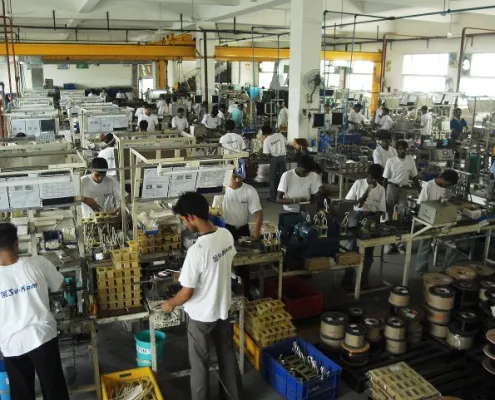
Startup India does not fund patent annuities inside a CIRP. CIRP does not name indigenous R&D as an asset class that must be kept alive. The political language is “resolution.” The manufacturing outcome, in this record, is a hollowed shell sold after the people who could commercialise 77 grants had left the field. Chinese inverter brands — Growatt, Sungrow, Solis, Huawei, Goodwe — moved from a negligible 2018 Indian presence to majority share by 2024, as already written and as trade press linked from the Hybrid GTI essay. That is the dichotomy this whitepaper starts from: a growth slogan, and a Code that treats a plant as a recovery file.
A remainder after professional fees is not a rescue. Dual object — creditor recovery and a going manufacturer — is how you stop pretending it is. The series close is Part 4. This paper is the IBBI-facing instrument: IP budgets, guarantee caps, promoter-as-advisor for preservation, and a success metric that is not liquidation yield.
Part II — The technological asset blindspot: 77 grants, no CIRP maintenance protocol
The national figure this site now uses is 77 granted patents in the going company. How they were filed is a separate essay. An earlier CIRP essay used 74; the later, tighter count is 77. This paper will not list chemistries. It will not claim the grants were “dispersed among creditors.” It will not claim they vanished from a registry the day the RP arrived. Part 1 is explicit: the files can remain; the programme does not.
What the Code lacks is a maintenance protocol for industrial IP during CIRP. Indian patents are not freehold. They require renewal. A Resolution Professional who has been told the promoter has no role is not, under present practice, under a published IBBI duty to budget annuities, keep the inventors available, or treat firmware and tooling as going-concern assets rather than data-room PDFs. Earlier essays on this site said “patents abandoned” and “all gone” as a capability sentence — nobody counted the national loss — not as an IPO-register deletion. The blindspot is the missing protocol. Without it, 77 manufacturing-ready grants can sit on a docket while the team that could still ship them scatters to other Indian manufacturers, to Chinese subsidiaries that set up to absorb that talent, or out of the industry (Hybrid GTI; Part 1).
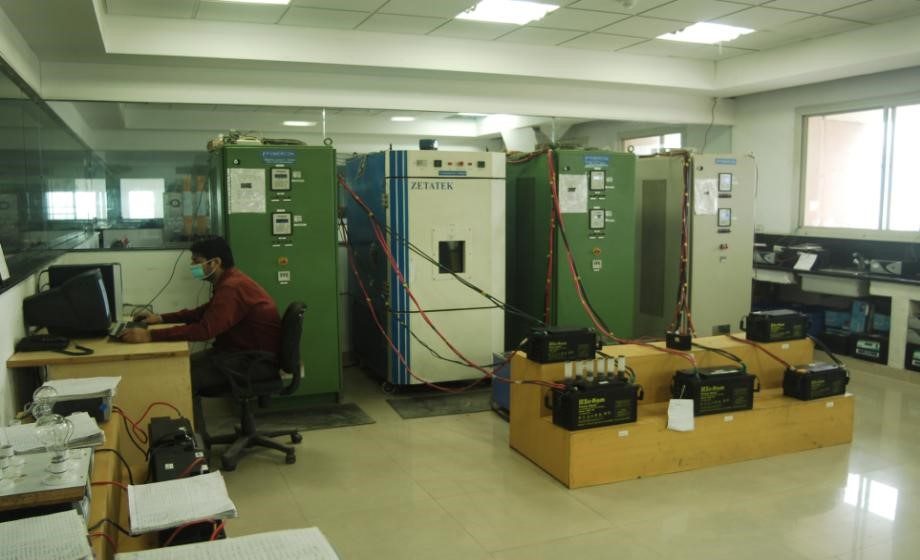
R&D policy and insolvency law are therefore the same subject. A country that files Make in India slideshows while CIRP has no line item for patent renewal, inventor retainers, or export-approval continuity is not running an industrial strategy. It is running a recovery dashboard. IBBI publishes admission, resolution, and liquidation counts. It does not publish plants that never restarted, skilled people who left the sector, or IP that remained a file while the living line died. If it is not counted, it is not a crisis. Reform zero in Part 4 was: count what you break. This paper’s first legislative ask is the operational twin: pay to keep the IP alive while you count.
Part II — The valuation disconnect: ₹300 crore FMV, ₹9 crore recovery — and the CIRP invoice
Two published arithmetic sets sit on this site. They are not a licence to invent a third.
| What the number is | Figure published on this site | Where |
|---|---|---|
| Going concern at filing | about ₹600 crore generation | Mirage Part 1 |
| Independent / Big-4 fair-market picture the founder records | ₹300 crore valuation (two Big-4 firms; promoter not in the room) | The Broken System |
| Founder rescue term sheet (Kotak) | ₹250 crore — barred by Section 29A | Broken System; 29A essay; Part 4 |
| Spent running CIRP | ₹45 crore | Part 1 (also the hybrid-inverter essay) |
| COVID-period sale of the company | ₹49.50 crore | Part 1 |
| What banks recovered | ₹8 crore (also written ~₹9 crore on The Broken System) | Part 1 keeps ₹8 crore as the tighter figure |
The valuation disconnect this brief names is the one already sworn in How IBC, Banks & Bureaucracy Destroy Manufacturing Entrepreneurs: banks recovered about ₹9 crore against an asset they had valued at ₹300 crore without involving the promoter. The same essay records a ₹250 crore Kotak-backed proposal that Section 29A made ineligible. Part 1 then shows why “recovery” is the wrong success word even on the process’s own invoice: CIRP cost ₹45 crore to administer a company later sold for ₹49.50 crore so that banks could take about ₹8–9 crore.
The economic cost of losing the going concern is not a GDP share this paper will invent. It is the factory clock: suppliers in Gurugram and Baddi, a 90-country export map, a Home UPS category, and 77 grants as a programme. Liquidation yield does not capture that. A success metric that only prints creditor recovery will always prefer a cheap sale of a hollowed shell to the slower work of keeping the plant alive. That is not commercial wisdom. It is a dashboard designed to ignore industrial assets.
Part II — The Delhi High Court holding: CoC conduct and an IBBI mandate
On The Broken System the founder recorded that the Delhi High Court recognised the failure of creditor-committee practice. In Kunwer Sachdev vs. IDBI Bank & Ors. [W.P.(C) 10599/2021], the High Court directed IBBI to establish a binding regulatory Code of Conduct for the Committee of Creditors: clear guidelines so that unfettered commercial wisdom carries statutory fiduciary obligations to protect going-concern value, active patent renewals, and precision tooling. The FAQ on that page states the same holding: irregularities in CoC conduct; IBBI to establish a formal code-of-conduct for creditor committees. This whitepaper stores that proceeding in the paper’s court-reference field. It does not invent a judgment date, a paragraph number, or an NCLT company-petition number.
What the holding is for policy is narrower than a victory lap. Commercial wisdom — the doctrine the author watched from the corridor in Commercial Wisdom — cannot remain an unreviewable black box when the asset is a manufacturer. A CoC that can sit on a restructuring request for months, then file, then refuse a domain-knowledge bidder under 29A, then recover single-digit crores against a three-hundred-crore valuation picture, is not a self-justifying market. It is a statutory committee that the High Court has already said needs rules. IBBI’s job is to write them so that industrial assets — IP, plant continuity, promoter-as-advisor for preservation — are named, not implied.
Part II — The Asks: three statutory reform proposals
Parliament and IBBI can draft the industrial-stress chapter around three actionable statutory asks. These are the binding objects; the numbered instruments that follow operationalise them inside CIRP practice.
- Sovereign & Discom Receivable Safe Harbor. A statutory stay on Section 7 and Section 9 admission proceedings where certified, undisputed sovereign / PSU / discom receivables exceed the alleged default amount — so the state cannot weaponise the Code against a vendor whose cash is locked in the state’s own payables.
- Dynamic / Tiered IBC Filing Thresholds. A tiered threshold for capital-intensive manufacturing pegged to either a higher absolute minimum (e.g., ₹10–25 crore) or a percentage of audited annual turnover (e.g., 5%–10%), ending the weaponisation of the uniform ₹1 crore limit against plants whose working-capital float routinely exceeds that figure in a single raw-material lot.
- Mandatory IP & Precision Tooling Ring-Fencing. A statutory mandate requiring Resolution Professionals (RPs) and Committees of Creditors to maintain ring-fenced operational budgets for patent maintenance fees, machinery calibration, and technician continuity during the moratorium — so going-concern value, active patent renewals, and precision tooling survive the wait.
Part II — Four legislative and regulatory instruments for IBBI and Parliament
Part 4 of The Manufacturing Mirage already asked the Code for four objects: bind the 330-day clock; keep the plant running while the file lives; Section 29A reform that bars fraud not the builder; and a dual object — recovery and a going manufacturer — with the UK’s administration hierarchy cited once (Insolvency Act 1986, Schedule B1, paragraph 3: rescue as a going concern first). This paper does not replace that list. It specifies four instrument reforms that implement the three asks above — IP ring-fencing first among them — without waiting for a new religion of insolvency.
5.1 Mandatory IP preservation and renewal budgets during CIRP
Require, as a condition of a manufacturing CIRP, a ring-fenced budget for patent and design renewal, inventor/contractor retainers where the RP certifies they are necessary to keep the stack current, and a public IP schedule (application numbers, grant numbers, next annuity dates) filed with IBBI. Failure to renew without a recorded court reason should be reportable misconduct, not a silent lapse of a national capability. The object is not to pretend every grant is a jewel. It is to stop treating 77 manufacturing-ready patents as optional stationery.
5.2 Restrict promoter personal guarantees to the initial independent valuation
Personal insolvency after a corporate CIRP is the second war, as already written in Personal Insolvency: The Last Straw and The Entrepreneur as Criminal. If lenders take a personal guarantee, its enforceable ceiling in a manufacturing insolvency should be anchored to the initial independent valuation on the record — here, the ₹300 crore picture the founder says two Big-4 firms produced — not to a later distressed remainder after the CoC has starved the plant. Guarantees that expand as CIRP destroys value are not credit discipline. They are a put option on the founder’s family after the committee has already chosen the hollowed-shell path. Draft the cap. Require the valuation to be shared with the promoter when it is commissioned.
5.3 Promoter advisory participation on an asset-preservation committee
Section 29A can still bar a promoter from bidding where fraud, wilful default, or dummy fronts are found. It should not bar the builder from an advisory seat on an asset-preservation committee whose only mandate is going-concern continuity: vendors, warranty, export approvals, patent annuities, key engineers. The RP keeps the keys. The CoC keeps the vote. The person who knows the firmware is in the room for preservation, not for a back-door buyback. Part 4 already said the first RP morning is when destruction starts. This clause is how you stop that morning from being a total information blackout.
5.4 Measure CIRP success by going-concern preservation, not liquidation yield
IBBI tables that only print recovery percentages will keep producing ₹8–9 crore “successes” against ₹300 crore valuation pictures and ₹45 crore process invoices. Add a manufacturing dashboard: plant operating at admission versus at close; headcount of specialised staff retained; IP schedule still in force; whether a feasible plan died on a hung vote (Hero Electric Vehicles: 47.66% against a 66% requirement — Part 3). Count going-concern preservation as the primary success mark where a viable plant entered the tribunal. Liquidation yield is a residual, not the object. Align that metric with Part 4’s dual object and with the UK hierarchy already cited: rescue as a going concern first, then a better result for creditors than winding-up, and only then realisation for secured creditors if the first two are not reasonably practicable. India’s Code never wrote that hierarchy for a factory. Write it.
Part II — What this paper is not
It is not a claim that Su-Kam would have single-handedly held off Chinese inverter dominance. Part 1 already refused that sentence. It is not a jobs-saved model. It is not a request to let fraudsters bid. It is not a second Su-Kam under a fresh CIN. The rebuild outside the name the Code took — Su-vastika and Kunwwer.ai — is Part 4’s close, not proof the machine is merciful.
If you are at IBBI, start with CoC conduct rules the Delhi High Court already asked for, then add the IP budget and the preservation committee. If you are in Parliament, write the dual object and the guarantee cap where a court can see them. If you are an insolvency professional, treat 77 grants as a plant, not a PDF. The files will outlive the people unless you pay to keep the people.
Sources (primary, on this site unless noted)
- The IBC Files — 19-part empirical field record
- The Broken System — ₹300 crore valuation / ~₹9 crore recovery; Delhi High Court on CoC conduct
- Insolvency and Industrial Asset Preservation — companion statutory reform paper
- How 77 patents were filed — IP destroyed when plants become scrap
- Section 29A and a Manufacturing Comeback
- IBC / IBBI legal framework
- US Bankruptcy Code Chapter 11 (debtor-in-possession; critical-vendor practice; DIP financing); UK Corporate Insolvency and Governance Act 2020 (standalone moratorium; ipso facto restrictions)
- RBI Financial Stability Reports; Parliamentary Standing Committee on Finance reviews of IBC implementation (CIRP duration and liquidation outcomes); Economic Survey / National Manufacturing Policy framing on manufacturing’s share of GDP

Kunwer Sachdev
Founder & MD, Su-Kam Power Systems (1988–2019) and Kunwwer.ai, mentor at Su-vastika — the “Inverter Man of India” and the “Solar Man of India.” Read his story →