The Illusion of R&D Funding in India: Why Mega-Budget Announcements Fail Shop-Floor Innovation, and the Blueprint for Reform
Budget Day celebrates outlays. Shop floors ship hardware. India’s R&D intensity has spent decades under 1% of GDP while private hardware R&D remains near the floor. This brief asks NITI Aayog, the PSA, MeitY, DPIIT, and Finance to replace announcement theatre with outcome scorecards — and to stop treating experimental risk capital as a bank loan with land collateral.
1. Executive Summary: The Announcement-First Paradox
India’s political cycle treats Budget Day as industrial strategy. The headlines write themselves: a ₹1 Lakh Crore Research Development and Innovation (RDI) scheme; a ₹50,000 Crore Anusandhan National Research Foundation (ANRF) corpus; DSIR recognition certificates; Startup India slides. What the cycle does not publish — with the same ceremony — is a post-disbursement hardware delivery metric: units manufactured from the grant, patents commercialised into Indian SKUs, or imports actually substituted on a bill of materials.
That is the announcement-first paradox. Absolute rupee outlays can rise while R&D intensity stagnates. India’s Gross Expenditure on R&D (GERD) as a share of GDP has lived for years in a band roughly 0.64%–0.84% — decades of near-stasis under 1%, with private-sector hardware R&D in power electronics, embedded systems, and industrial devices remaining thin relative to software and assembly narratives (The Great Solar Assembly Illusion; The Ivory Tower Trap). A country can celebrate a Lakh-Crore scheme and still fail to fund the PCB layout that decides whether a waveform stays stable under load.
Department of Science & Technology (DST), R&D Statistics at a Glance series: GERD/GDP reported at 0.66% (2018–19), 0.66% (2019–20), and 0.64% (2020–21). Later parliamentary replies and press reporting place FY24 intensity near 0.84% — still far below the long-stated 2% ambition and below Israel, Korea, and Taiwan. See also PIB replies on GERD composition (private share historically low; rising but still not hardware-deep). Cite the DST PDF and Lok Sabha replies, not a secondary tweet.
An outlay is not an outcome. Until Finance and MeitY publish a three-year hardware scorecard beside every RDI/ANRF celebration, India is running a press conference, not an industrial R&D system.
2. A Founder’s Case Study: The TDB Experience & The Collateral Trap
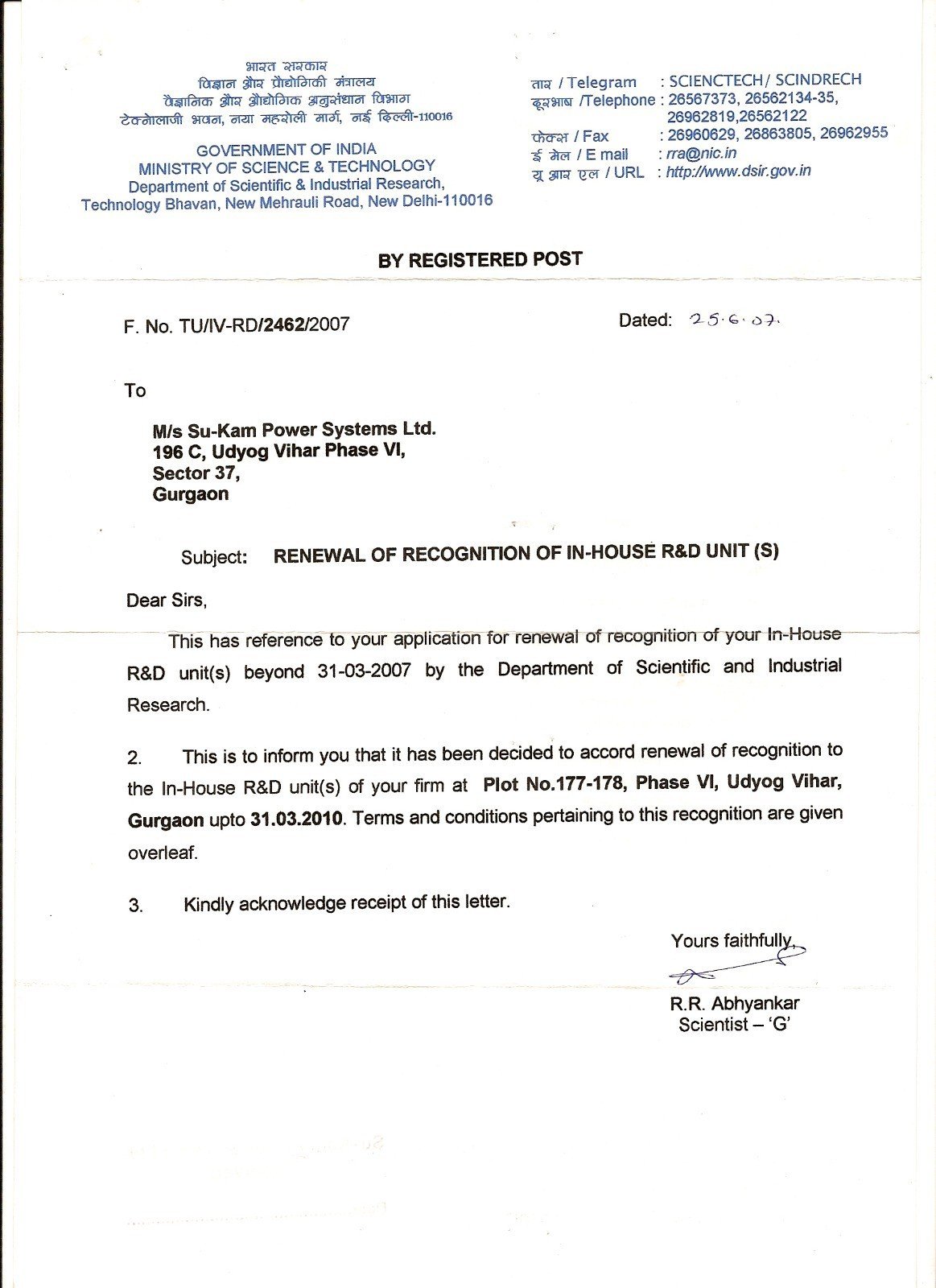
Before the Startup India vocabulary existed, Su-Kam took early-stage support from the Technology Development Board (TDB) under the Department of Science & Technology. The money mattered. What mattered more was the covenant stack that came with it: debt-like repayment logic, audit fear, and collateral expectations that treated experimental hardware R&D as if it were a working-capital loan against a warehouse.
Around 2009–2010, we repaid that capital. Not because the technology had failed in the lab, but because rigid bureaucratic covenants throttled the commercial pivots a hardware company must make when the market, the component set, or the firmware path changes. A builder who needs to re-spin a board, change a magnetics vendor, or kill a SKU cannot wait for a committee that prices delay as diligence and pivot as irregularity.
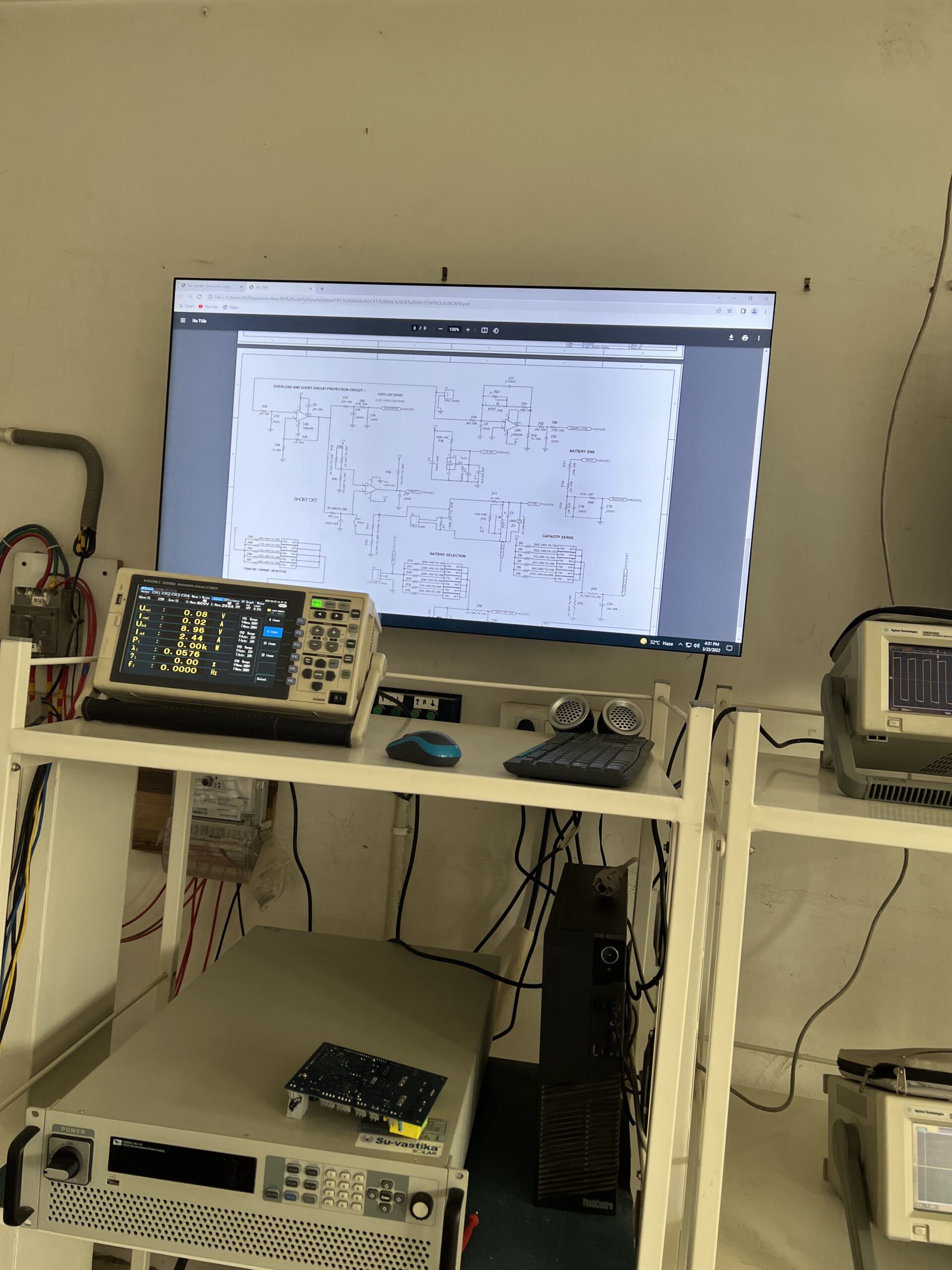
The fundamental flaw is doctrinal. Experimental R&D risk capital is not a defensive bank loan. Honest technical failure is a research result. Treating it as a default event — or demanding physical land and personal guarantees as the price of DSIR-recognised work — selects for applicants who can mortgage land, not for inventors who can ship a stable inverter waveform. Israel’s Innovation Authority model (royalty-on-sales only when commercial revenue appears) is the opposite design: success shares upside; failure is not criminalised as a balance-sheet crime.
This section is firsthand Su-Kam experience with TDB funding and repayment (~2009–2010), consistent with the manufacturing and R&D narrative already published on this site (see How Kunwer Sachdev Built Su-Kam; Ivory Tower Trap). This whitepaper does not invent a TDB sanction order number or a collateral deed citation. The policy claim is the covenant design, not a reconstructed ledger.
3. The Governance Failure: Bureaucrats & Association Committees
India still routes deep-tech hardware grants through single review committees dominated by generalist civil servants and legacy trade-association nominees. Those rooms are competent at files. They are not competent at device physics, waveform stability under non-linear loads, or PCB layout feasibility at the thermal and EMI edge where products actually die.
The result is a paperwork filter. Professional grant-writers and large assemblers learn the template language. Hands-on shop-floor inventors — the people who can tell you why a snubber network failed at 50°C ambient — lose months translating engineering into committee English. The filter does not select for manufacturing readiness. It selects for compliance theatre. The same pathology appears in academia–industry MoUs that photograph well and never reach a working controller card (Ivory Tower Trap).
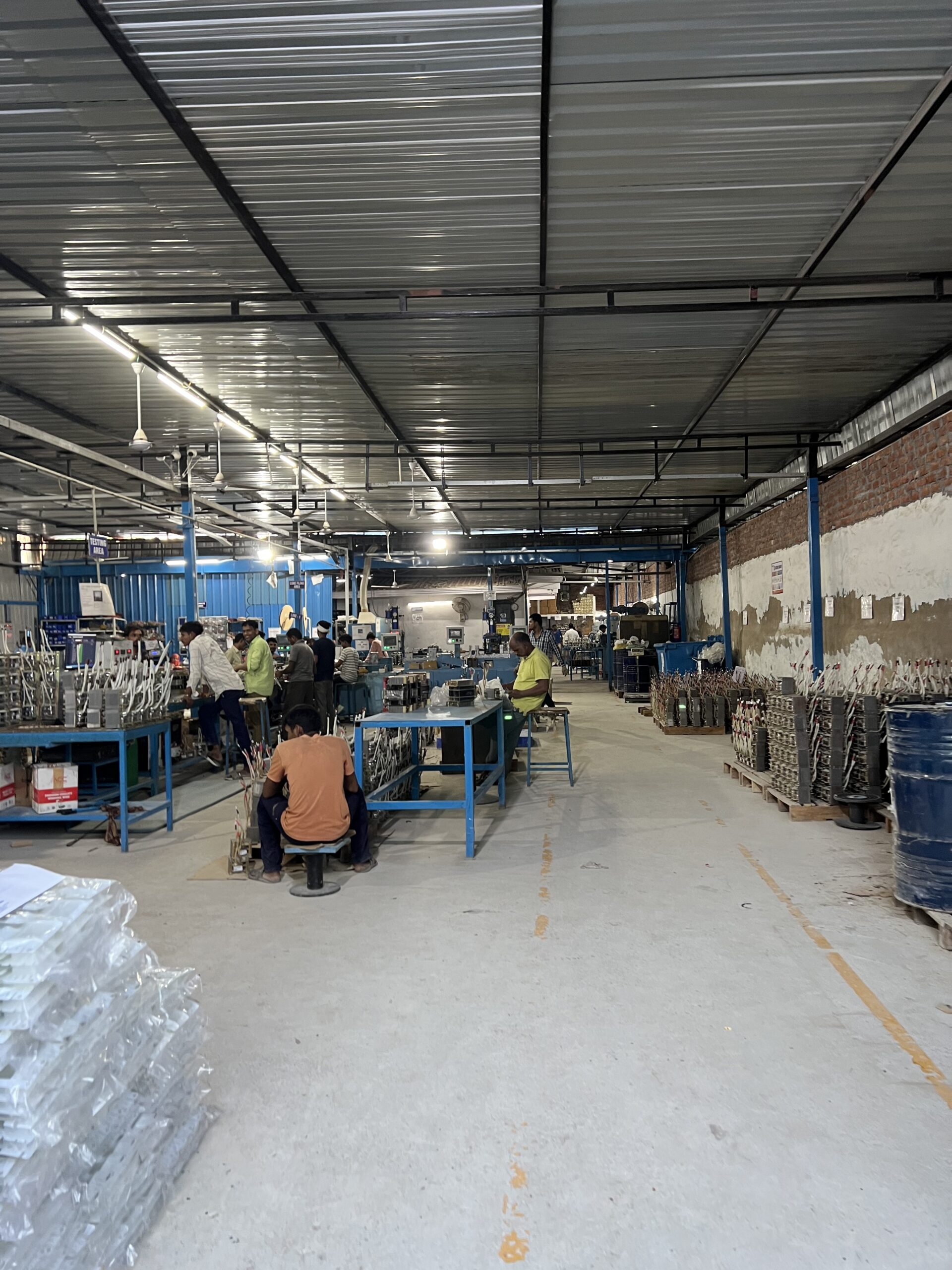
Replace the clerical gate with sector-specific practitioner juries: founders who have shipped, CTOs who still read schematics, and active patent holders in the same device class. A civil servant can still own the integrity of the process. The technical veto on feasibility must sit with people who have paid for a failed fab run with their own nights.
4. Global Comparative Benchmarking
India’s announcement machine should be read against systems that fund hardware without pretending the risk is a mortgage. The table below is a policy benchmark for NITI Aayog and the PSA — not a tourism brochure.
| System | Approx. GERD / GDP | How risk capital is designed | What India should copy |
|---|---|---|---|
| Israel (IIA) | ~5.6–6.3% | Zero physical collateral for core R&D grants; royalty-on-sales (~3–5%) only on successful commercial revenues; honest technical failure is not treated as a criminal or bank-default event | Royalty-on-sales; kill land/PG as the price of DSIR-recognised deep tech |
| Taiwan (ITRI / MOEA) | ~4.0% | Proactive talent scouting inside manufacturing clusters; industrial matching grants (~50% class programmes) that meet builders on the floor | Scout the cluster; match industrial R&D where the line already runs |
| South Korea (MOTIE / KIST ecosystem) | ~5.0% | TRL 1–9 milestone gating plus substantial direct R&D tax credits (~30–40% class instruments in the Korean toolkit) | Milestone TRL gates + revive weighted tax deduction for hardware |
| India (DST / ANRF / RDI) | ~0.64–0.84% | Announcement-heavy; collateral and clerical filters still shape who can take experimental risk | Outcome scorecards; practitioner juries; royalty model |
| Warning: Bangladesh & Sri Lanka | <0.3% class intensities | Low indigenous IP; trapped in low-value assembly without a deep R&D spine | Do not confuse tariff-protected assembly with technology capability |
Source: Manufacturing Mirage Hub narrative (site-published). Qualitative share shift only — not a proprietary market-research percentage series.
Israel Central Bureau of Statistics / OECD MSTI: national civilian R&D intensity among the world’s highest (CBS reported ~6.3% of GDP for 2023; OECD series place Israel and Korea at the top of the table). Taiwan MOEA reporting: ~4.0% (2023). Korea: ~5.0% class. UNESCO/UIS and national series place Bangladesh and Sri Lanka in the low-<0.3% band typical of assembly-led economies. Israel Innovation Authority: conditional grants repaid via royalties of about 3–5% of revenues from the funded product until the grant (plus interest terms) is repaid — not via land mortgage; no royalty path if commercial revenues never appear. Official IIA royalties & IP pages are the primary cite.
The warning is not moral. It is industrial. Economies that stay under ~0.3% GERD and celebrate assembly localisation without indigenous IP end up importing the controller, the magnetics know-how, and the failure analysis. India’s solar and power-electronics story already shows how tariff-protected assembly can crowd out builders who were doing the harder work (Assembly Illusion). R&D funding policy is how you refuse that trap.
5. The Accountability Vacuum: The Missing 3-Year Outcome Scorecard
Success in Indian public R&D finance is still measured by “Budget Sanctioned” and “Amount Released.” It is rarely measured by Hardware Manufactured, Patents Commercialised, or Imports Substituted on a named BOM line. Without a mandatory public outcome audit at year three, every scheme can claim victory on the day of the Cabinet note.
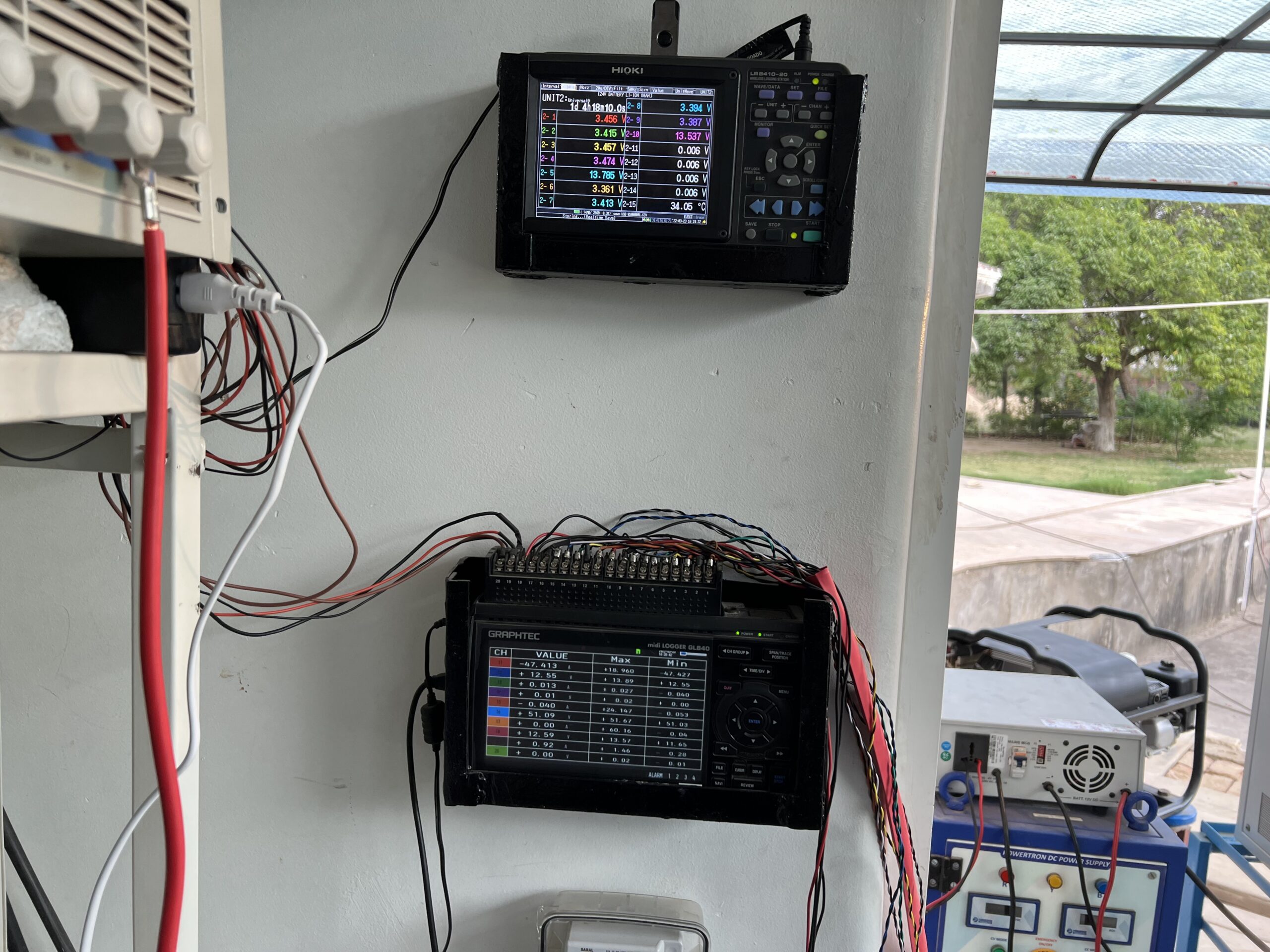
NITI Aayog and the PSA should require every ANRF / RDI / DSIR-linked industrial award above a published threshold to file a public three-year scorecard: TRL at award vs TRL at year three; Indian value-add on critical components; patents filed and licensed into products; units shipped; import lines displaced. If the metric is missing, the scheme is a speech.
Track Cabinet / Budget / PIB materials for the ₹1 Lakh Crore RDI Fund of Funds design and the ANRF (~₹50,000 Crore) corpus as the announcement layer of this brief. Pair those cites with DST GERD statistics so readers see the intensity gap the announcements have not closed. Do not treat a corpus headline as evidence of shop-floor TRL movement.
6. Five Actionable Statutory Reforms for the Government of India
These five reforms are draftable. They do not require a new religion of innovation — only the courage to stop measuring press notes.
Reform 1 — Adopt the Israel IIA Royalty-on-Sales Model
Eliminate physical land collateral and personal guarantees as conditions for DSIR-recognised deep-tech hardware R&D support. Repay public risk capital as a royalty on commercial sales (IIA-class 3–5% until the grant is repaid) when the product earns revenue. Honest technical failure closes the file without treating the founder as a defaulted borrower.
Reform 2 — Replace Clerical Committees with Sector-Specific Practitioner Juries
Statute or scheme guidelines should require evaluation panels for device-class grants to include a majority of practising founders, CTOs, and active patent holders in that device physics. Association seats and generalist officers may observe process integrity; they should not dominate technical feasibility votes.
Reform 3 — Active Technology Scouting Divisions inside DSIR / MeitY
Stop waiting for perfect Form-A English. Fund scouting teams that go into Gurugram, Bengaluru, Pune, Coimbatore, and Baddi clusters — Taiwan ITRI-style — and pull builders into the pipeline. The system goes to the shop floor; the shop floor should not need a Delhi consultant to be seen.
Reform 4 — Mandatory Annual Public Outcome Scorecards
For every major award: publish TRL advancement, Indian BOM value-add, patents commercialised, units shipped, and import lines substituted. Make the scorecard a condition of further tranche release. IBBI-facing industrial logic in the companion insolvency brief is the same principle: if you do not count the living programme, you will celebrate the hollow file (Asset Preservation brief).
Reform 5 — Re-establish the 200% Section 35(2AB) Weighted Tax Deduction for Deep-Tech Hardware R&D
Korea pairs milestone gating with serious fiscal incentive. India’s withdrawal of the weighted deduction for in-house R&D under Section 35(2AB) told hardware CFOs that the state prefers assembly margins to lab burn. Re-establish a 200% weighted deduction narrowly for DSIR-recognised deep-tech hardware (power electronics, semiconductors, industrial devices, medical hardware) so private GERD has a reason to show up on the shop floor — not only in IT services cost centres.
Income-tax Act, 1961, Section 35(2AB) (weighted deduction for scientific research by a company) and subsequent Finance Act changes that reduced/withdrawn the weighted benefit for in-house R&D. Primary cite: statute + CBDT/DSIR guidance on weighted deduction history. This brief asks for a targeted restoration for deep-tech hardware, not a blank cheque for every booked “R&D” cost centre.
What this paper is not
It is not a claim that every public R&D rupee is wasted. It is not a denial that ANRF or RDI can help if designed like risk capital. It is not a request to abolish audit. It is a request to stop confusing audit with engineering judgment, and Budget Day with industrial capability. The rebuild outside the Su-Kam name — Su-vastika and Kunwwer.ai — continues the shop-floor argument. Policy should meet builders there.
If you are at NITI Aayog or the PSA’s office, publish the three-year scorecard template first. If you are in Finance, restore a hardware-narrow weighted deduction and kill collateral as the price of DSIR work. If you are in MeitY or DPIIT, stand up scouting divisions and practitioner juries. If you are a hardware founder, document your TRL and your BOM — the next scheme should have to answer you in engineering, not in Form language.
Sources (primary, on this site unless noted)
- The Great Solar Assembly Illusion — assembly localisation vs indigenous R&D
- The Ivory Tower Trap — academia–industry paperwork vs shop-floor capability
- How Kunwer Sachdev Built Su-Kam — founder industrial record
- Insolvency & Industrial Asset Preservation — companion policy brief on living R&D programmes under CIRP
- VC Hardware Graveyard — why software capital logic fails device companies
- DST R&D Statistics at a Glance; PIB / Lok Sabha GERD replies; OECD MSTI; Israel CBS; Taiwan MOEA; Israel Innovation Authority royalties & IP guidance; Income-tax Act s.35(2AB)
Kunwer Sachdev
Founder & MD, Su-Kam Power Systems (1988–2019) and Kunwwer.ai, mentor at Su-vastika — the “Inverter Man of India” and the “Solar Man of India.” Read his story →
Kunwer Sachdev exited Su-Kam in 2019 and is not responsible for any activity of the company since.
Anyone dealing with Su-Kam does so solely with its current management.
Full disclaimer →
You must be logged in to post a comment.