IBBI Penalised Both the RP and the Liquidator — But Nobody Compensated the Entrepreneur
IBC, IBBI Penalised the RP & Liquidator — No Compensation for the Entrepreneur — THE IBC FILES: AN ENTREPRENEUR’S PERSPECTIVE
Article 10 of 11 | A penalty without justice for the founder
← Previous: Article 9 — Personal Insolvency — The Last Straw
An IBBI penalty was imposed on both the RP and the liquidator in my case, yet this IBBI penalty changed nothing for the entrepreneur. In March 2022, the Insolvency and Bankruptcy Board of India did something unusual. It admitted — in writing, in a formal order — that the Resolution Professional appointed to manage my company, Su-Kam Power Systems, had violated the law. Charged pre-CIRP costs to the company. Appointed his own firm as advisor. Billed ₹4 crore in professional fees while collecting ₹12.58 lakh as his own fee. Ran a process riddled with conflicts of interest.
A year later, in June 2023, the IBBI issued a second order — this time against the Liquidator, Mr. Raj Kumar Ralhan. Found guilty of incurring unreasonable liquidation costs and failing to disclose professional appointments. His process advisors were paid ₹61.54 lakh while he earned ₹5.54 lakh. The advisors took more than 90% of the total fees.
Two separate IBBI orders. Two insolvency professionals found guilty. Both penalised. And the common thread running through both? PwC.
The RP, Mr. Rajiv Chakraborty — a PwC partner. The Liquidator, Mr. Raj Kumar Ralhan — also from PwC. The process advisors who billed crores during both the CIRP and liquidation? PwC LLP and PwC Private Limited. The same firm, at every stage, in every role, billing the dying company for the privilege of being destroyed.
My company — a ₹600 crore revenue business that employed over 2,000 people and pioneered solar energy in India — was sold for ₹10 crore. The IBBI found both officers guilty. And what did I get? Nothing. Absolutely nothing.
This is the story of how India’s insolvency system punishes its own officers — and still leaves the entrepreneur with nothing.
I Walked Into COC Meetings Expecting a Rescue. I Found a Courtroom.
When the CIRP began, I thought the process would focus on saving the company. I had built Su-Kam from scratch — I knew every product line, every dealer network, every factory floor. I assumed the Committee of Creditors would want to understand the business. How it worked. What could be revived. What the real value was.
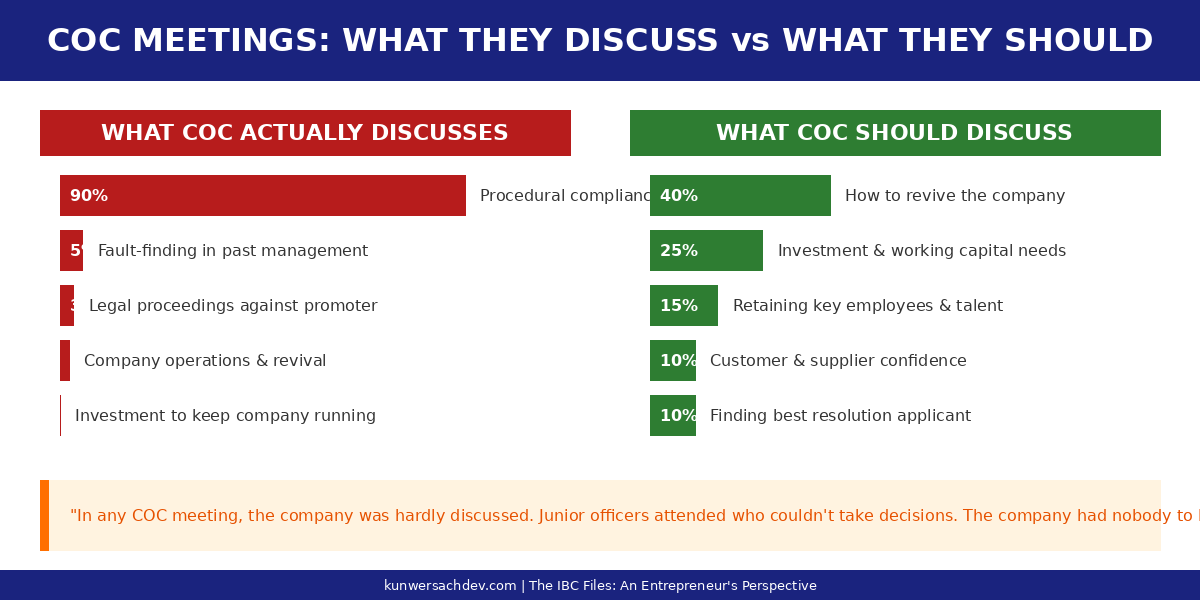
Instead, I walked into COC meetings where they only talked about expenses and legal proceedings. They asked me questions about the past — about old transactions, old decisions, old numbers. Not once did anyone ask: how does this company actually function? What are the products? Who are the customers? What would it take to keep this running?
It was very disturbing. The COC, the Liquidator, the RP — they didn’t think the entrepreneur was important. They became judges unto themselves. Above the board. Above accountability. They had the power to decide the fate of 2,000 jobs and a ₹600 crore company, and they used that power to interrogate me about the past while the present burned.
I stopped attending. What was the point? Nobody was interested in the company. They were interested in the carcass.
The PwC Takeover: How One Firm Controlled Every Stage of My Company’s Destruction
What I didn’t fully understand at the time — but what two separate IBBI disciplinary orders would later confirm — was the extent to which a single firm had captured the entire insolvency process of Su-Kam Power Systems.
Here is how it worked:
The Resolution Professional — Mr. Rajiv Chakraborty — was a partner at PwC LLP. He was appointed as IRP by the NCLT on 5th April 2018 and later confirmed as RP. He then appointed PwC LLP and PwC Private Limited as process advisors to assist in the CIRP. His own firms. Billing the company he was supposed to protect.
When the company moved to liquidation on 3rd April 2019, the Liquidator appointed was Mr. Raj Kumar Ralhan — also from PwC. And what did Ralhan do? He continued the same PwC firms as process advisors during the liquidation. The COC approved it in the 13th COC meeting. The same pack, the same billing, the same capture — just a new phase.
During Liquidation: PwC firms billed ₹61.54 lakh while the Liquidator earned ₹5.54 lakh. The advisors took more than 90% of total fees.
Combined PwC billing across CIRP and Liquidation: over ₹4.6 crore.
Both the RP and the Liquidator were from PwC. Both appointed PwC as advisors. Both were found guilty by the IBBI. This wasn’t a fox guarding the henhouse — this was the entire pack moving in.
What the IBBI Found: Order by Order
Order 1: Against RP Rajiv Chakraborty (IBBI/DC/85/2022, 31 March 2022)
Penalty: Return ₹14,57,193. One-year suspension from new assignments. Signed by Dr. Mukulita Vijayawargiya, Whole Time Member, IBBI. (Full order PDF)
Order 2: Against Liquidator Raj Kumar Ralhan (IBBI/DC/178/2023, 13 June 2023)
Penalty: Ralhan had already surrendered his Authorisation for Assignment (AFA). The IBBI directed that any fresh application for IP registration be kept in abeyance for two years. Signed by Sudhaker Shukla, Whole Time Member, IBBI. (Full order on IBBI)
The Penalties That Insulted the Injury
Let me put the penalties side by side with the damage:
Liquidator Penalty: 2-year abeyance on new registration
PwC total billing: Over ₹4.6 crore
Company valuation: ₹300 crore
Company sold for: ₹10 crore
Jobs destroyed: 2,000+
Revenue lost: ₹600 crore annual
The RP’s penalty was 0.3% of what PwC billed. The Liquidator’s penalty was zero rupees.
If a shopkeeper steals from the cash register, he goes to jail. If two PwC professionals bleed a ₹600 crore company dry through their own firm, one gets a year’s holiday and the other quietly surrenders his licence.
Nobody Tells You Your Rights. That Is by Design.
Here is what nobody talks about: when your company enters CIRP, nobody from the IBC comes and tells you what your rights are. There are no guidelines. No handover protocol. No orientation. No document that says — here is what the RP can do, here is what the COC can do, here is what you can challenge, here is how you protect your interests.
You are suddenly an outsider in your own company. You have advocates and courts, but no one from the insolvency ecosystem reaches out to explain the aim of the process or how it is supposed to work. You are left to figure it out while your company is being dismantled.
Just making a law does not serve the purpose. How do you reach the affected parties? How do you control these RPs and Liquidators unless the entrepreneur is helped? The IBC created a framework for insolvency — but it forgot to create a framework for fairness.
The RP and Liquidator operate with almost unchecked power during the process. They decide who gets hired. They decide what gets spent. They decide what information the entrepreneur gets. And the COC — dominated by the very banks that filed the case — rubber-stamps everything. The entrepreneur is not even a spectator. He is treated as a suspect in the destruction of his own company.
Justice Was Served. To Everyone Except Me.
Both IBBI orders vindicated me. Every complaint I filed was found to be correct. The conflicts of interest, the PwC capture, the inflated fees, the pre-CIRP charges, the unreasonable liquidation costs, the non-disclosures — all confirmed. In a rational system, this would have led to consequences. Real consequences. The process would be questioned. The sale might be revisited. Compensation would be considered.
But the IBC doesn’t work that way. The wrong committed by the RP and Liquidator stays committed. The ₹300 crore company sold for ₹10 crore — that sale stands. The ₹4.6 crore billed by PwC — it stays with PwC. The 2,000 jobs lost — they stay lost. The entrepreneur’s life destroyed — that remains destroyed.
The IBBI can punish its officers, but it cannot undo their damage. There is no mechanism in the IBC for the entrepreneur to be made whole. No compensation. No reversal. No remedy. The law punishes — after the fact, mildly, symbolically — but it does not heal.
What Needs to Change
The IBC was designed to rescue companies. But it has become a system that rescues creditors — partially — while destroying entrepreneurs completely. Here is what must change:
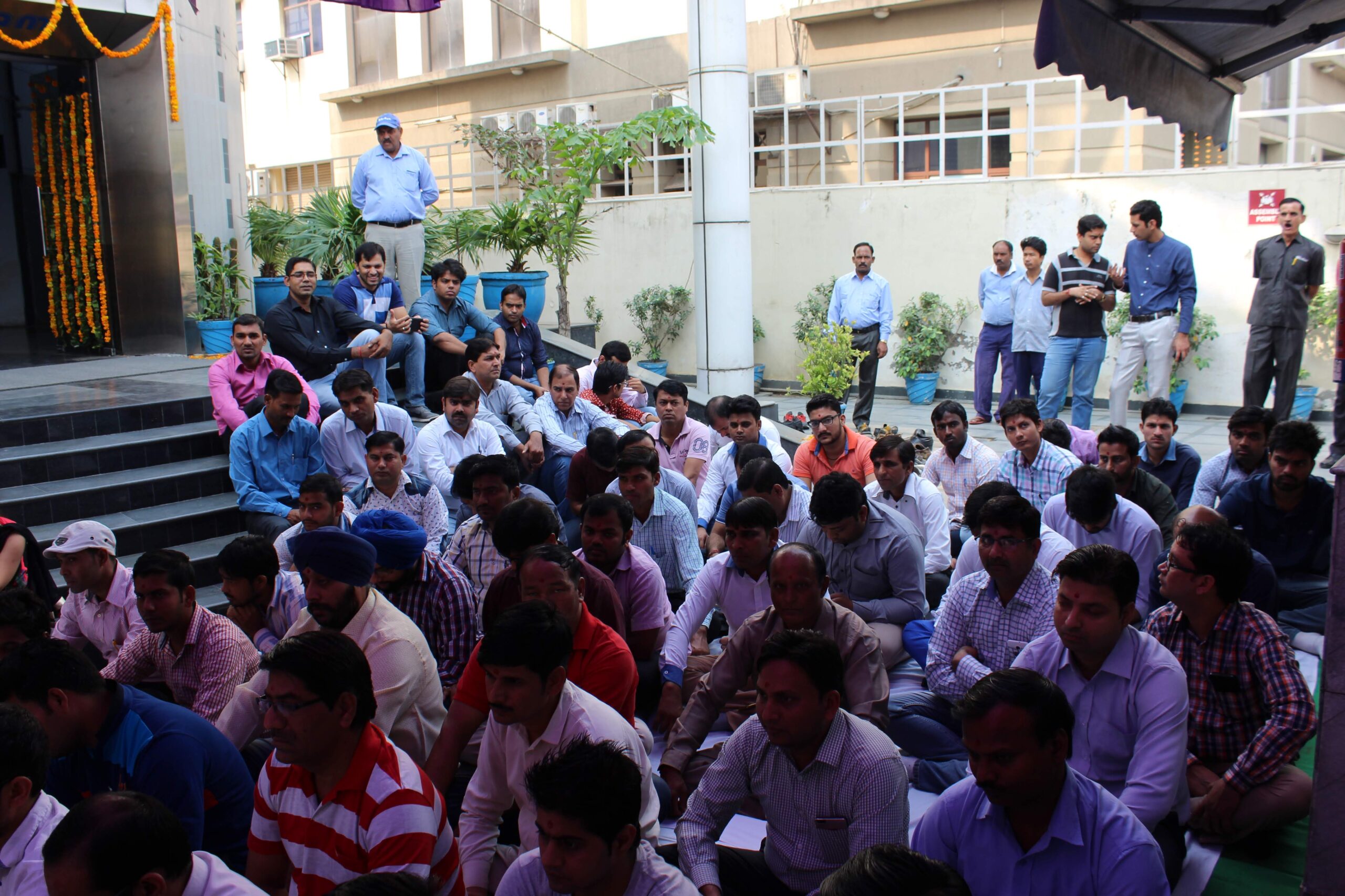
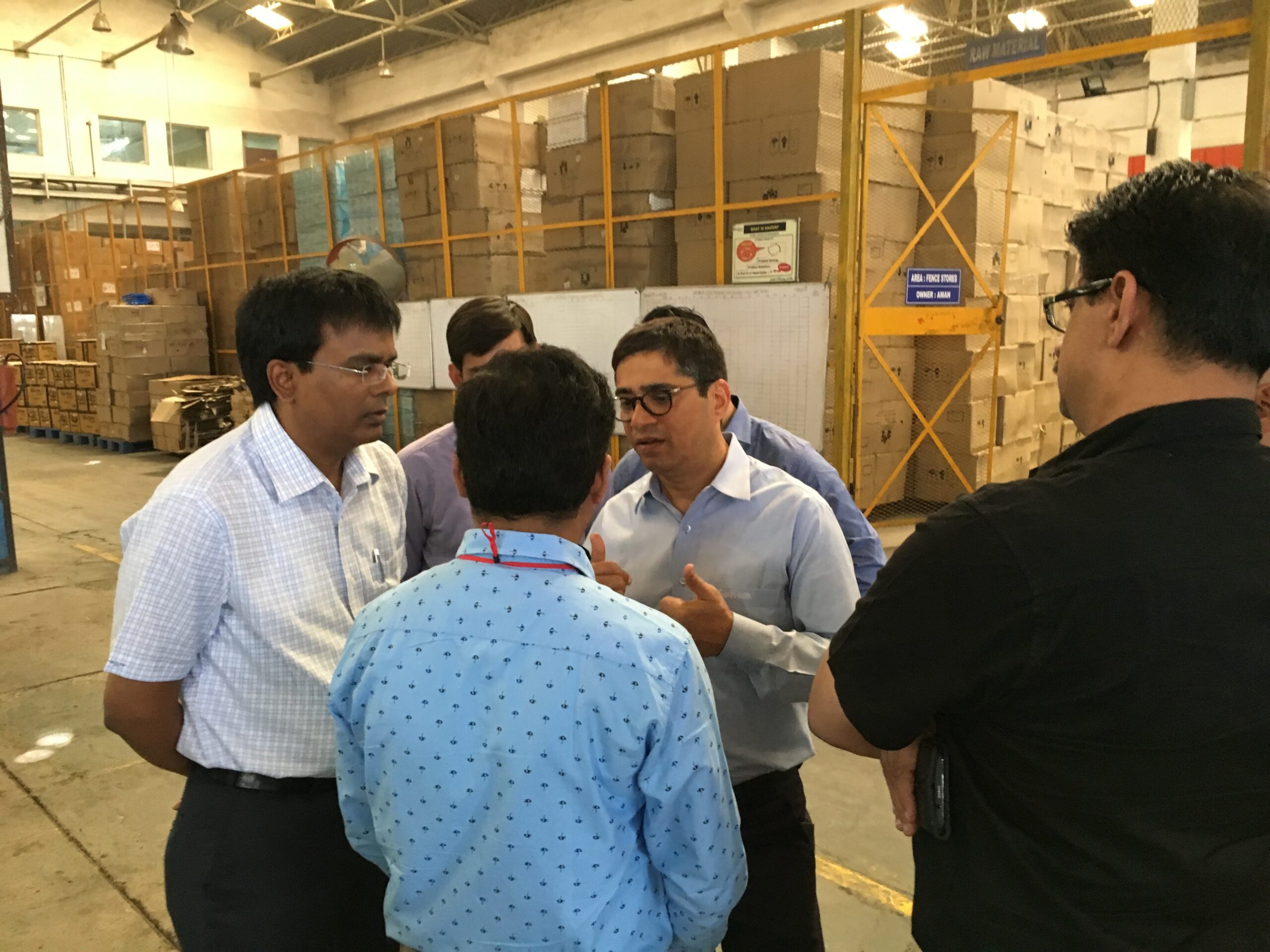
Su-Kam Power Systems — A ₹600 crore company that pioneered solar energy in India, sold for ₹10 crore under IBC liquidation.
This is Article 10 of 11 — the close of The IBC Files: An Entrepreneur’s Perspective, a ten-part series documenting what happens when India’s insolvency law meets the reality of entrepreneurship. Read the full series on kunwersachdev.com.
References & Sources
1. IBBI Disciplinary Order IBBI/DC/85/2022 against RP Rajiv Chakraborty (PDF)
2. IBBI Disciplinary Order IBBI/DC/178/2023 against Liquidator Raj Kumar Ralhan (IBBI PDF)
3. IBBI — disciplinary orders & insolvency framework
4. IBC Section 29A — India Code
5. ibclaw.in Research
6. Kunwer Sachdev v IDBI Bank — Delhi High Court (LiveLaw)
7. Insolvency and Bankruptcy Code, 2016 — India Code
← Previous: Article 9 — Personal Insolvency: The Last Straw
Series finale — Article 10 of 11. No next essay in The IBC Files.
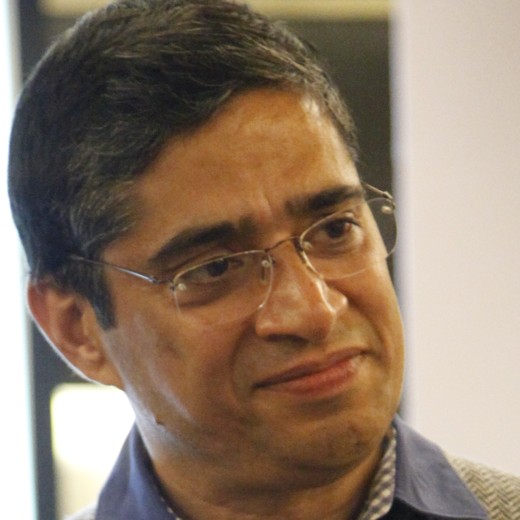
Founder of Su-Kam and Kunwwer.ai, and mentor at Su-vastika and several other companies — the “Inverter Man of India” and the “Solar Man of India.” Read his story →
These essays belong together
One founder’s record of the Insolvency and Bankruptcy Code — from commercial wisdom and CIRP to Section 29A, liquidation, and what India lost.
- 15 Years to Build, 180 Days to Destroy
- Commercial Wisdom: The Myth From Outside the Room
- Personal Insolvency: The Last Straw
- IBC India Critique: Truth vs Academic Myths
- Fair Value vs Liquidation Value
- IBC: A Debt Trap for Entrepreneurs
- You are here — Article 10: IBBI Penalised the RP & Liquidator
- The Entrepreneur as Criminal
- Inside the CIRP: 180 Days of Helplessness
- Section 29A: Punishing the Builder
- What Happens in NCLT Liquidation
- IBC, Banks & Manufacturing Entrepreneurs
- IBC Amendments: Who Do They Serve?
- National Wastage: 77 Patents Lost in Insolvency
We bid with a Kotak Bank term sheet of ₹250 crore. The bid was rejected. After three years that destroyed the organisation, they recovered ₹8 crore — and the Su-Kam brand was sold at zero value during COVID.
Frequently Asked Questions
What did IBBI do in the RP and liquidator penalty case Kunwer Sachdev writes about?
He recounts that IBBI penalised both the Resolution Professional and the liquidator for process failures—yet that penalty did not compensate the entrepreneur for value destroyed.
Does an IBBI penalty compensate the founder?
No. Regulatory fines on insolvency professionals do not restore the company, repay the promoter’s losses, or lift personal cases.
Why is this essay Article 10 of The IBC Files?
It closes the series arc: even when regulators punish process actors, the entrepreneur can remain uncompensated and trapped in residual consequences.
What accountability gap does he highlight?
Professionals may face fines while founders absorb irreversible business and personal damage—with no mechanism to make the injured entrepreneur whole.
What reform follows from IBBI penalties without compensation?
Create remedies that restore or compensate when process misconduct destroys value, not only disciplinary fines that leave the founder stranded.
In this series
Eleven linked essays from CIRP and liquidation, written by a founder who lived them. Series hub: The IBC Files.
- Article 1: IBC Amendments: Who Do They Really Serve?
- Article 2: How IBC, Banks & Bureaucracy Destroy Manufacturing Entrepreneurs
- Article 3: IBC: A Debt Trap for Entrepreneurs — My Personal Ordeal
- Article 4: Fair Value vs Liquidation Value Under the IBC
- Article 5: Section 29A — The Law That Bars Promoters from Bidding
- Article 6: Inside the CIRP — 180 Days of Founder Helplessness
- Article 7: What Happens in NCLT Liquidation: The Su-Kam Case
- Article 8: The Entrepreneur as Criminal — Human Cost of the IBC
- Article 9: Personal Insolvency — The Last Straw
- Article 10: IBBI Penalised the RP & Liquidator — No Compensation for the Entrepreneur (this article)
- Article 11: The Silent Bloodbath — How IBC Wipes Out Operational Creditors