The Broken System: How IBC, Banks & Bureaucracy Destroy Manufacturing
In India, normal business cycles and operating losses are treated as moral crimes. The moment a manufacturing enterprise faces headwinds, banks freeze liquidity, the Committee of Creditors operates with zero fiduciary accountability, and Section 29A bars the builder from rescuing the company—destroying thousands of industrial jobs to recover pennies on the rupee.
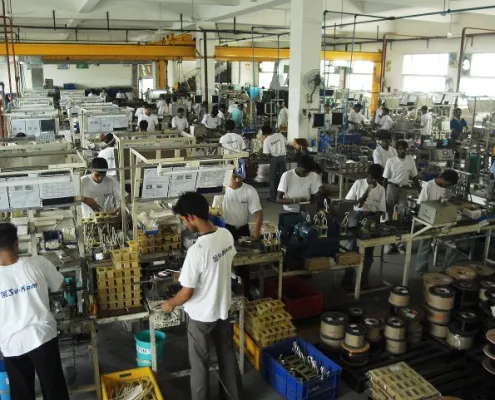
A manufacturing plant is not a trading desk. When the Code freezes vendors, working capital, and shop-floor decisions, high-tech production lines do not pause — they die.
Why rigid 180-day clocks fail complex engineering businesses with six-month supply cycles and long conversion cycles.
What happens when financial accountants and resolution professionals with zero manufacturing knowledge try running factories.
How operational delays convert a viable going concern into scrap metal — while recovery math looks tidy on paper.
“A manufacturing plant is not a spreadsheet. You cannot freeze vendor credit, delay working capital for months, and expect high-tech production lines to survive.”
IBC, How IBC, Banks & Bureaucracy Destroy Manufacturing Entrepreneurs — THE IBC FILES: AN ENTREPRENEUR’S PERSPECTIVE
01Banks, Section 29A, and CoC control vs manufacturing founders
← Previous: Article 1 — IBC Amendments: Who Do They Really Serve?
“I have run factories for more than 35 years. I built Su-Kam from scratch into a brand that operated in 90 countries, employed 5,000 people, and held over 70 patents. I have seen the inside of every government office, every bank branch, every labour inspector’s cabin. So when I say India needs more manufacturing entrepreneurs, I say it with a painful truth attached: the system does not want you to succeed.” — Kunwer Sachdev
02The Manufacturing Gap Is Real — But So Are the Barriers
The Broken System starts in the numbers: India’s manufacturing sector contributes only 15–17% of GDP, compared to China’s 27%. Everyone talks about closing this gap. The government launches scheme after scheme — PLI, MSME incentives, Udyam registration, Make in India. On paper, they look wonderful. But ask any manufacturer who has actually tried to avail these schemes, and they will tell you about the caveats — the fine print that makes most of these benefits unreachable for the people who need them most.
03“Ease of Doing Business” — A Slogan, Not Reality
The government has moved many processes online. That sounds progressive. But here is the truth that nobody wants to say openly: those online systems are still operated by the same people with the same mindset. The processes went digital, but the attitudes did not. The same bureaucrat who used to delay your file in a physical office now delays it in a digital queue. Cosmetic changes do not fix a broken culture.
Unless government agencies are made sensitive towards the role of entrepreneurs as builders of this society — as people who create jobs, pay taxes, and take enormous personal risk — nothing will change. Entrepreneurs need to be respected, not treated as suspects who need to be regulated into submission.
04The Daily Reality of Running a Factory in India
If you have never run a factory in India, let me paint you the picture. You wake up worrying about labour compliance — not because you are violating anything, but because the inspector who visits your factory has the power to find fault with anything and everything. Then there is raw material procurement, where prices fluctuate wildly and supply chains remain unreliable. The daily followup for payments, orders, delayed payments and answering the suppliers, customers, employees. The Indian system of management where people don’t work in coordination and hide information. Then comes banking — for which we have to make the balance sheet which is positive only, with profit only, as if you show the losses the loan will be recalled immediately.
05What Banks Did to Su-Kam — A Cautionary Tale
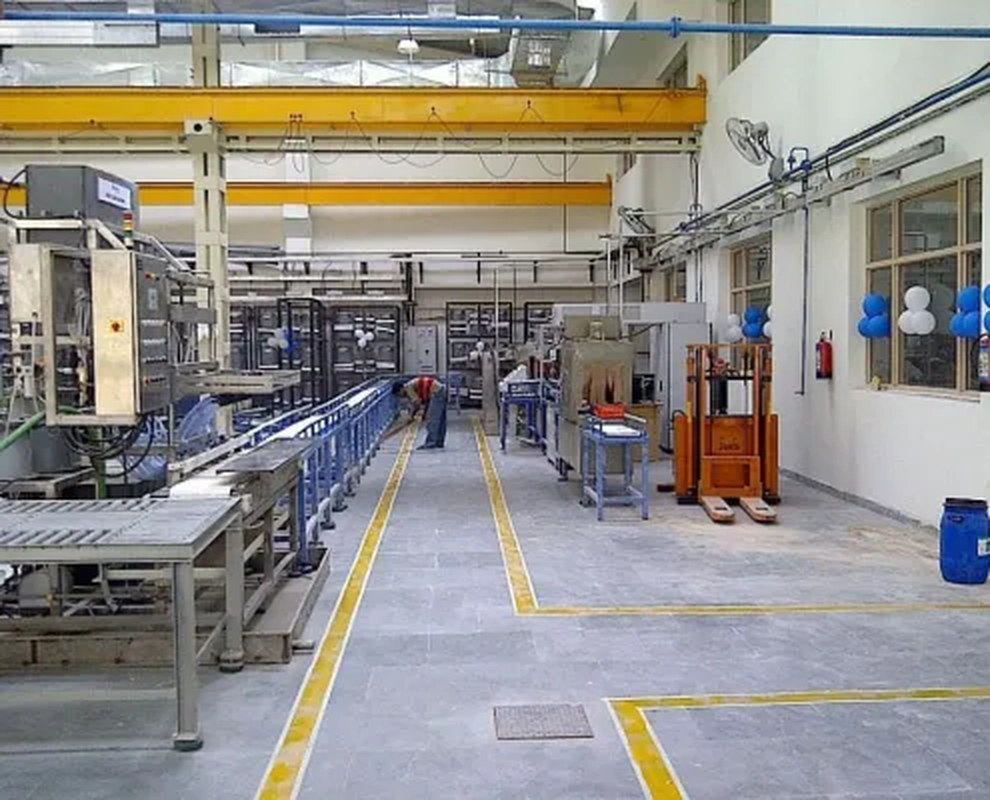
I built Su-Kam into a company valued at ₹300 crores that revolutionized the power backup industry in India. We were the first to export power electronic products from India, starting in 2003. We competed against Chinese and American companies in the Middle East and Africa — and won. Our products worked from sub-zero to 55-degree temperatures without air conditioning.
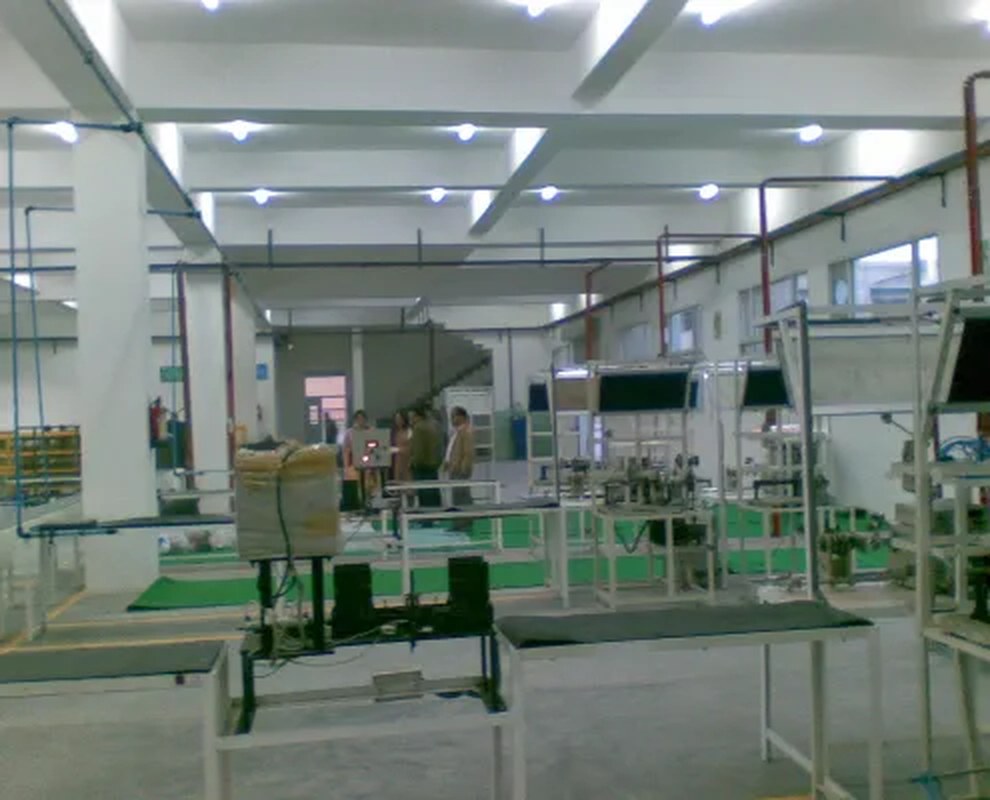
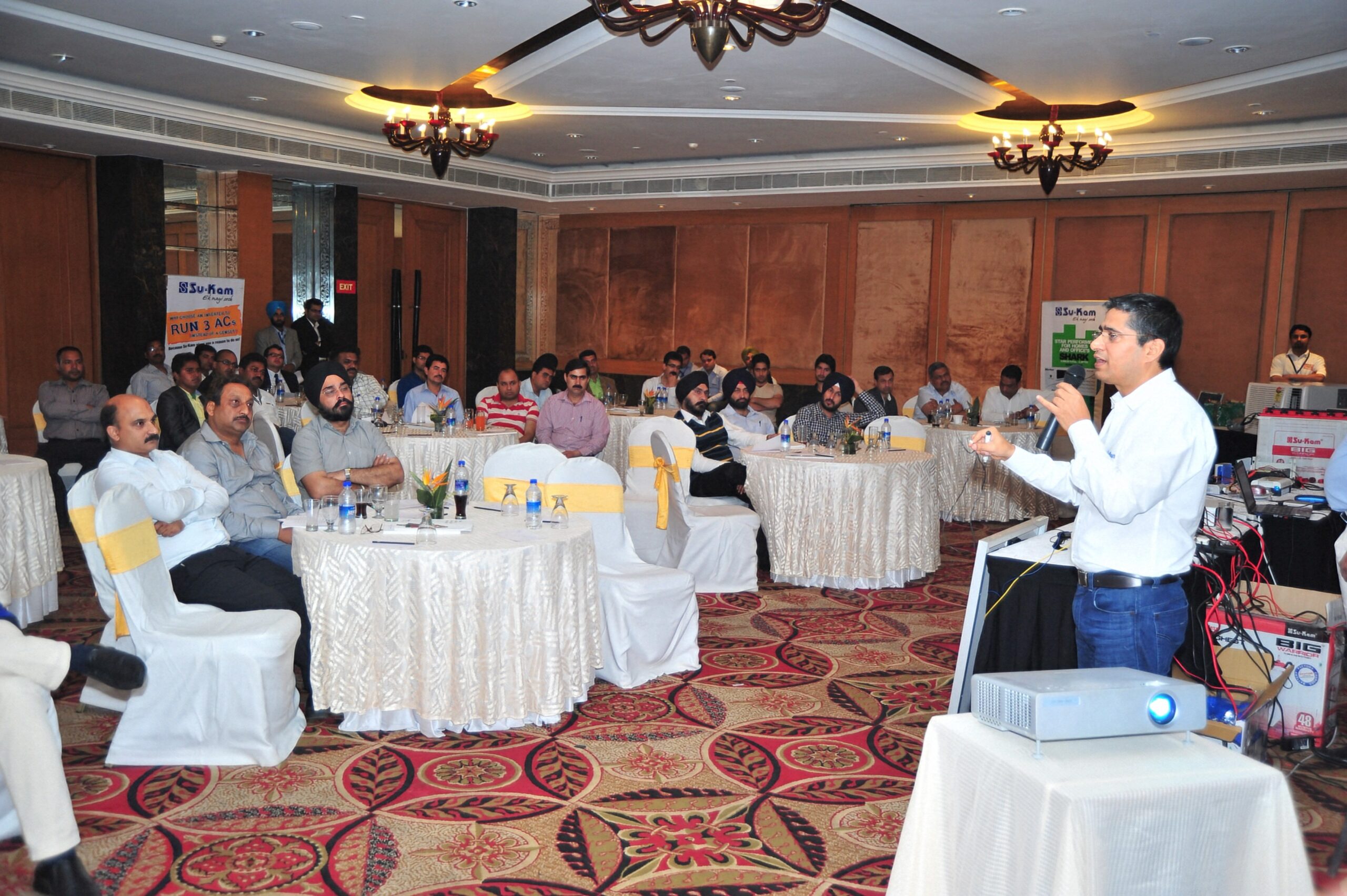
Then the banks came in. The money owed to them and the assets owned by the company were more than sufficient to pay back every rupee. But instead of working with us, the financial institutions shut down the company overnight. All customer services — closed. Dealers and distributors who had invested in our brand — left stranded. Warranties — dishonoured.
The brand I built over 35 years was taken away with a single stroke. The company was subjected to a full year of mismanagement under COC control, incurring ₹40 crores in CIRP costs while the value of the company and its brand deteriorated completely. The company was then shut down and sold during the COVID-19 pandemic — with the Su-Kam brand itself sold at zero value.
We bid with a Kotak Bank term sheet of ₹250 crore; the bid was rejected under the shelter of Section 29A. After three years that destroyed the organisation, banks recovered about ₹8 crore — against assets earlier talked about near ₹300 crore by Big-4 valuers — and the Su-Kam brand was sold at zero value during COVID. Even the Delhi High Court recognized the failure — it issued a verdict emphasizing the need for COCs to have clear guidelines and instructed the IBBI to create rules for COC conduct.
For founders and MSMEs seeking AI legal diagnostics and dispute risk assessment, explore Legal Shield on https://kunwwer.ai/.
06The IBC Disaster — A Law That Kept Changing
When the Insolvency and Bankruptcy Code (IBC) was implemented, it was done without creating proper systems to support it. The law was not ready, the infrastructure was not ready, and the people running the process were not ready. Yet they pushed it through. And then they kept changing the law every six months. How can any entrepreneur plan for the future when the rules of the game change before you have even finished learning the old ones?
The IBC was supposed to rehabilitate stressed companies and give entrepreneurs a new life. But in practice, it became the opposite — a tool for creditors to destroy stressed companies.
In those liquidation cases, creditors had claims worth ₹2,43,703 crores. How much did they recover? Just ₹8,788 crores — a recovery rate of 3.6%. The “Fresh Start” process eligibility cap is ₹35,000 in debt and ₹60,000 annual income — no real entrepreneur qualifies.
07Look at China — A Different Approach Entirely
The Chinese government does not treat loans the way India does. In China, if a manufacturing company faces financial difficulty, the system works to keep the company alive. In India, we shut down factories to recover loans, destroy the brand, scatter the workforce, and then recover a fraction of the money.
China became the world’s manufacturing superpower not because they had better entrepreneurs than India — but because their system supported manufacturing entrepreneurs instead of working against them. In China, the executive and judiciary are aligned — they work as one system. In India, the executive and judiciary are separate, and they often pull in opposite directions.
08The Banking System That Forces Entrepreneurs to Lie
No company can show losses to banks — because in India, losses are treated as a crime. The moment you show losses in your balance sheet, the bank will recall its money. But any business can go through cycles of profit and loss — this is normal everywhere in the world.
India’s banking system forces dishonesty, and then punishes entrepreneurs for being dishonest.
09What Goes Wrong After NCLT Takes Over
When a company is admitted to NCLT, the Resolution Professional (RP) takes over. The new people have no experience of running that specific company. Meanwhile, the existing experienced people start leaving one by one. The entrepreneur who built the company is sidelined. This creates a vacuum that nobody can fill.
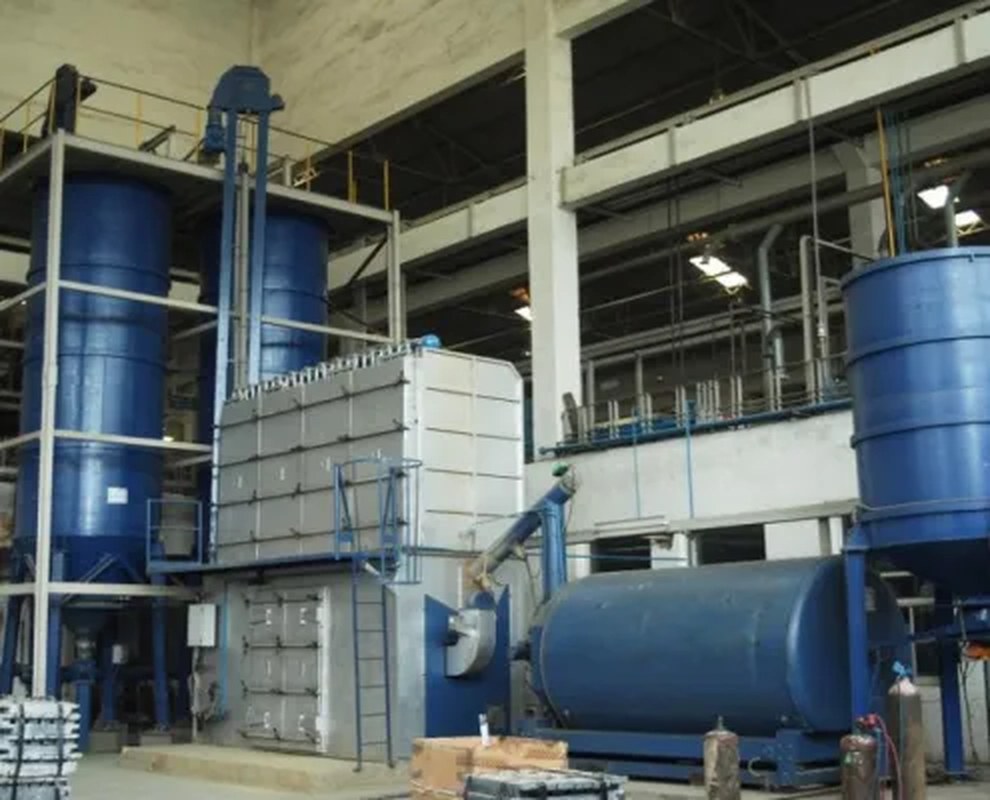
Banks have no obligation to invest in the company after takeover to keep it running. The NCLT court should mandate investment to keep the company operational.
10One Size Does Not Fit All — Industry Segmentation Is Missing
In the NCLT, there is no difference between a company with 10 employees and one with 10,000 employees. A manufacturing company with a recognized brand, patents, thousands of skilled workers, and export relationships — this has immense value for the nation. The IBC process ignores all of this.
11The COC Has Zero Accountability
The Committee of Creditors (COC) runs the company through the RP. They have no responsibility towards the company. They can sell it for any price — even for free. The COC is not required to follow any rules about preserving value. Meanwhile, the promoter who built the company is held liable for everything.
12Entrepreneurs Destroyed by Investigating Agencies
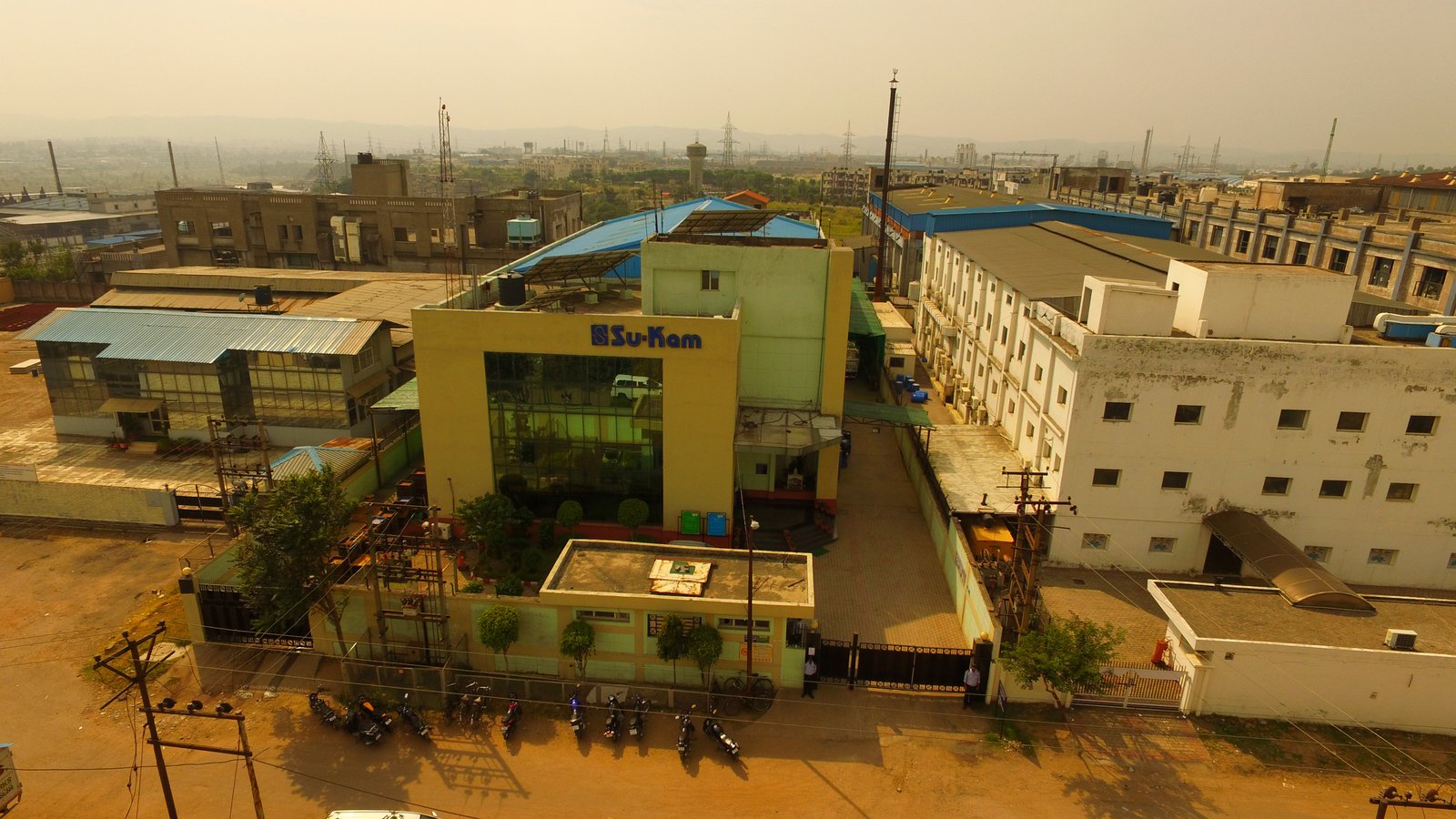
Once a company enters IBC, the entrepreneur is thrown to CBI, ED, and the Ministry of Corporate Affairs. From that point, they will never get a second chance at life. These entrepreneurs built organizations over decades — they have experience and knowledge equivalent to any senior IAS officer, politician, or banker. Yet they are destroyed by the stroke of one order.
13The Personal Guarantee Injustice
When a company is taken over by NCLT, the interest on the loan continues to accumulate. The company is no longer in the entrepreneur’s control, but the interest meter keeps running against the personal guarantee. The personal guarantee liability should be limited to the amount determined by the valuation report, and the money recovered should be deducted.
14Learn from the USA — Keep Entrepreneurs Involved
In the United States, Chapter 11 bankruptcy allows the company to continue operating while restructuring its debts, and the existing management often stays in place. India’s IBC does the opposite — it removes the entrepreneur completely.
15Would I Advise My Children to Start a Factory?
After 35 years of manufacturing, I would not advise my children or the children of my close friends to set up a factory in India. Not because manufacturing is not important — it is the backbone of any economy. But because the life of a manufacturer in India is incredibly tough, and the system is not designed to support you.
“After 35 years of manufacturing, I would not advise my children to set up a factory in India.” — Kunwer Sachdev
16Reforms That Can Fix the IBC
First, the promoter must be part of the valuation committee. Second, the promoter’s liability should be capped at the valuation determined at the start of the CIRP process. Third, recovery should be measured against the valuation of the company at the start of CIRP, not against the loan amount. Fourth, separate data must be published on manufacturing companies.
Read more: IBC Amendments — Who Do They Serve?
17What India Actually Needs
India does not need more schemes with clever names. India needs an attitude shift. I still believe in Indian manufacturing. I started Su-vastika after losing Su-Kam because I cannot stop building. But I will not pretend the path is easy.
- Insolvency and Bankruptcy Board of India (IBBI) — Official data on IBC cases and outcomes
- The Insolvency and Bankruptcy Code, 2016 — Full text of the Act
- Make in India — Government of India initiative
- Production Linked Incentive (PLI) Scheme — Press Information Bureau
- Chapter 11 Bankruptcy (USA) — Restructuring under U.S. law
- World Bank — Business Enabling Environment
- IBC Amendments — Who Do They Serve? — kunwersachdev.com
FAQFrequently Asked Questions
How do banks and bureaucracy affect manufacturing entrepreneurs under IBC?
Kunwer Sachdev argues that bank-led CoC control, delayed decisions, and bureaucratic layering turn insolvency into value destruction for factories, jobs, and first-generation manufacturers.
Why are manufacturing firms especially vulnerable in IBC?
Manufacturing depends on working capital, supplier trust, and continuity. Once CIRP/liquidation freezes operations, plant value and channel relationships collapse faster than paper recoveries rise.
What role does Section 29A play in this broken system?
By barring original promoters from bidding, Section 29A can remove the one party with the most knowledge and incentive to keep a factory alive, often leaving lower-value outcomes.
What does Kunwer Sachdev propose for manufacturing founders?
Separate tracks for honest failure, promoter participation where viable, and timelines that protect enterprise value—not only collateral recovery.
The Broken System: would he advise his children to start a factory?
After 35 years of manufacturing he says he would not advise his children to set up a factory in India — not because manufacturing does not matter, but because the system is not designed to support the builder.
What happened to Su-Kam under this broken system?
He writes that a running manufacturer was shut overnight. Customer service closed, dealers were stranded, warranties were dishonoured, and banks recovered a fraction of the enterprise value that had been built.
••In this series
Eleven linked essays from CIRP and liquidation, written by a founder who lived them. Series hub: The IBC Files.
- Article 1: IBC Amendments: Who Do They Really Serve?
- Article 2: How IBC, Banks & Bureaucracy Destroy Manufacturing Entrepreneurs (this article)
- Article 3: IBC: A Debt Trap for Entrepreneurs — My Personal Ordeal
- Article 4: Fair Value vs Liquidation Value Under the IBC
- Article 5: Section 29A — The Law That Bars Promoters from Bidding
- Article 6: Inside the CIRP — 180 Days of Founder Helplessness
- Article 7: What Happens in NCLT Liquidation: The Su-Kam Case
- Article 8: The Entrepreneur as Criminal — Human Cost of the IBC
- Article 9: Personal Insolvency — The Last Straw
- Article 10: IBBI Penalised the RP & Liquidator — No Compensation for the Entrepreneur
- Article 11: The Silent Bloodbath — How IBC Wipes Out Operational Creditors
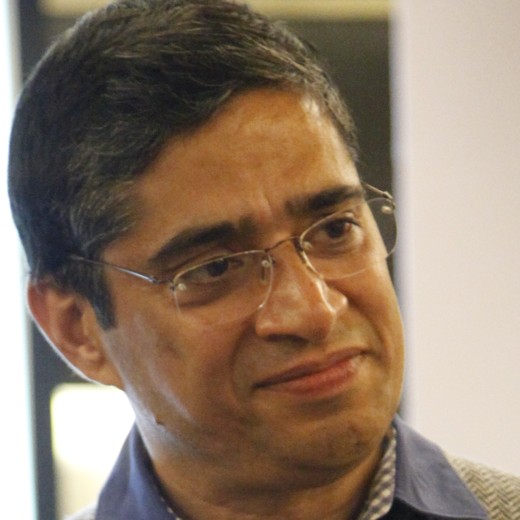
Founder of Su-Kam and Kunwwer.ai — the “Inverter Man of India” and the “Solar Man of India.” Read his story →