THE IBC FILES · CAPSTONE ESSAY 12
The Car and the Factory: Why India Grants More Dignity to a Car Defaulter Than to an Industrial Builder
Under Section 141 of the Contract Act and SARFAESI, a car or home loan defaulter receives statutory dignity, transparent valuation, and a right of redemption. Under the IBC, the industrial manufacturer is barred under Section 29A, enterprise value is destroyed in bank custody, and the builder is pursued into civil death.
Part of The IBC Files — Read the series policy playbook on CIRP, Section 29A, liquidation, and systemic reform. ← Essay 09 · Essay 13 → · Manufacturing Mirage →
Continue the series: Essay 13 — The Home Loan vs. The Factory Loan (SARFAESI vs IBC) · Essay 14 — Subhash Chandra / Forensic Gatekeeper.
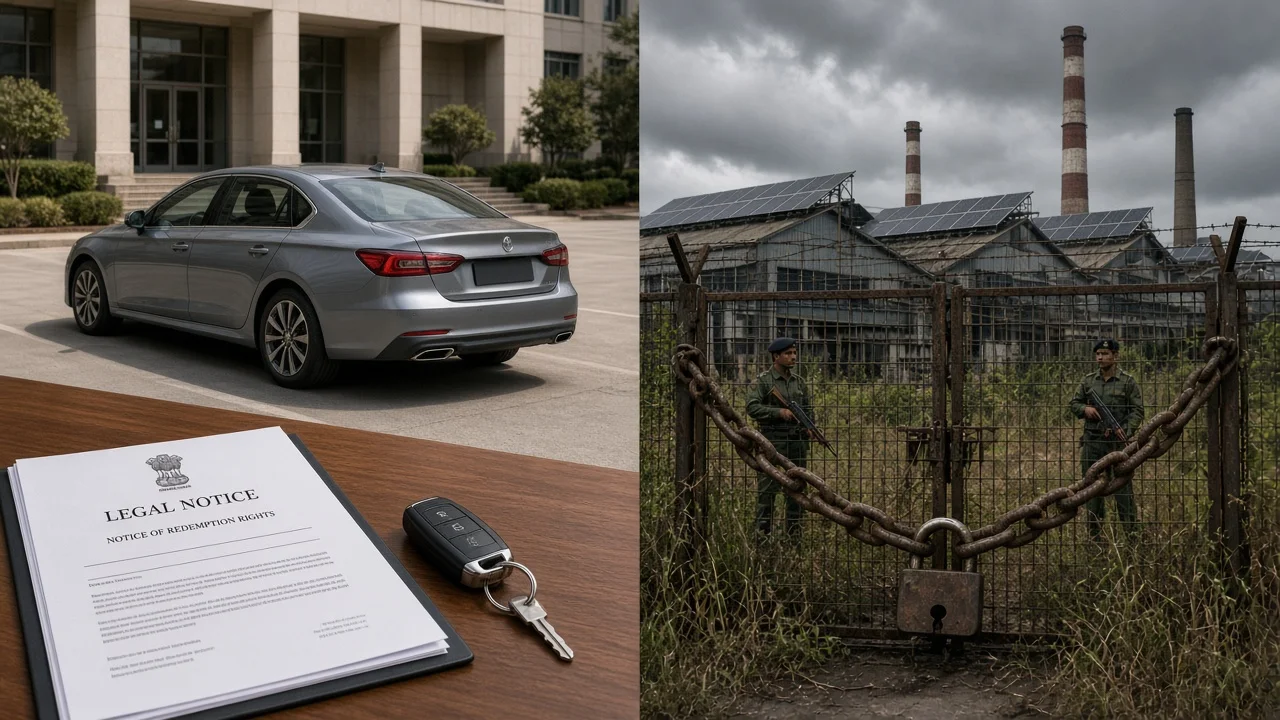
If you buy a car on a bank loan in India and hit hard times, the legal system still treats you as a human being.
If you miss your EMIs, the bank will eventually repossess the car. But under Reserve Bank of India (RBI) Fair Practices guidelines and settled consumer law, they cannot strip you of your dignity. The bank is legally required to send you a formal pre-sale notice. They say:
“Sir, your vehicle is in our yard. You have 14 days. If you can clear your arrears, take your car back. If you know a buyer willing to pay a fair price, bring them to us. We cannot sell your car in a secret deal, and if we let it get damaged or rust in our yard, we cannot hold you liable for our carelessness.”
Under Section 141 of the Indian Contract Act, 1872, the doctrine is absolute: if a creditor loses, impairs, or damages the security in its custody, the guarantor is legally discharged to the extent of that impaired value.
Even in default, the law remembers that the asset belongs to a citizen. It provides a path to redemption, a transparent valuation, and protection against the lender’s negligence.
Now, look at what happens when you build a factory in India.
01A Factory Is Not a Car
A factory is not a machine. A factory is not a balance sheet, a piece of real estate, or a cold corporate filing.
A factory is twenty, thirty years of a man’s life.
It is thousands of dawn shifts on the shop floor. It is the acrid smell of hot solder, transformer oil, and freshly cut copper. It is circuit diagrams sketched on scrap paper at 2:00 AM. It is hundreds of families who built their homes, educated their children, and celebrated their weddings on your monthly payroll.
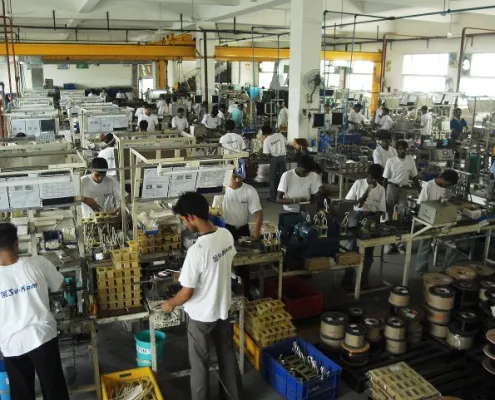
It is the quiet, fierce pride of walking through airports in Nairobi, Dubai, or Lagos and seeing home inverters, solar panels, and power backup units stamped with “Made in India”—engineered and built in your plants in Gurugram, Baddi, or Haridwar.
Then, macroeconomic headwinds hit. A sudden disruption in the power sector, delayed government payments, a demonetization shock, or a sudden tightening of bank liquidity. Cash flows freeze. You default on a debt covenant.
One morning, an order is signed by the National Company Law Tribunal (NCLT).
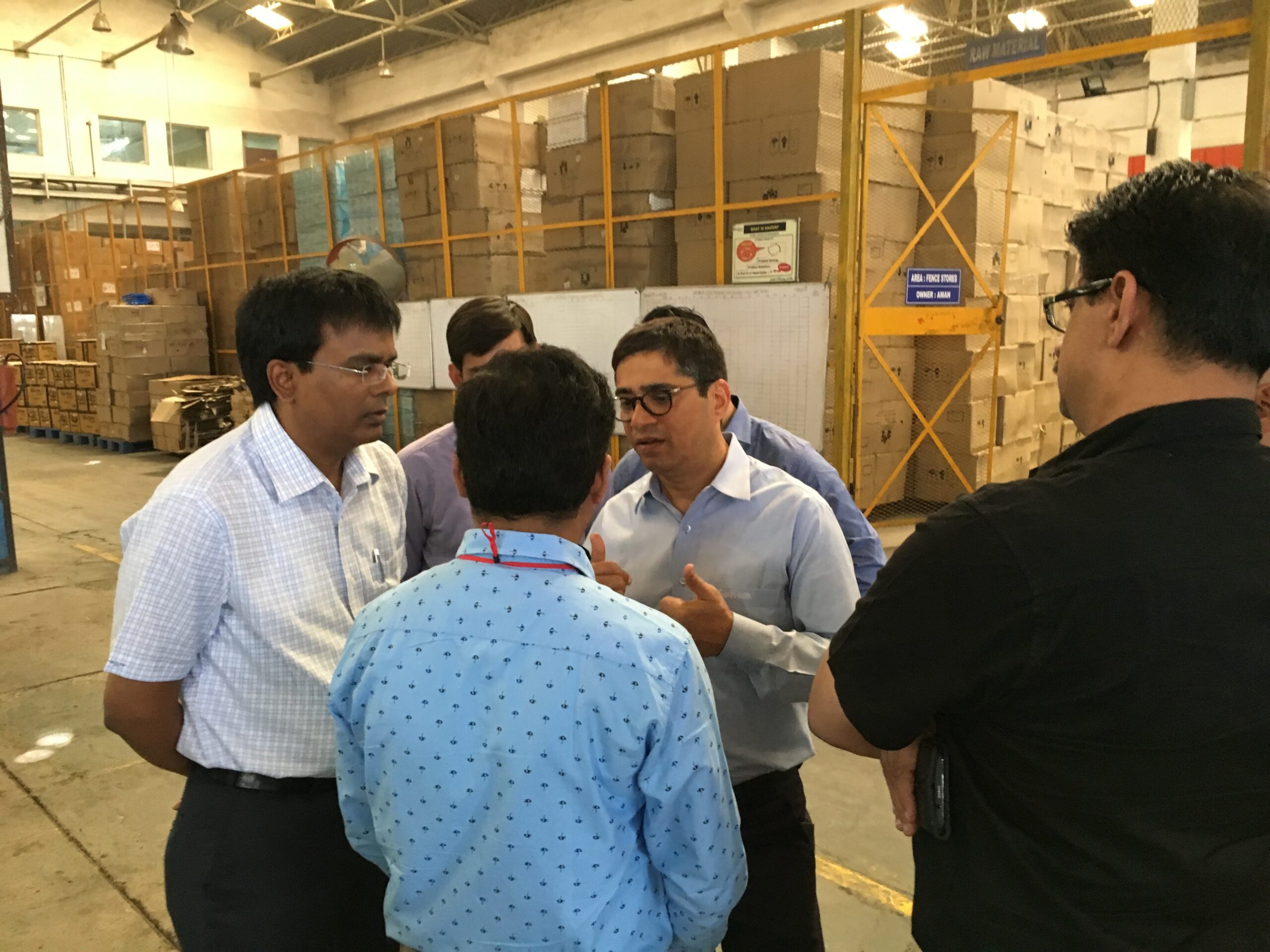
Suddenly, strangers walk through the gates of the enterprise you spent a lifetime building. Men in bespoke suits who have never spent five minutes on a factory floor, who have never designed a piece of hardware, and who have never had to scramble to meet a Friday payroll, take the master keys.
Security guards are posted at the entrance. You are handed a cardboard box, told to collect your personal belongings from your desk, and instructed to step outside the gate.
In an instant, the law makes you an outsider to your own life’s work.
02The Slaughterhouse: Watching the Asset Die
Once the Corporate Insolvency Resolution Process (CIRP) begins, you stand outside the boundary fence and watch the destruction unfold.
As I documented in Inside the CIRP: 180 Days of Founder Helplessness, the bank-appointed Resolution Professional (RP) and the Committee of Creditors (CoC) do not know how to run an industrial business.
Component vendors who worked with you on mutual trust for 25 years refuse credit to court-appointed accountants. Production lines stall.
Highly skilled R&D engineers, knowing the company is in insolvency limbo, walk away to competitors.
Distributors stop placing orders, and long-term institutional contracts are canceled.
Within months, a vibrant manufacturing powerhouse generating hundreds of crores in revenue is starved of working capital and reduced to a silent graveyard of cold machines.
You rush to the lenders. You rush to the tribunal. You plead:
“Let me bring an external equity partner. Let me put my personal life savings on the table. Let me submit a resolution plan to save this factory. I designed these products—I know how to run these assembly lines, restore cash flows, and pay back every single rupee of public money.”
And India’s insolvency law looks you in the face and says:
“No. Under Section 29A of the IBC, you are the promoter. You are barred. You are an untouchable.”
Under the banner of Section 29A, the law draws no distinction between an outright economic fraudster who siphoned money to offshore accounts and an honest manufacturing builder hit by operational headwinds. Both are disqualified from bidding to save their enterprise. (Read: Section 29A: The Law That Bars Promoters from Bidding.)
03Selling the Corpse for Scrap
Denied the right to rescue your own company, you are forced to watch the inevitable conclusion: Liquidation.
As detailed in The Day Su-Kam Died: What Happens in NCLT Liquidation, the valuations conducted under the IBC defy economic logic:
- Behind closed doors, valuers concoct an artificially depressed “Liquidation Value” that discounts brand equity, distributor networks, and intellectual property to zero. (See: Fair Value vs. Liquidation Value Under the IBC.)
- Su-Kam’s portfolio of 77 hard-earned technology patents and decades of brand equity were treated as worthless line items.
- Running plants are auctioned off at 5% to 15% of their replacement value to scrap dealers and liquidators who have zero intention of manufacturing anything.


The banks vote to take an 85% to 95% haircut on the corporate debt, pat themselves on the back, and call it a “successful resolution.”
Meanwhile, the operational creditors—the small MSME vendors who supplied plastic granules, transformers, and packaging—are wiped out completely without receiving a single paisa (See: The Silent Bloodbath: How IBC Wipes Out Operational Creditors).
04The Ultimate Extortion: The Personal Guarantee
Then comes the final cruelty.
If you had defaulted on a car loan, and the bank let your car rust in a yard for three years, Section 141 would discharge you. The bank could not bill you for the depreciation they caused.
Under the IBC, the exact opposite occurs.
While the factory was in the sole custody of the lenders and their RP, interest and penal charges continued to compound on the bank’s ledgers month after month.
Once the company’s physical assets are auctioned off for pennies, the banks turn around, look at the builder standing ruined outside the gates, and invoke the Personal Guarantee.
“We took your company. We barred you from saving it. We destroyed its enterprise value under our watch. We sold your machinery for scrap. But twenty years ago, you signed a personal guarantee. Now, give us your personal bank accounts. Give us your home. Give us your passport. You owe us the remaining 90% plus all the interest accumulated while we ran your asset into the ground.”
In my own case, the Insolvency and Bankruptcy Board of India (IBBI) formally penalised both the RP and the Liquidator for serious procedural violations and misconduct.
Did that proven destruction discharge my personal guarantee? Did the entrepreneur receive one rupee in compensation or debt set-off? Not a single paisa.
05The Subhash Chandra Mirror: When Legal Fictions Collapse
This brings us to the recent national headlines surrounding Zee founder Subhash Chandra’s personal insolvency case before the NCLT. For the full deep dive — including the voting architecture, US/UK fresh-start contrast, and the forensic gatekeeper rule — read Essay 14: Why the Subhash Chandra Case Must Force a Rewrite of India’s Personal Insolvency Law.
A proposed repayment plan of ₹6.25 crore against astronomical claims exceeding ₹22,000 crore. A split division bench. The formation of a historic 5-member NCLT bench, followed by swift stays and appeals before the NCLAT.
This standoff exposes the fundamental farce of India’s personal guarantee regime:
No single human being in India can personally pay back ₹22,000 crore of corporate debt. Treating personal guarantees on large-scale corporate borrowings as recoverable personal cash reserves is a mathematical absurdity.
While conglomerate cases get tied up in multi-year procedural deadlocks, the mid-market manufacturing entrepreneur faces immediate, total civil death. Their bank accounts are frozen, Look-Out Circulars (LOCs) are issued, and their ability to ever start another business is permanently extinguished. (Read: Personal Insolvency: The Last Straw.)
06The Moral Question India Must Answer
Why was the Personal Guarantee invented in the first place?
It was designed as a moral hazard check—an anti-fraud provision to stop unscrupulous promoters from siphoning company funds into personal offshore havens. It was meant to say: “If you steal from your company, the corporate veil will not protect your personal wealth.”
Instead, Indian banks turned it into a lazy, blanket rubber-stamp for every operational credit line, effectively killing the concept of Limited Liability for Indian entrepreneurs.
Pause and compare the two realities:
Has the right of redemption. Can clear arrears and take the car back. Can bring a higher buyer to prevent distress sale. Is protected by Section 141 if the lender ruins the vehicle.
Barred by Section 29A from buying back the factory. Has zero say in the secret liquidation valuation. Denied Section 141 protection when the enterprise is ruined in bank custody. Held personally liable for compounding interest accrued during court delays.
Why does an Indian who defaults on an automobile get dignity, transparency, and statutory protection, while the Indian who builds an industrial manufacturing plant gets treated like an outlaw?
07Three Non-Negotiable Reforms for Parliament & IBBI
If India genuinely wants to build a $5-trillion economy rooted in domestic manufacturing, Parliament and the IBBI must overhaul the personal insolvency framework:
If an enterprise’s value is impaired, mismanaged, or shut down while under the custody of the RP and CoC, the personal guarantor’s liability must be proportionally discharged.
The debt ledger must freeze on the date of CIRP admission. Lenders cannot compound interest on loans while simultaneously locking the promoter out of operations.
Distinguish between economic crime and genuine business distress. Allow non-fraudulent promoters the statutory right to participate in turnaround plans under transparent, court-monitored bidding.
A nation that destroys its builders while protecting its bankers will soon find that no one is left with the courage to build.
••Explore The IBC Files Series
- Main Hub: The IBC Files: 11 Essays from Inside India’s Insolvency Code
- Next in Policy: The Manufacturing Mirage: Why Hardware & Deep-Tech Struggle in India
- Policy & Media Inquiries: Contact Kunwer Sachdev

Founder of Su-Kam and Kunwwer.ai — the “Inverter Man of India” and the “Solar Man of India.” Read his story →