The Great Solar Assembly Illusion: How Government Policies Squeezed Out the True Builders
Today, looking at how Indian solar manufacturing policy has evolved, an uncomfortable and alarming truth must be told: We haven’t built a technological manufacturing powerhouse; we have built a tariff-protected assembly ring.
1. The Missing R&D: Importing Machines, Not Innovation
When you examine the explosive growth of India’s multi-gigawatt solar capacity touted in government press releases, a fundamental question must be asked: Where is the indigenous technology?
Poured into proprietary research, cell architecture, and efficiency breakthroughs.
Virtually zero investment in fundamental silicon or cell-level research.
The Turnkey Dependency
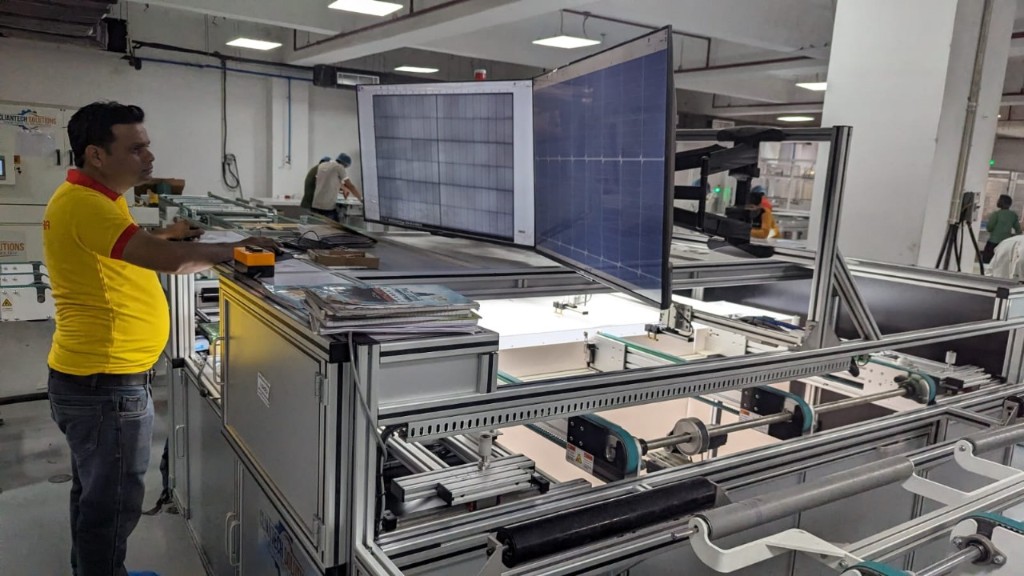
We import automated production lines, technological blueprints, and raw silicon wafers straight from China. We bolt the machines down on massive land footprints, assemble the modules, slap a “Made in India” label on them, and call it self-reliance.
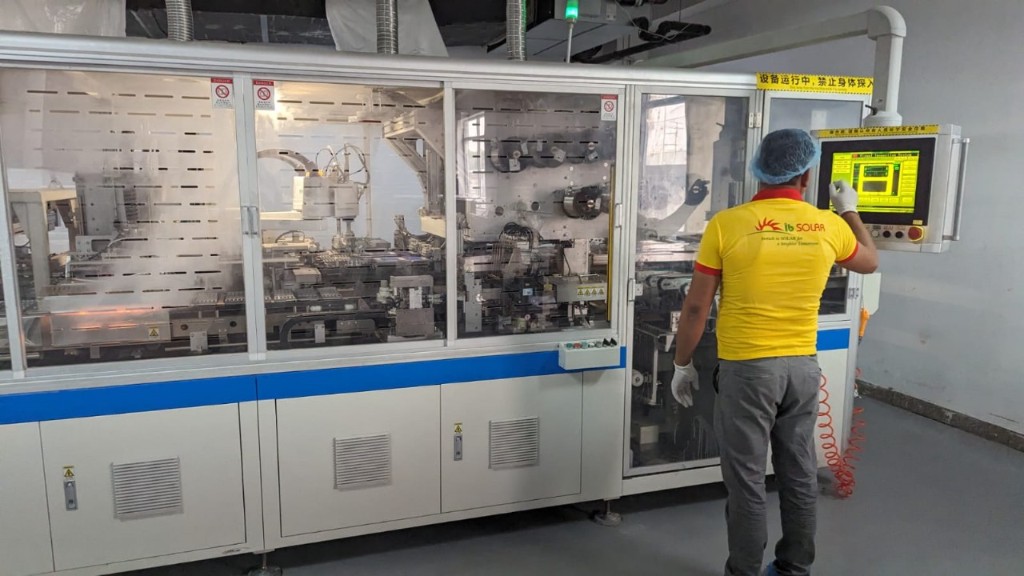
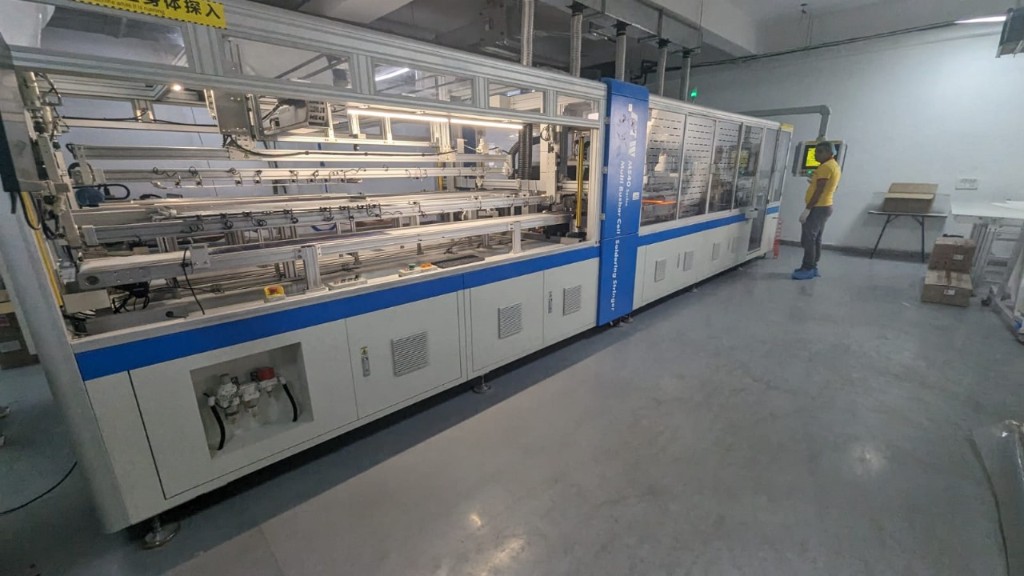
That is not manufacturing depth. That is high-volume assembly wrapped in a national flag. If the foreign supply chain for equipment or raw material stumbles, our entire manufacturing house of cards stalls.
2. Policies That Killed the Small Builder to Protect the Few
When the domestic solar industry struggled to compete organically, the government rolled out heavy protectionist instruments—such as the Approved List of Models and Manufacturers (ALMM) and aggressive Anti-Dumping Duties (ADD).
The stated intent was noble: foster domestic manufacturing. But the practical reality was a masterclass in exclusion:
The Moat for an Oligopoly
These policies were engineered with compliance costs and capital-expenditure thresholds so massive that they effectively squeezed out thousands of small-scale, independent manufacturers and grassroots innovators.
The Chosen Few & The Gujarati Network
The entire ecosystem of large-scale solar production became heavily concentrated in the hands of traditional business houses and massive corporate groups rooted in the commercial networks of Gujarat:
Adani Solar
Led by Gautam Adani, with massive manufacturing bases anchored in hubs like Mundra, Gujarat.
Waaree Energies
Led by the Doshi siblings (Hitesh Doshi & brothers), anchored across Surat, Chikhli, and Tumb in Gujarat.
Goldi Solar
Led by Capt. Ishver Dholakiya, headquartered directly in Surat, Gujarat.
Vikram Solar
Driven by the Chaudhary family, tracing commercial roots back to business networks of Gujarat.
Instead of democratizing industrial growth and encouraging a thousand small inventors to build, state policy created a closed-door oligopoly driven by established business networks that knew how to work the corridors of power.
3. The Alarm for India: Where Are the Hardware Innovators?
When young Indian entrepreneurs look at the landscape today, what lesson are they being taught?
Software vs. Hard-Tech: If you build software or a delivery app, you are chased by venture capital.
The Hard-Tech Reality: But if you try to build a hard-tech manufacturing enterprise, you face a hostile regulatory environment, an impossible capital barrier, and the constant threat of being wiped out by an insolvency system that treats 30 years of industrial sweat as a ledger entry. See also: how IBC and banks destroy manufacturing entrepreneurs.
They see that true manufacturing innovators who hold patents and know how to wire a shop floor are sidelined, while capital-heavy giants dominate through lobbying, scale, and tariff walls.
“If India truly wants to achieve self-reliance and win the global clean energy race, we must stop measuring success by gigawatt press releases and protectionist tariffs.”
The Questions the Government Must Answer
- How can an industry claim leadership when it spends 0.1% on R&D and owns virtually none of the core cell technology?
- When will policy stop protecting a privileged oligopoly and start supporting the true, grassroots hardware innovators who want to build India’s manufacturing backbone from the shop floor up?
For hardware founders navigating regulatory, legal (IBC/NCLT), and manufacturing-scale challenges, explore AI tools and Legal Shield on Kunwwer.ai.
Frequently Asked Questions
The Inverter Man & Solar Man of India. Entrepreneur, Founder of Su-Kam, Mentor at Su-vastika, and Founder of Kunwwer.ai with 106 technology filings. Read his story →
Disclaimer: Kunwer Sachdev exited Su-Kam Power Systems Ltd. in 2019 and holds no association with the company since. Any current dealings with Su-Kam are solely with its current management. Full disclaimer →
Kunwer Sachdev
Founder, Su-Kam Power Systems (1988–2019) and Kunwwer.ai, mentor at Su-vastika — the “Inverter Man of India” and the “Solar Man of India.” Read his story →
The same hardware clock that policy ignores shows up as named venture wreckage in Part 2 — The VC Hardware Graveyard, and as training failure in The Ivory Tower Trap.