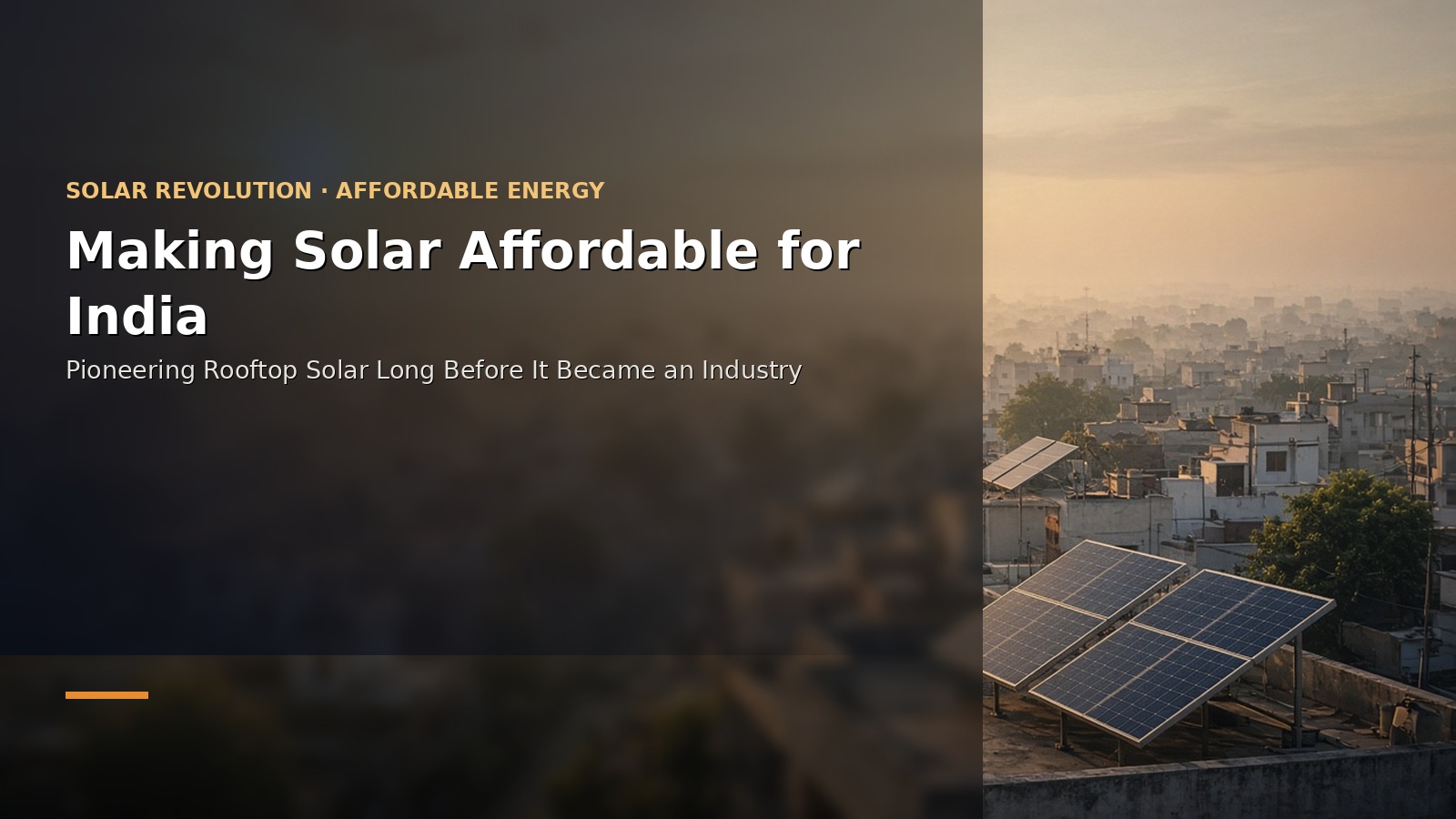
Category & brand creation
When no one was talking about solar, he made the sun affordable for India.
Solar was expensive. There were no subsidies, no Solar Mission, no incentives. Most people saw it as a science exhibit. Kunwer Sachdev saw it as a product — and put it on rooftops, in villages, and across 90+ countries.
Solar was a luxury nobody could afford — so nobody sold it
In those early years, a solar panel cost a fortune, the government offered no subsidy, and there was no National Solar Mission to lean on. Solar was something you saw at a trade fair or on an NGO’s brochure — not something an ordinary Indian family could actually buy.
Most of the industry treated solar as a demonstration: a panel on a stand, a photo opportunity, a pilot that never scaled. The economics looked impossible, so everyone waited for policy and price to change first.
I took the opposite view. Having founded Su-Kam Power Systems in 1988, I already knew how to build a power product and put it in millions of Indian homes. I didn’t want to demonstrate solar — I wanted to commercialise it. That meant designing real products at a real price, manufacturing them at scale, building a distribution and dealer network to sell and service them, and training the technicians to install them. Not a showcase. A supply chain.
Build the product first, wait for the policy later
While the market debated whether solar was viable, we were already shipping it. We engineered affordable solar inverters and one of India’s first hybrid solar PCUs — a single unit that intelligently shares load between solar panels and the grid, so a normal home with patchy electricity could go solar without going fully off-grid.
We backed it with a 25-year warranty and a patented battery-management system, because affordability means nothing if the product doesn’t last. Then we did the unglamorous work: factories, dealers, training programs, and field sales teams across the country.
Not slides. Installations.
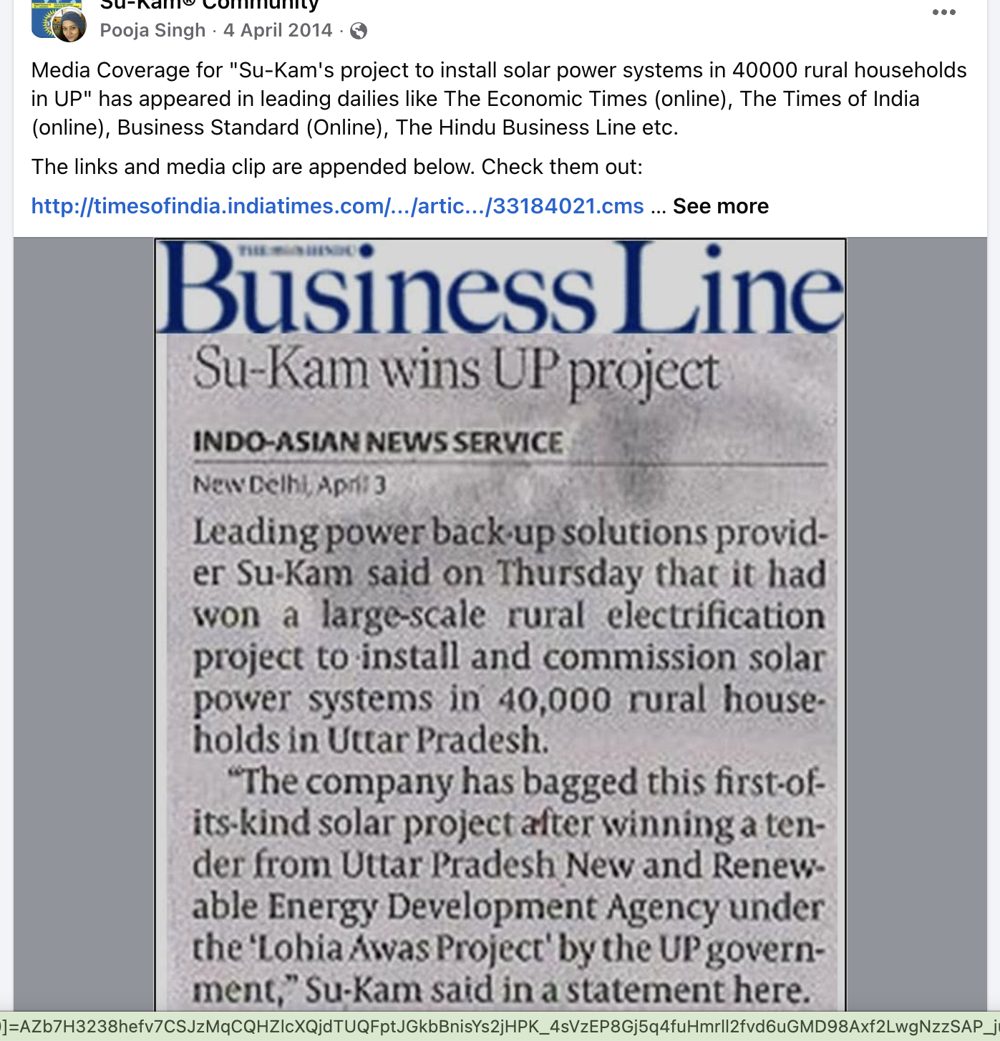
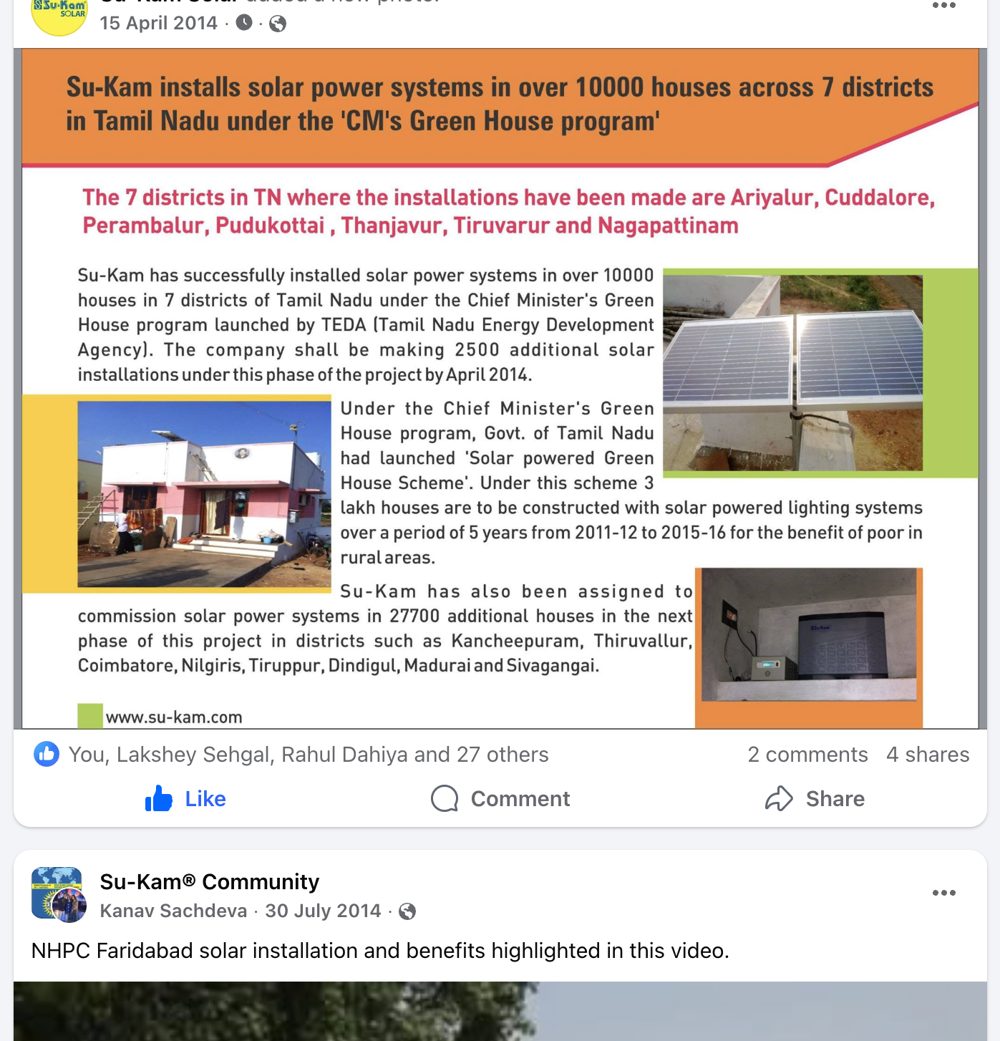
The argument for solar was won not in conference halls but on rooftops and in villages that the grid had failed. A few from the record:
Uttar Pradesh
Solar power systems for 40,000 rural households under the Lohia Awas program — among India’s earliest mass distributed-solar deployments.
Tamil Nadu
Solar homes across 7 districts under the CM’s Green House program.
Punjab Engineering College
A full one-megawatt solar power plant commissioned in Chandigarh.
Gates College, AP
Rooftop stand-alone solar generating 400–500 units of power a day.
Jaipur school
A municipal school with no grid power for its entire existence — finally lit with a 3KW Solar PCU and panels.
North-East India
Largest solar back-up provider in the region — including a 100 KW plant for the Assam Rifles at Moreh.
“Others demonstrated solar. I commercialised it — designed it, priced it, manufactured it, and put it in ordinary homes.”
Indian-engineered solar, lighting other nations
The same products that worked in rural India travelled. Where there was no grid at all, Su-Kam solar arrived — often before bigger, richer competitors were willing to try.
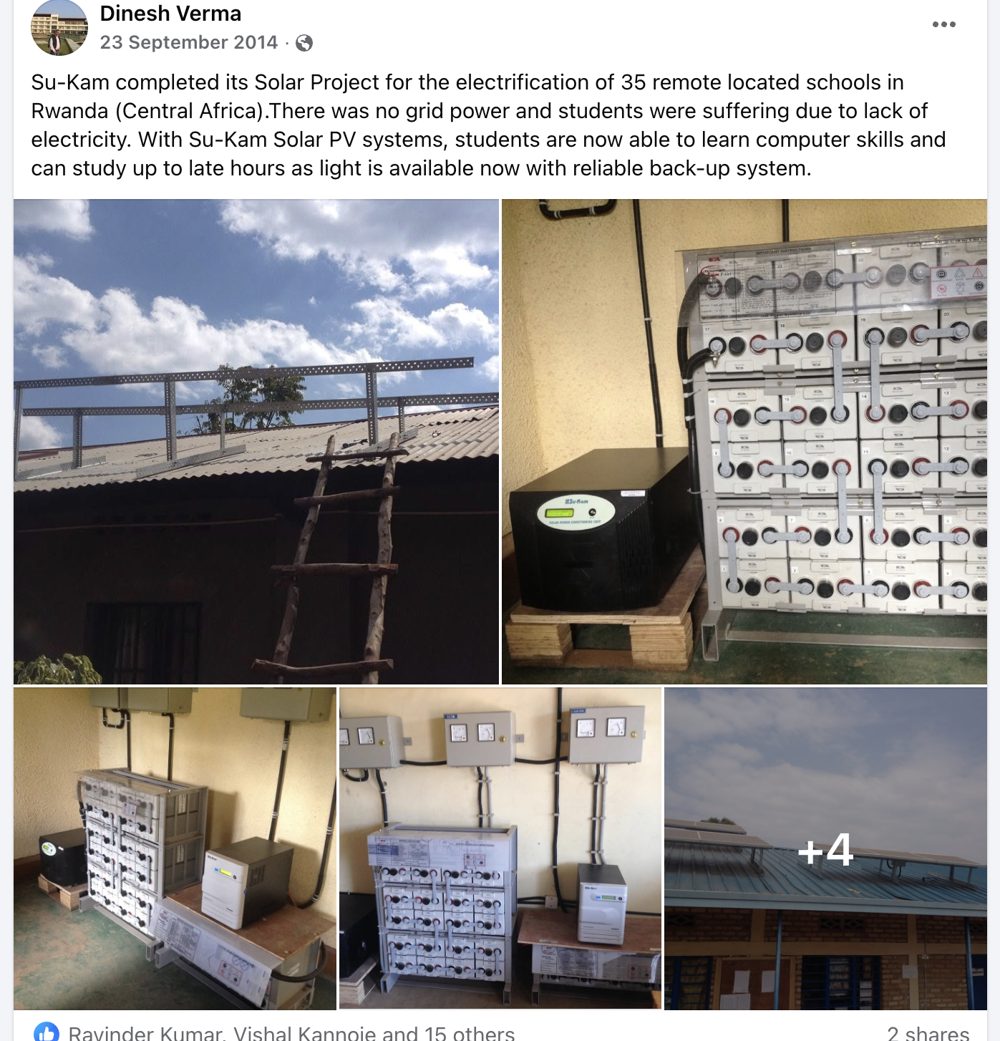
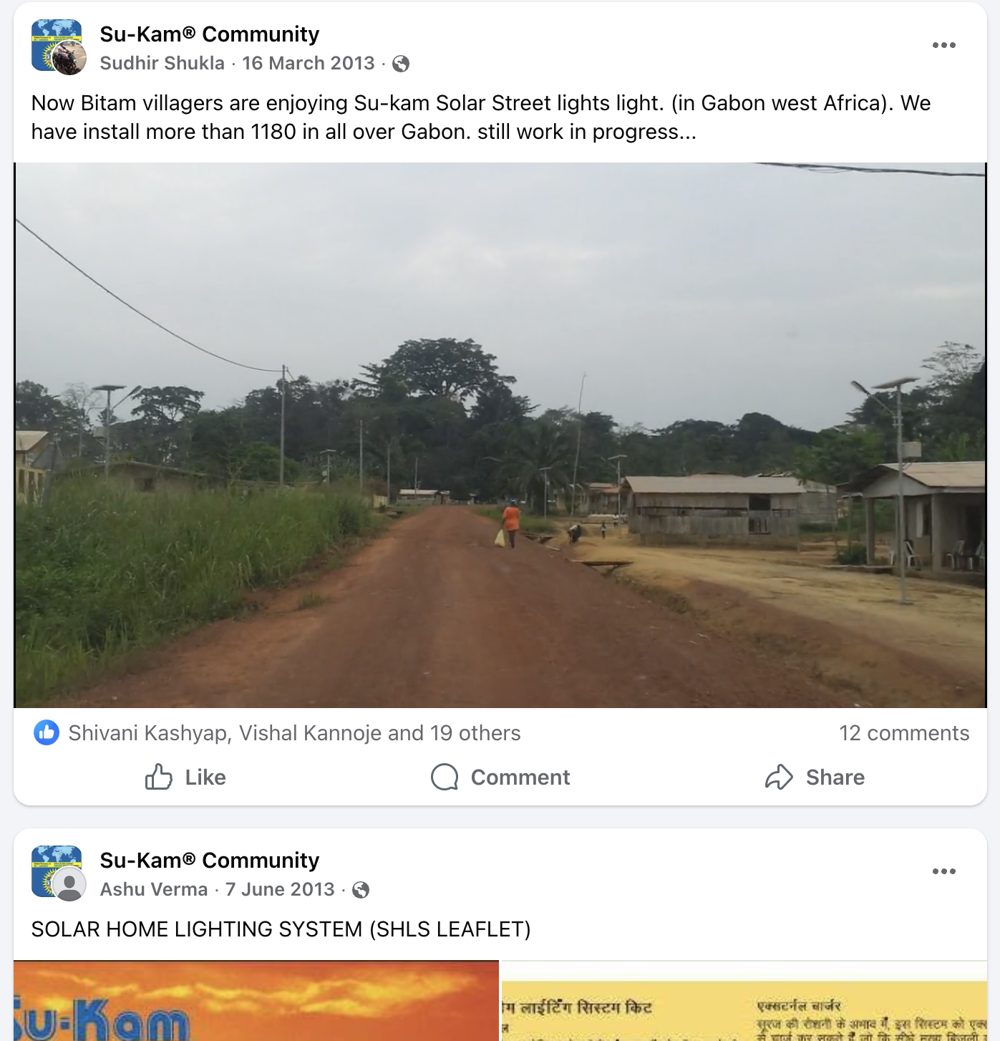
By the time policy arrived, the rails were already laid
When the government’s Jawaharlal Nehru National Solar Mission took shape, Su-Kam was ready — becoming a certified MNRE channel partner. We launched ‘Brainy,’ the solar hybrid inverter, partnered with Fortune-500 company Kohler, and won the ISA Technovation Award for our Solar PCU. The infrastructure I’d built when solar was unprofitable became the head start when solar finally took off.
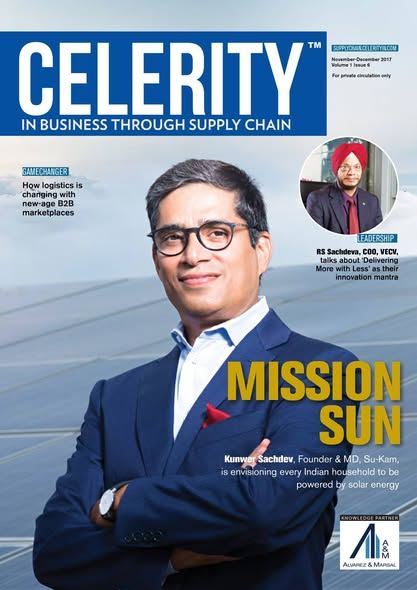
I kept making the public case too — a cover story on #MissionSun, an Economic Times op-ed urging India to be proactive in adopting solar, budget-wishlist appearances on national television. The message never changed: stop waiting, start building.
Early. And right.
Solar in India is now mainstream, subsidised, and everywhere. It didn’t get there by accident. Someone had to make it a product before it was a policy — and prove, home by home, that the sun could power an ordinary Indian family.
Explore the verified archiveExplore the full record
Three decades of invention, documented across the network:
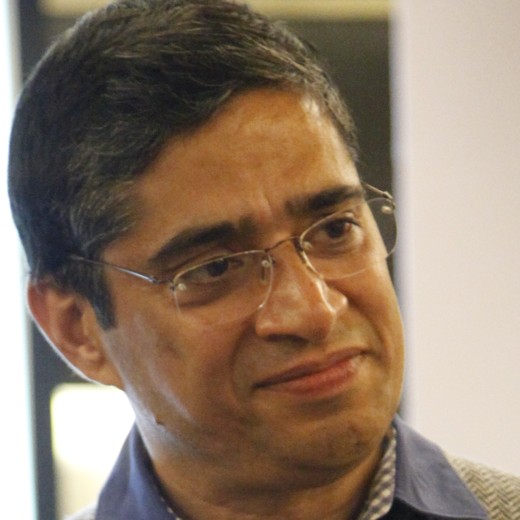
Founder of Su-Kam and Kunwwer.ai, and mentor at Su-vastika and several other companies — the “Inverter Man of India” and the “Solar Man of India.” Read his story →