
Part 07
Yes-men, hidden bad news, ignored counsel — the promoter patterns I refused.
In India, promoters often treat a Board of Directors as a compliance burden, a decorative formality for bank loans, or an audience assembled to praise the founder.
I have watched that pattern for more than thirty years — building, scaling past ₹1,200 crore, and learning, sometimes the hard way, what institutional fragility costs when the founder’s mood is the only operating system.
This is not a textbook lecture. It is a candid list of the five promoter mistakes that turn boards into theatre — and the reason I refused them at Su-Kam, even when saying no was uncomfortable.
The most expensive mistake an Indian promoter can make is hiring brilliant minds for the board and then expecting them to be silent yes-men. If you ignore the warnings of your board, the market will teach you the lesson at ten times the price.
Five critical promoter pitfalls
Appointing friends, relatives, or compliant professionals who never dare to contradict the promoter. Loyalty feels like safety. Oversight feels like insult. People who love you — or depend on you — will mute the question that could save the company. If your board cannot embarrass you with a fact, it is not a board.
Sugarcoating cash-flow gaps, inventory build-ups, and delayed receivables until small operational leaks become catastrophic crises. Directors who only see filtered optimism cannot protect the enterprise. Bad news delayed is bad news multiplied.
Viewing internal audit findings and statutory compliance as paperwork hurdles rather than early-warning sirens. Soften the finding. Postpone the slide. Call it “alignment.” What you teach the organisation is that truth is negotiable — until the market enforces it.
Assembling industry giants — ex-heads of Exide or ABB — and then ignoring their counsel on capital allocation or expansion. Fame on the letterhead means nothing if the agenda is theatre and the promoter’s instinct still wins every vote. Heavyweights stay only when disagreement is allowed on record.
Failing to institutionalise processes and succession, leaving the enterprise vulnerable the moment the founder gets fatigued or distracted. A company that runs on the promoter’s energy is not an institution. It is a dependency — and dependencies break.
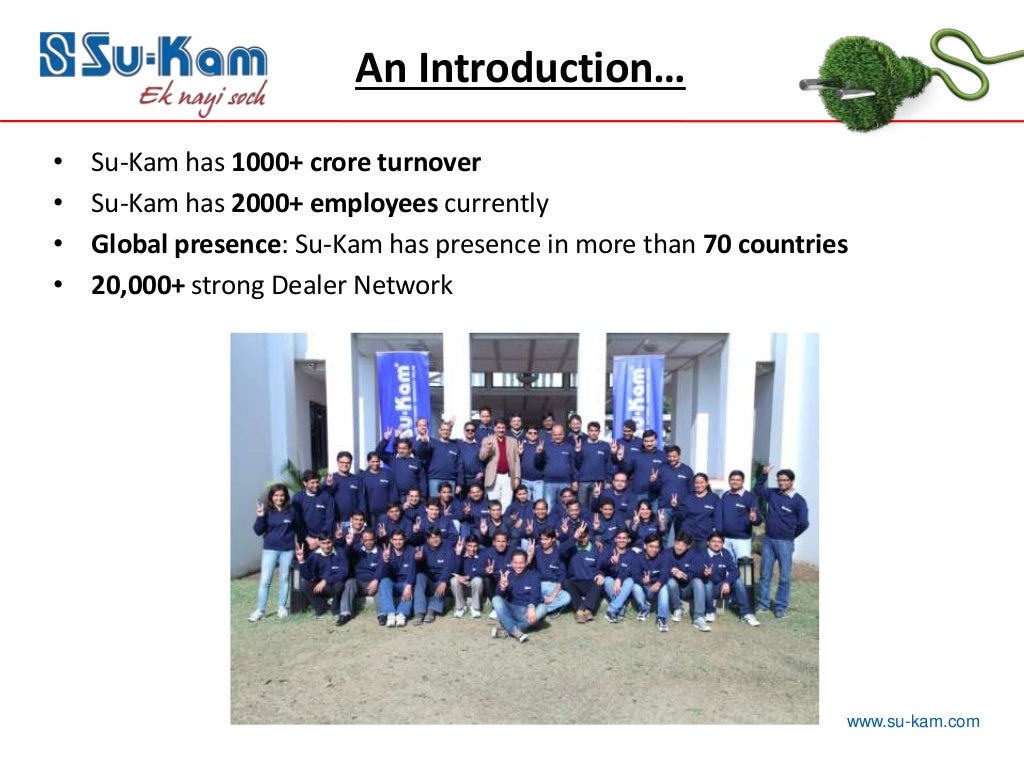
What thirty years taught me
Scaling past ₹1,200 crore does not make you immune to these traps. It makes them more expensive. I have lived the legal and institutional pressure of building in India — the longer account is on A Founder’s 30-Year Legal Journey on Legal Shield — and I have written the operating stories across Kunwwer.ai Blog — Stories from Three Decades.
The corporate record of who sat on Su-Kam’s board is public on ZaubaCorp. Names on a registry are not governance. Governance is whether those names could contradict you — and whether you listened.
Parts 01 through 06 of this playbook were the construction: when to build a board, how to refuse advisory theatre, which seats matter, how to recruit, how to give power, and why R&D belongs upstairs. Part 07 is the warning label: do not assemble brilliance and then demand silence.
A board that only applauds the founder is not protecting the company. It is protecting the founder’s mood — until the market collects the bill.
Further reading
- Part 06 — Why Put Your R&D Head on the Board
- Part 05 — Give Your Board Real Power
- Growth Blueprint — Why I Kept Friends and Family Off the Su-Kam Board
- Board Playbook hub
- Legal Shield — A Founder’s 30-Year Legal Journey
- Kunwwer.ai Blog — Stories from Three Decades
- ZaubaCorp — Su-Kam corporate registry
Part of Building a Board Bigger Than the Founder.
Internal — this site
External — companions
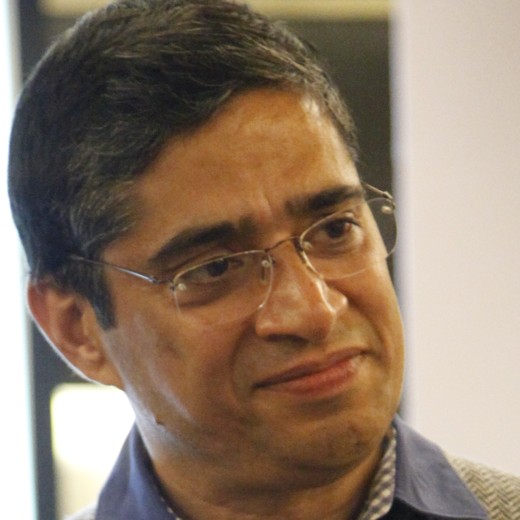
Founder of Su-Kam and Kunwwer.ai, and mentor at Su-vastika and several other companies — the “Inverter Man of India” and the “Solar Man of India.” Read his story →