Part 02
Advisory warmth is not fiduciary duty. Here is the difference that changed Su-Kam.
The most comfortable boardroom in Indian business is not a boardroom at all. It is a dinner table of friends who already like you.
College batchmates. Well-wishers. Casual mentors. You call them an “advisory board,” meet over coffee or dinner, talk vision, and leave feeling sharp. Everyone nods. Nobody ruins the evening. For a while, that warmth feels like governance.
It is not. Advice you can ignore is not a board. And a room that exists to validate the founder is not protecting the company — it is protecting the founder’s mood.
The dinner-table illusion
Many Indian promoters invent a halfway house: recruit friends as advisors, host a pleasant meeting, collect polite agreement, and go home believing the company is “professionally guided.”
I understand the temptation. Friendship feels safer than scrutiny. You get strategy talk without the sting. You get status without surrender. You get the language of governance without the inconvenience of being overruled.
But cheerleaders do not ask brutal questions. They will not press you on cash-flow leaks, ballooning warehouse inventory, delayed export receivables, or vendor favouritism — because those questions spoil relationships. There is no legal liability. No fiduciary duty. No personal reputation on the line if the company drifts while everyone stays cordial.
An advisory circle makes you feel smart. A real board makes you defend decisions with numbers, product truth, and audit findings — and can stop you when you are wrong.
Cheerleaders vs fiduciaries
- Informal gatherings over coffee or dinner — warmth first, accountability never
- Zero legal liability; nobody loses sleep if the company drifts
- Polite nods and cheerleading that protect the relationship, not the enterprise
- Legal duty under company law to protect the business — not the promoter’s feelings
- Independent audit scrutiny, board packs, and documented challenge
- Tough operational cross-examination of HODs on margins, inventory, and missed targets
What a fiduciary board actually does
A real Board of Directors is legally bound to protect the company. Independent directors carry decades-long reputations. They do not nod along. They scrutinise internal audits, question margin dips, and demand clear explanations for missed targets.
This was not abstract theory for us. When we brought industry giants onto the Su-Kam board — people who had already run empires — the room stopped being a social club. I have written that story in detail in When Giants Sat at Su-Kam’s Table (2005). Directors like S.B. Ganguly were on the record as board members, not dinner guests. His directorship appears in the official corporate registry filings for Su-Kam Power Systems Limited on ZaubaCorp (DIN: 00012220), and contemporary press coverage such as Car India’s national launch report quotes him publicly in that governance role. Friends can disappear when questions get hard. A named director with a DIN and a public reputation cannot.
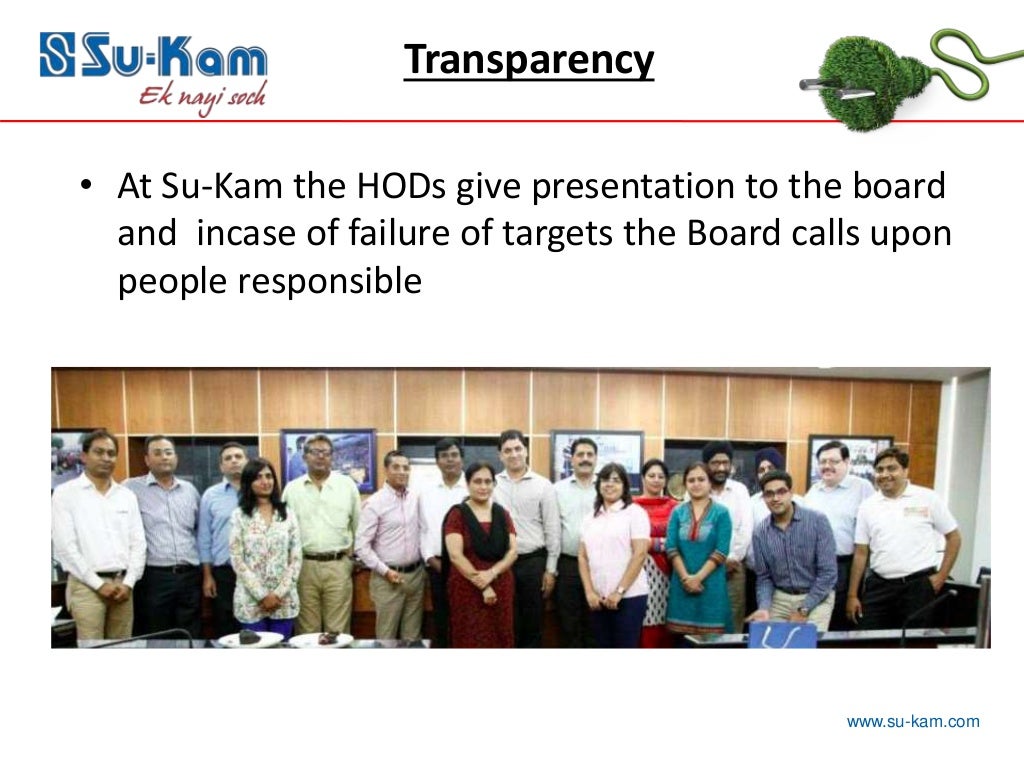
At Su-Kam, that difference changed the temperature of every conversation. People prepared harder when they knew they were accountable, not entertaining. Committees — especially audit — turned goodwill into fiduciary work. HODs presented themselves, not only through my filtered story. Agendas gave finance, technical issues, launches, IP, and R&D their own airtime instead of a five-minute dump at the end.
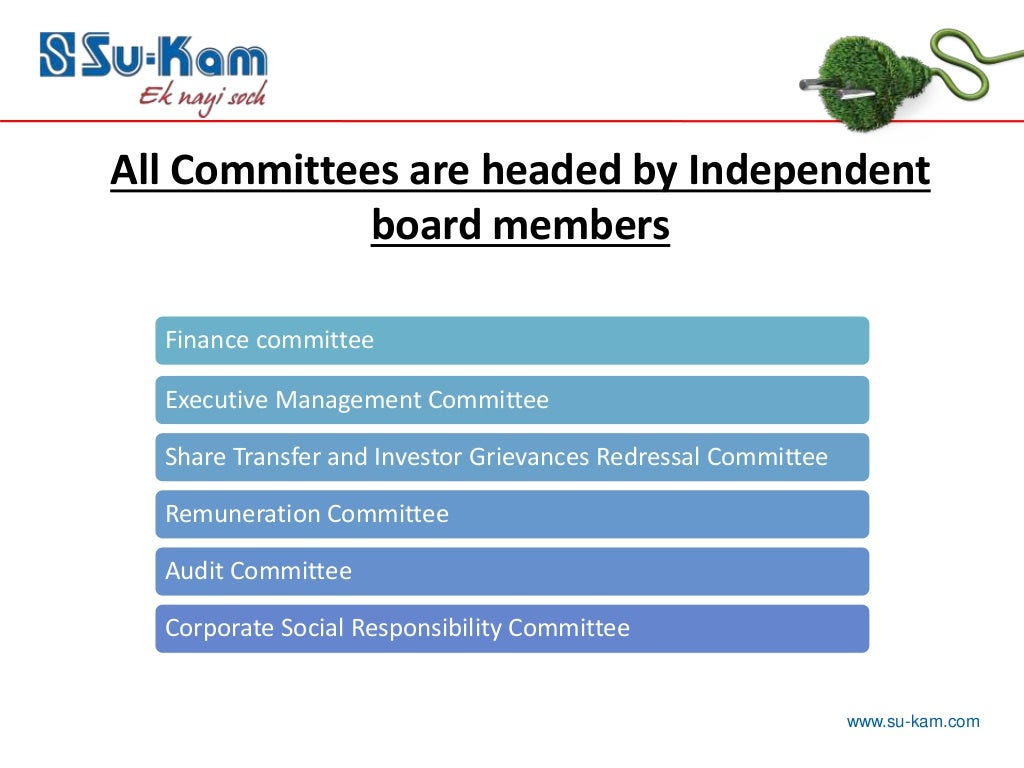
I learnt a lot from different directors because each carried knowledge in a different sphere, and each brought a different management style. That mix taught me how to conduct board meetings — and how a company should be presented in the boardroom. Years later, when I spoke at the Institute of Directors on why a real board matters, I put that operating system on record in Importance of the Board (IOD) on SlideShare — not as a motivational deck, but as the governance framework we had already lived.
Friends validate your vision; a real board stress-tests your reality. If your boardroom feels like a comfortable social club, your business is operating without a safety net.
The discomfort is the point
Sitting across the table from corporate veterans who have managed balance sheets ten times larger than yours is not pleasant. They challenge your assumptions. They ask why inventory rose while sales stories stayed optimistic. They refuse to let “trust me” replace a clean trail of numbers.
That discomfort is the price of institutional resilience. If every fact still flows only through the promoter, you did not build a board. You built an audience.
If you keep all information flowing only through yourself, you did not build a board. You built an audience.
Part 01 was about recognising when founder gut is no longer enough. Part 02 is about refusing the fake substitute. The next essays cover the seats that mattered, how we recruited heavyweights to an unlisted company, and how much power I had to give up for governance to become real.
Further reading
- Part 01 — When the Company Outgrows the Founder’s Gut
- Growth Blueprint — Why I Kept Friends and Family Off the Su-Kam Board
- Board Playbook hub — Building a Board Bigger Than the Founder
- When Giants Sat at Su-Kam’s Table (2005)
- ZaubaCorp — Su-Kam corporate registry & directorship filings
- Car India — Su-Kam Automate launch (S.B. Ganguly on record)
- SlideShare — Importance of the Board (IOD)
- Kunwwer.ai — companion board story
Part of Building a Board Bigger Than the Founder.
Internal — this site
External — companions

Founder of Su-Kam and Kunwwer.ai, and mentor at Su-vastika and several other companies — the “Inverter Man of India” and the “Solar Man of India.” Read his story →