Independence over comfort. I kept friends and family off the Su-Kam board so the company could become an institution.
In many Indian business families, the most dangerous board meeting does not happen in a boardroom. It happens at the dining table.
Someone mentions that the company is doing well. Then comes the quiet suggestion — sometimes affectionate, sometimes entitled: Why not make uncle a director? Why not give the cousin an executive title? We built this together. Blood should sit at the top.
I have sat through that pressure. I have watched relatives wait for a yes. I have felt how lonely it is to say no — and how much lonelier it is to build a company that can survive without one family’s mood.
This is the story of why I kept friends and family off the Su-Kam board, and why I recruited people with the stature to challenge me. Years later, when speaking to industry leaders at the Institute of Directors (IOD), I laid out the governance blueprint we practiced at Su-Kam — not as theory, but as the operating system that tried to turn a promoter-led manufacturer into an institution. The deck is still on SlideShare.
The dining-table board seat
When a homegrown Indian company starts growing, promoters face a familiar test. Growth creates status. Status creates claims. Family expects titles the way markets expect dividends.
It sounds harmless. After all, these are people who stood with you when banks would not. They remember the early shortages, the unpaid invoices, the nights you came home late. Saying no feels like betrayal.
But a board seat is not a thank-you note. It is fiduciary power over strategy, capital, people, and risk. Once you hand that power out as family emotion, you have not built a board. You have built a family council with a corporate letterhead.
Affection belongs at home. Judgment belongs in the boardroom. When you mix the two, you protect feelings and quietly destroy the company.
Why a board cannot be a family pension fund
Mixing family affection with board governance is dangerous for a simple reason: family systems optimise for harmony; companies survive on conflict done well.
In a family room, disagreement feels personal. In a real boardroom, disagreement is the product. Independent directors are paid — and trusted — to ask the questions the promoter’s ego would rather avoid: Is this expansion vanity? Is working capital lying to us? Is the factory culture rotting while the slides look green?
Relatives rarely ask those questions in public. Even capable relatives hesitate, because the cost of being right is a ruined Sunday lunch. So the room fills with soft nods. Targets slip. Risk hides. Everyone remains “close,” and the company becomes fragile.
I also refused to treat the board as a pension fund for people who needed a designation. A directorship is not a retirement plan. If someone wants dignity and income, create a fair employment role with clear KPIs. Do not confuse love with governance.
The discomfort of saying no
Saying no to family is not a clever LinkedIn line. It is awkward. It creates silence at festivals. It invites the accusation that success has made you arrogant.
I accepted that discomfort. Family members who worked in the business did so as employees — not as automatic heirs to the board. Merit had to beat blood, or the whole governance experiment was theatre.
If the room is never allowed to be smarter than the founder, the company stops growing the moment the founder gets tired.
Recruit people who can override the promoter’s gut
Once I closed the family door, I had to open a harder one: recruit real independent experts — people who had run balance sheets larger than ours, and who would not be impressed by my certainty.
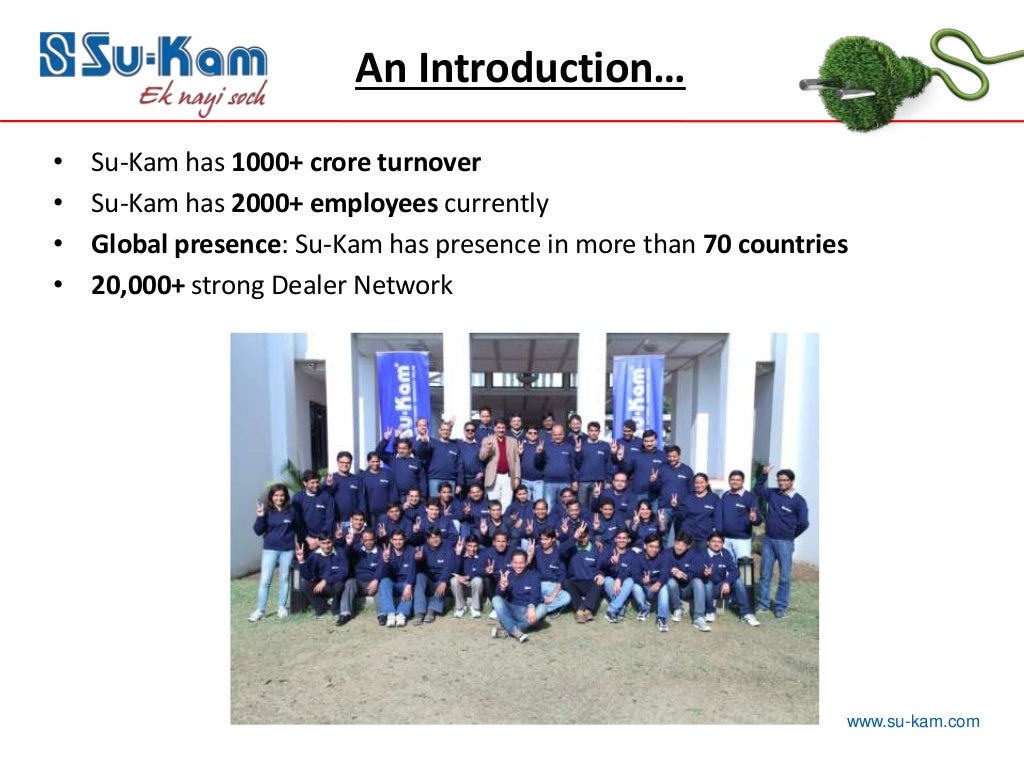
Founders often ask how an unlisted inverter company attracts heavyweights. Persistence matters. Proof matters more. Top leaders join when they see indigenous manufacturing, serious IP, and a management team hungry to learn — not a promoter hunting for decorative names.
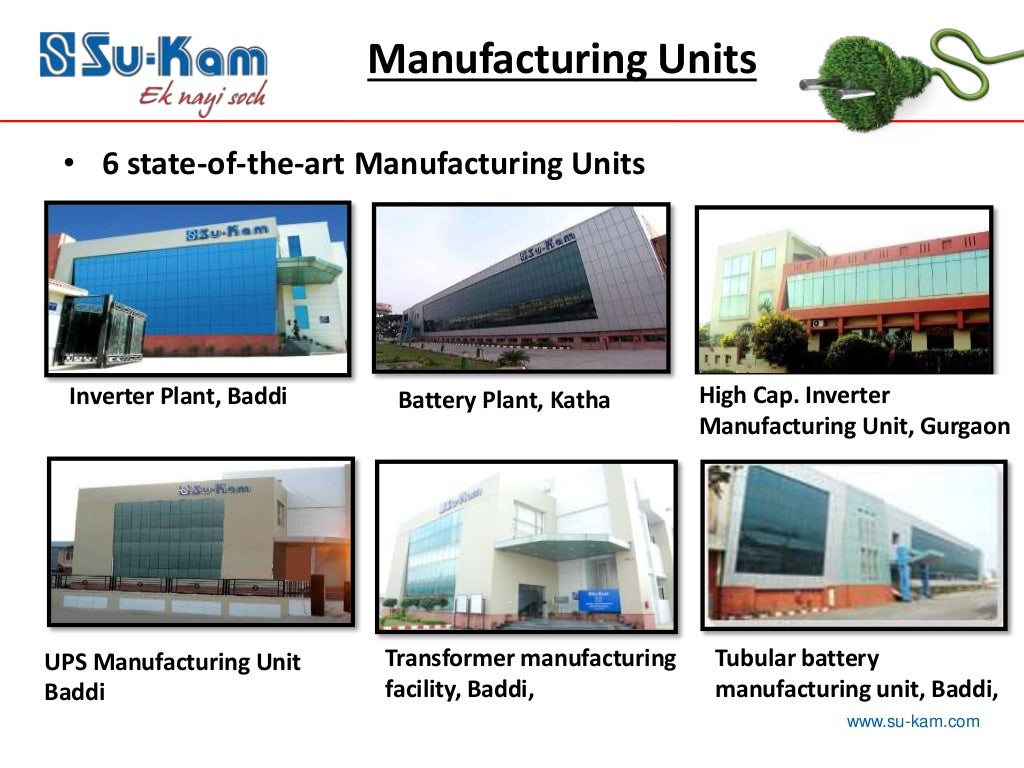
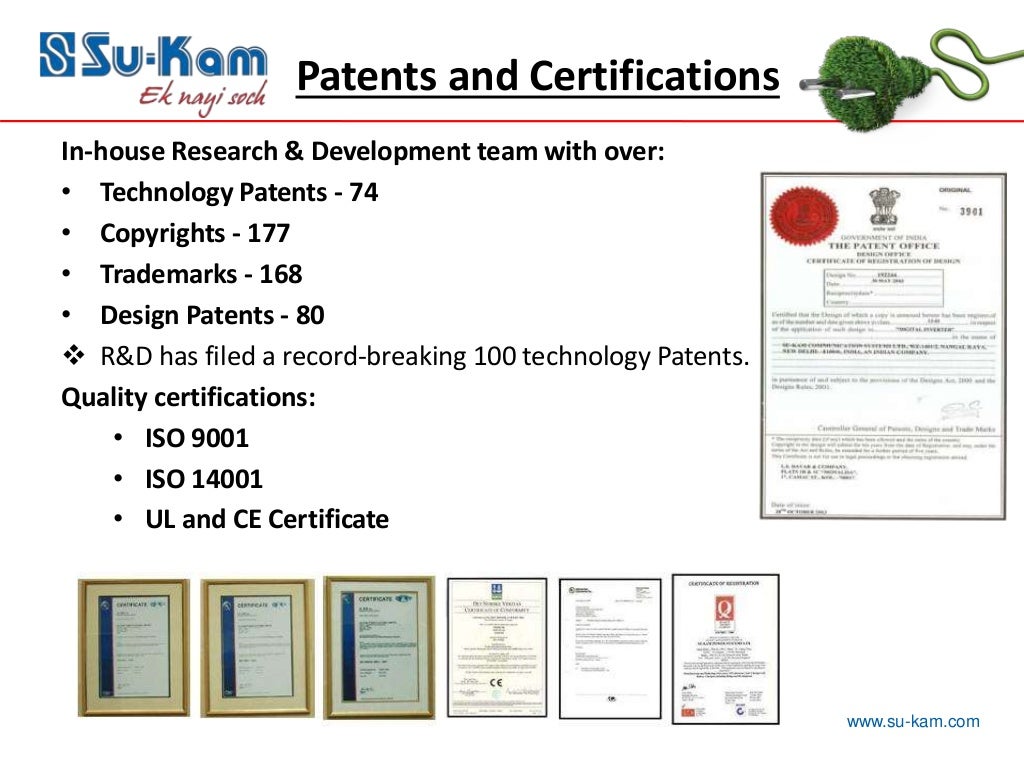
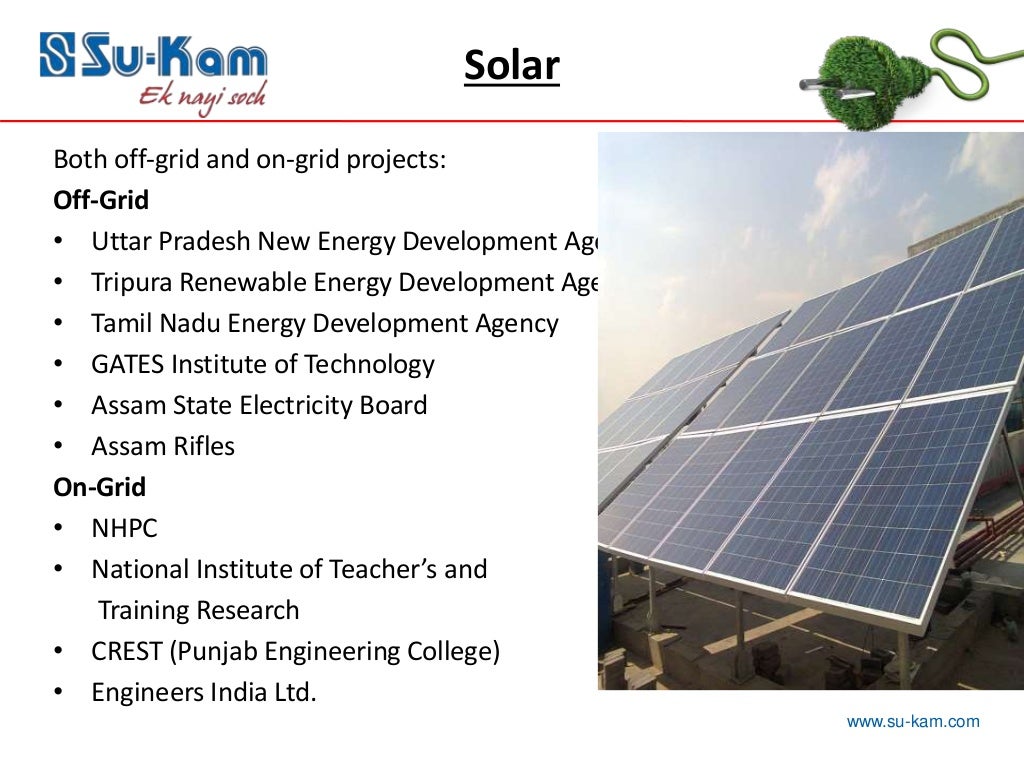
We did not assemble an advisory circle for public relations. We brought in leaders who could tell me when I was wrong — and keep telling me until the company changed course.
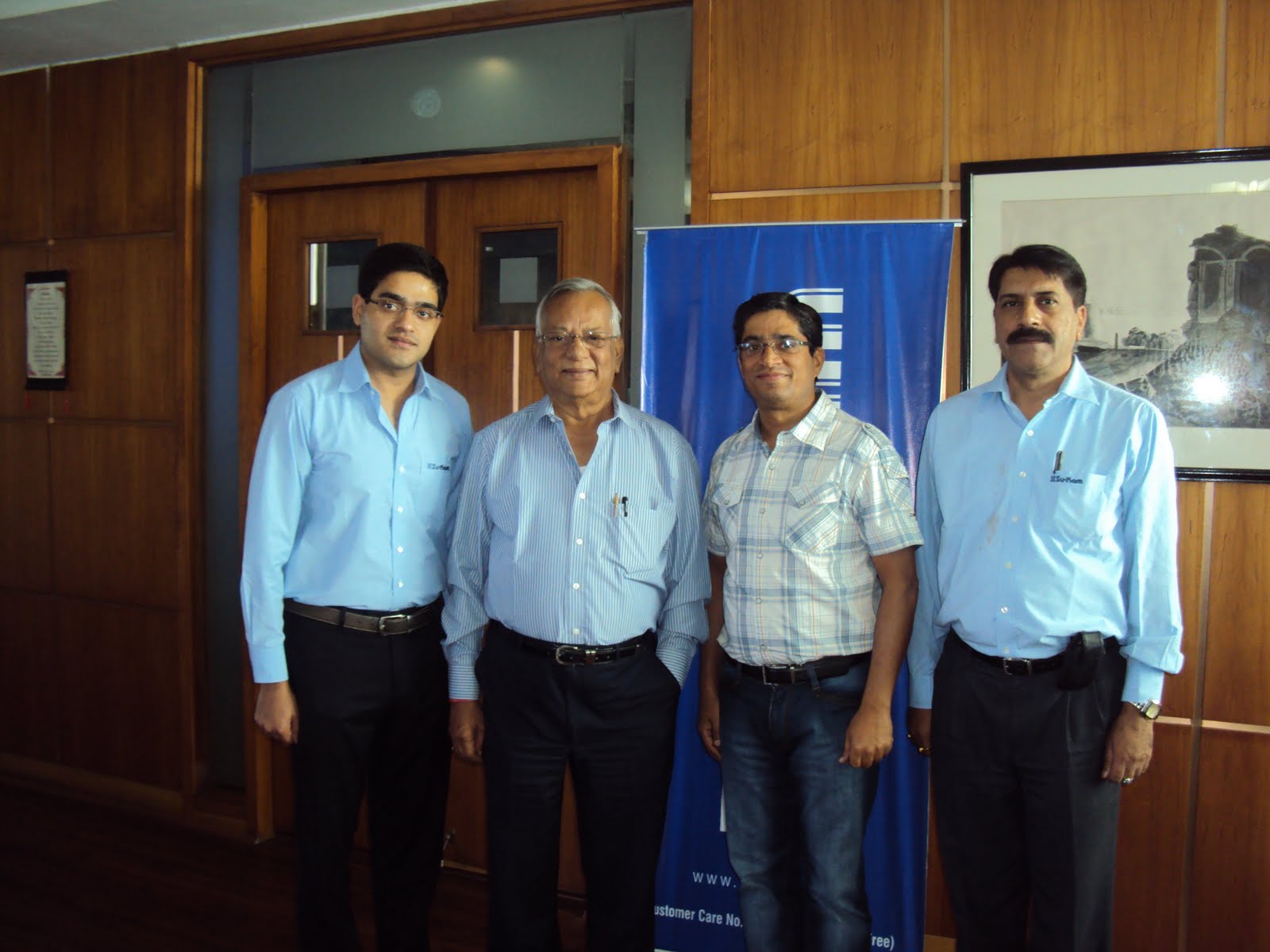
Approaching veterans like S.B. Ganguly of Exide and Biplab Majumdar of ABB was not a polite breakfast meeting. It was a long chase. Why would men who had already run empires join an unlisted Indian manufacturing firm? Not for a fee, and not for flattery. They came because we opened the books for audit-quality scrutiny, walked them through the factories floor by floor, and promised — then proved — absolute freedom to overrule the promoter. If the board was theatre, they would leave. If it was real, they would stay and fight.
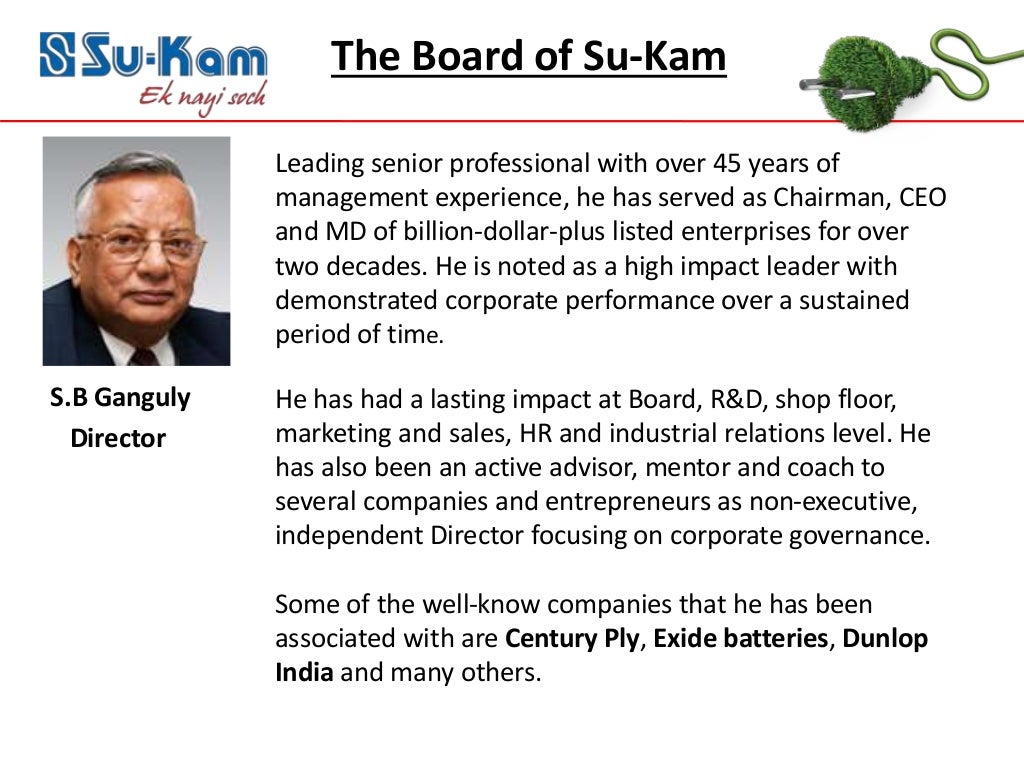
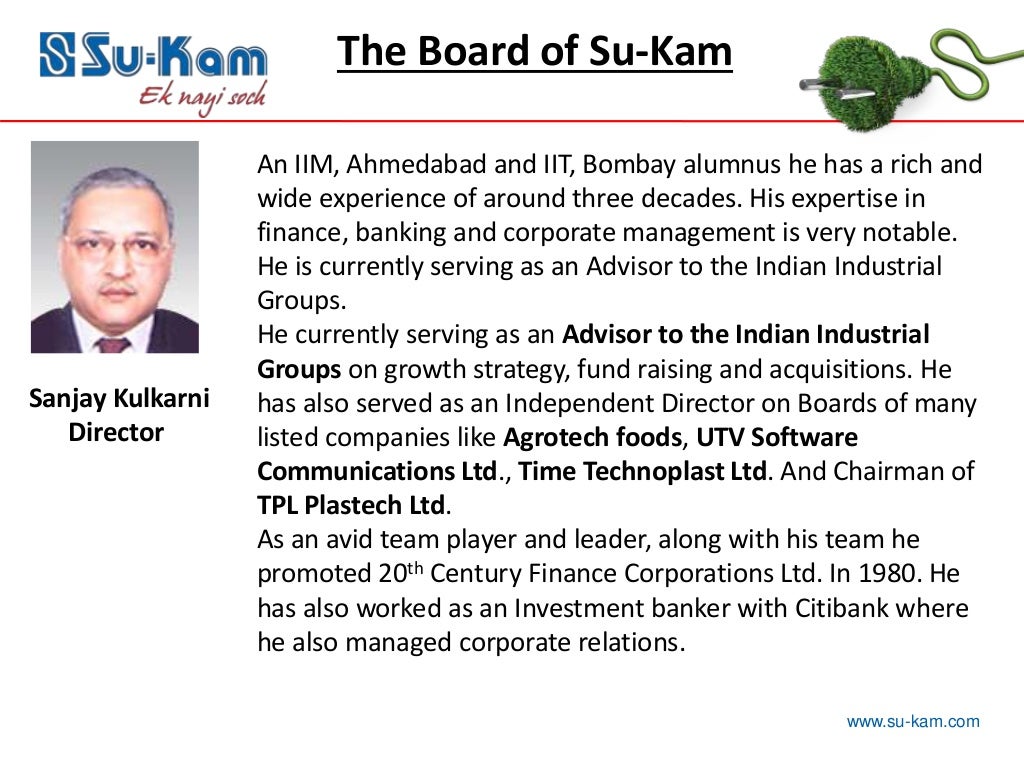
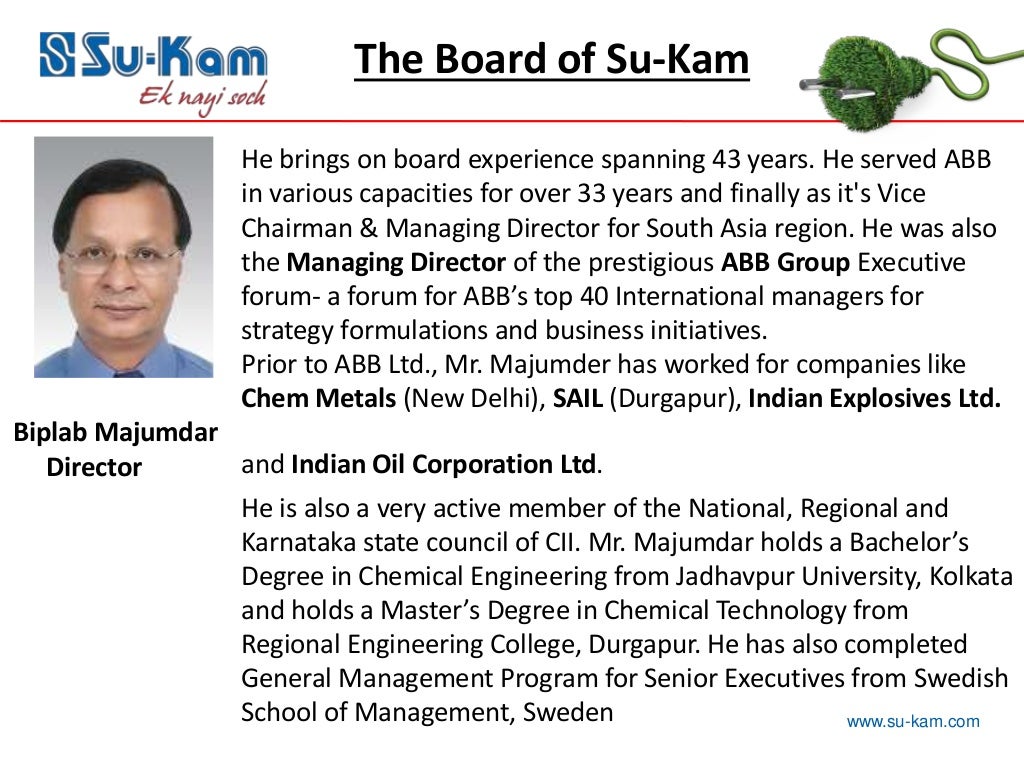
These were not “friends of the promoter.” They were operators and fiduciaries. Their value was not applause. Their value was friction — the kind that keeps a founder from confusing speed with wisdom.
Elevate the builders, not only the brand names
External stalwarts matter. So does putting product and technology in the room with equal dignity. If your moat is engineering, the R&D mind cannot be a guest agenda item.
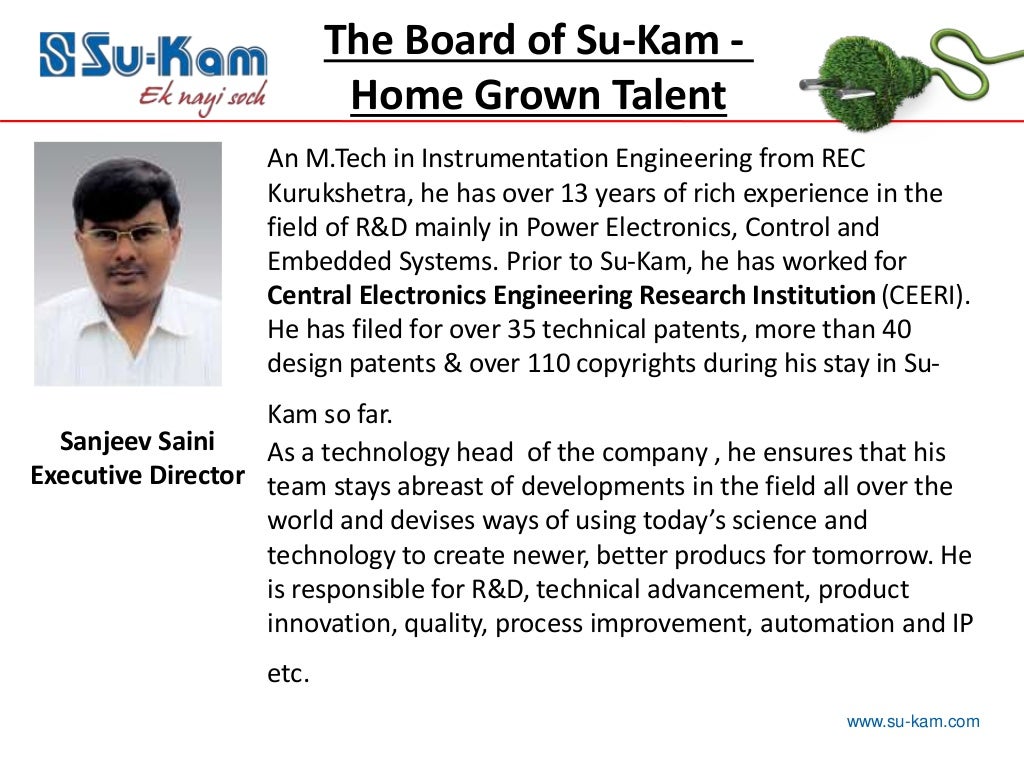
That choice signalled something to the organisation: we would not worship hierarchy for its own sake. We would put the people who built the machine where capital allocation and risk were decided.
Radical transparency in practice
Distinguished directors mean nothing if the founder controls the information flow. Governance has to change how the company actually runs — not how the annual report reads.
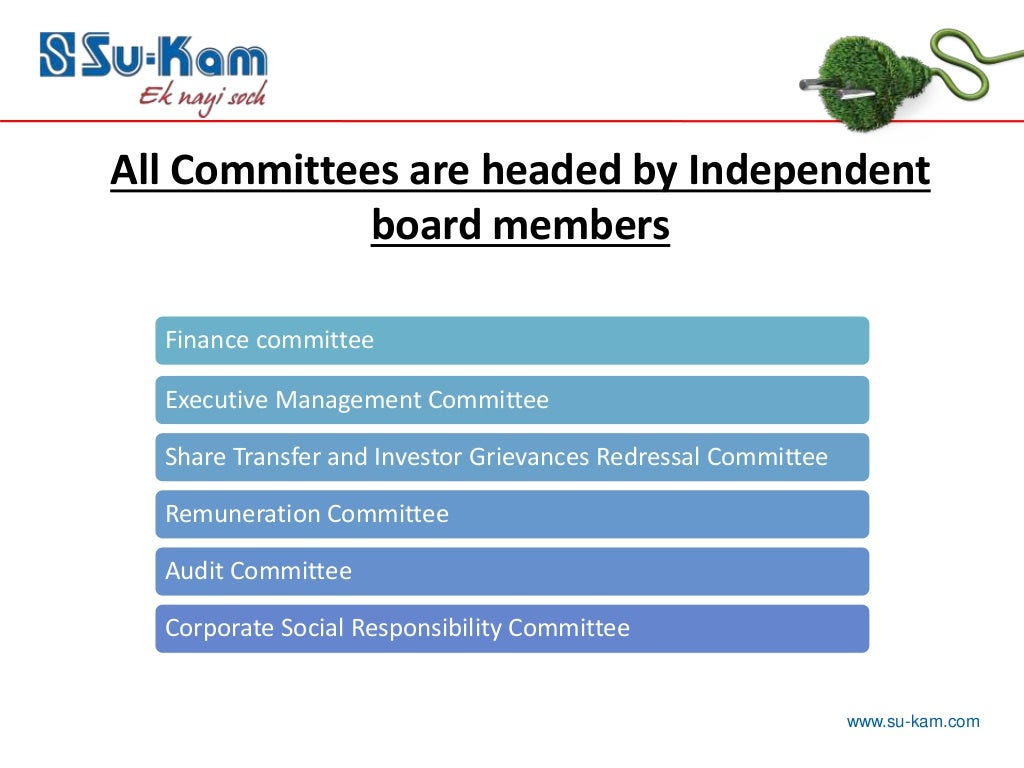
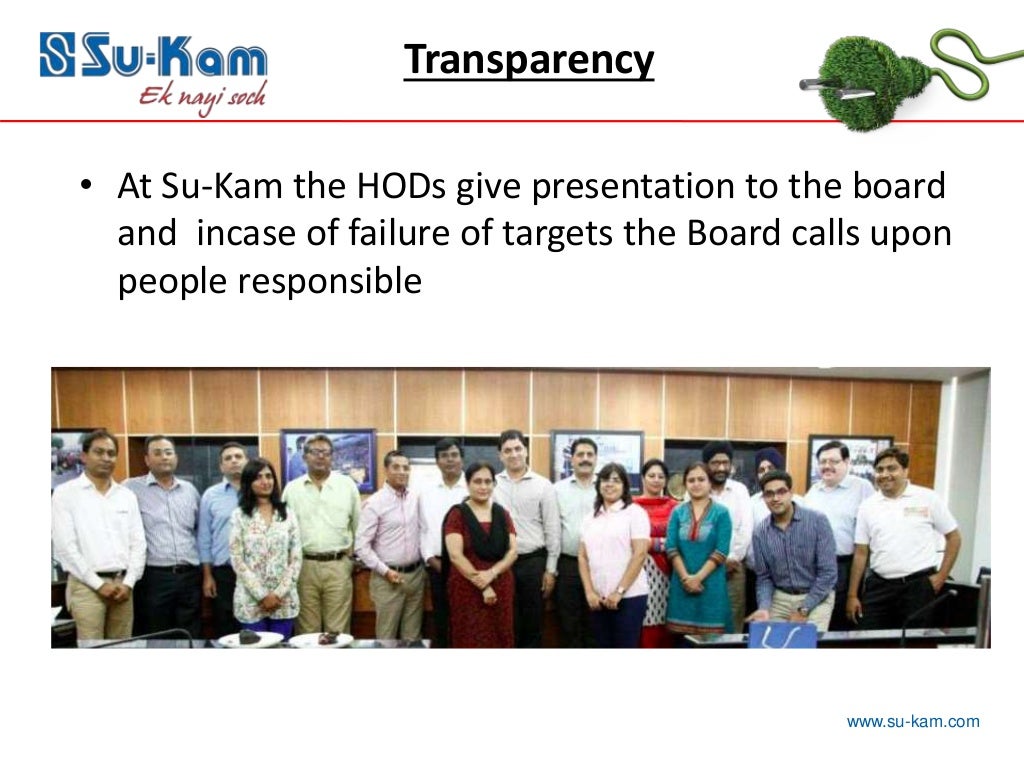
In practice, that meant structures that could survive my absence from the room:
Audit, Remuneration, Finance, Executive Management, Share Transfer, and CSR chaired by independent directors — not by the promoter’s circle.
Heads of Departments presented numbers and strategy directly to the board, without a founder filter softening the story.
Independent directors met without me or executives present — the room where truth does not need permission.
That last point still unsettles many promoters. Good. If your board cannot speak freely without you, you do not have governance. You have choreography.
What I want other builders to take away
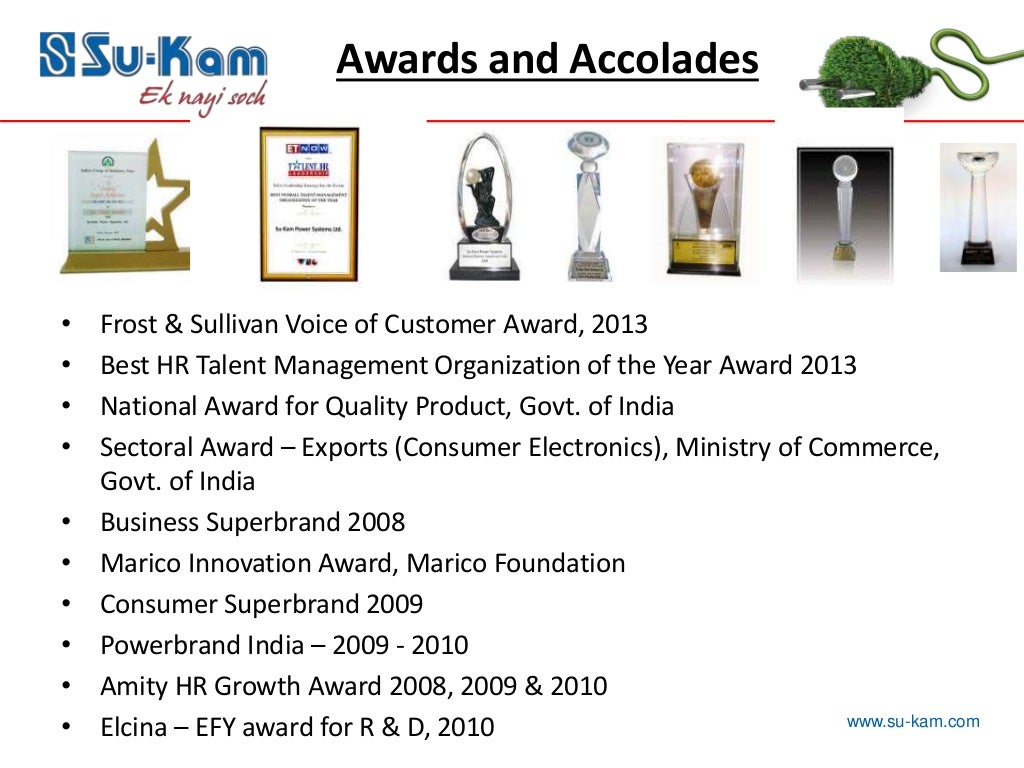
Awards are lagging indicators. The leading indicator is whether truth can travel upward without needing the founder’s permission.
If you are building in India and feeling dining-table pressure for board seats, remember: comfort scales a family story; independence scales an institution. The first path is warmer. The second is lonelier — and far more durable.
Your company will only grow as big as the minds advising it. Populate the board with friends, and the business stays small. Knock on the right doors, show your factories to people better than you, and listen when they challenge you — and you can build something that outlasts the founder.
Further reading
- Board Playbook hub — Building a Board Bigger Than the Founder
- Kunwwer.ai — The Growth Blueprint companion
- SlideShare — Importance of the Board (IOD)
Part of Building a Board Bigger Than the Founder.
Internal — this site
External — companions
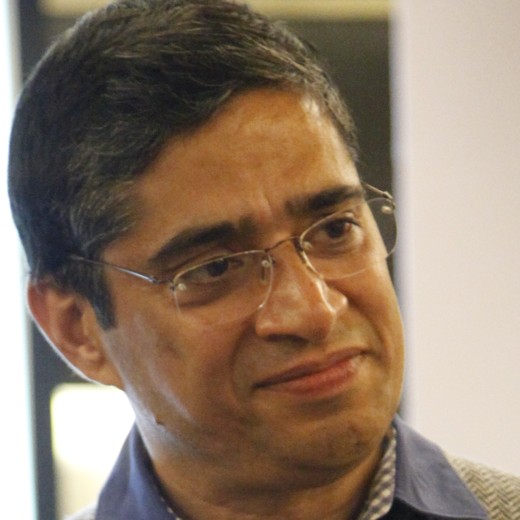
Founder of Su-Kam and Kunwwer.ai, and mentor at Su-vastika and several other companies — the “Inverter Man of India” and the “Solar Man of India.” Read his story →