Part 04
How Exide- and ABB-level leaders said yes to an unlisted manufacturing board.
Why would corporate titans from Exide and ABB join an unlisted Indian manufacturing firm? You cannot bribe them with sitting fees.
You recruit them with radical transparency: opening audited books, walking the factory floor without a script, showing genuine engineering ambition, and guaranteeing them the authority to question — and overrule — the promoter.
That was the only offer that worked for Su-Kam. I have told the fuller story of who came into the room in When Giants Sat at Su-Kam’s Table. This essay is the recruitment method — what serious directors actually tested before they said yes.
Stalwarts do not join unlisted boards for sitting fees; they join when they see an authentic founder with audited transparency, real manufacturing scale, and the courage to be challenged.
Sitting fees do not buy reputation
An unlisted company starts at a disadvantage. There is no stock-exchange spotlight, no analyst coverage, and no automatic prestige attached to the board seat. If your only pitch is money or flattery, the best people will decline politely — and they will be right.
Serious directors protect a decades-long reputation. They ask whether association with you will enhance that reputation or endanger it. They check whether the promoter can be examined. They check whether disagreement is allowed on record. Unlisted does not mean unserious. It means you must over-index on process.
- Will the promoter share real information — audited numbers, not corridor stories?
- Will HODs present without being stage-managed by the founder?
- Will internal audit and factory truth surface, even when they are inconvenient?
- Is disagreement allowed on record — or only applause after the meeting?
Open the books — then open the factory
My first move was not a lunch. It was transparency. Prospective directors saw audited financials, working-capital realities, and the gaps I already knew existed. If you flinch at your own numbers, you are not ready for an independent board.
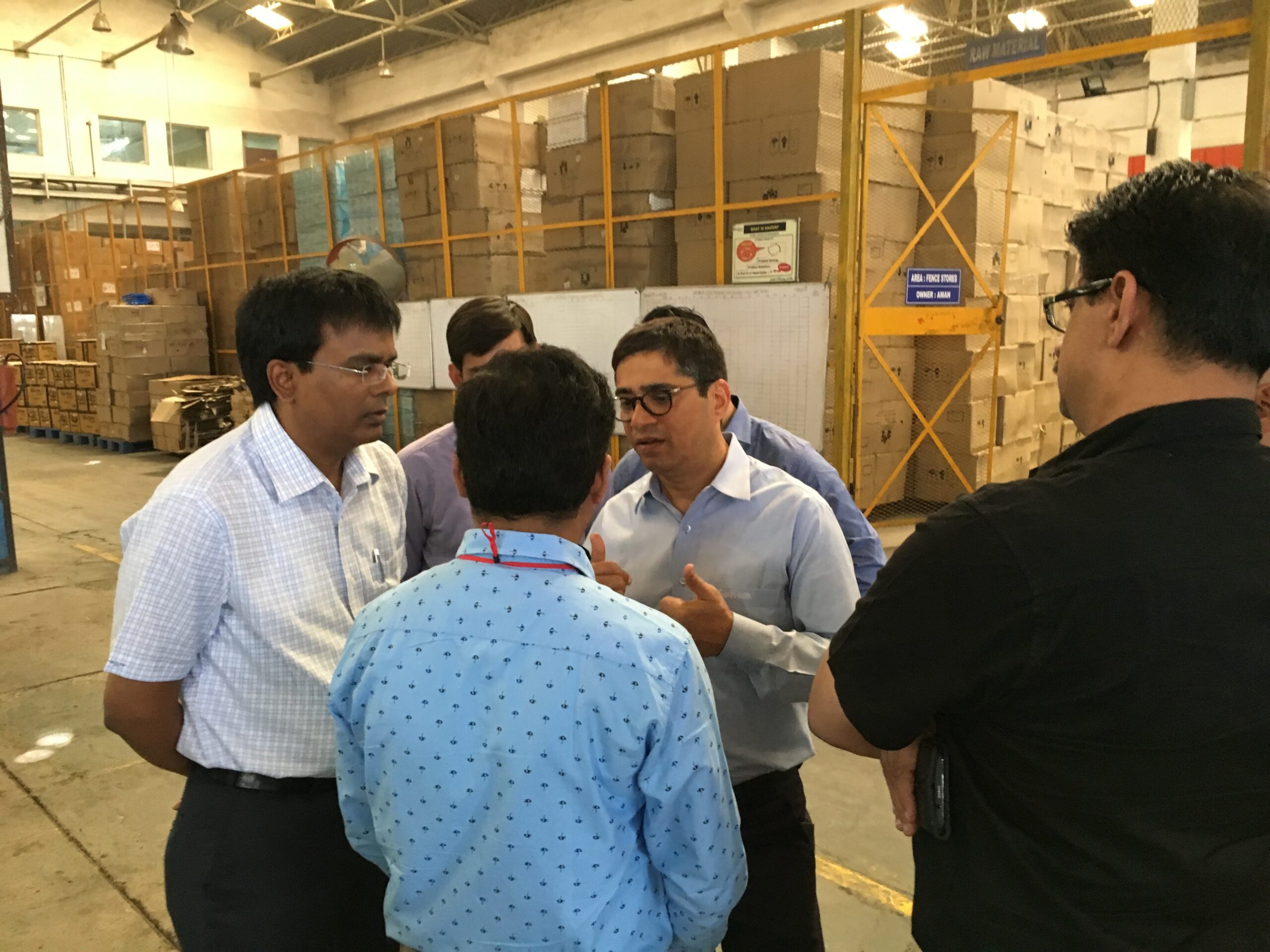
Then came the factory walk-throughs — not a VIP tour of the reception lobby, but the physical manufacturing lines and quality testing. Directors who have run industrial empires can smell theatre in five minutes. They want to see scale, process, and whether the shop floor matches the founder’s story.
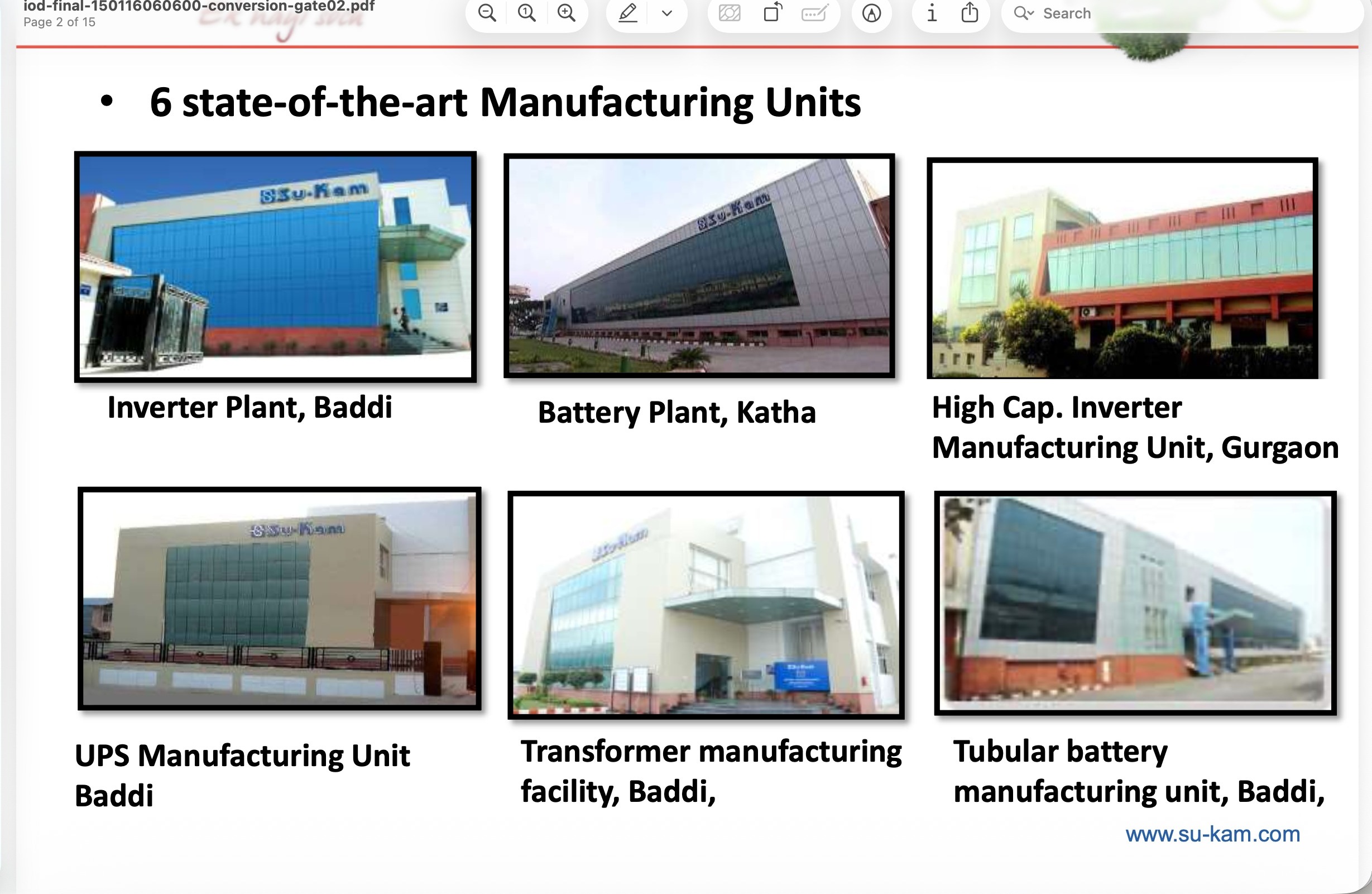
Scale mattered because credibility is physical. Su-Kam’s network of specialised plants — inverter, battery, UPS, transformer — was part of the case that this was not a drawing-room company. That manufacturing footprint is still visible in the way we presented the company to governance audiences.
Sell the work, not the compliment
I did not open with flattery. I opened with the gap: we needed industry discipline, finance architecture, or scale operations that I did not personally own. Serious people respond to a job, not a compliment.
- A real agenda — finance, technical issues, launches, IP, and R&D get discussion time, not a five-minute dump
- Direct access — senior management presents itself; the founder does not filter every number
- Authority to challenge — the right to question strategy and overrule the promoter when the company is at risk
- Persistence — months of conversations, not one charming lunch
That authority had to be real. If directors suspected they would only hear my version of events, they would not join. The corporate record later showed named directors with DINs and public reputations — not dinner guests — on filings such as the ZaubaCorp Su-Kam corporate registry. Friends can disappear when questions get hard. A named independent director cannot.
You do not recruit a board with a brochure. You recruit it with the courage to be examined.
What this taught me about attracting heavyweights
Part 03 was the architecture of seats. Part 04 is the recruiting truth: stalwarts join when the founder is authentic, the books are open, the plants are real, and challenge is welcome. Headhunters can help later. First you need a reason that respects their reputation.
The next essay is harder still: once they join, how do you give the board real power — independent committees, HOD presentations, and executive sessions — so governance stops being public relations?
Further reading
- Part 03 — The Four Seats That Mattered
- Part 02 — Advisory Friends vs a Real Board
- Part 01 — When the Company Outgrows the Founder’s Gut
- Growth Blueprint — Why I Kept Friends and Family Off the Su-Kam Board
- Board Playbook hub
- When Giants Sat at Su-Kam’s Table
- ZaubaCorp — Su-Kam corporate registry
- SlideShare — Importance of the Board (IOD)
Part of Building a Board Bigger Than the Founder.
Internal — this site
External — companions
Founder of Su-Kam and Kunwwer.ai, and mentor at Su-vastika and several other companies — the “Inverter Man of India” and the “Solar Man of India.” Read his story →