Part 01
When gut feel stops being enough — and a real board becomes the operating system.
In the beginning, your gut is not a liability. It is the whole company.
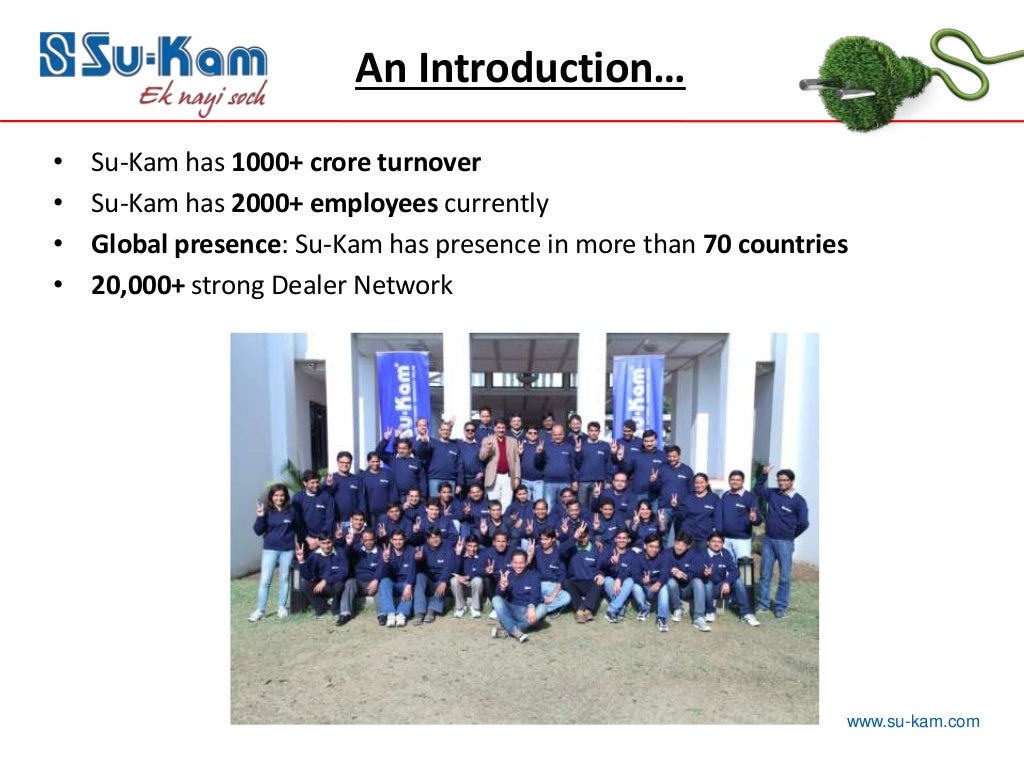
You decide the product feature in the cab on the way to the factory. You set the price on instinct. You close the dealer with a handshake and a promise. From zero to ₹50 crore, sometimes ₹100 crore, founder gut feels like a superpower. You move faster than committees. You read the market before the spreadsheet does. You feel invincible — and for a while, you are right to feel that way.
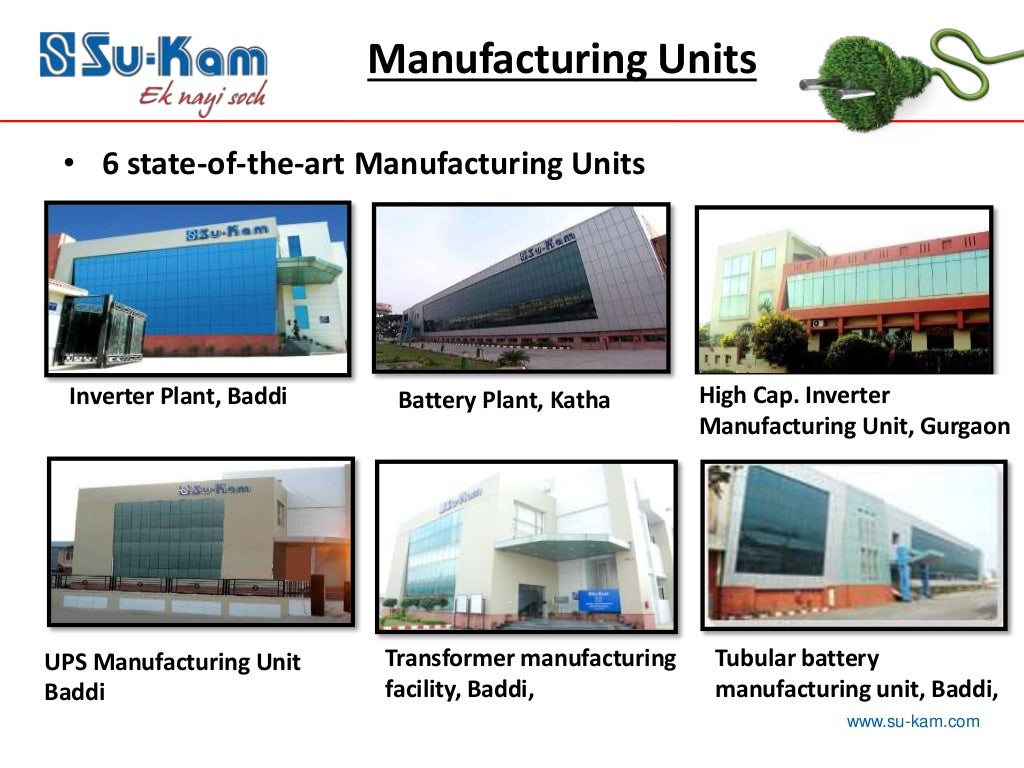
Then the scale changes. Not dramatically overnight, but in a way your nervous system cannot keep absorbing. Multiple plants. Thousands of employees. Export containers leaving for 70+ countries. Working-capital cycles that behave like weather systems. Suddenly the same instinct that built the company becomes the single biggest bottleneck inside it.
The seductive trap of early founder success
Indian promoters rarely talk about this honestly, because admitting it sounds like weakness. Early success trains you to trust yourself too completely. Every win becomes evidence that your gut is the strategy. Every near-miss becomes a story you tell about resilience, not about missing systems.
I lived on that gut for years at Su-Kam. It got us through product bets, distribution fights, and nights when cash felt thinner than courage. The danger was not that gut was wrong. The danger was that it stayed the only operating system long after the company stopped being a workshop.
Founder instinct is a brilliant starter engine. It is a terrible autopilot once the machine has six plants, a brand reputation, and a balance sheet that can punish one man’s mood.
When scale turns the founder into the bottleneck
Outgrowing the founder does not announce itself with a board memo. It shows up as delayed decisions, overloaded HODs, and capital calls that feel larger than one cabin conversation can carry.
In the India context I lived, once turnover crossed roughly ₹200 crore, the texture of the company changed. Banks behaved differently. Large dealers demanded institutional answers. Senior hires expected a forum above daily firefighting. Regulators and reputation risk stopped being “manageable later.” Complexity stopped being personal. It became institutional.
That is the breaking point: the founder’s brain is still brilliant — and also now the single point of failure.
The three symptoms you’ve outgrown your gut
One factory and one SKU can still live in a founder’s memory. Multi-plant manufacturing, overlapping product families, and export cycles cannot. If you are the only person who “really knows” how it all fits, you are already late.
New capacity, technology platforms, market bets — the cost of being wrong is no longer one quarter. It is trajectory. Optimism is not a capital allocation framework.
Once you hire strong HODs, every dispute cannot end in the promoter’s cabin as a personality contest. They need a professional forum where P&L, risk, and accountability sit above daily firefighting.
The ego trap Indian promoters rarely name
Here is the uncomfortable truth: admitting your gut is no longer enough feels like losing control. So many promoters do the opposite of what the company needs. They double down on micromanagement. They attend every meeting. They approve every hire. They become the bottleneck and call it leadership.
That is where growth chokes — not because the market vanished, but because one man’s instinct became the ceiling.
Founder gut gets a business off the ground; institutional governance keeps it in the sky. If every major decision depends on one man’s instinct, you don’t own an enterprise—you own a high-stakes gamble.
A real board is an external brain, not a surrender of power
Building a board is not about compliance theatre, and it is not about giving up the company. It is about installing an external brain with the experience to stress-test your blind spots before the market punishes you.
A real board does not replace founder energy. It disciplines it. It asks for the logic behind the expansion. It forces working capital into daylight. It makes reputation and internal audit somebody’s job before the crisis arrives. It gives professional managers a forum that is larger than the promoter’s mood.
At Su-Kam, the shift began when I stopped treating governance as optional ceremony and started treating it as the operating system for an institution. Gut still mattered. It was no longer allowed to be the only vote that counted.
A company can grow for a while on founder brilliance. It becomes an institution only when other strong minds are allowed to steer.
What to do if you are crossing that line
If your company is crossing from founder-speed into institutional complexity, build the board before the crisis asks for one. Not friends over dinner. Not relatives with titles. A room that can challenge capital, risk, and succession decisions one person should never carry alone.
The next essays in this Board Playbook go deeper: advisory friends versus a real board, the seats that mattered, how we recruited heavyweights to an unlisted company, and how much power I had to give up for governance to become real.
Further reading
- Growth Blueprint — Why I Kept Friends and Family Off the Su-Kam Board
- Board Playbook hub — Building a Board Bigger Than the Founder
- Kunwwer.ai — companion board story
- SlideShare — Importance of the Board (IOD)
Part of Building a Board Bigger Than the Founder.
Internal — this site
External — companions
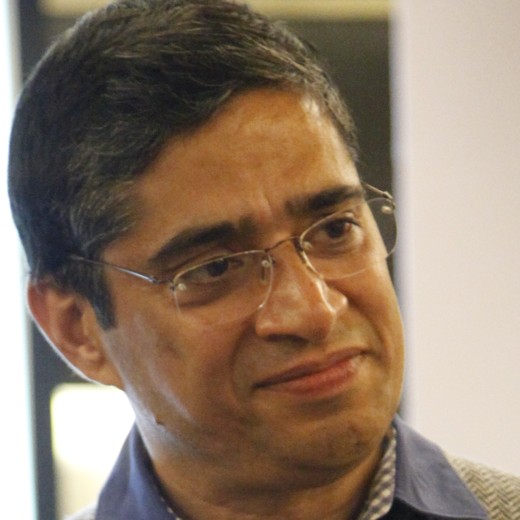
Founder of Su-Kam and Kunwwer.ai, and mentor at Su-vastika and several other companies — the “Inverter Man of India” and the “Solar Man of India.” Read his story →