Part 06
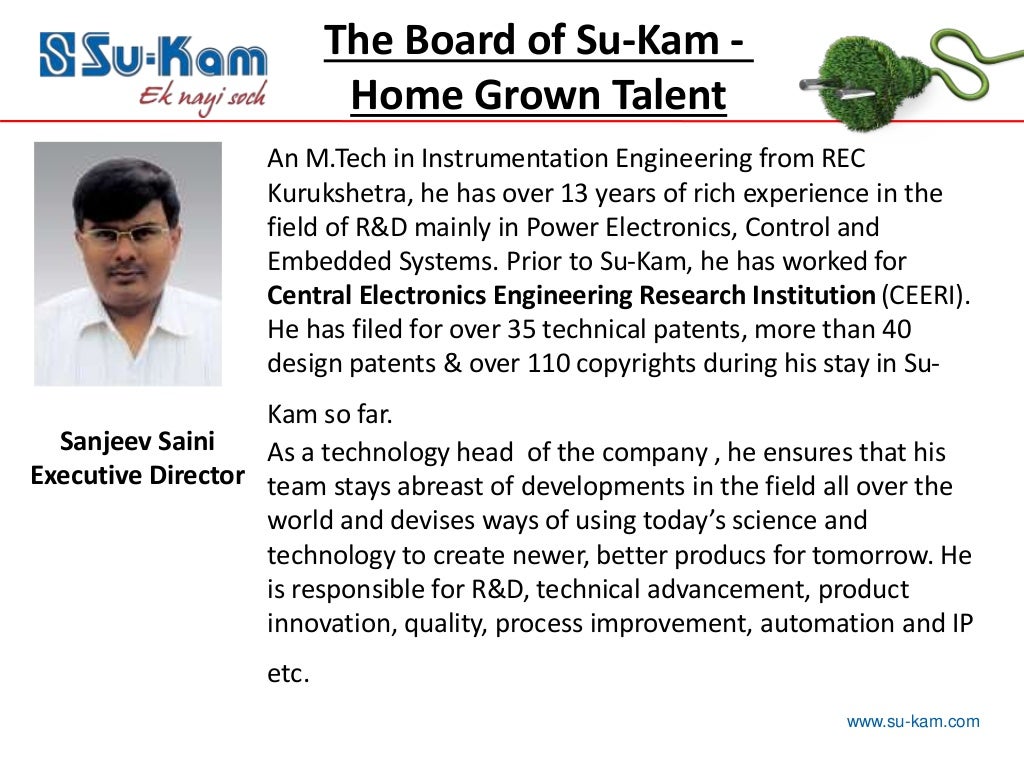
Why I elevated Sanjeev Saini from the lab to Executive Director (R&D) on the Su-Kam board.
In most Indian manufacturing companies, sales, marketing, and finance own the boardroom. R&D heads and engineers are kept in the basement — treated as operational subordinates who take orders, not as strategic voices who shape the enterprise.
That arrangement is comfortable for promoters. It is also how product companies quietly die. When technology has no seat at the table, quarterly panic from sales becomes strategy, and engineering becomes a cost line to cut when the mood turns.
At Su-Kam I refused that hierarchy. I elevated Sanjeev Saini from the lab to the Board of Directors as Executive Director (R&D) — so product truth sat beside finance truth, and patents were governed as enterprise assets, not hobby projects.
When R&D is kept in the lab, product strategy is driven by marketing hype. When your Chief of R&D sits on the board, product truth and long-term engineering drive the enterprise.
The basement problem
Walk into a typical Indian manufacturing boardroom and you will hear distribution, receivables, dealer schemes, and advertising. You will rarely hear an engineer explain why a topology is obsolete, why a reliability curve is about to hit customers, or why a patent filing matters more than a festival campaign.
R&D is asked to “support sales.” Engineers are summoned when something breaks. They are not invited when capital is allocated. That is how you get glossy launches with weak cores — and a culture where the best builders leave for companies that treat them as equals.
I have written the fuller people story of Sanjeev’s eighteen years building Su-Kam’s technical mind in The Man Who Built Su-Kam’s Mind. This essay is the governance decision: why R&D belonged on the board, not under it.
Why elevating engineering transformed Su-Kam
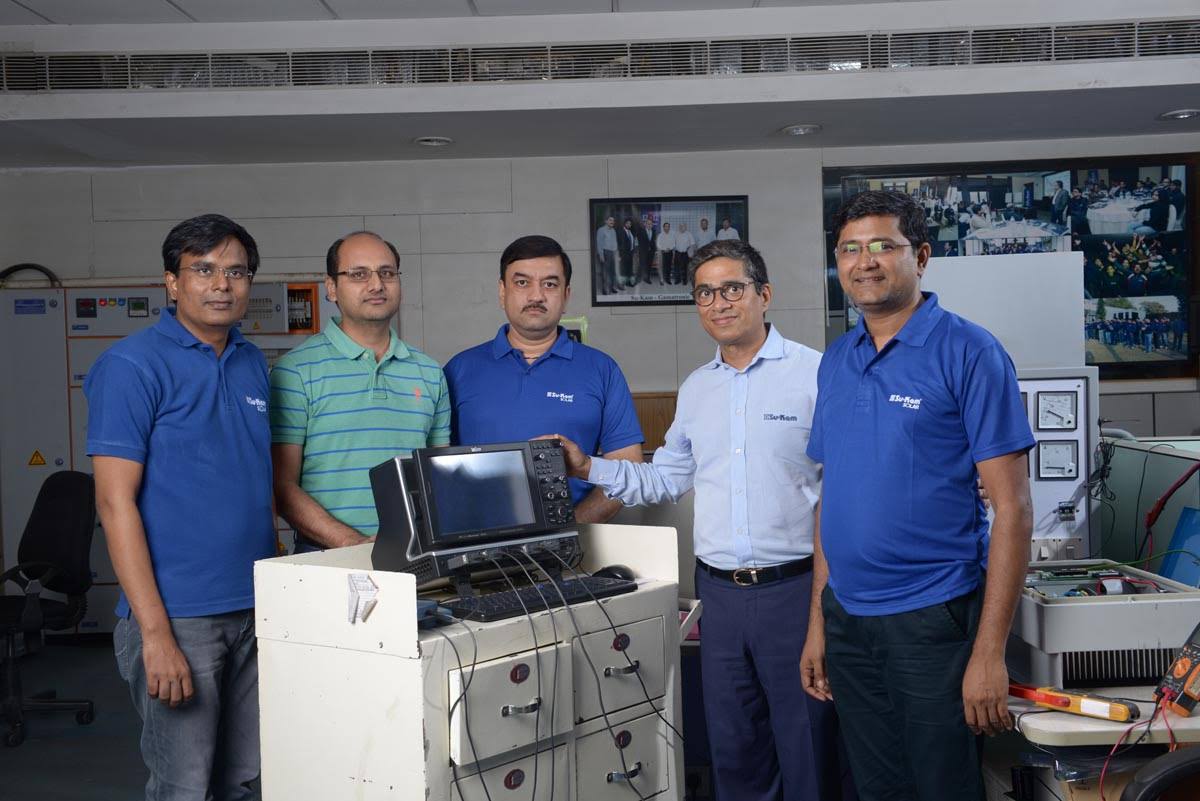
When quarterly sales dipped, sales teams often blamed “market slowdowns.” With the R&D chief at the board table, we got an unvarnished diagnosis: was the real issue product reliability, feature obsolescence, or uncompetitive specs? Marketing hype cannot survive that room. Product truth can.
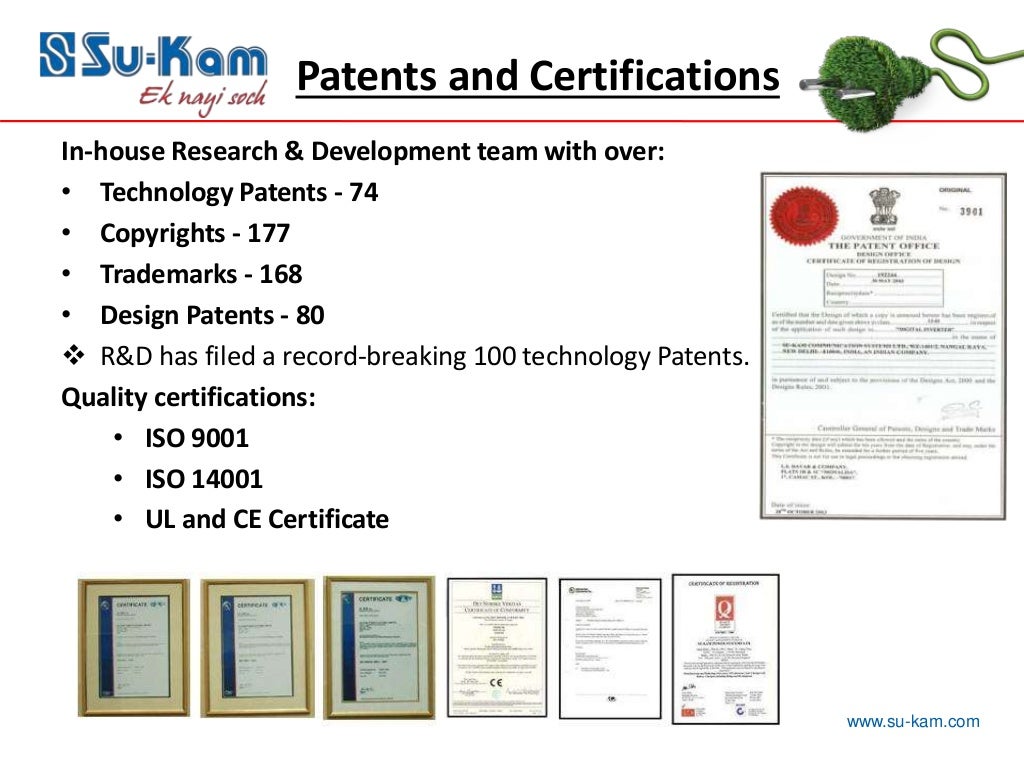
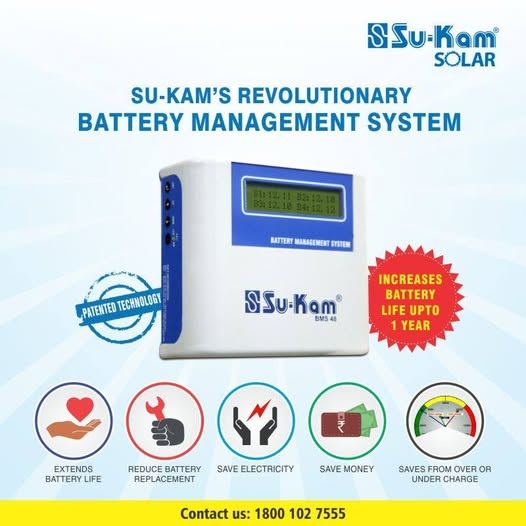
Boardroom backing meant R&D was not treated as a discretionary cost centre. We invested heavily in patents and core innovation — MOSFET single-battery inverters, DSP sine-wave technology, solar hybrid PCUs with MPPT — building an in-house IP estate that made Su-Kam globally competitive. The deeper patent and ecosystem story is here: 106+ Patents & In-House R&D Ecosystem.
Engineers stayed for decades because they saw that technical excellence — not office politics — had a seat at the highest governance table. When R&D is a board peer of finance and sales, talent reads the signal correctly: this company is built by people who build.
What changes when R&D sits upstairs
Launches stop being demo days for the founder. They become enterprise events — sales, service, manufacturing, and finance stress-tested together, with engineering accountable for readiness, not just novelty.
Patents stop being a trophy wall. They become an asset class discussed where capital is allocated — build vs buy, platform bets, and defensive filings under the same scrutiny as a plant expansion. That discipline is visible in the IOD board presentation we put on public record.
And internal challenge arrives before the market provides it for free. Markets punish weak products ruthlessly. A tech seat on the board creates cheaper punishment earlier.
If R&D only speaks to the founder, the company is one conversation away from self-deception.
What this taught me
Part 05 was about giving independent directors real power through committees and HOD access. Part 06 is about who must be in that room from inside the company: if product is your moat, your R&D head cannot be a guest on the agenda.
The next essay turns to the mistakes Indian promoters still make with boards — family seats, rubber stamps, filtered information — and why I refused them.
Further reading
- Part 05 — Give Your Board Real Power
- Part 03 — The Four Seats That Mattered
- Part 04 — How to Recruit Independent Directors
- Sanjeev Saini — The Man Who Built Su-Kam’s Mind
- Board Playbook hub
- 106+ Patents & In-House R&D Ecosystem
- SlideShare — Importance of the Board (IOD)
Part of Building a Board Bigger Than the Founder.
Internal — this site
External — companions
Founder of Su-Kam and Kunwwer.ai, and mentor at Su-vastika and several other companies — the “Inverter Man of India” and the “Solar Man of India.” Read his story →