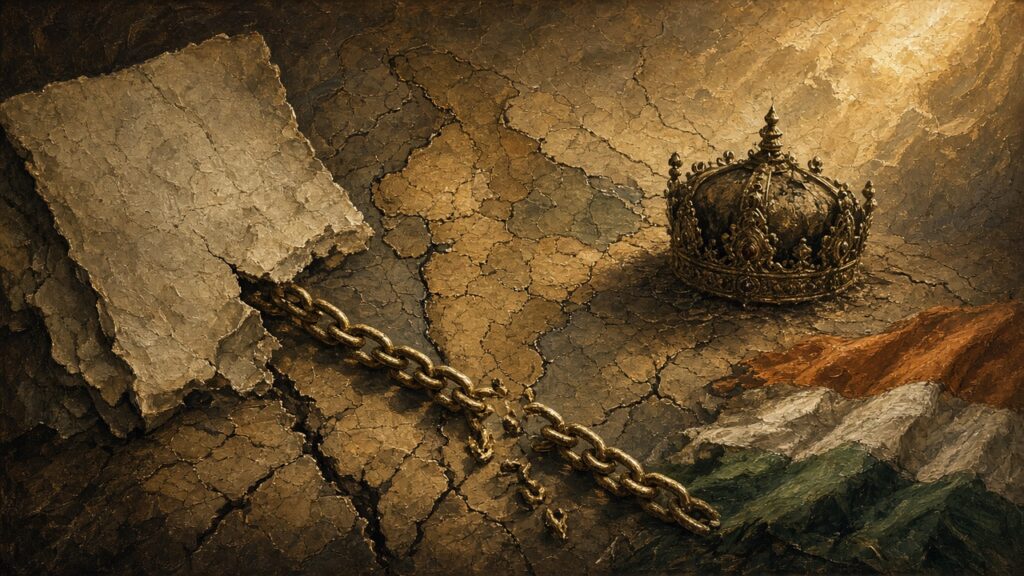
The Broken Covenant: How India Made, Then Betrayed, Its Royal Bargain (1947–1971)
INDEPENDENCE OF INDIA · PART 04 The Broken Covenant: How India Made, Then Betrayed, Its Royal Bargain (1947–1971) In 1947,
INDEPENDENCE OF INDIA · PART 04 The Broken Covenant: How India Made, Then Betrayed, Its Royal Bargain (1947–1971) In 1947,
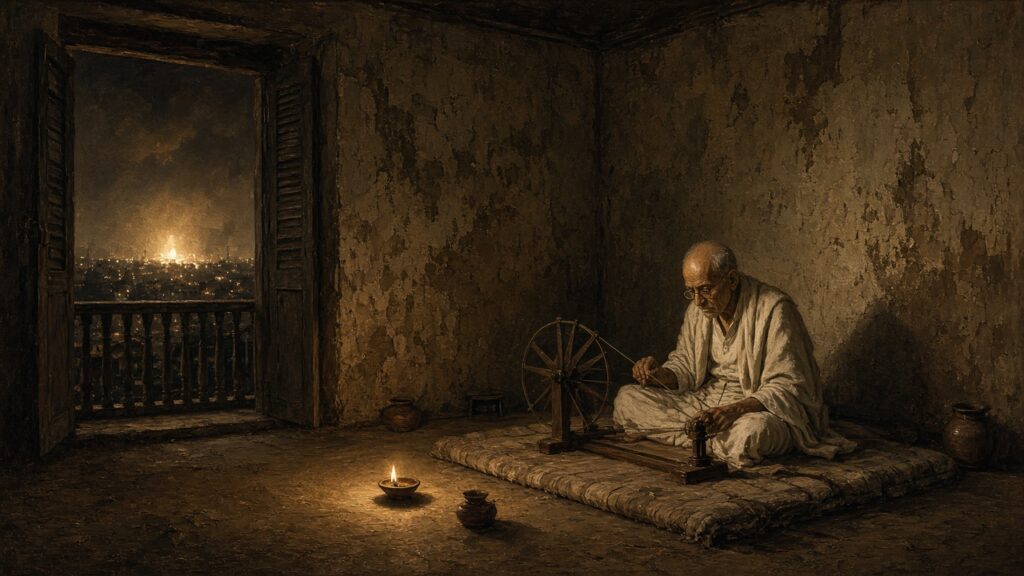
INDEPENDENCE OF INDIA · PART 03 The Empty Chair: Why Gandhi Fasted in Calcutta on 15 August 1947 While Nehru
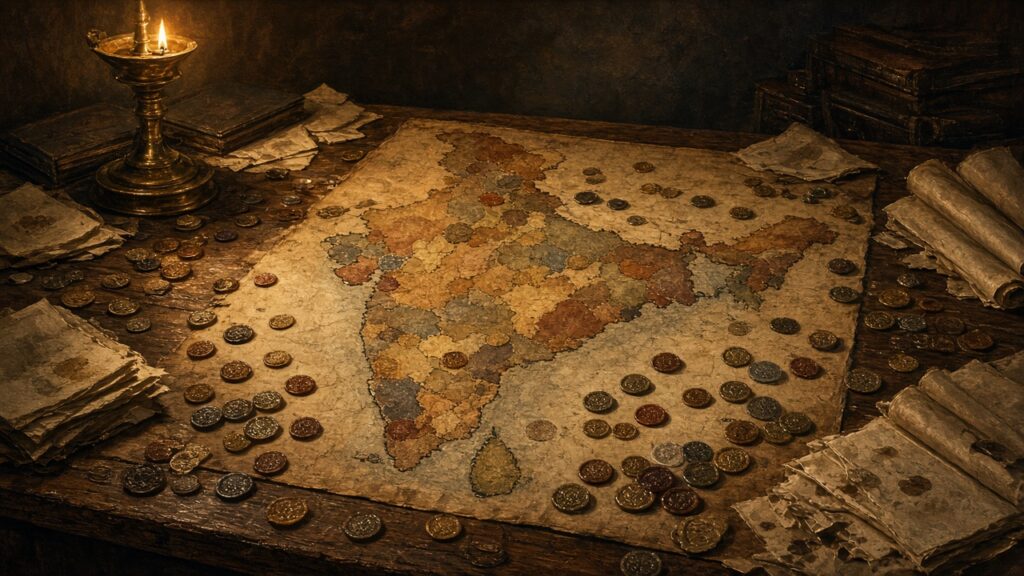
INDEPENDENCE OF INDIA · PART 02 The 565 Princely States Trap: Why Immediate Consolidation Was India’s Only Defense When British
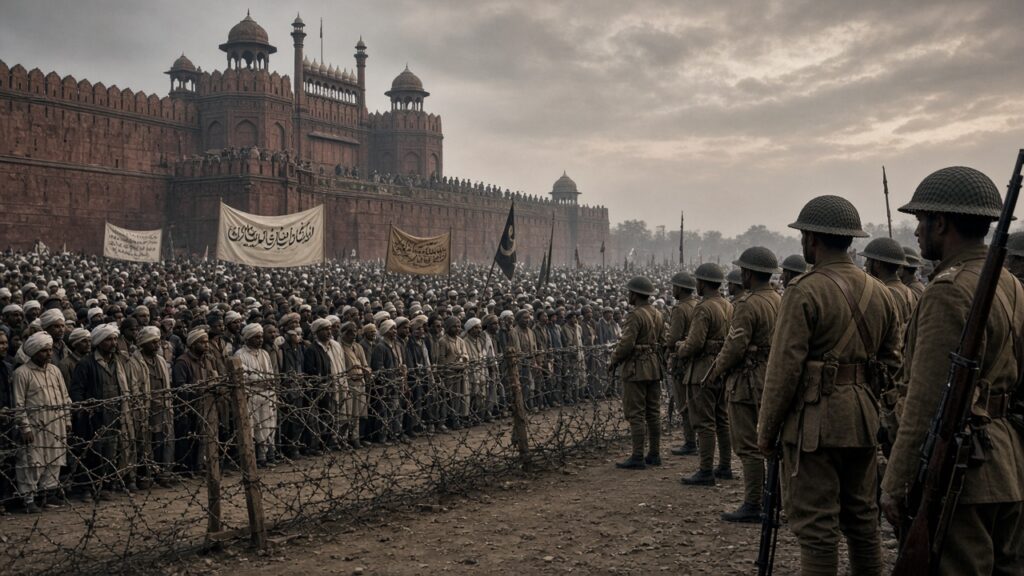
INDEPENDENCE OF INDIA · PART 01 Why Britain Bolted in 1947: The Military Mutinies That Broke the Raj Attlee set
SERIES HUB Independence of India: The Engineered Exit A completed series of eight essays — from Britain’s engineered exit in
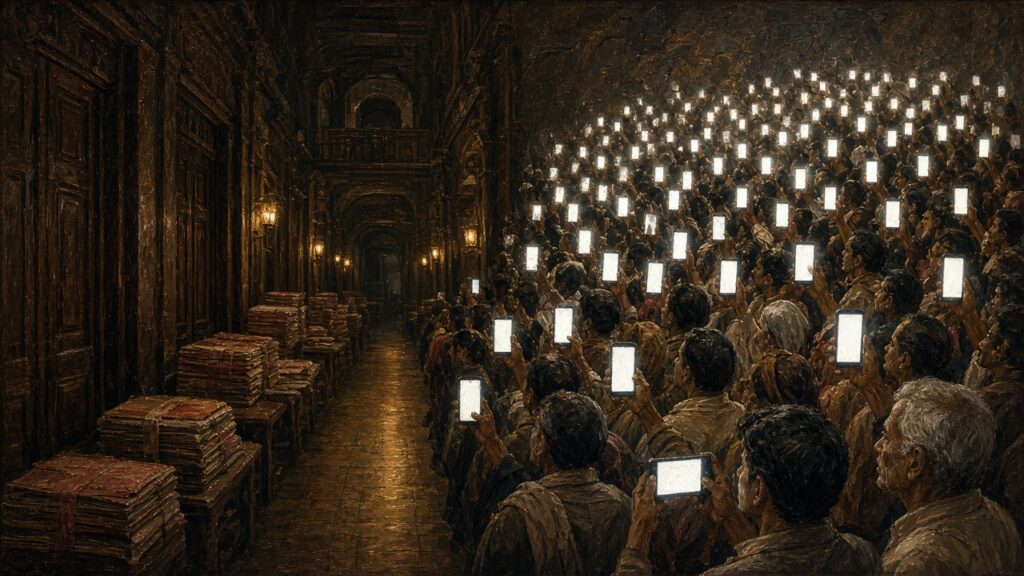
DECOLONIZING THE NARRATIVE · PART 08 The Citizen’s Camera: How Social Media Broke the Feudal Iron Triangle For seventy-five years,
DECOLONIZING THE NARRATIVE · PART 07 The War for the Gavel: Why the State and the Judiciary Fight Over Control,
DECOLONIZING THE NARRATIVE · PART 06 The Stolen Prime: How India’s Family Courts Sabotaged Their Own Promise Parliament designed family
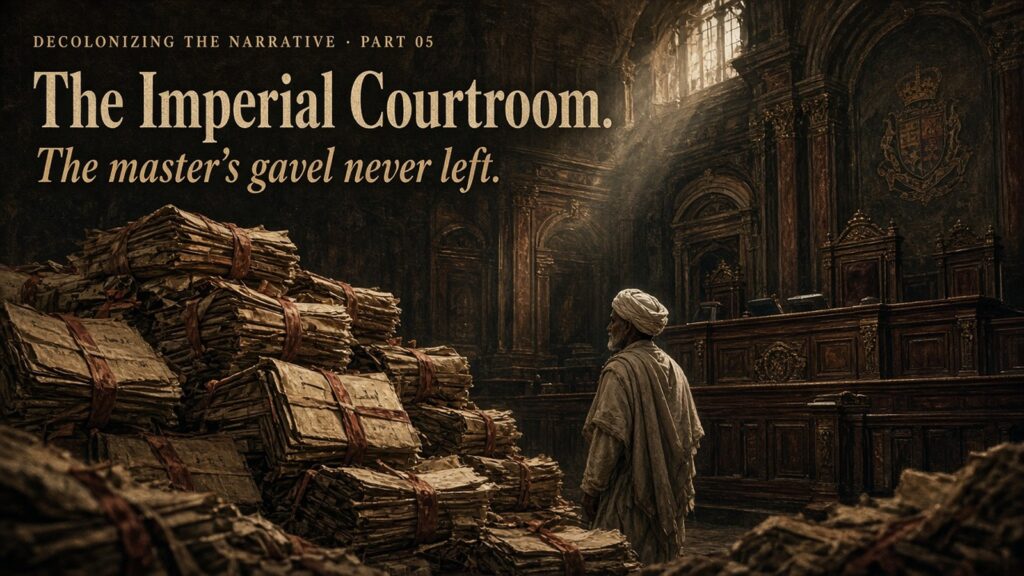
How independent India kept the colonial courtroom — two-speed justice, summer vacations, Collegium secrecy, English as intimidation — while Britain kept case management and the JAC for itself.
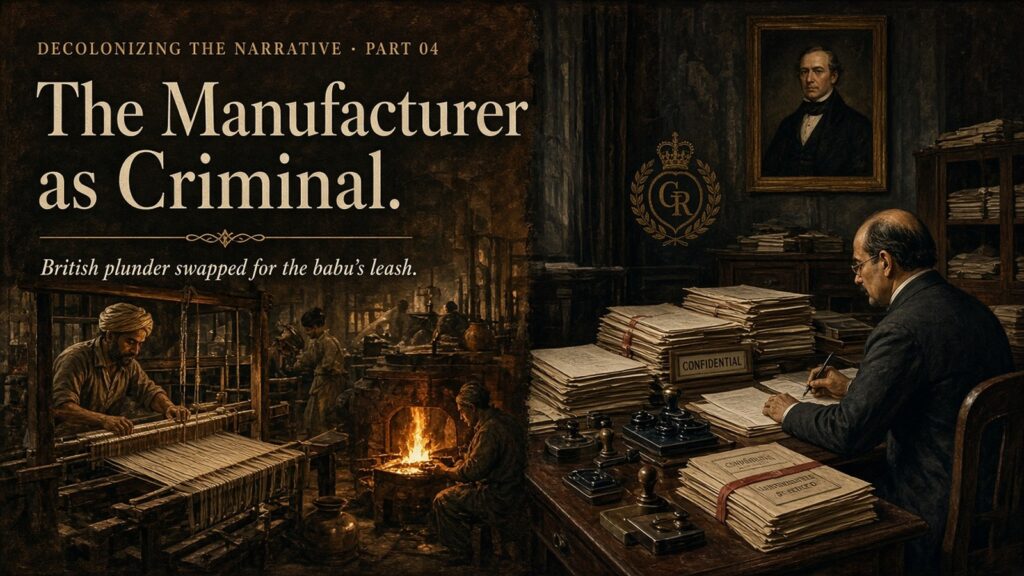
How India made the Sarkari Babu a hero and the manufacturer a permanent suspect — from smashed looms to License-Permit Raj, inspectors, and Bollywood’s factory villain.