The R&D Engine: How an Indian Hardware Firm Filed 77 Patents (and Why Most Don’t)
Capex, tooling, and indigenous IP versus Chinese CKD assembly — a classroom dilemma for operations and technology strategy courses.
Executive Summary
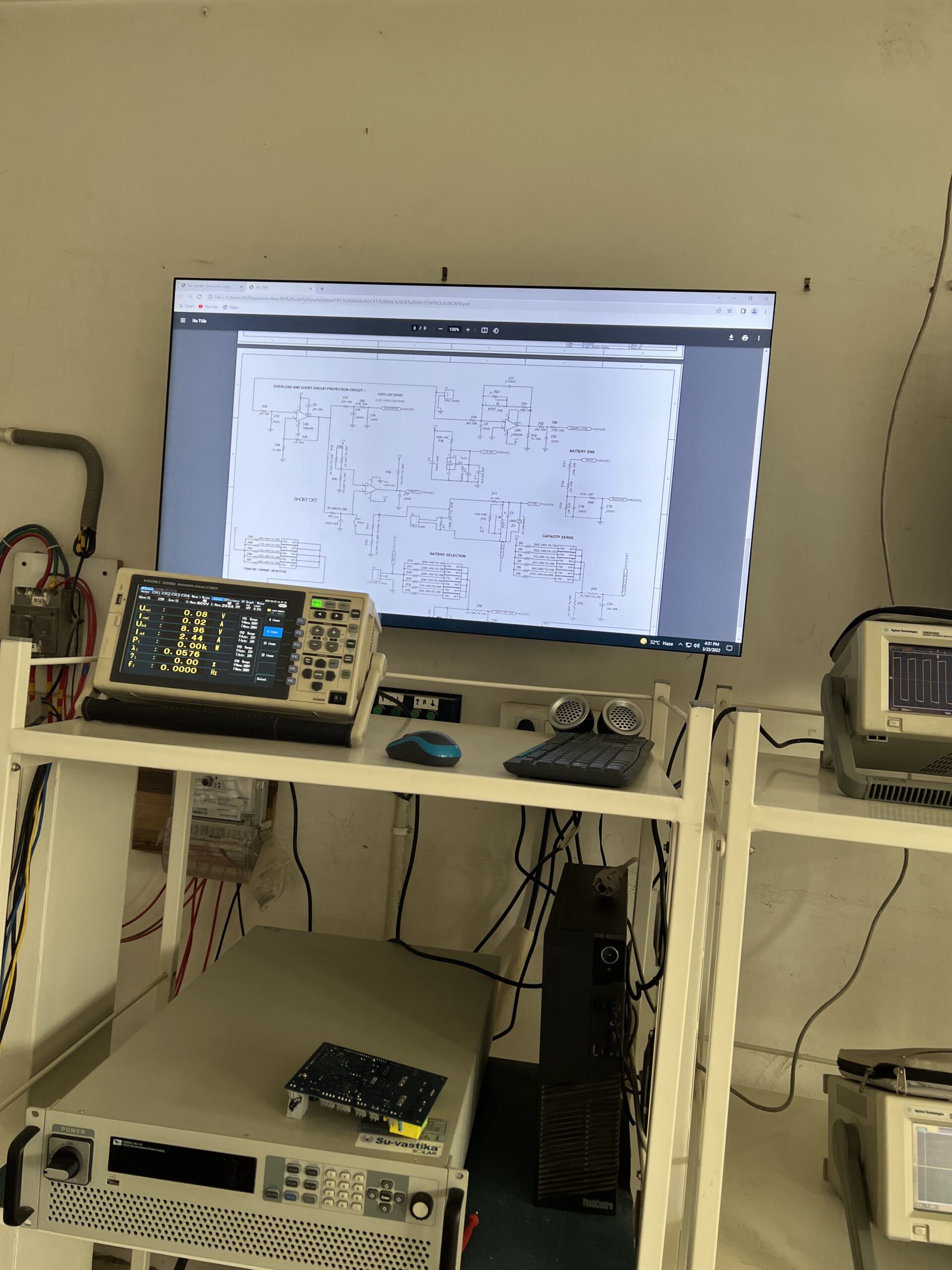
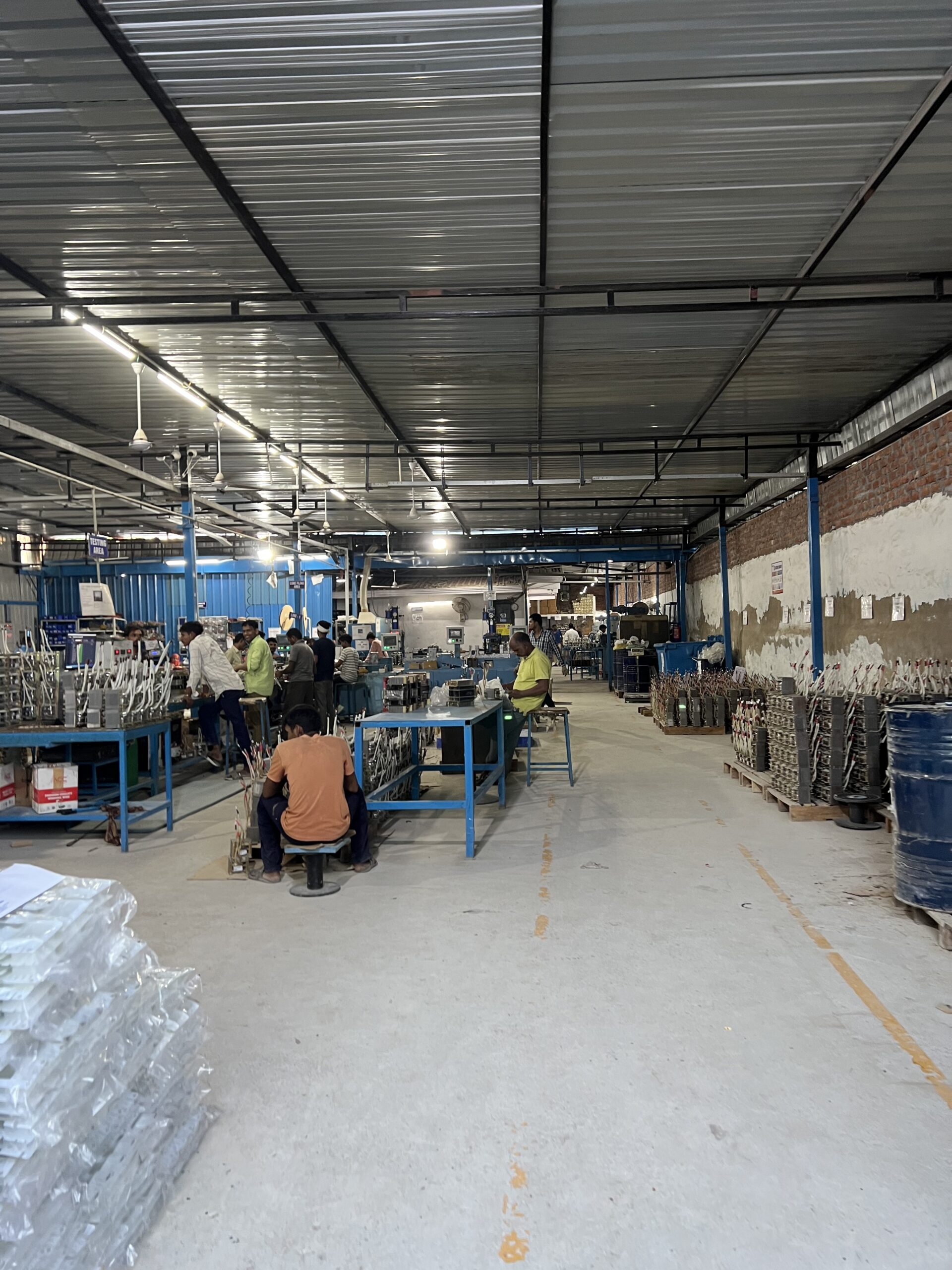
Most Indian “hardware” firms never become deep-tech manufacturers. They assemble. The cheaper path is CKD / SKD import kits, thin local value-add, and marketing spend. The harder path is in-house circuit design, tooling, reliability labs, and a patent portfolio that must be maintained year after year.
Su-Kam’s public record on this site documents the hard path: MOSFET topologies, static bypass, solar hybrid controllers, and a granted portfolio counted in the 77–102 range across essays and the Innovation Archive. This shell frames the classroom choice: Why invest in indigenous R&D when import assembly clears quarterly revenue faster?
Core Teaching Dilemma
Capex vs. CKD. A founder can ship boxes next quarter by importing kits — or spend years building lab benches, dies, and patents that competitors can copy only after expensive reverse engineering. Which strategy survives a working-capital squeeze, a currency shock, or an insolvency process that treats IP as scrap?
- Operations lens: What fixed costs (test jigs, skilled engineers, patent annuities) does deep tech lock in — and how should working capital be sized for seasonal demand?
- Strategy lens: When does category leadership require proprietary waveforms and form factors, not only channel reach?
- Policy lens: If CIRP cannot value patents, does the private R&D calculus change for the next founder?
Classroom Discussion Questions
- Map the cost stack of a CKD assembler vs. an indigenous design house over a five-year horizon. Where does the R&D firm’s break-even sit?
- How should a bank underwrite drawing power for a manufacturer whose “inventory” includes unfinished prototypes and calibration fixtures?
- If 77 granted patents enter CIRP with an RP who cannot read a schematic, what governance redesign would you propose before admission?
- Compare Israel / Taiwan / Korea hardware ecosystems (as discussed in the R&D policy brief) with India’s incentive structure for shop-floor IP.
Primary Readings (on this site)
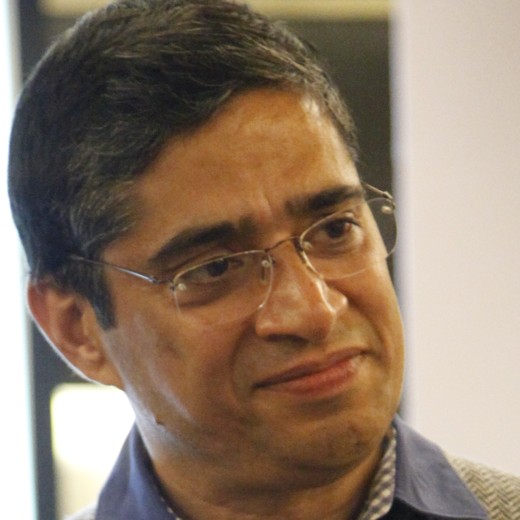
Kunwer Sachdev
Founder & MD, Su-Kam Power Systems (1988–2019). Read his story →