The Anatomy of Industrial Stress: Going-Concern Valuation vs. CIRP Scrap
A 90-day NPA cliff, sovereign receivables, and a ₹300 crore manufacturing enterprise reduced toward a ₹9 crore recovery — classroom material for law, finance, and turnaround courses.
Executive Summary
Indian manufacturing does not fail only when products lack demand. It fails when a liquidity timing gap — unpaid discom or government receivables, a raw-material spike, a seasonal trough — meets a legal machine designed for creditor recovery speed, not plant preservation.
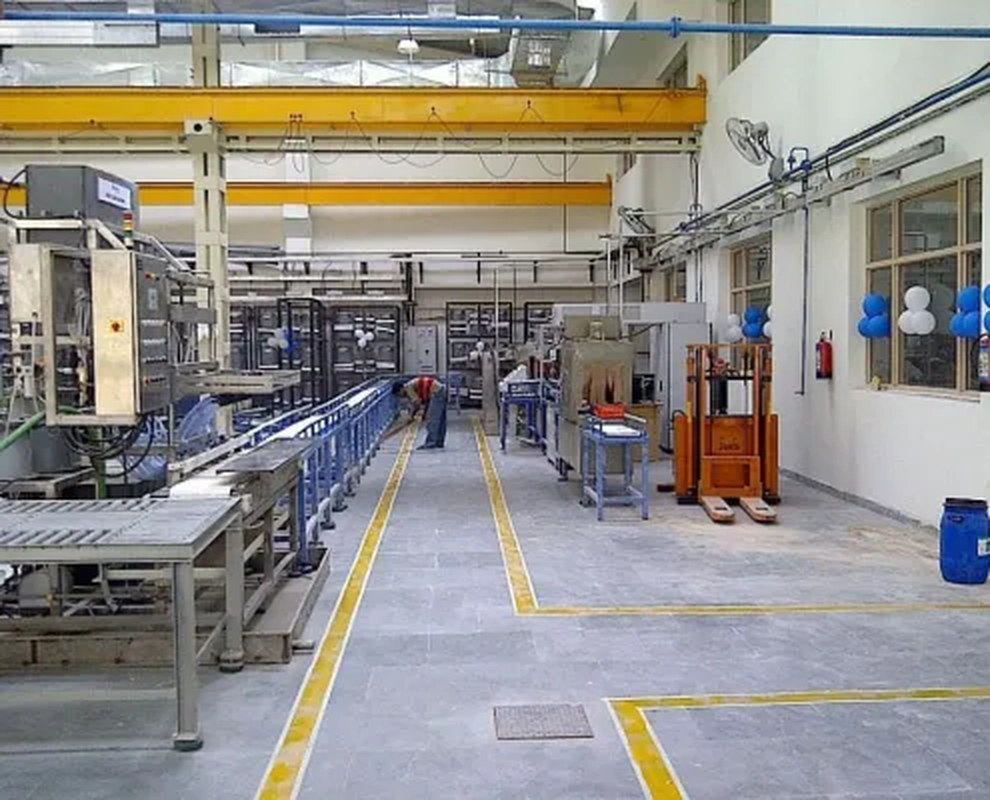
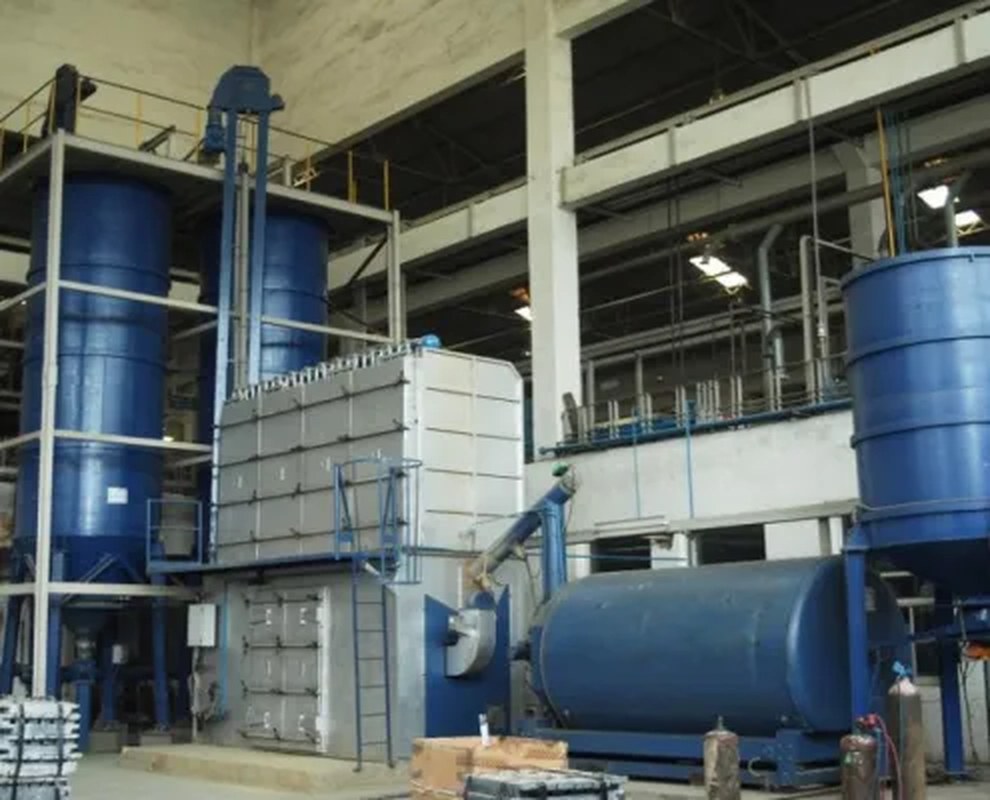
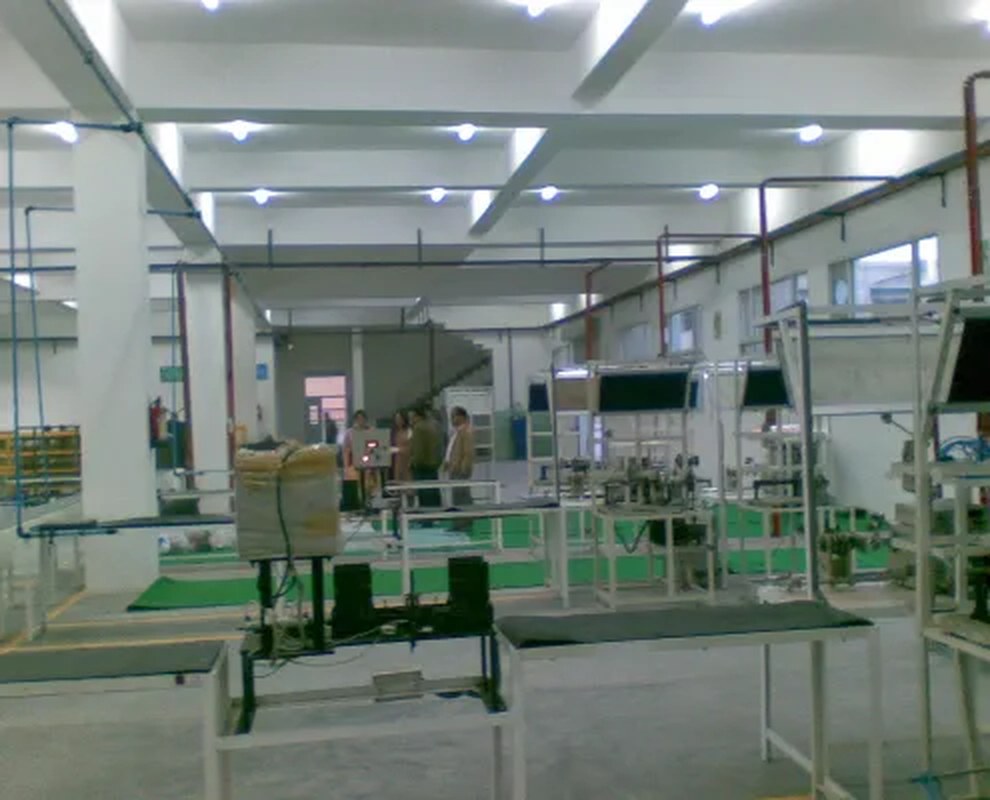
Published figures on this site frame the classroom shock: an enterprise built with on the order of ₹300 crore in equity, technology, and debt; a live patent portfolio; multiple manufacturing facilities — and a recovery path published around ₹9 crore. This shell asks students to separate industrial stress from terminal insolvency, and to design governance that would have preserved going-concern value.
Core Teaching Dilemma
Going-concern vs. scrap. If the state can delay payment for 180–360 days, but banks and a ₹1 crore operational creditor can force CIRP inside a 90-day NPA window, is the factory insolvent — or is the calendar wrong?
- Finance lens: How should working-capital lines be structured for capital-goods manufacturers facing seasonal demand and sovereign receivable lag?
- Law / governance lens: What happens to IP, dies, and tooling when an RP without domain expertise runs the process under “commercial wisdom”?
- Policy lens: Which reforms (threshold, moratorium, DIP-style control, critical-vendor continuity) would change the payoff matrix?
Classroom Discussion Questions
- Construct a simple cash timeline: ₹X sovereign receivables at day 200; interest default at day 90. Who is the true residual claimant — the plant, the bank, or the calendar?
- Compare India’s creditor-in-control CIRP with US Chapter 11 debtor-in-possession and the UK CIGA 2020 moratorium (see the industrial-stress policy contrast table). Which single transplant would save the most enterprise value?
- If 77 patents and six plants enter CIRP, design an RP mandate that treats IP as a going-concern object, not a PDF attachment.
- Debate: Is “preferential transaction” fear a rational reason for suppliers to freeze a stressed but viable OEM — and how would a critical-vendor rule change behaviour?
Primary Readings (on this site)
- The IBC Files — 19-part empirical field record
- Industrial Stress Is Not Insolvency — policy companion with US/UK contrast
- 77 Patents Dispersed — national wastage / liquidation field essay
- The Broken System — ₹300 crore / ~₹9 crore recovery framing
- Insolvency and Industrial Asset Preservation
- Case Studies hub

Kunwer Sachdev
Founder & MD, Su-Kam Power Systems (1988–2019). Read his story →