THE IBC FILES · INTERACTIVE POLICY DOCKET · इंटरैक्टिव पॉलिसी डॉकेट
The MSME Section 240A Neutralization Playbook
Why India’s shield for small manufacturers fails: the personal guarantee trap and the case for full exemption from the IBC.
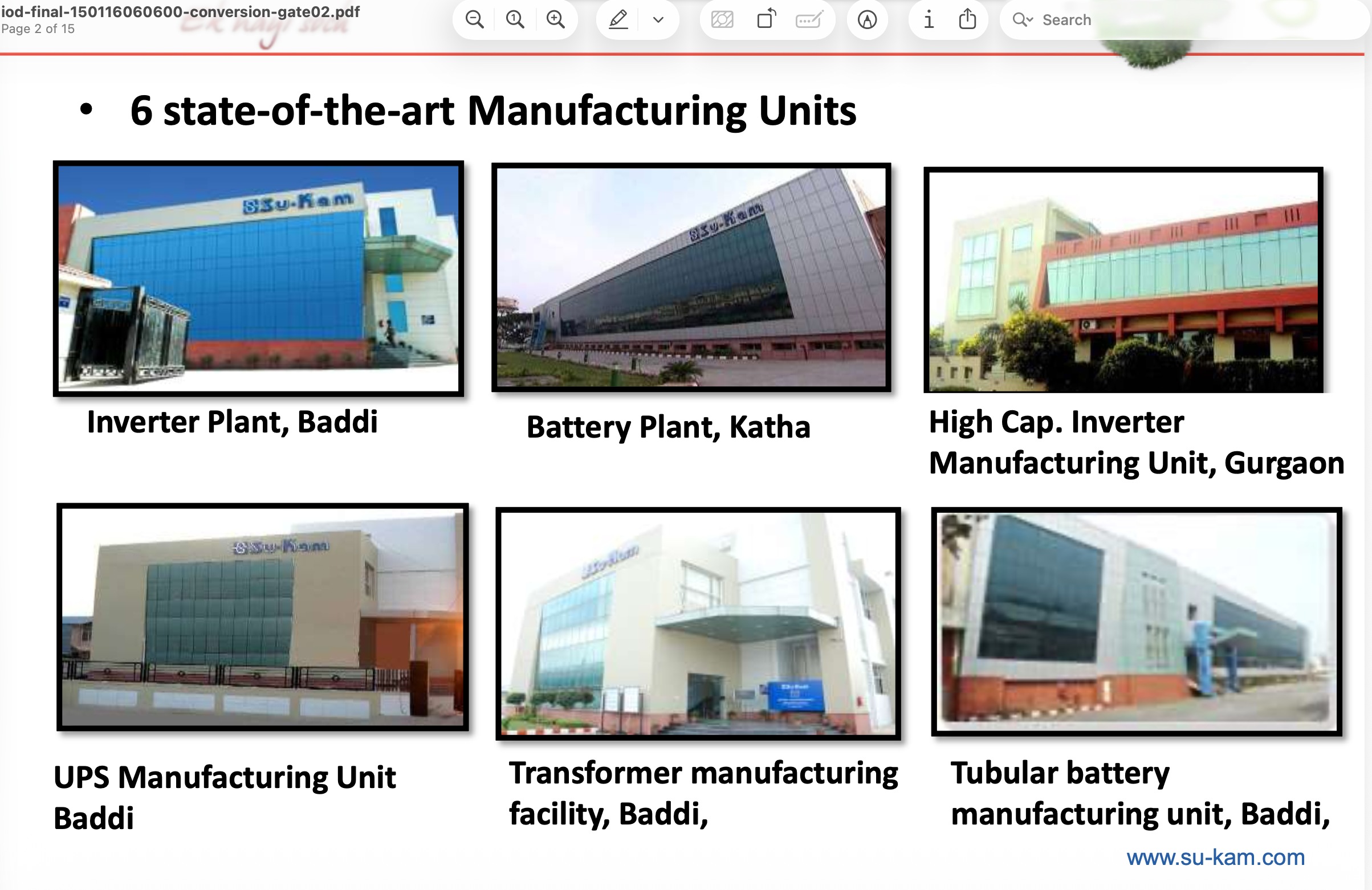
Historical disclosure: Kunwer Sachdev ceased all association with Su-Kam Power Systems Ltd. in April 2018. References to Su-Kam’s CIRP, patents, and liquidation arc are archival — not a current affiliation.
Corporate Level (Part II)
- Section 240A waives §29A(c) NPA rule & §29A(h) guarantor bar
- Founder can submit a resolution plan
- Bank countermove: §29A(b) wilful/fraud tag kills eligibility
Personal Level (Part III)
- No MSME exemption under §§94–100
- Personal wealth frozen; home attached
- Lalit Kumar Jain (2021): corporate haircut ≠ guarantor discharge
1. Why MSMEs Were Given Special Status—And Why NCLT Buyers Fail
Under Indian corporate jurisprudence, an MSME is fundamentally different from a large conglomerate — see the full divide on Pillar #2.
When a multi-thousand-crore commodity corporation enters CIRP, the asset is asset-agnostic. A blast furnace melts ore regardless of who sits in the executive suite. A financial buyer or ARC can parachute in consultants and keep the plant humming.
An MSME manufacturing enterprise is not an asset-agnostic machine; it is an organic extension of the entrepreneur’s mind:
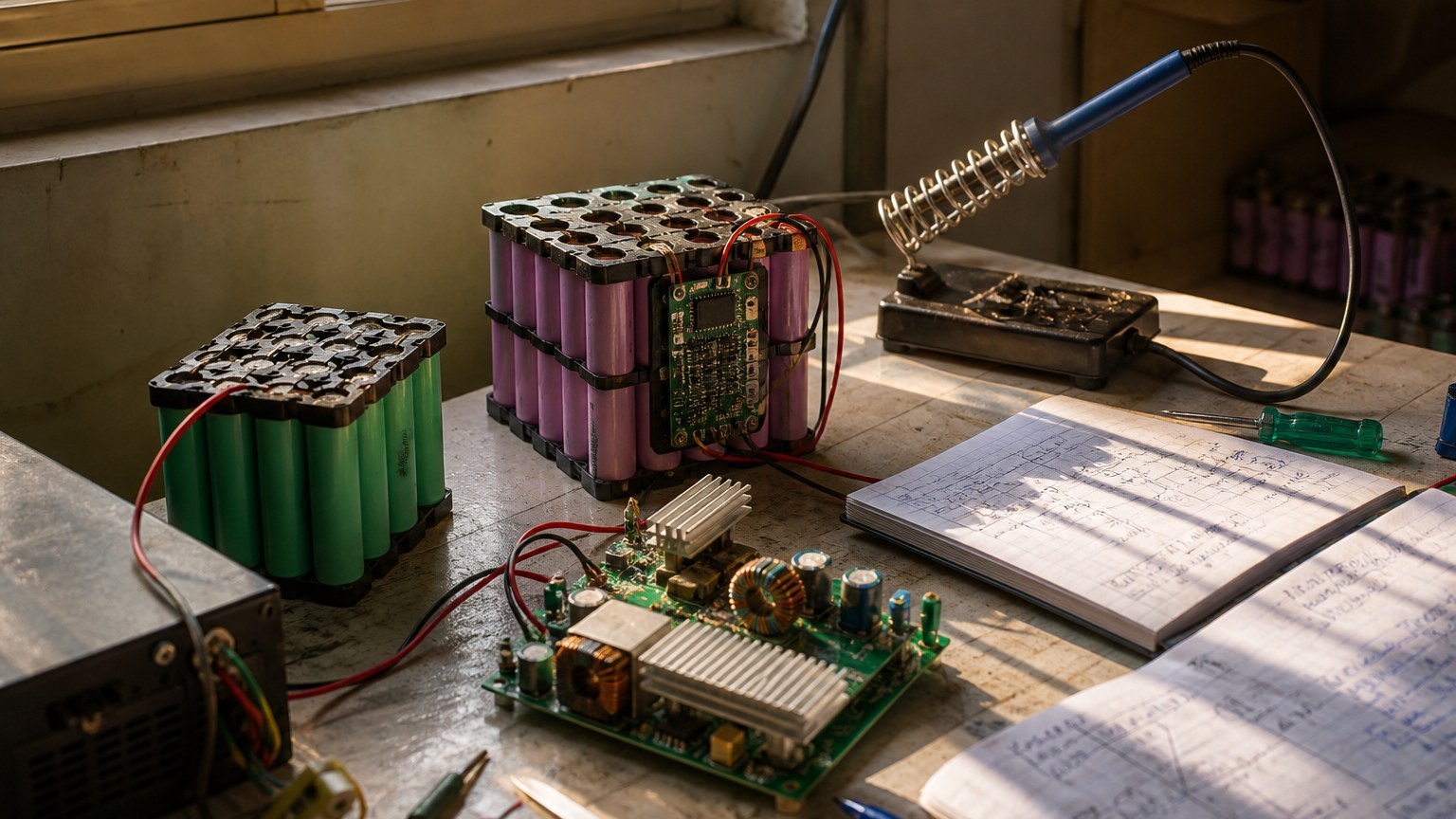
- The Technical Brain: proprietary circuit topologies, firmware, calibration — 77 patents.
- The Commercial Trust Network: 60–90 day vendor credit on personal integrity — wiped under Section 53, then secondary bankruptcies 12–18 months later (Pillar #4: Silent Bloodbath; §6 Global Jurisprudence; §7 Data Blindspot).
- The Customer Franchise: distributors and OEMs buy because the founder stands behind warranty and field reliability.
The Myth of the NCLT Resolution Buyer for MSMEs
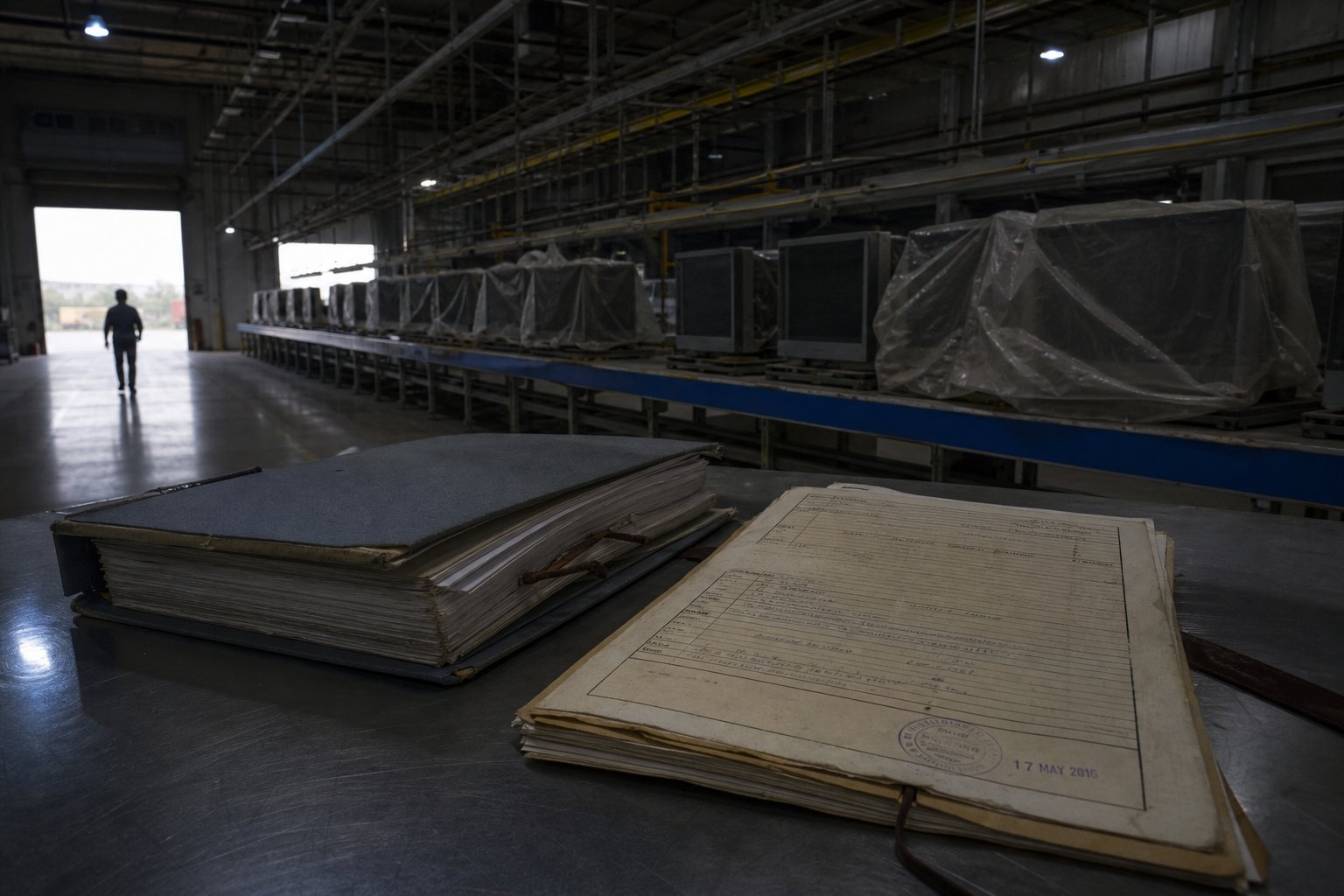
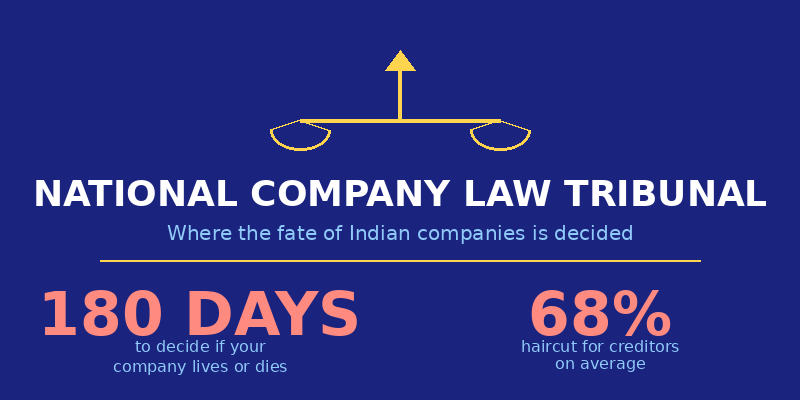
The IBC framework presumes competing resolution applicants. For an MSME, that market is completely non-existent. Conglomerates and foreign funds do not bid on ₹50–₹200 crore specialized units without the founding team. When the law bars the founder, nobody bids — CIRP fails into Section 33 scrap liquidation (The Day Su-Kam Died).
That is why Parliament enacted Section 240A in 2018: to let MSME founders bid by exempting them from Section 29A(c) and 29A(h) — IBC Act via IBBI.
2. The Statutory Divide: MSME vs. Normal (Large) Corporate
| Evaluation Metric | Statutory MSME | Normal / Large Corporate |
|---|---|---|
| Statutory Threshold | MSMED Act: Micro / Small / Medium up to Inv ≤ ₹50 Cr & Turn ≤ ₹250 Cr (MSME) | Exceeds caps: Inv > ₹50 Cr or Turn > ₹250 Cr |
| Operational Dependency | Founder-centric IP, firmware, vendor credit | Institutionalized, fungible executive teams |
| Bidding Appetite | Zero external buyers without the founder | Active distressed / strategic bidding market |
| Section 29A | Protected by 240A on (c) & (h) only | Strict absolute bar |
| Litigation Balance Sheet | Personal fragility; accounts seized | Corporate war chest & retained counsel |
Deep dive: What Sets an MSME Apart · Policy punch: Pull MSMEs out of the IBC.
3. The Personal Guarantee Trap: Breaking the Corporate Veil
Limited liability exists so innovators can build factories and R&D without risking destitution if cycles turn. For MSMEs, banks shred that veil before the first rupee is disbursed — see also Personal Guarantees under IBC and Personal Insolvency: The Last Straw.

Why Banks Demand Personal Guarantees from MSME Promoters
- Lazy Credit Appraisal: personal collateral substitutes for evaluating technology, patents, and order books.
- The Leverage of Ruin: dispute fees or renewals, and the bank can threaten family shelter.
- The Part III Insolvency Pincer: if Section 240A lets the founder bid, lenders file under Section 95 against the person — bypassing corporate rescue.
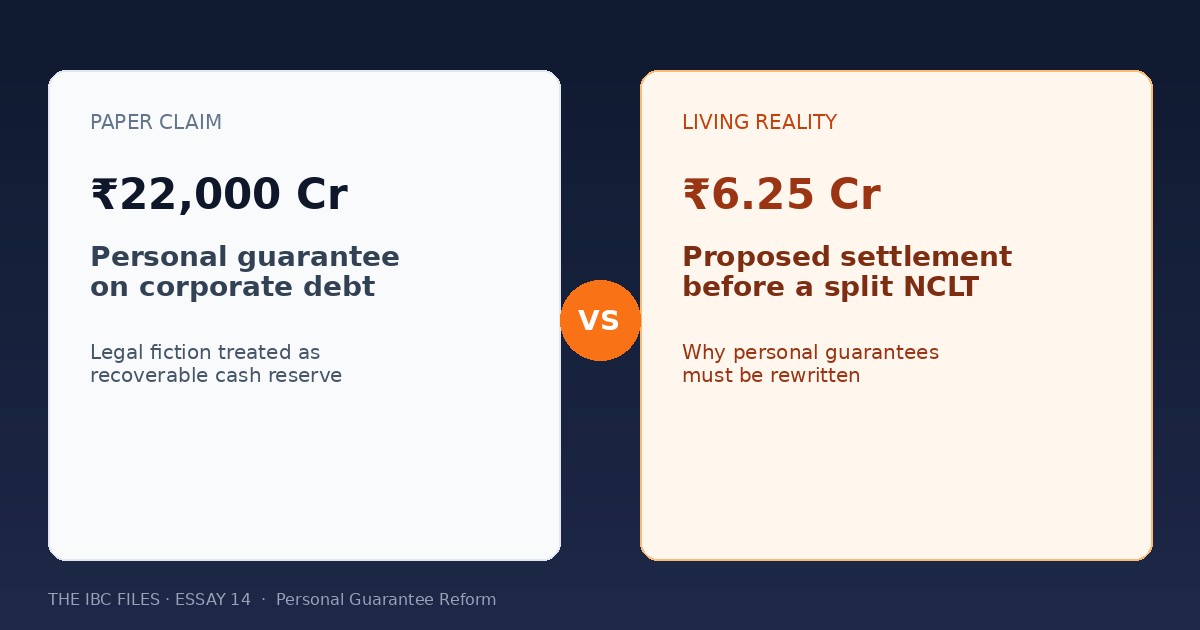
Part III Reality: Lalit Kumar Jain & Dilip Jiwrajka
- Co-extensive liability — Lalit Kumar Jain v. Union of India (2021): a corporate resolution plan does not discharge the personal guarantor. Banks take the CIRP payout and chase the founder for the residual haircut.
- Premature moratorium — Dilip B. Jiwrajka v. Union of India (2023): Section 95 filing triggers interim moratorium under Section 96 and personal scrutiny before merits are fully tested.

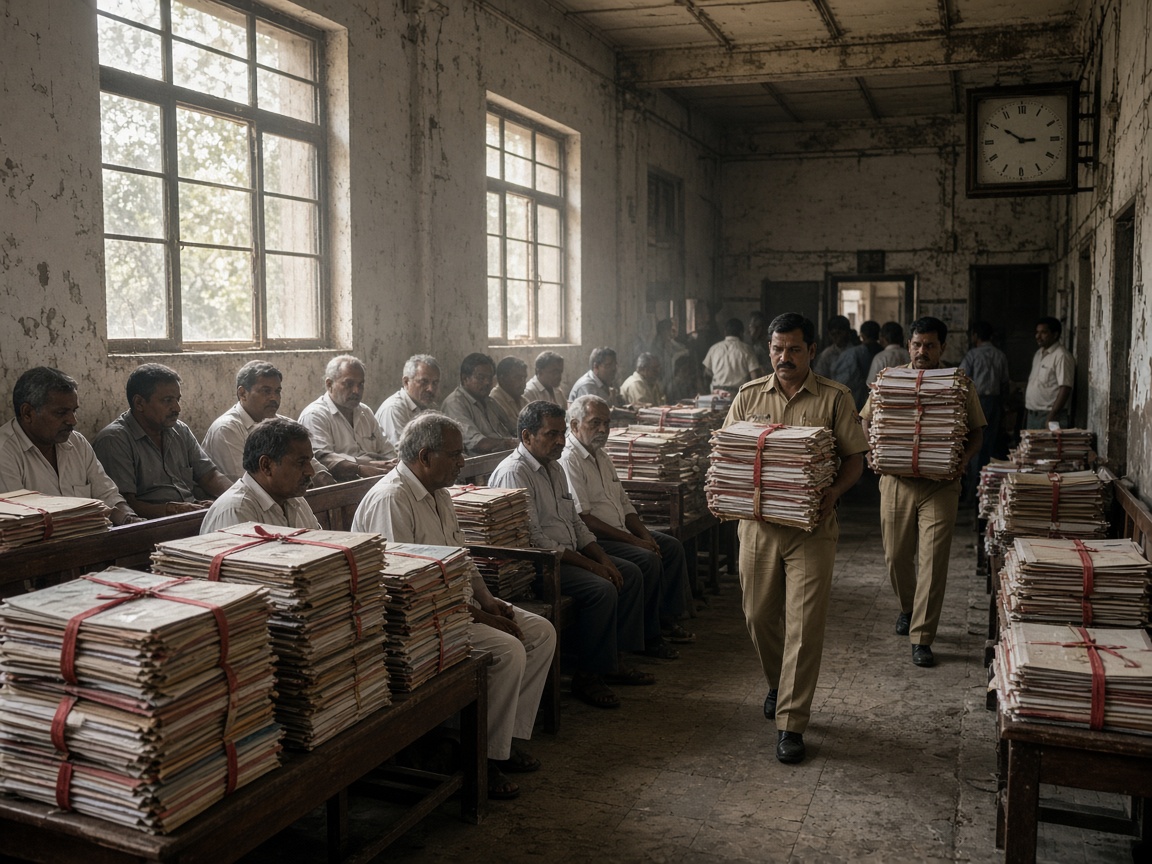
4. The Interactive 5-Stage Neutralization Flow
How consortium banks neutralize Section 240A on the ground — bilingual (EN / हिन्दी) stepper with statutory drawer:
Also embedded in Pillar #2 §4.C. Simulate scrap economics: Value Destruction Modeler.

5. What Should Be the Ideal Conditions for MSME Promoters?
Subjecting an MSME to the NCLT is like sending a patient with a curable fracture to the morgue. Five structural protections must be codified:
- Remove MSMEs from the IBC entirely — dedicated non-adversarial MSME Debt Restructuring Act; management stays with the entrepreneur under a technical ombudsman (full verdict).
- Statutory ban on personal guarantees for operating loans already secured by factory land, plant, inventory, and book debts.
- Absolute discharge of guarantees upon MSME corporate resolution under Section 240A — override the Lalit Kumar Jain residual chase for MSMEs.
- Judicial proof before 29A(b)/(g) disqualification — no unilateral wilful/fraud Show Cause as a CIRP kill-switch (RBI wilful, RBI fraud, Rajesh Agarwal).
- Unified consortium action rule — one consolidated forum in 60 days, not 10 High Courts.
An insolvency code that destroys domestic patent holders, dismantles precision plants, and drives first-generation innovators into personal ruin does not protect the financial system — it undermines industrial independence. End the personal guarantee trap, close the Section 240A backdoor, and pull Indian MSME manufacturing out of the IBC meat-grinder.
— Kunwer Sachdev
Founder, Su-Kam Power Systems (1988–2018) · Founder, Kunwwer.ai