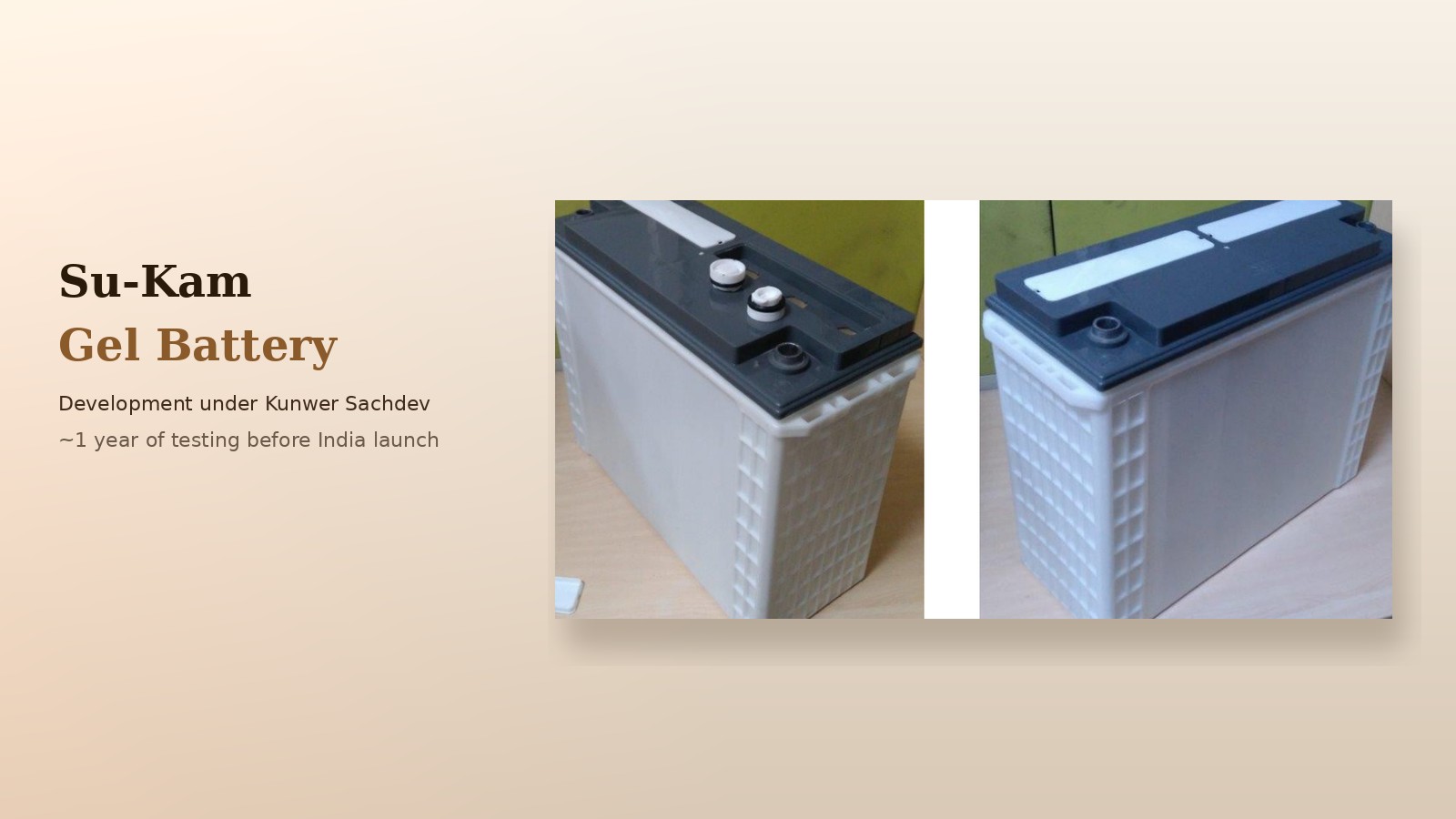
How to Make Gel Batteries: A Perfect Recipe — Under Kunwer Sachdev
Gel was not a sticker on an imported cell. Under Kunwer Sachdev, Su-Kam wrote the Indian recipe for a 12V / 150Ah gel battery — new lids, vent valves, flame arresters, gel-mixing lines — and tested it for almost a year before launch, fighting tooling gaps and process risk every step of the way.
Flooded and ordinary VRLA batteries already filled Indian inverter rooms. Gel was harder. Electrolyte had to be mixed into a thixotropic gel, filled under vacuum without voids, sealed with a lid and vent system that could breathe safely and stop flame, and proven across Indian heat, cycling, and transport — not just assembled from a brochure. Under Kunwer Sachdev, Su-Kam’s R&D treated gel as a full product programme: container, lid, vent, alloys, mixing plant, and field validation.
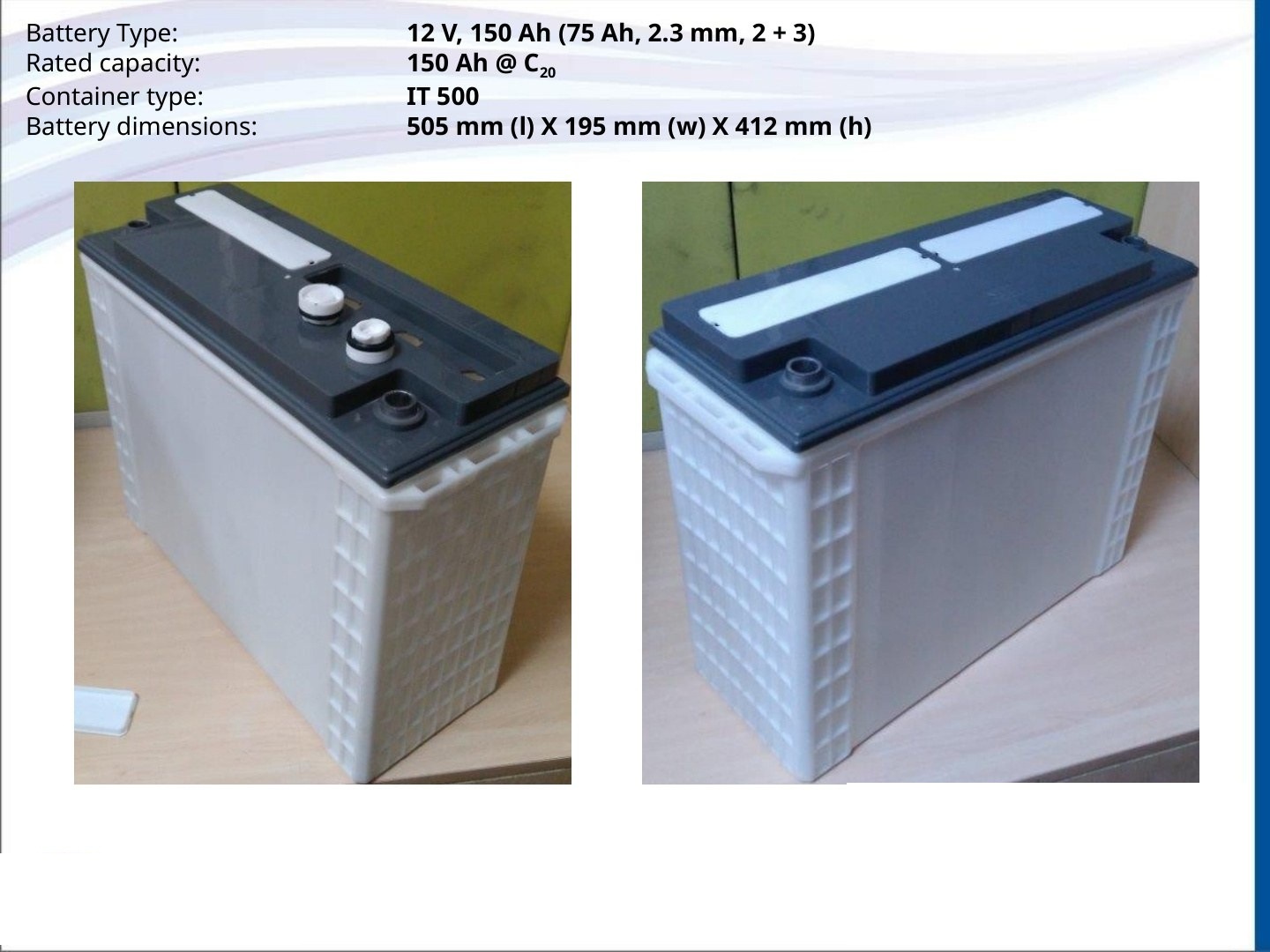
1. The Product: 12V / 150Ah Gel, Designed in India
The target battery was concrete: 12 V, 150 Ah (75 Ah plate family, 2.3 mm, 2+3 configuration), rated 150 Ah @ C20, in an IT 500 container. Dimensions — 505 mm length × 195 mm width × 412 mm height — placed it squarely in the high-capacity home and commercial inverter segment where Indian customers lived.
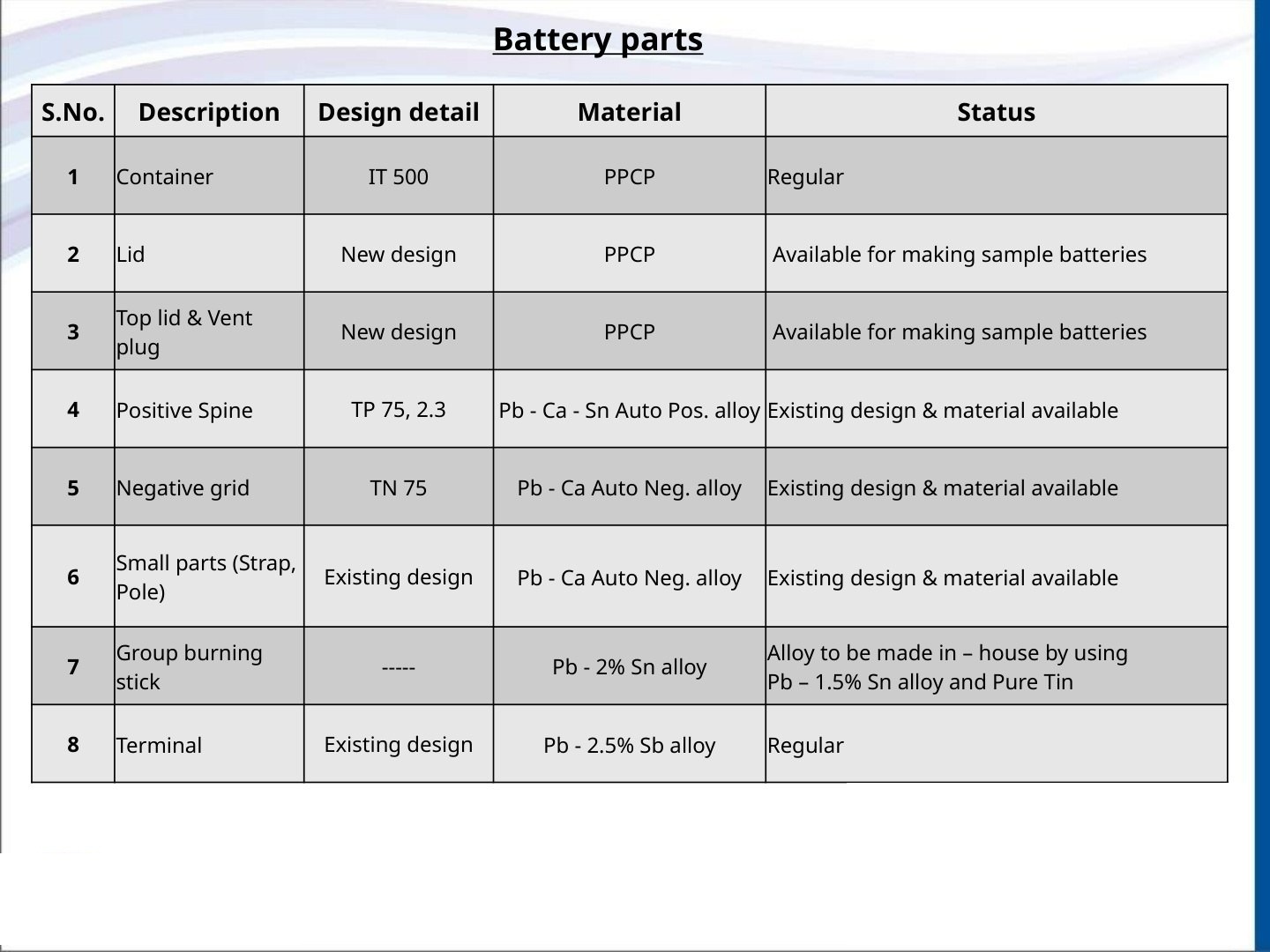
That was not “buy gel abroad and badge it.” The deck’s parts list shows what had to be owned: PPCP container and new lid designs, vent plug with EPDM rubber valve and ceramic flame arrester, Pb-Ca-Sn positive spines, Pb-Ca negative grids, and even group-burning stick alloy to be made in-house from Pb–1.5% Sn plus pure tin.
2. Challenge One: Lid, Vent, and Flame Safety
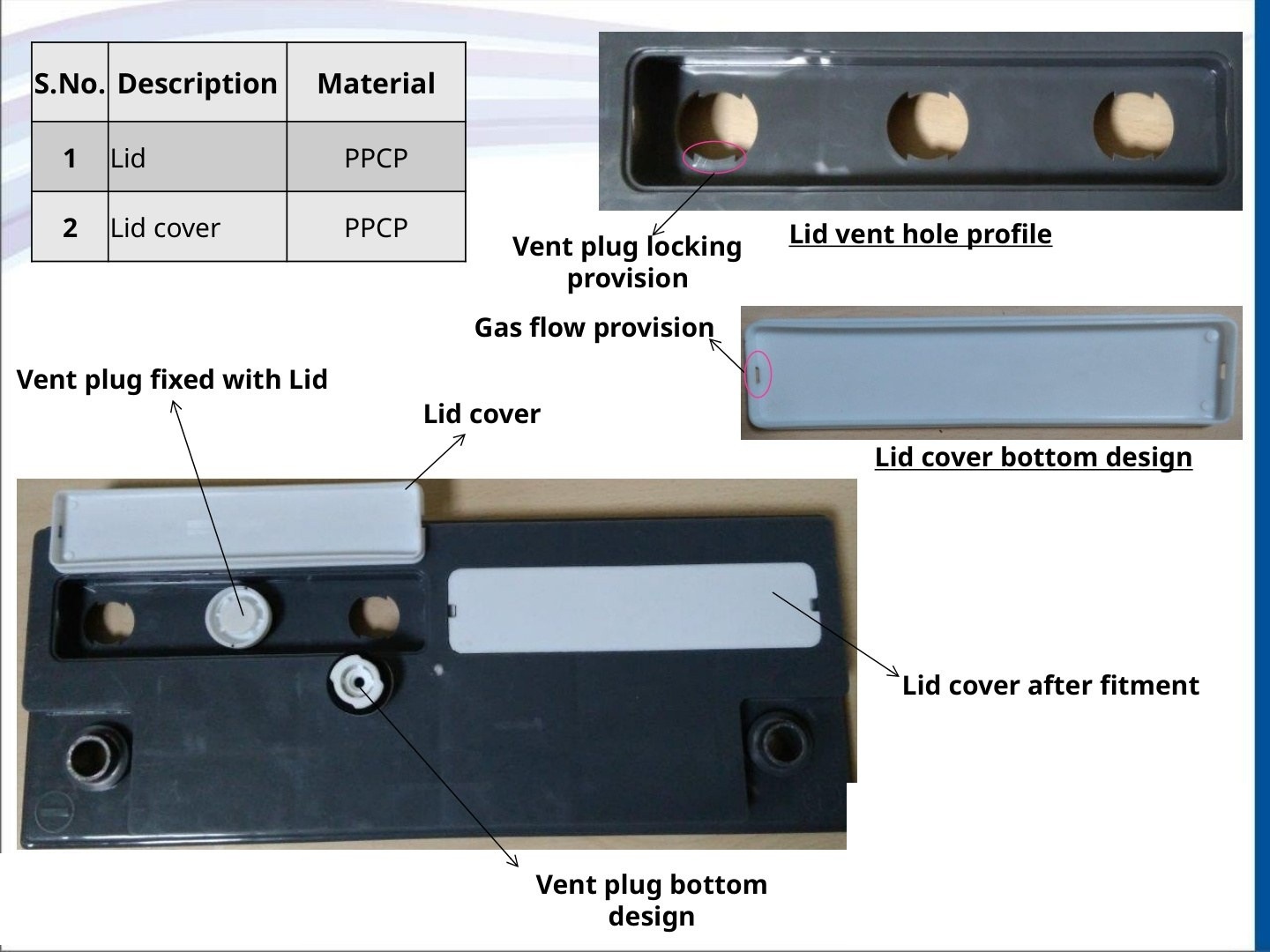
Gel batteries still generate gas. The lid is not cosmetic — it is the safety and sealing system. Su-Kam designed a new PPCP lid and lid cover with vent-hole profile, gas-flow provision, and vent-plug locking. The vent plug stack itself was a three-part problem: PPCP plug, EPDM rubber vent valve, and ceramic flame arrester.
- Lid cover bottom design and vent hole profile had to fit after assembly without leak paths.
- Vent plug had to lock, seal with rubber, and still pass gas in a controlled way.
- Flame arrester had to stop ignition from travelling back into the cell — non-negotiable for indoor Indian installations.
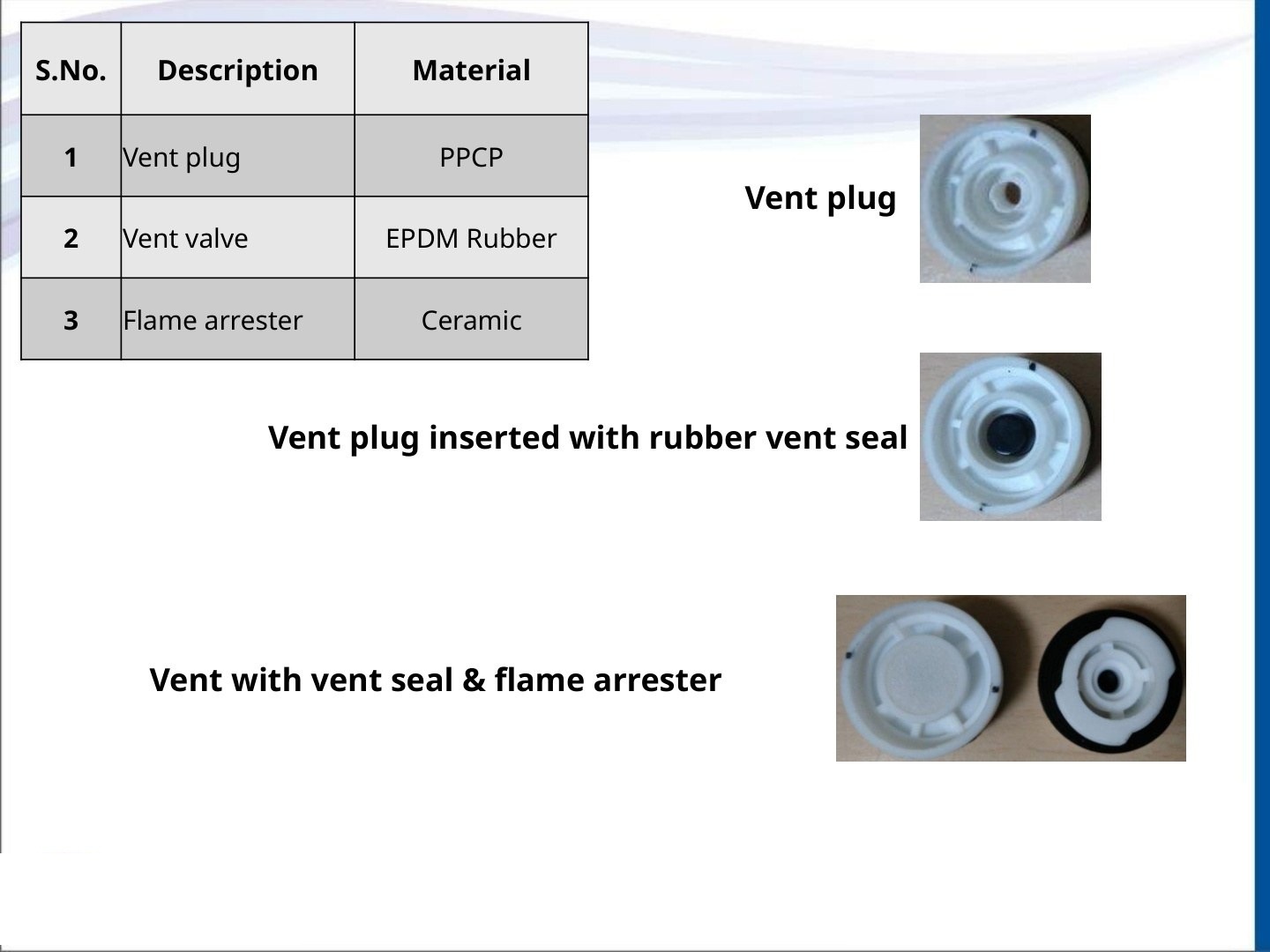
EPDM valve + ceramic flame arrester
Leak testing jig (to be made in-house)
~1 year of testing before India launch
3. Challenge Two: Gel Mixing and Vacuum Filling From Scratch
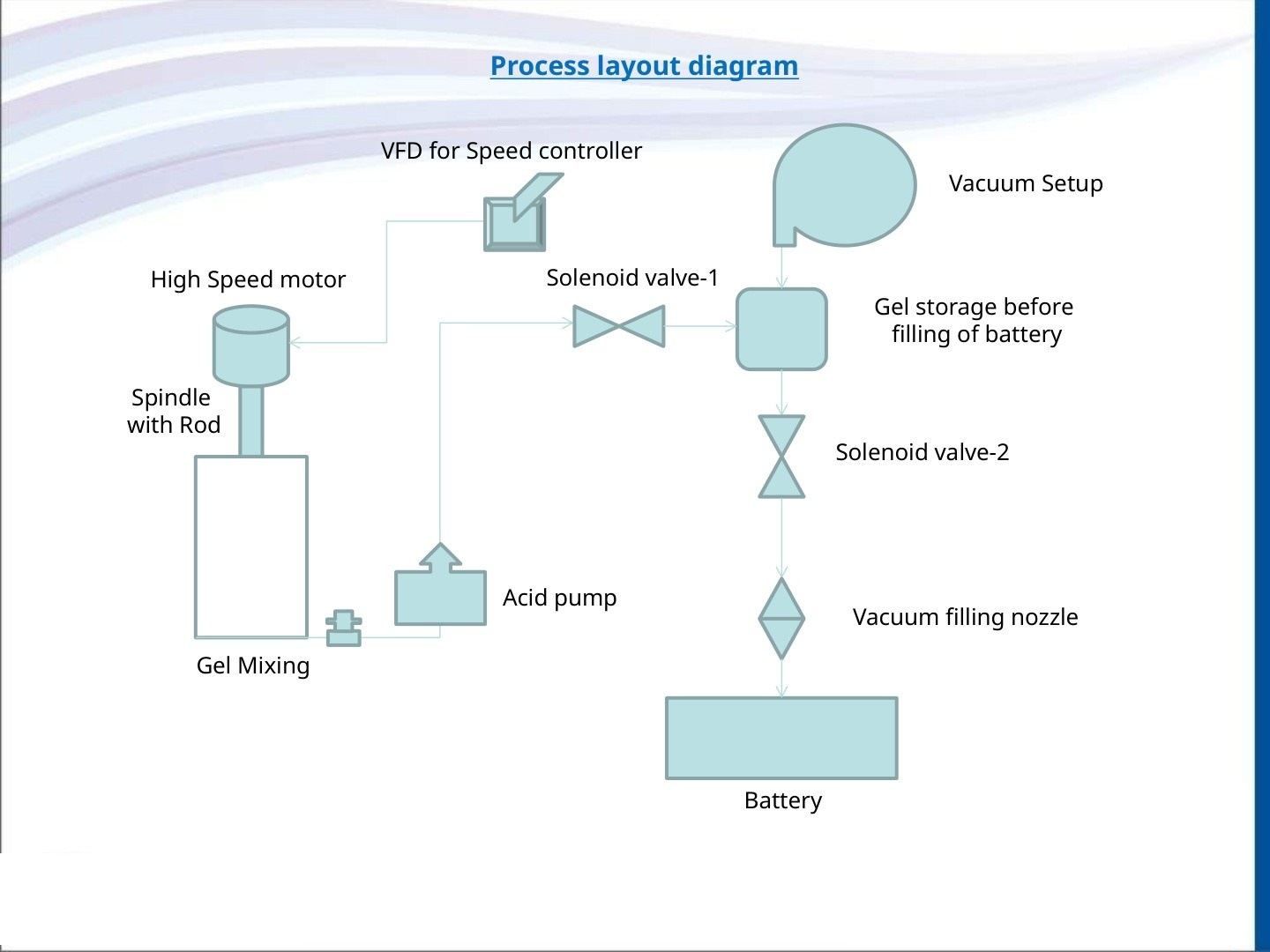
Flooded acid filling is one problem. Gel is another. The process layout in the deck is a full line: gel mixing tank with high-speed motor and spindle, VFD speed control, acid pump, solenoid valves, gel storage under vacuum, then a vacuum filling nozzle into the battery.
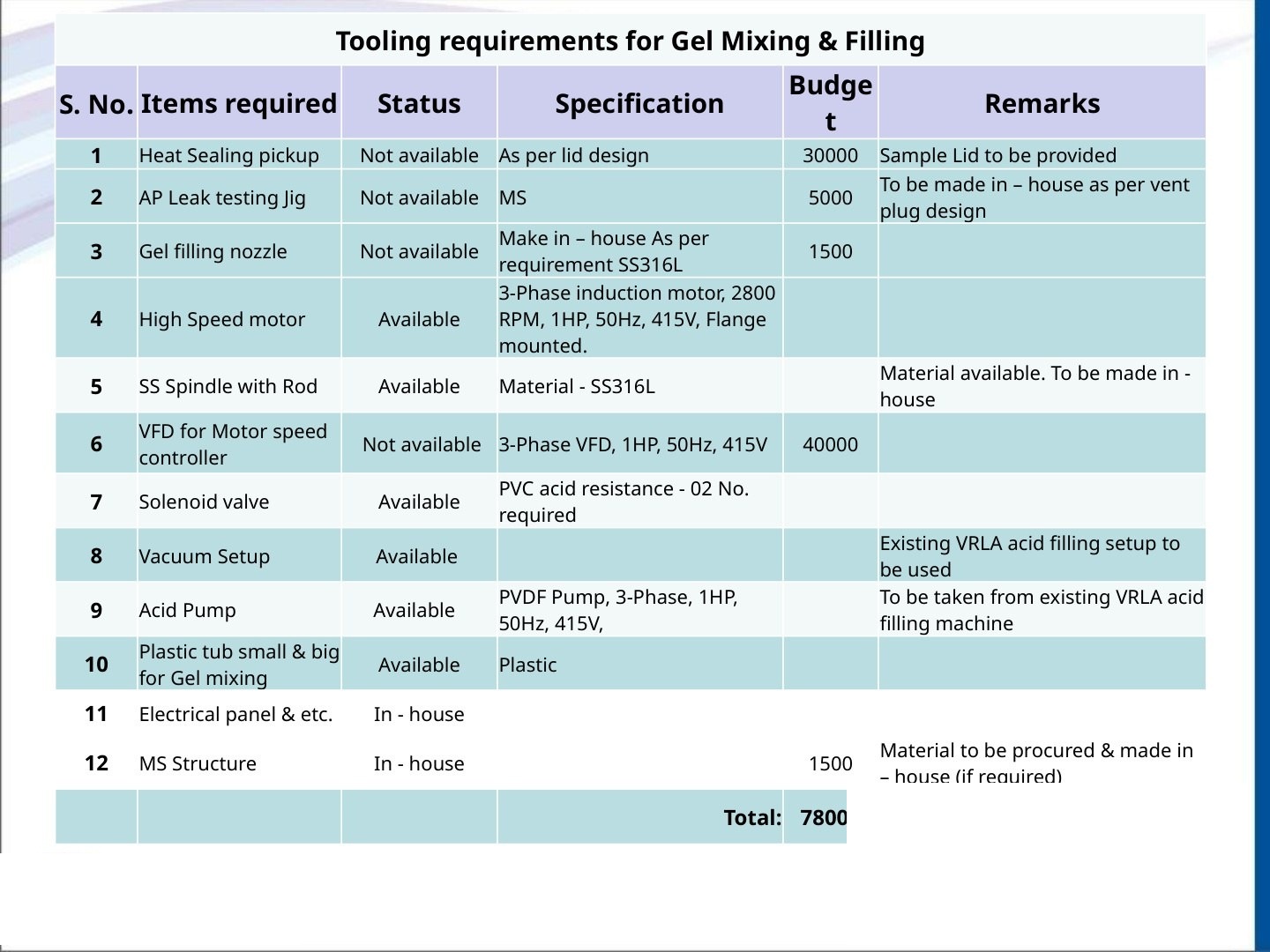
That process had to be invented and tooled against a tight budget. The tooling sheet is the honest map of the challenge:
- Not available: heat-sealing pickup (₹30,000), AP leak-testing jig (₹5,000, make in-house), gel filling nozzle (SS316L, make in-house), VFD for motor speed control (₹40,000)
- Reuse existing VRLA plant: vacuum setup and PVDF acid pump from the VRLA acid-filling machine
- In-house: SS spindle, electrical panel, MS structure, plastic tubs for mixing
- Total tooling budget on the sheet: about ₹78,000 — frugal by any global gel-line standard, brutal for process risk
4. Why Almost a Year of Testing Mattered
Gel defects do not always fail on day one. Stratification, voids after fill, lid leaks, vent sticking, and early capacity fade show up across cycles and seasons. A year of testing before launch was the only honest way to ship a gel product that would sit in Indian homes and shops without becoming a warranty fire.
- Sample batteries from new lid/vent designs had to survive leak and AP tests.
- Gel mix viscosity and vacuum fill had to be repeatable, not heroic one-offs.
- Alloys and group burning had to match production reality, including in-house stick alloy.
- Only then did launch in India make sense.
12V / 150Ah · IT 500 · new lid & vent
Gel mix + vacuum fill line (in-house + VRLA reuse)
~1 year testing → India launch
Challenges: tooling gaps, process control, safety venting
Conclusion
Gel battery development at Su-Kam under Kunwer Sachdev was Indian engineering with its sleeves rolled up: a defined 150Ah product, new plastic and vent hardware, a gel plant improvised from VRLA bones and in-house jigs, and nearly a year of testing before the market saw it. That is how gel arrived as a Su-Kam product — not as a slogan, but as a process that had to earn launch.
In this series
Su-Kam Founder Series
- Part 01
Falcon HF — India’s First 4-Star High-Frequency Inverter - Part 02
TFT Touchscreen Solar PCU - Part 03
Low-Voltage Charging Challenge & Protection - Part 04
Static Bypass, DT-6S & ATC - Part 05
SOLARCON — Conversion Kit Savings Revolution - Part 06
India’s First MPPT — Built by Su-Kam under Kunwer Sachdev - Part 07
India’s First BMS — Su-Kam Battery Equalizer - Part 08
India’s First Solar PCU — Built by Su-Kam under Kunwer Sachdev - Part 09 · You are here
How to Make Gel Batteries: A Perfect Recipe

Kunwer Sachdev
Founder & MD, Su-Kam Power Systems (1988–2019) and Kunwwer.ai — writing on manufacturing, insolvency, and civilizational memory. Read his story →
Found this story worth sharing? Post it to your network — it takes one click: