Engineering a Revolution: How Kunwer Sachdev Created India’s First 4-Star Rated High-Frequency Inverter
The Falcon Series story — how Su-Kam broke the iron-core mold, earned India’s first 4-star inverter rating, and proved high-frequency engineering on the shop floor under Kunwer Sachdev’s leadership.
In the evolution of India’s power backup sector, few breakthroughs match the disruptive impact of the Falcon High Frequency (Falcon HF) series. Developed when heavy, low-frequency transformers still defined the market, this product line created an entirely new category under the leadership of Kunwer Sachdev.
1. Breaking the iron-core mold
Traditional home inverters in India were bulky, energy-inefficient, and plagued by heavy no-load losses. Iron-core, low-frequency machines dominated shelves and service vans alike. While global markets experimented with high-frequency topologies, standard HF designs routinely failed under the harsh, erratic realities of Indian power grids.
Under Kunwer Sachdev’s guidance, Su-Kam’s R&D team engineered a high-frequency inverter tough enough for Indian conditions while shattering efficiency boundaries. That work produced the Falcon HF — a new product category that redefined what a home UPS could achieve.
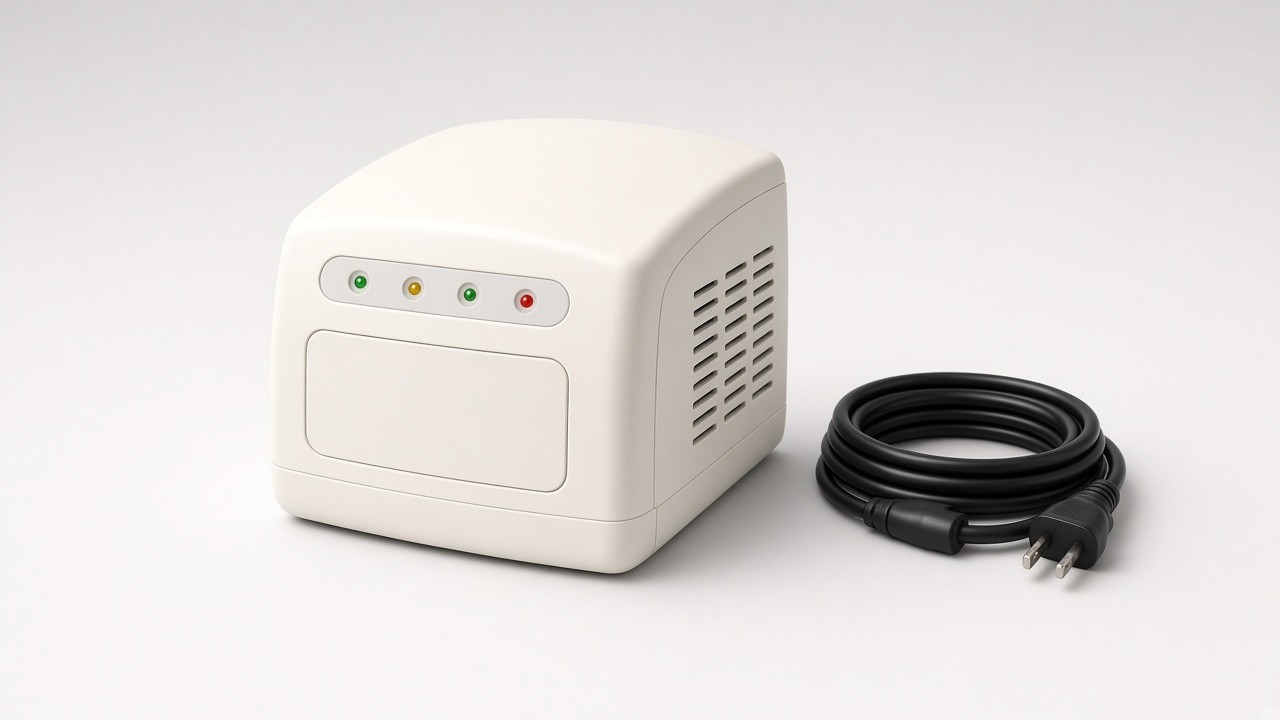
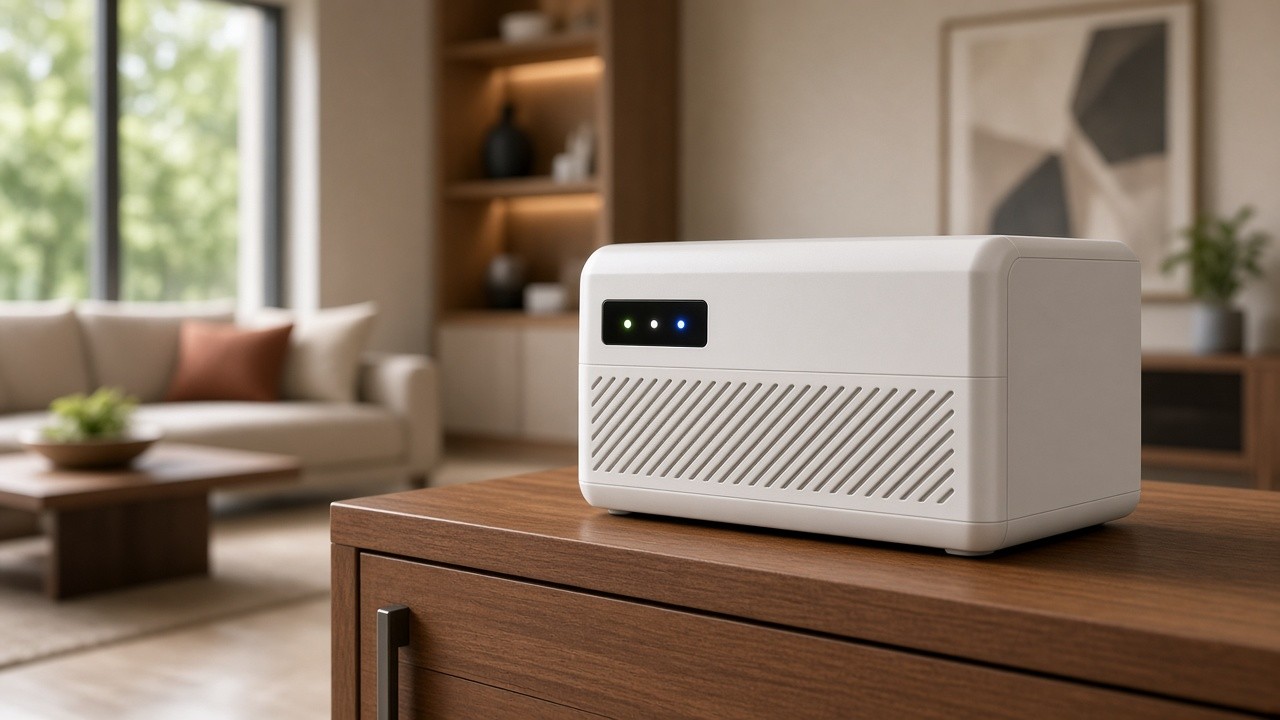
The plastic-body enclosure was not a cosmetic afterthought. It was a deliberate break from rust-prone grey metal boxes — a form meant for the living room, not the utility closet. Getting that silhouette right took long industrial-design cycles; the wait was the point.
2. The Falcon breakthrough
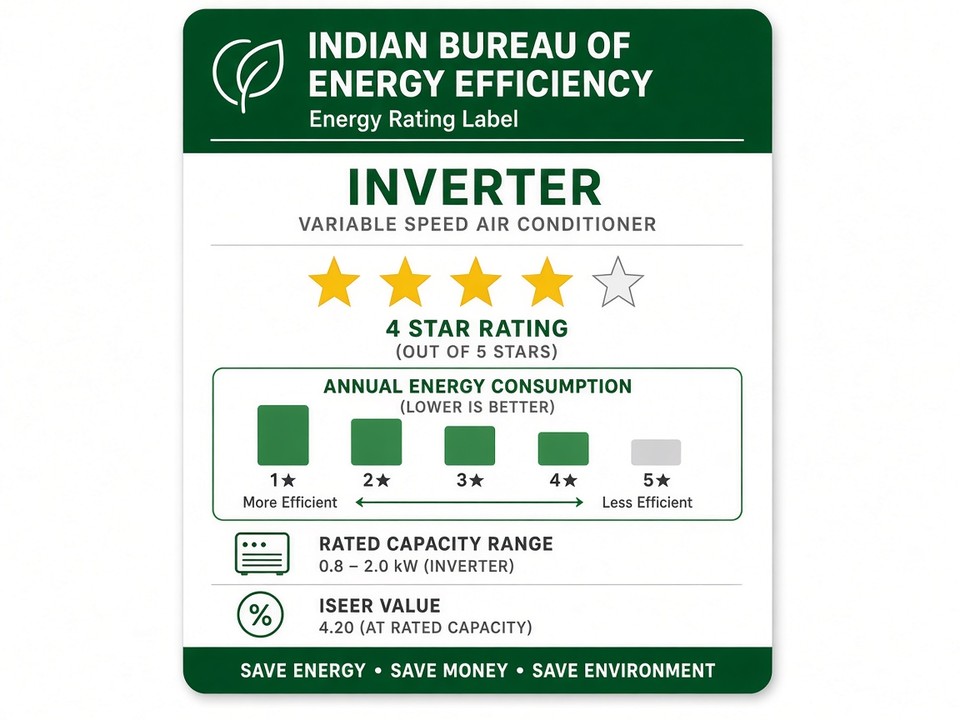
- India’s first 4-star rated inverter: Certified energy efficiency backed by the Bureau of Energy Efficiency (BEE).
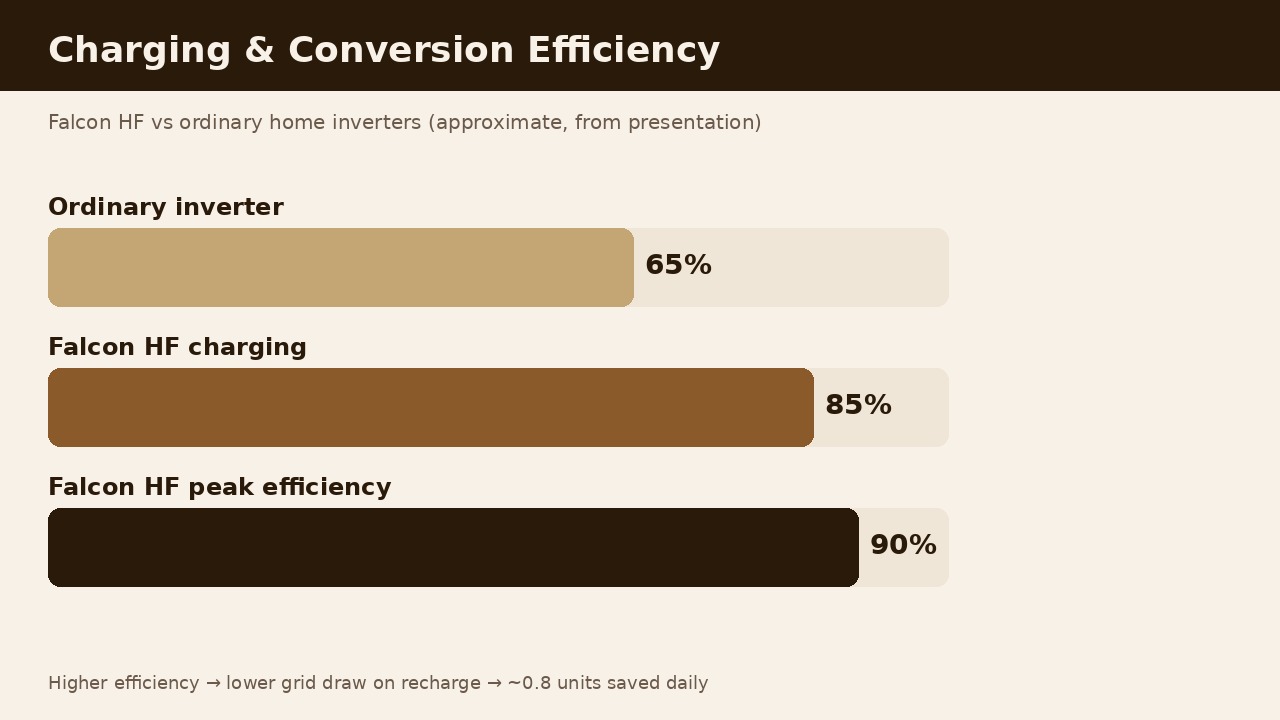
- Ultra-high efficiency: Up to ~90% inverter efficiency and ~85% charging efficiency.
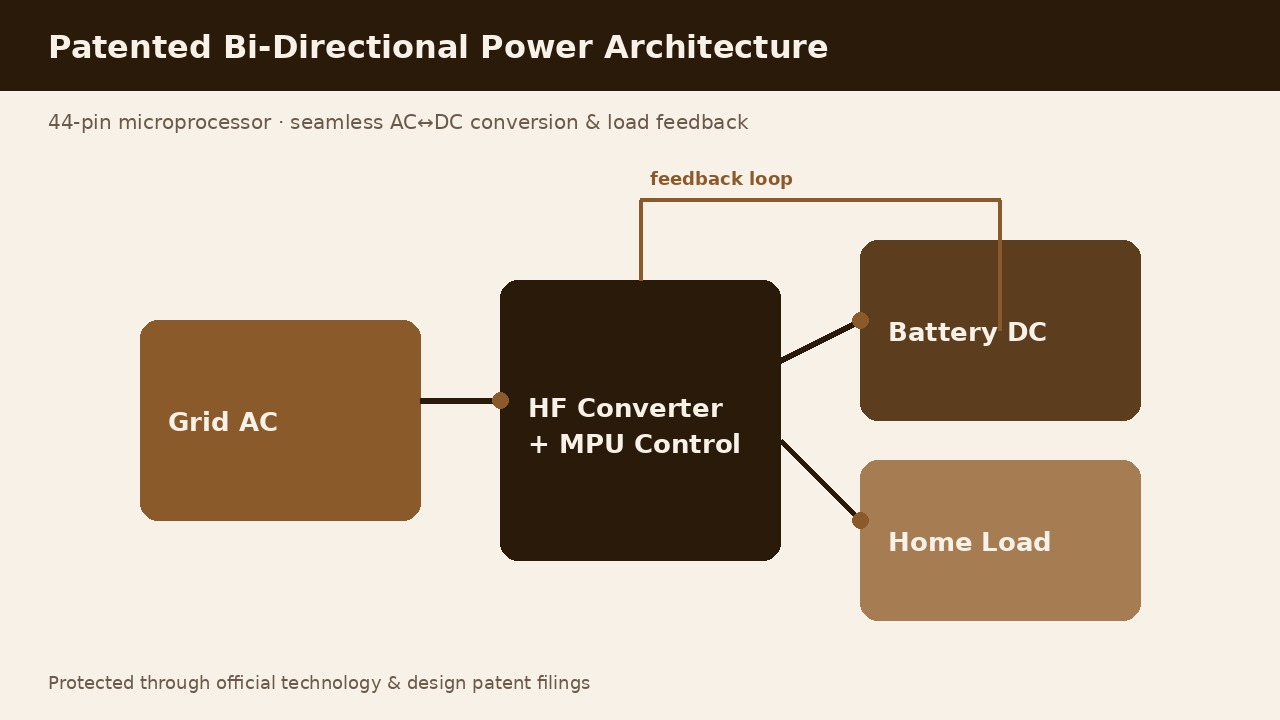
- Advanced microprocessing: High-speed 44-pin microprocessor driving single-board bi-directional architecture.
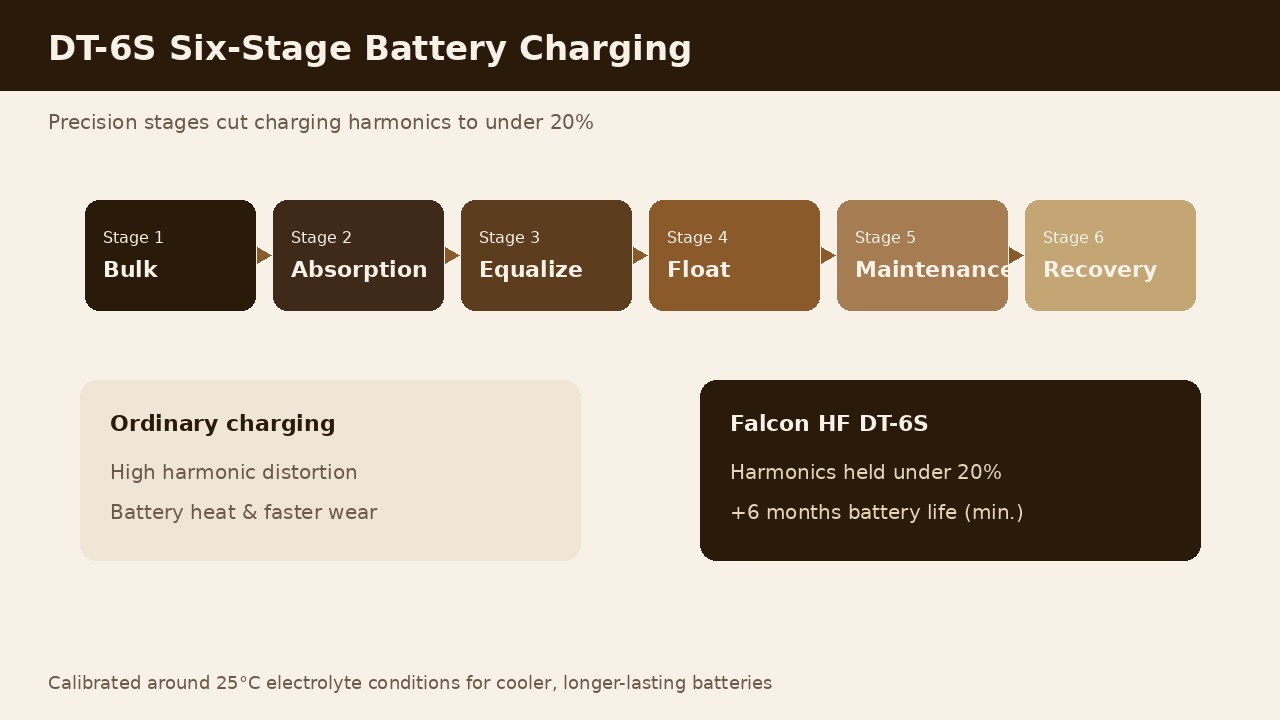
- DT-6S 6-stage battery charging: Cuts harmful charging harmonics to under 20%.
- Low no-load draw: About 0.6A (~7 W/h) versus roughly 1.8A (~21 W/h) on ordinary units.
Efficiency: up to ~90% peak · ~85% charging
No-load: ~0.6A vs ~1.8A ordinary
Charging: DT-6S six-stage · harmonics < 20%
Grid trials: charging sustained toward 85V–90V
Milestone: India’s first 4-star rated inverter
This is the working product video of the Falcon HF that reached the market — the finished form, not a prototype demo. Open on YouTube →
3. Inside the R&D lab: engineering trials
Category creation was not a slide-deck exercise. Su-Kam’s shop-floor and lab trials pressure-tested Falcon HF against the grid realities Indian homes actually face — deep sags, fault conditions, and serviceability constraints that defeated imported high-frequency ideas.
A. Low-voltage battery charging performance (down to 85V–90V)
Indian mains rarely sit politely at nominal voltage. Falcon HF was engineered and trialled to sustain meaningful battery charging performance as input voltage sagged toward the 85V–90V band — keeping recharge alive when legacy designs simply stalled.
.mp4/.MOV and drop the Media URL into the HTML5 <video controls> slot above this note.B. Static Bypass — keep loads alive through faults
When the inverter path encounters a fault condition, Falcon HF’s Static Bypass routes mains safely to the load without a hard drop — a shop-floor demonstration of continuity that mattered as much to dealers as to homeowners.
<video controls> block.C. Resettable fuses & double protection
Service pain was part of the brief. Falcon HF’s resettable fuses and double-protection architecture were designed to eliminate the ritual of hunting glass fuses after a trip — protecting both the product and the technician’s time.
4. The science of savings
A. Lower electricity bills
With ~85% charging efficiency and no-load current cut from about 1.8A to 0.6A, Falcon HF draws far less from the grid — on the order of 0.8 units saved daily in typical household use.
B. Extended battery life (minimum 6 months extra)
Ordinary sine-wave charging can dump high harmonic distortion (approaching ~90%), heating batteries and stratifying acid. Falcon HF’s DT-6S profile holds charging harmonics under 20%, with Automatic Temperature Compensation calibrated around 25°C specific gravity — extending battery life by at least six months.
C. Equal backup with smaller batteries
Higher conversion efficiency meant households could match traditional backup hours with lower Ah packs — cutting upfront battery cost without surrendering runtime.
5. Protecting innovation
True to Kunwer Sachdev’s legacy of institutionalizing in-house R&D — including India’s first government-recognized R&D unit in the power-backup sector — Falcon HF’s bi-directional topology, high-frequency control, and plastic-body design were protected through official technology and design patent filings under his R&D leadership.
- Patented bi-directional power architecture: Seamless AC–DC conversion and feedback loops.
- Ergonomic plastic-body design: Lightweight, living-room-ready form replacing rust-prone metal boxes.
Conclusion
The Falcon HF was more than a lighter inverter. It was user-centric engineering at scale: a 4-star BEE standard, intelligent six-stage charging, shop-floor-proven protection features, and the patience to get the final shape right. Under Kunwer Sachdev’s leadership, Su-Kam did not just ship a SKU — it created a category.
In this series
Su-Kam Founder Series
Part 01 · Falcon HF
- Part 01 · You are here
Engineering a Revolution: India’s First 4-Star High-Frequency Inverter
More founder-series essays on Su-Kam category creation will link here as they publish.
Kunwer Sachdev
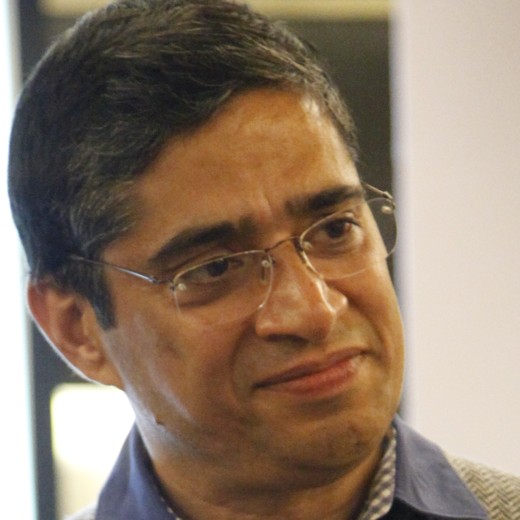
Founder & MD, Su-Kam Power Systems (1988–2019) and Kunwwer.ai — writing on manufacturing, insolvency, and civilizational memory. Read his story →
Found this story worth sharing? Post it to your network — it takes one click: