Grassroots & spectacle marketing
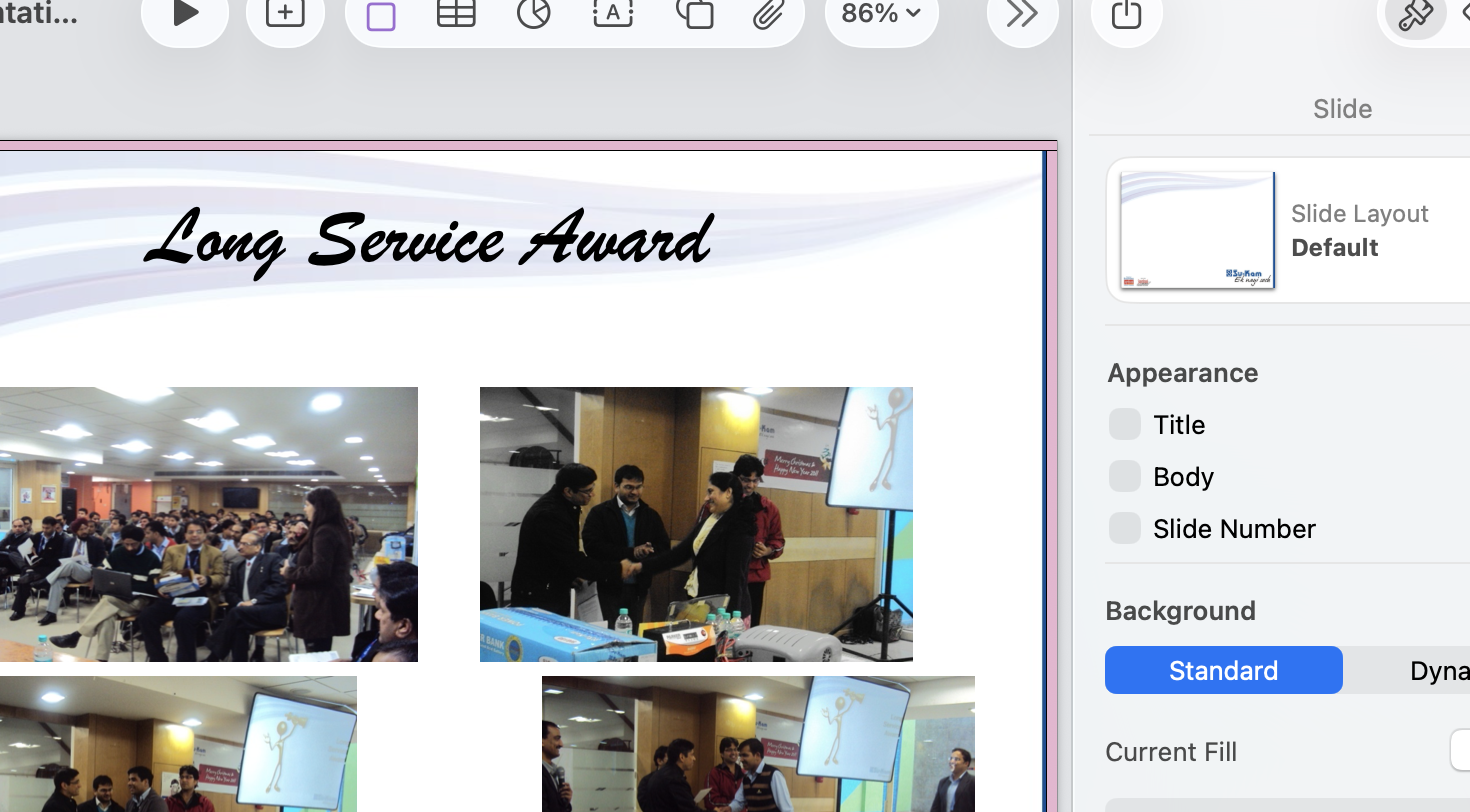
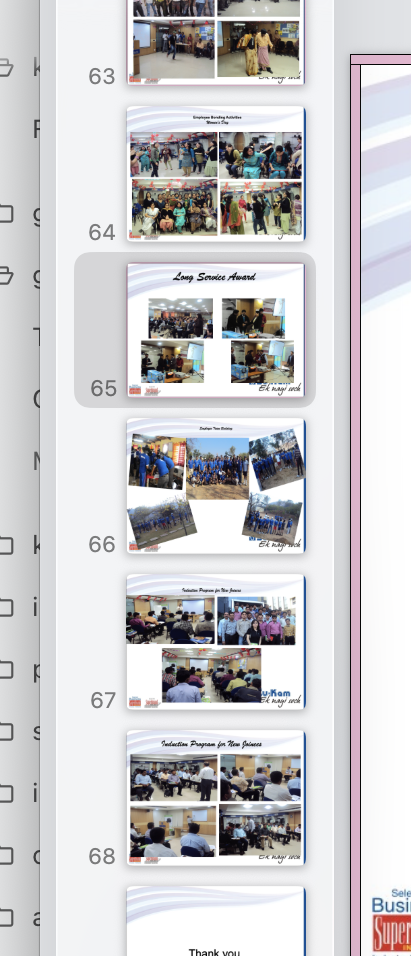
Building Su-Kam’s marketing team — a continuous fight to educate dealers on new products
Salespeople sold what they already knew. The factory kept inventing. My job was to build a team that could close that gap — again and again — even when competitors poached the people we had just trained.
India was large. The international market was growing. New inverters, UPS models, solar ranges, Power Doc — the product line never stood still. The channel only moved if someone taught it.
This was my continuous journey: to create a marketing team that could make the dealer understand our product range. Not once. Continuously. Because the company’s real challenge was not only manufacturing new products — it was that salespeople were not educating dealers about those new products. Too often they sold only what already moved: the familiar SKU, the easy reorder, the model they could pitch in their sleep.
Meanwhile the company kept developing. New inverter and UPS models. Solar ranges. Power Doc and other specialised products.
A mixed team: service + marketing, sent to train dealers
So we formed a team that mixed service and marketing people — people who could open a product, explain behaviour under load, and also speak the dealer’s language of margin, complaint, and replacement. Their job was not to close one invoice and disappear. Their job was to go into the market, train dealers, and keep updating the channel as India stayed vast and the international brand footprint kept growing.
That combination mattered. Pure sales talk without technical honesty collapses the first time an electrician asks a hard question. Pure service talk without commercial instinct becomes a lecture nobody stocks. The hybrid team was designed for the real dealer counter: noisy, sceptical, short on time, and loyal only to whoever reduces their risk.
It was tough for me. Building such a team is not a PowerPoint exercise. It means taking people from different functions, putting them on the road, listening to dealer anger, and insisting that “we already sell enough of the old model” is not a strategy.
Product managers and specialised teams from people we already had
We created product managers and built specialised teams under them — drawn from existing people in sales, service, and factory functions. I did not believe the answer was only hiring strangers with fancy titles. The knowledge of Su-Kam products lived inside people who had already bled with the line. The task was to reorganise them, specialise them, and keep training them until a product manager owned not only a catalogue page but a living channel education cycle.
Under those product managers, teams could go deeper: inverter vs UPS nuances, solar PCU conversations, Power Doc positioning, whatever the current launch demanded. Specialisation was how we stopped every salesperson from flattening every product into the same three sentences.
And still the training never ended. Because the product pipeline did not end. A marketing organisation in a hardware company that invents continuously is not a department you “set up.” It is a treadmill you agree to run.
The poaching problem — six months and the team is gone
The biggest challenge was poaching. Whenever I created a team, competitors lifted it within about six months. Employees gained from Su-Kam training — product depth, dealer confidence, field craft — and then walked out with that training as their market value. We were investing in human capital for the industry, and watching rivals harvest it.
That hurt in a specific way. You can replace a brochure overnight. You cannot replace a person who finally knows how to teach a dealer a new solar model or a new UPS logic, and who has earned the dealer’s phone number through months of visits. Poaching turned team-building into a recurring tax: build, train, lose, rebuild.
So from my side it became a continuous process. Not a one-time reorganisation with a ribbon cutting. A loop: identify gaps in dealer education, form or reform teams under product managers, pull talent from sales/service/factory, train them, send them to market, absorb the poaching hit, start again. Leadership here was persistence more than brilliance.
Why YouTube and Facebook became part of the same fight
Later we designed the YouTube and Facebook challenge for the same reason. If human trainers could be poached in six months, the education itself could not live only inside their heads. Video and social archives could keep teaching dealers and field people even when a trained employee left. A demo on YouTube does not resign. A Facebook explanation does not join a competitor with a higher CTC.
Digital did not replace the mixed service-marketing team. It defended the company against the fragility of that team. The same instinct sits beside our solar education work and the Su-Kam channel classroom: make the teaching survive the teacher.
Look at the arc of the Sales & Marketing series around this essay — Power On Wheels took proof to the field; the YouTube chapter opened the classroom nationally; our solar education story shows how product complexity made dealer teaching non-negotiable. Part 10 is the organisational middle: without a marketing team that educates, new products die in the warehouse.
I did not build Su-Kam’s marketing team once. I kept rebuilding it — because India was big, the international market was growing, the factory kept launching, salespeople defaulted to the old range, dealers needed continuous updating, and competitors kept hiring the people we had just finished training. The YouTube and Facebook layer was how we tried to make that education harder to steal.
— Kunwer Sachdev
The sales-and-channel machine in this essay is the front half of the story told in The Manufacturing Mirage.
Founder of Su-Kam and Kunwwer.ai, and mentor at Su-vastika — the “Inverter Man of India” and the “Solar Man of India.” Read his story →
Disclaimer: Kunwer Sachdev exited Su-Kam in 2019 and is not responsible for any activity of the company since. Full disclaimer →