Kissey Kamyabi Ke — My Hindi Conversation With Annu Kapoor About Su-Kam, Pen-Selling, And ₹10,000
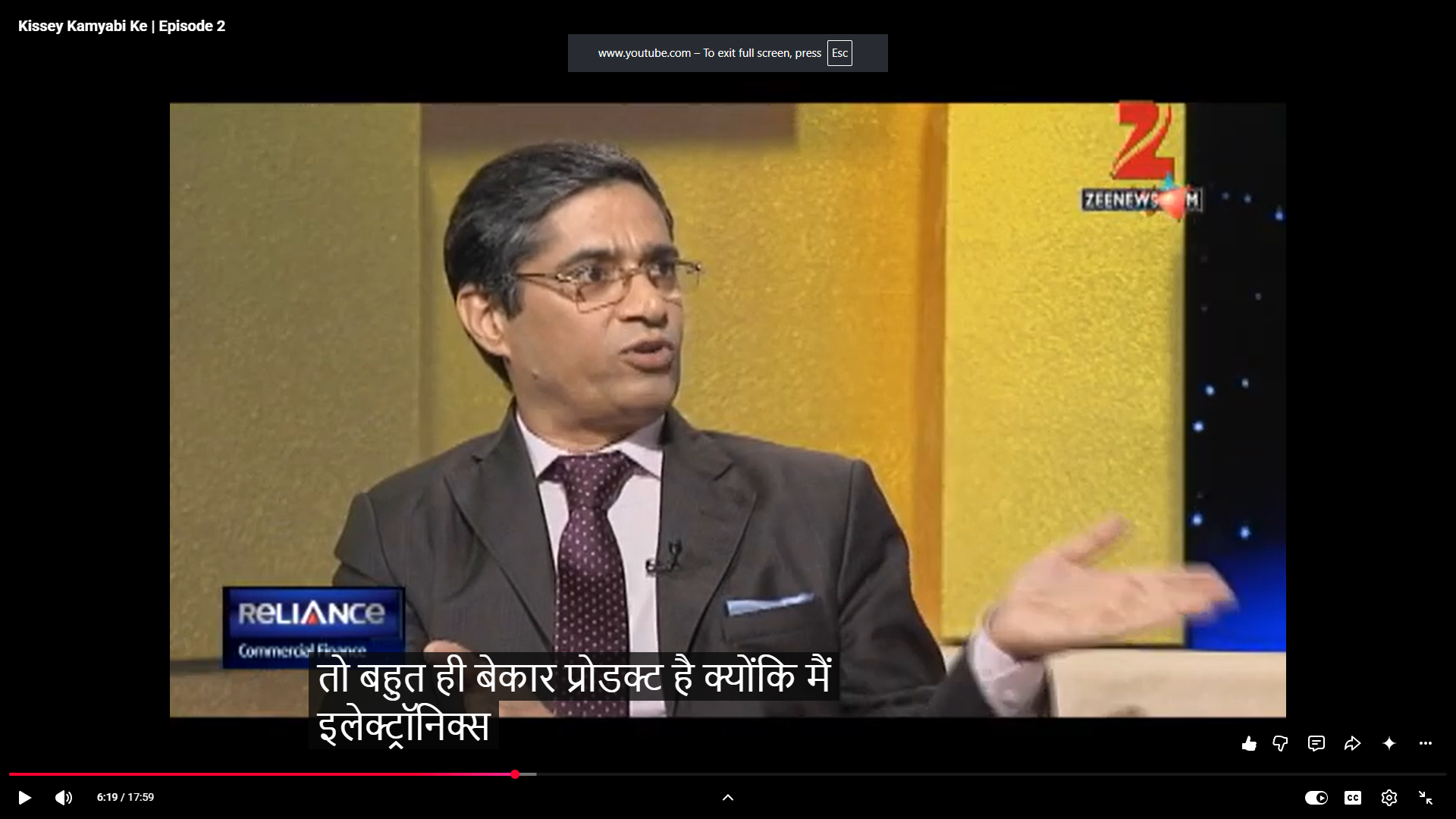
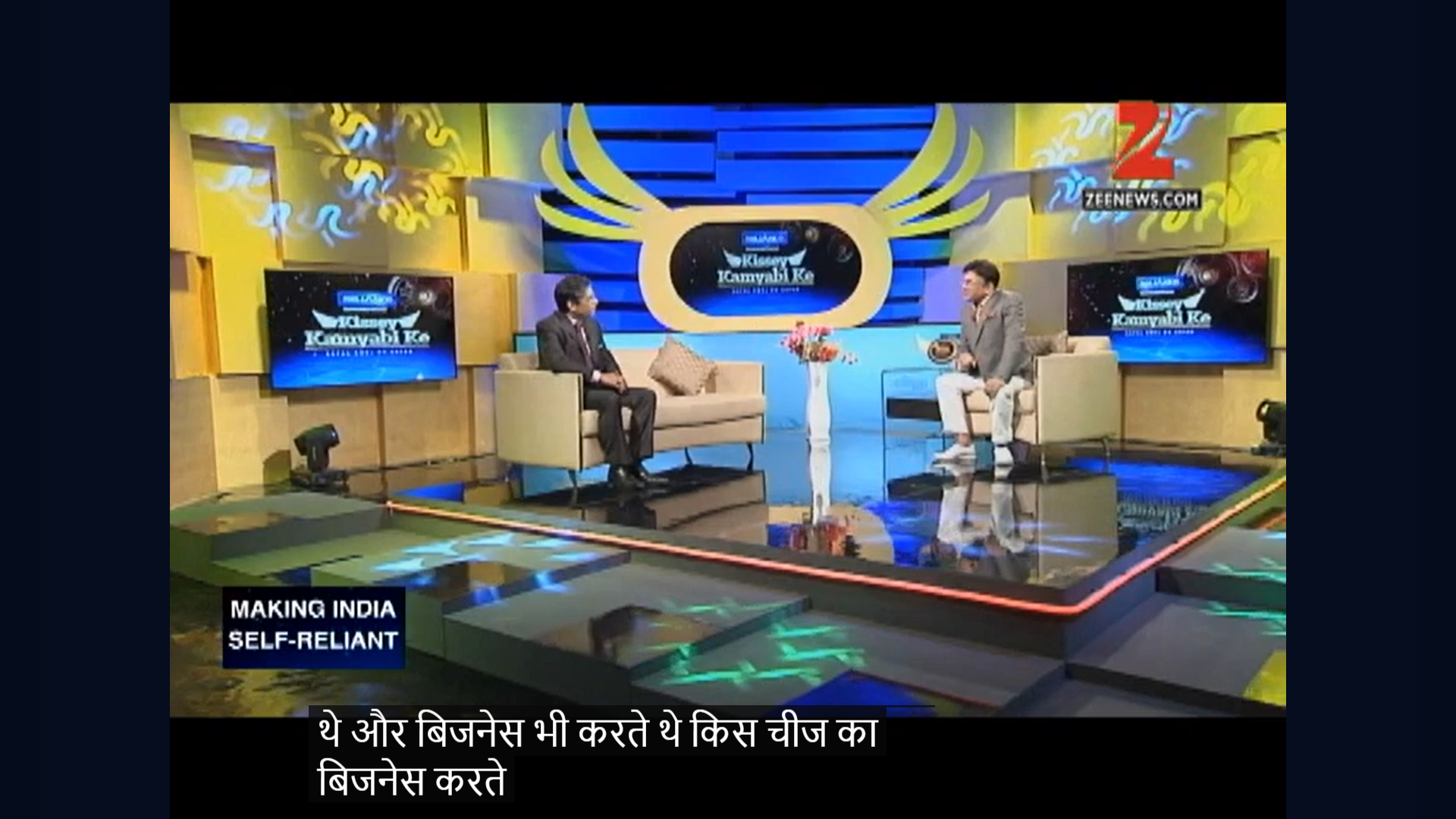
Some of my favourite conversations about the Su-Kam journey have not been in English boardrooms or business channels — they have been in Hindi, on shows that speak the language of the small-town founder. One of the most memorable was the Kissey Kamyabi Ke Kunwer Sachdev conversation (किस्से कामयाबी के) on Zee News, where the host was none other than the legendary Bollywood actor and radio icon Annu Kapoor.
Why This Show Meant Something
Annu Kapoor is not a typical business-show host. He has spent a lifetime listening to real people — on Antakshari, on his radio shows — and he brings the same warmth to Kissey Kamyabi Ke. When he asks a question, he is genuinely curious. That opens up a founder in a way an anchor with a prepared checklist never can. On that shoot, I ended up telling him things about my childhood I do not usually put on stage.
The Story I Told Annu Kapoor
A Delhi middle-class house. My father was in the Railways. But a Railway salary alone was never going to cover a growing family, so he ran side businesses on top of his job — tailoring, poultry, small shoe trading. I watched him try, take partners, and get burnt by those partnerships. That gave me my first and biggest business lesson: never take a partner. Build it alone if you must. I have kept that rule my whole life.
Pens on a cycle in Class 10. To help at home, my elder brother and I would go on our cycle, pick up pens from another manufacturer, and sell them in the Delhi market. I was still in school. That is where the brand bug bit me. Somewhere between school and college, I decided I wanted my own brand name. The word “Su-Kam” was already fixed in my head by the time I finished college — years before I actually built the company.
Cable TV first, then the broken inverter at home. After college I spent two years working inside an electronics company just to learn cable TV properly. Then I set up my own small factory and started making dish antennas, satellite receivers, amplifiers. Good money. Then one day the inverter in my own house kept failing, and the mechanic said the classic line: “Aapko samajh nahin aayega, sir.” That is exactly the wrong thing to say to somebody with an electronics background. I opened the inverter myself. The build quality inside was shocking — a category with no proper engineering.
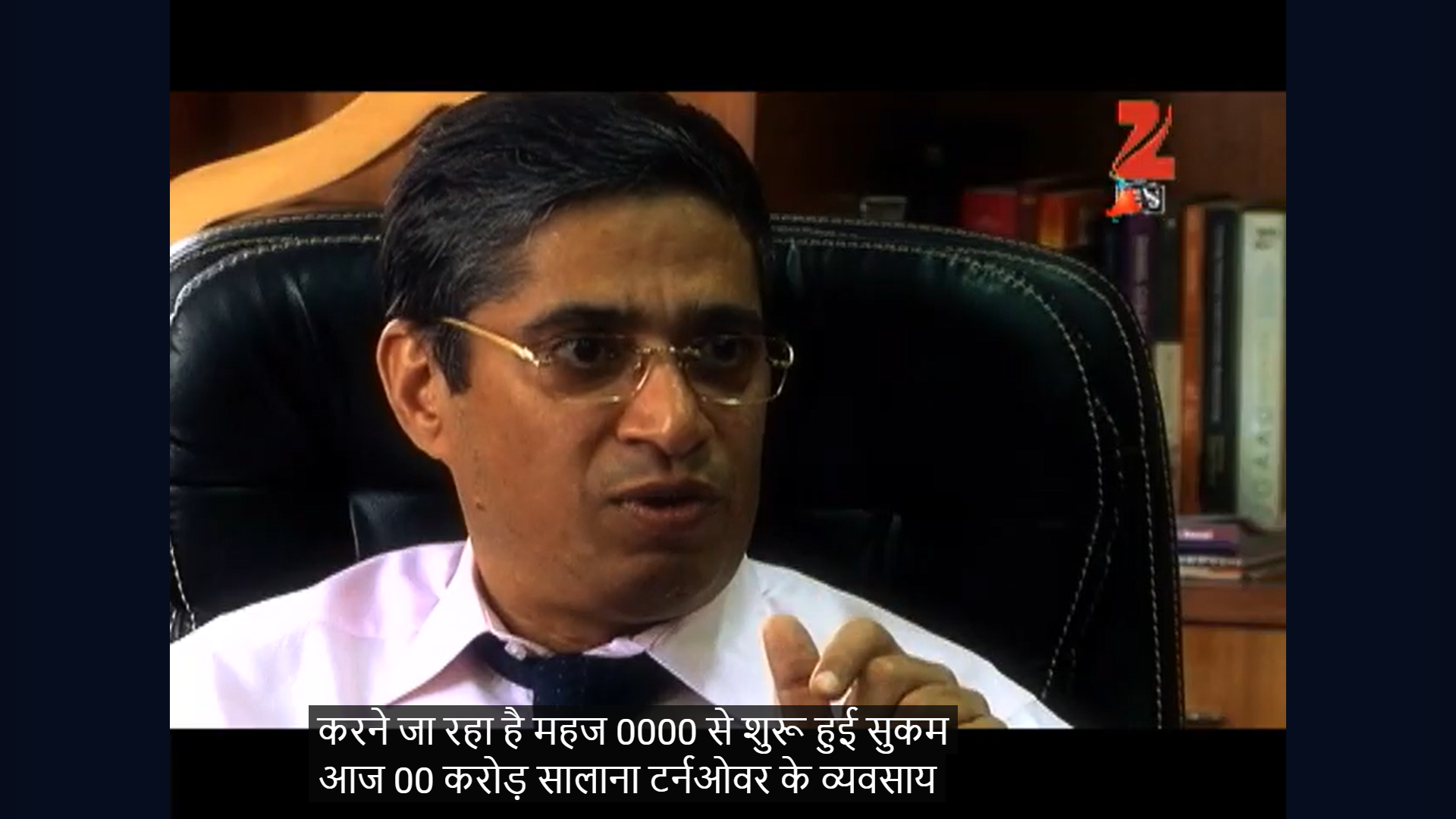
“Su-Kam was founded on ₹10,000 of capital in 1997–98. My friend in Canada shipped me an inverter using MOSFET technology — nobody in India was doing that. I opened it, learnt it, and built our first models on that base. Our early failure rate was 50%. By the year 2000 I had shut down the running cable-TV business entirely and put everything on inverters.”
The Numbers Annu Kapoor Made Me Say Out Loud
Annu ji has a way of pulling numbers out of you gently. On his show I said — for the record — what Su-Kam actually became:
- → India's first, world's second company with the technology to build a 100 kW inverter.
- → Products in 90+ countries at peak.
- → Annual turnover crossed ₹1,200 crore — and touched ₹2,300 crore at its peak.
- → All of it started from ₹10,000 and a broken inverter in my own house.
- → The media eventually gave me the label “Inverter Man of India.”
What I Told Annu Kapoor About Risk
He asked me the question every host asks — how do you handle risk? My honest answer, in Hindi, was that I do not really see risk the way most people do. Experimentation is in my nature. Where a normal person sees a wall and stops, I see something to open up and understand. I did not have a formal engineering degree. My first employee was the son of a plumber. I learnt with him, taught him, and we built the products together. If you wait for the perfect team and the perfect degree, you will not start. If you just start, the team finds you.
My childhood friend Rajeev Arya also spoke on the same episode. He put it in a way that I would never say about myself — that I was always the one who thought at higher quality than the situation demanded, and who kept insisting on building his own name even when the situation was against it. That is a friend's view. But it is close to the truth.
The Expert Advice On The Same Episode
The show also featured Chinmay Dhoble, then Business Head at Reliance Commercial Finance, giving the ‘safe-zone’ version of the same lessons for founders who cannot afford to bet the way I did. His two pillars are worth writing down:
1. Funding & Vision. When you approach banks, NBFCs or investors, they are not really giving you money against your product — they are giving you money against the clarity of your vision. Sharpen that first.
2. Milestones & Review. Set 1-year, 2-year, 3-year milestones for your business. Then review honestly, on a fixed cadence — where is funding needed, where should you expand, and if a line of business is not working, how you exit it cleanly. Founders who never review, and founders who never exit, both destroy value.
Why I Keep Doing Hindi Shows Like This
India's next set of founders are not sitting only in the English-speaking metros. They are in Kanpur, Coimbatore, Nashik, Guwahati, Ludhiana. They watch Hindi shows. They believe stories told in their own language much faster than the same story told in English. If a boy in a small town watches Kissey Kamyabi Ke and thinks — “Yaar, agar ₹10,000 se yeh kaam ho sakta hai, toh main bhi shuru kar sakta hoon,” — the whole point of the episode is done.
Thank you, Annu Kapoor ji, for making that space possible. Watching a legend of Hindi cinema and radio ask you questions about your own life — and take your answers seriously — is a memory I will keep.
Sources & Links
- → YouTube — Kissey Kamyabi Ke, Episode 2 (Zee News), featuring Kunwer Sachdev, host: Annu Kapoor
- → Annu Kapoor — Wikipedia
- → All in-body images are stills from the Kissey Kamyabi Ke episode broadcast on Zee News. Credit: Zee News / Reliance Commercial Finance.
- → kunwersachdev.com — more founder stories, interviews & talks
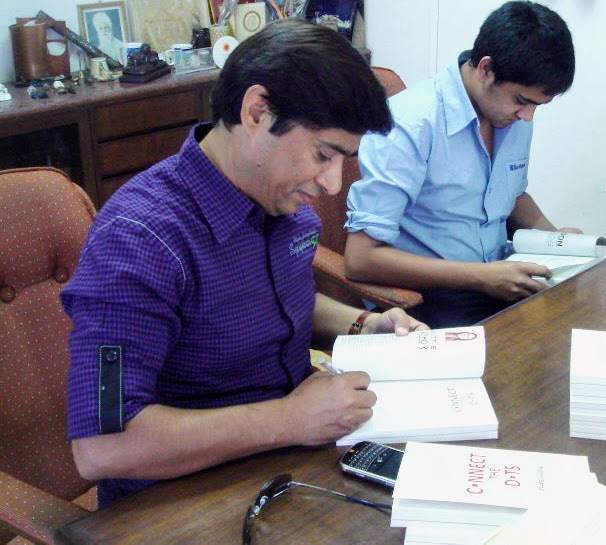
Kunwer Sachdev
Founder, Su-Kam Power Systems · The Inverter Man of India · The Solar Man of India
Startup mentor, angel investor and serial entrepreneur. Built Su-Kam from a Delhi component-supply business into a ₹1,200+ crore power-electronics brand across 70+ countries. Now mentors India's next generation of founders. Based in Gurgaon, Haryana.
Kissey Kamyabi Ke | Watch on YouTube
Kunwer Sachdev
Founder, Su-Kam Power Systems (1988–2019) and Kunwwer.ai, mentor at Su-vastika — the “Inverter Man of India” and the “Solar Man of India.” Read his story →