When No One Wanted Solar —The Story of an Early SECI Grid-Tied Rooftop Project
Series · Project 01 · Grid-Tied Solar
SECI rooftop — By Kunwer Sachdev · Founder, Su-Kam Power Systems · April 2026
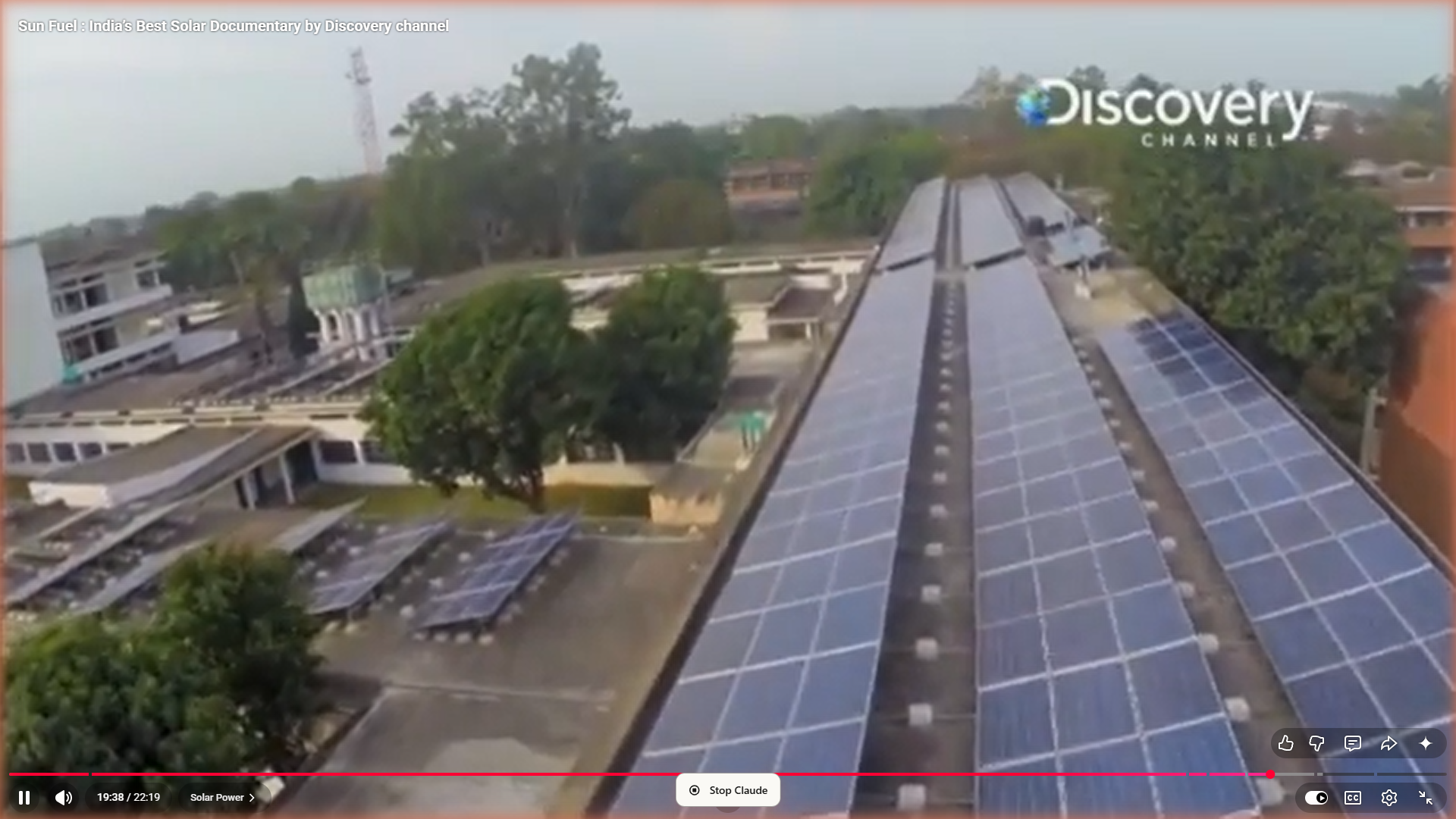
In January 2014, Su-Kam won a tender floated by the Solar Energy Corporation of India (SECI) to design, install, commission, and maintain a grid-tied rooftop solar power plant at Punjab Engineering College, Chandigarh. The contract ran for ten years. On paper, it was a landmark project. In reality, it was one of the hardest things we ever did — not because of the engineering, but because almost no one in India wanted solar at that time.
The context: a market that didn’t exist yet
SECI was set up by the Government of India in September 2011 to implement the Jawaharlal Nehru National Solar Mission. By 2013–14, it was pushing hard to get grid-connected rooftop solar off the ground — projects where the solar plant feeds power directly into the utility grid, without batteries in between. Today, grid-tied rooftop solar is the backbone of India’s renewable energy buildout. Back then, it was an experiment.
Solar modules cost several times what they cost today. The subsidies on offer were thin. Net metering policies were barely in place in most states. Banks were reluctant to finance solar projects because there was no historical performance data to underwrite against. And for the host institution — the college, the hospital, the government office — signing a long-term agreement with a solar developer felt like stepping into the unknown.
The project also aligned with CREST’s (Chandigarh Renewable Energy Science and Technology Promotion Society) master plan to make Chandigarh a solar city.
Winning the tender was the easy part
Su-Kam won the PEC Chandigarh tender in January 2014 against serious competition, as Energetica India reported at the time.
What the press coverage didn’t capture was what came next. Even with a SECI mandate and an identified host institution, getting solar projects like this off the ground in 2014 was uphill work. Solar was expensive. Subsidy support was minimal. Decision-makers worried about rooftop damage, long-term maintenance, and whether solar power would actually deliver what was promised. Most companies would have waited for the market to mature before taking on projects this difficult.
We didn’t. We stayed, we executed, and we delivered.
What got built
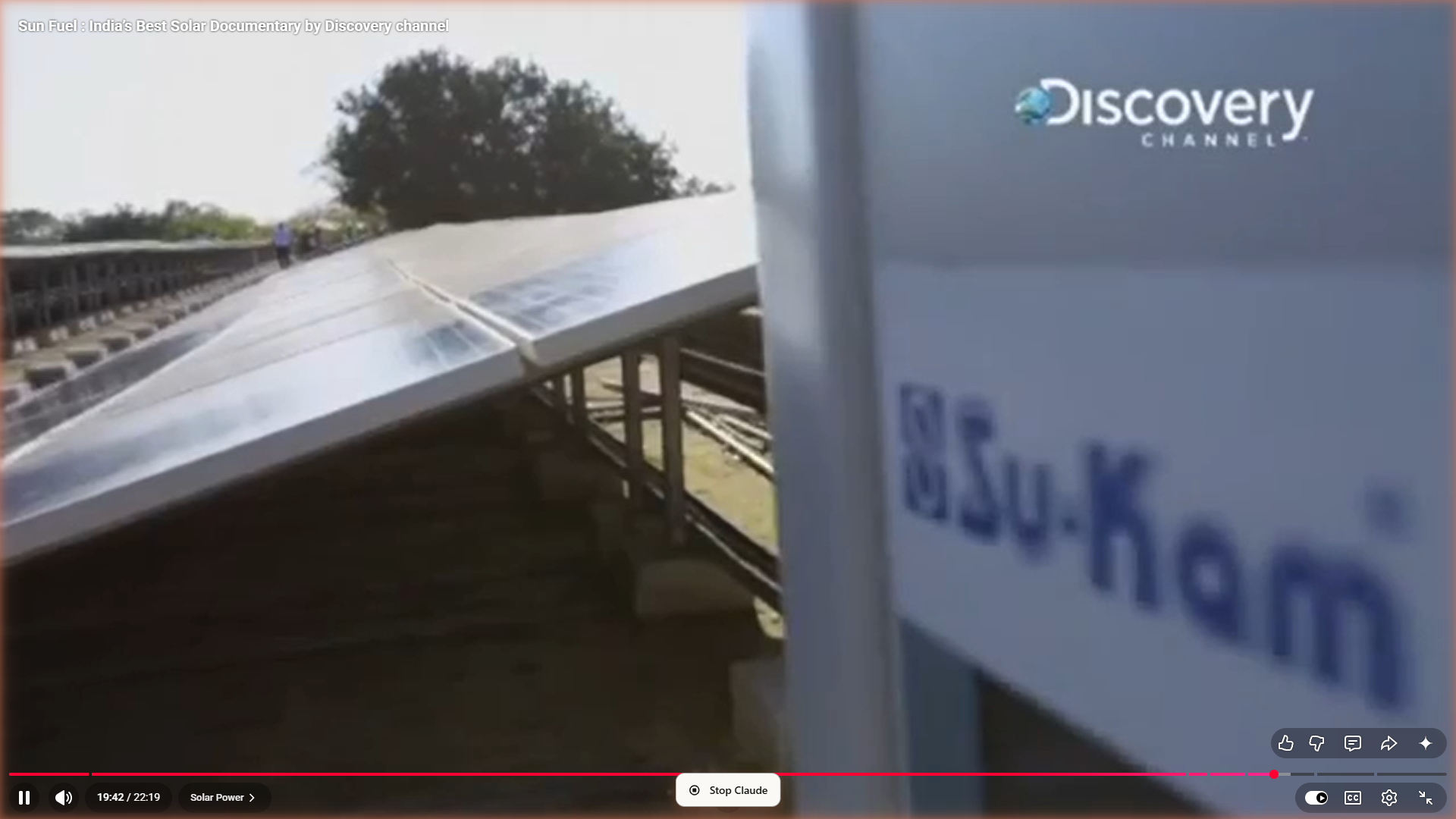
By October 2015, the project was commissioned. The installation ran approximately 50% of the college’s total electrical load on solar and saved the institution roughly ₹1 crore annually in electricity costs. At the time of commissioning, Indian trade press reported it as the largest solar plant installed at any educational institute in India.
1.3 MW Capacity having 1 crore Annual Savings
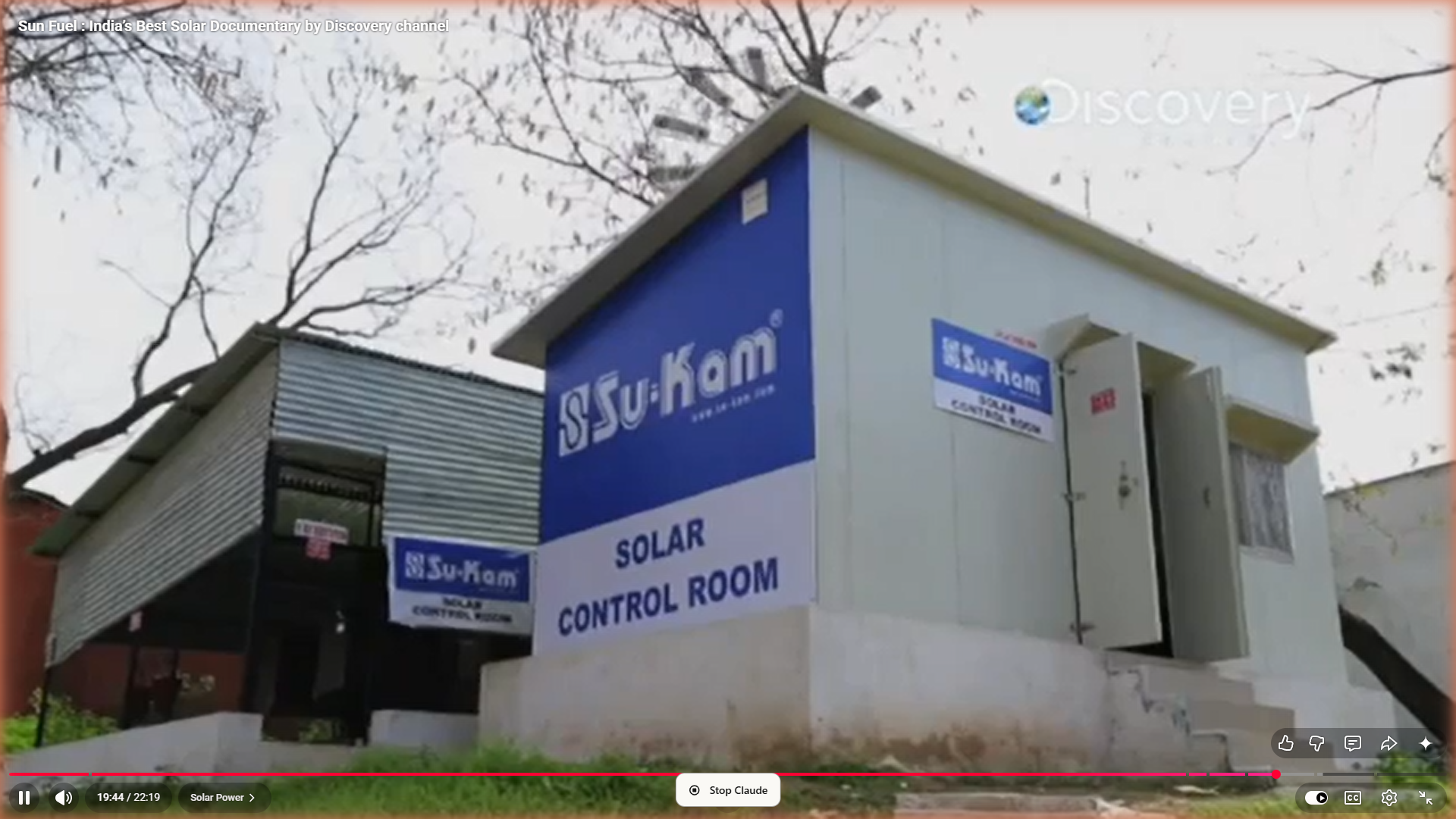
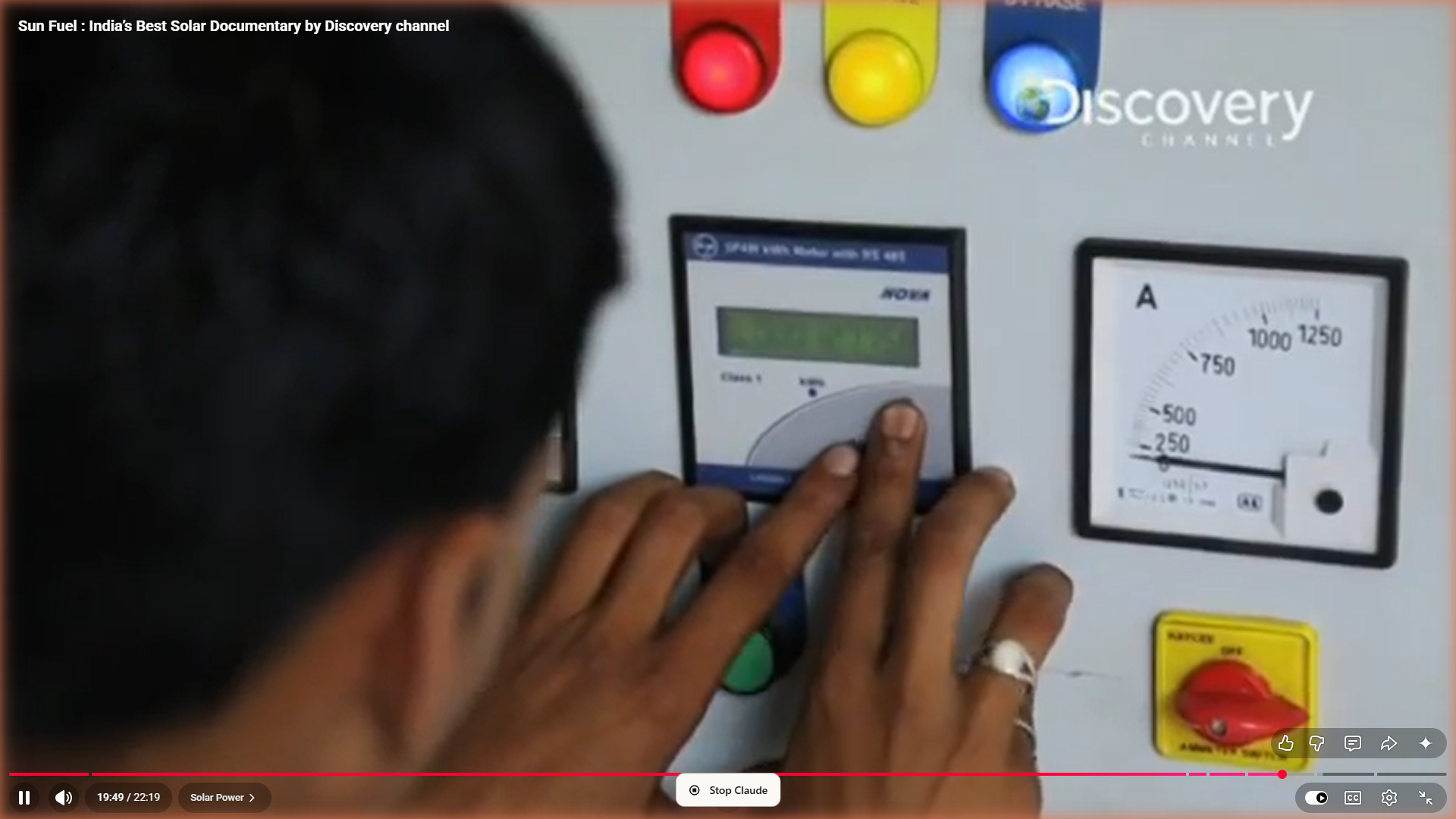
The client on the record
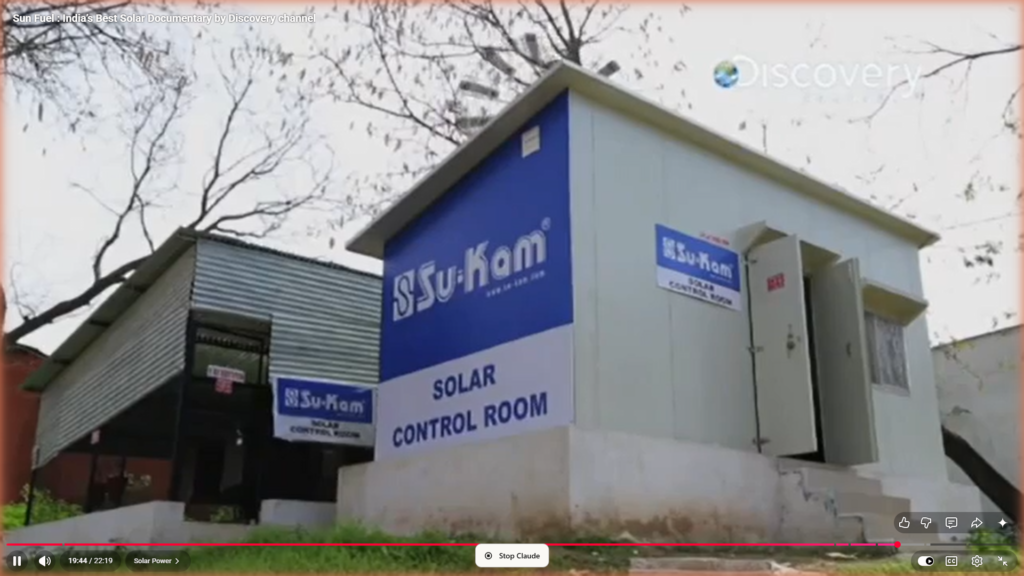
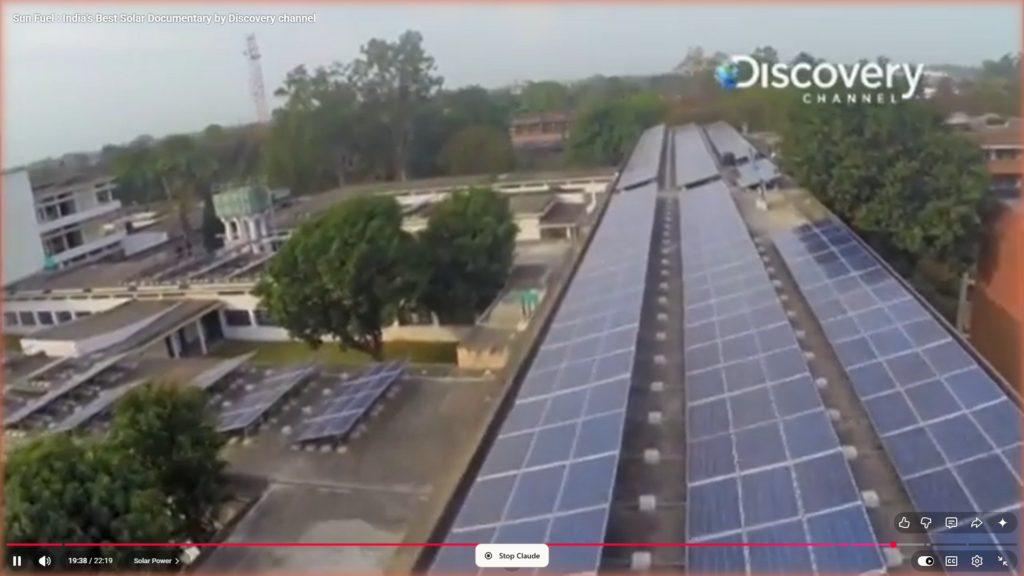
When Discovery Channel filmed Sun Fuel India, the team didn’t just interview Su-Kam. They interviewed PEC’s own leadership and faculty — people with nothing to gain from speaking on our behalf. That matters. This is the client institution endorsing the project on independent, international television.
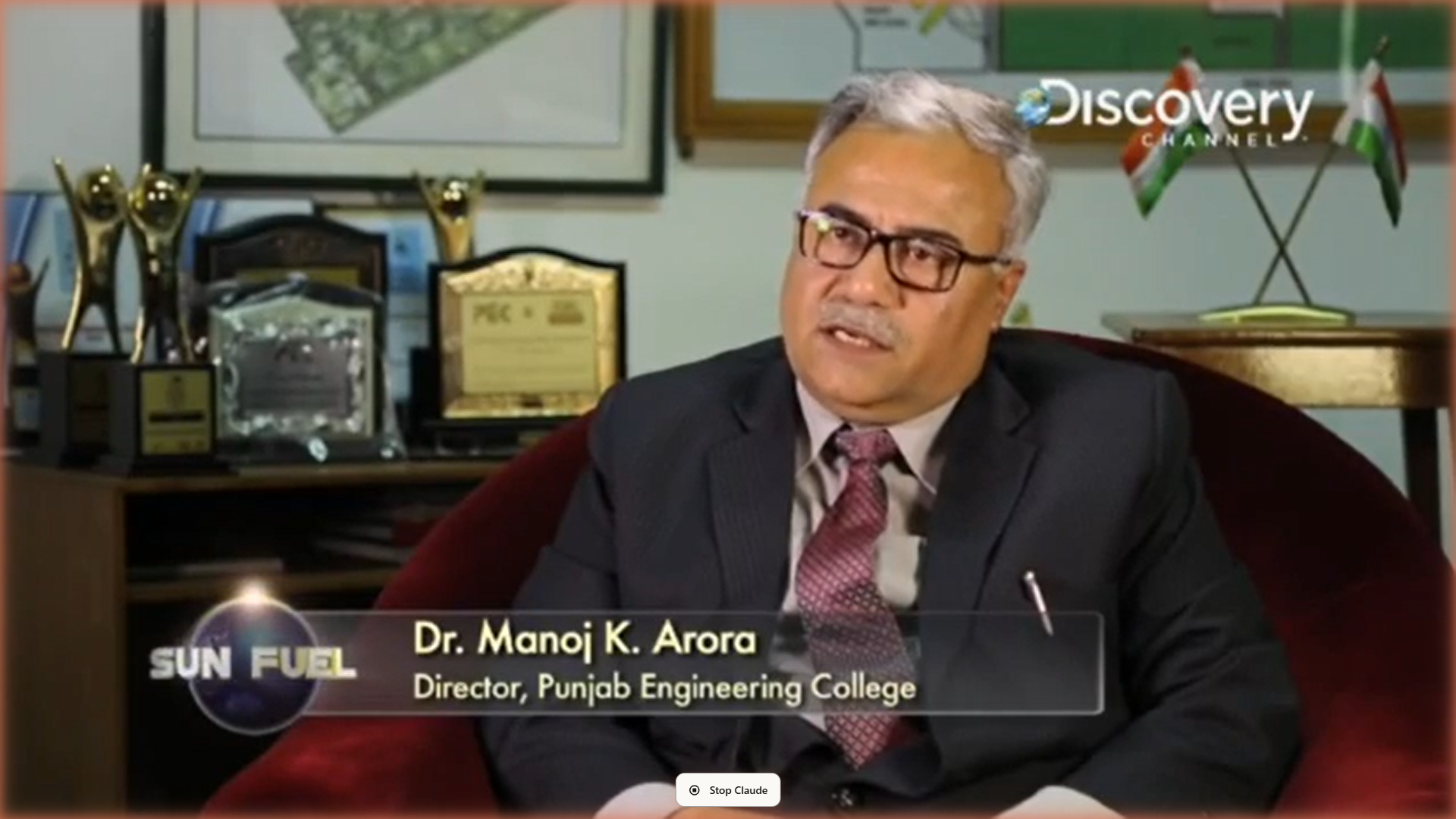
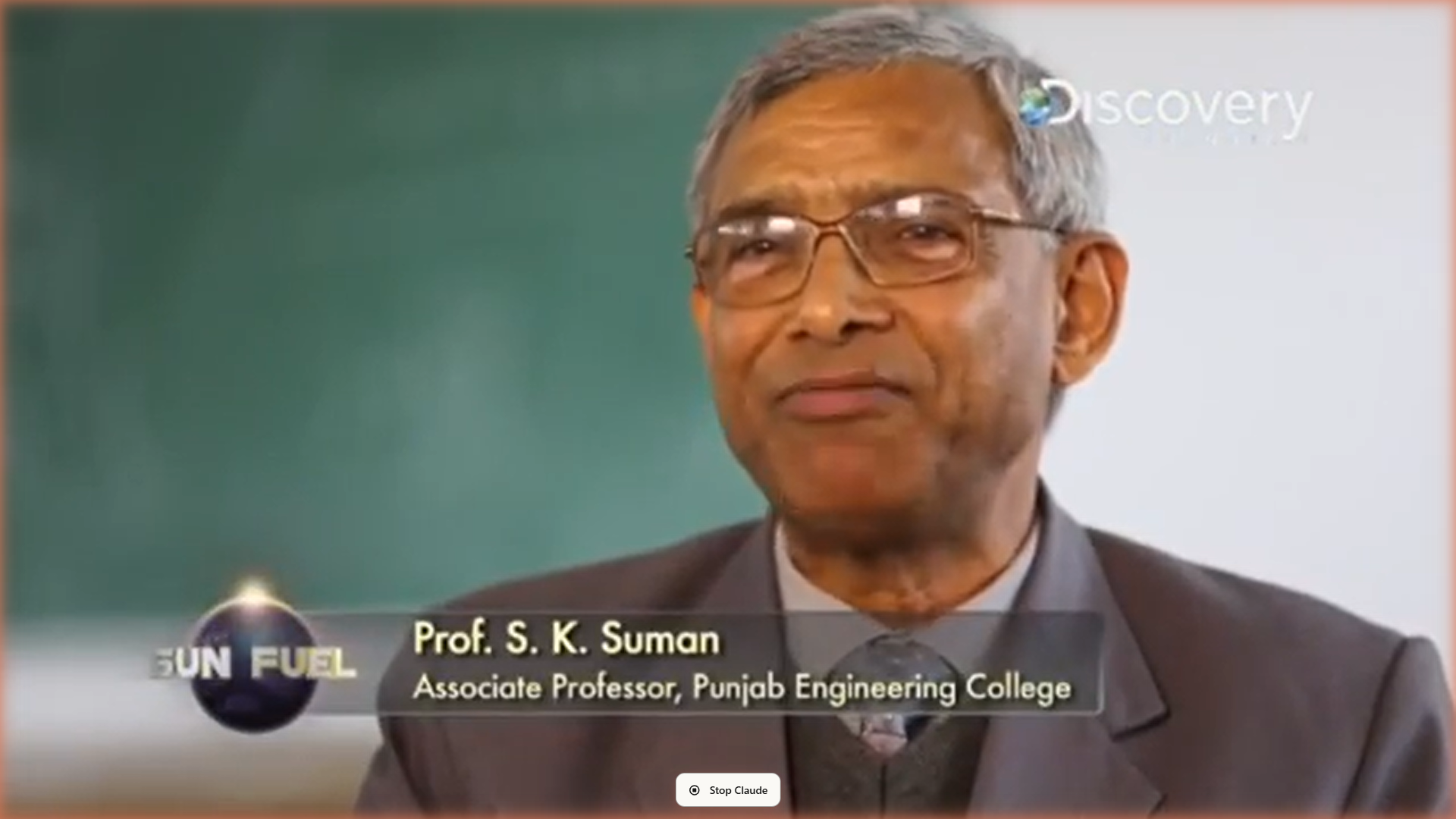
Why it mattered
Grid-tied solar — solar that feeds the grid rather than a local battery — is now the dominant model for rooftop and utility-scale solar in India. Projects like PEC Chandigarh helped prove that the commercial logic worked: that an institution could host a rooftop solar plant under a long-term PPA, pay less than it would have paid the grid, and reduce its carbon footprint at the same time.
By 2018, Su-Kam’s large-scale solar portfolio had grown to include 1 MW at Chennai Metro Rail, 1.3 MW across Indian Army and Assam Rifles installations, and 100 kW at Huda City Centre Metro Station in Gurugram — all built on the foundation laid at PEC Chandigarh.
The point isn’t nostalgia. It’s accuracy. The next generation of Indian solar entrepreneurs is building on work that came before, and they should at least know what came before.
Watch the Discovery Channel documentary
I, watch Sun Fuel India directly on YouTube.
The verified record
Primary Sources — PEC Chandigarh Project
- Energetica India, 27 January 2014 — “1 MW solar power project for Su-Kam in Punjab” · energetica-india.net
- Energetica India, 26 November 2015 — “the largest solar plant to be installed at an educational institute” · energetica-india.net
- EQ Mag Pro, 2015 — syndicated coverage · eqmagpro.com
Independent Documentary Evidence
- Discovery Channel, Sun Fuel India (2015) — full documentary · youtube.com/watch?v=Q8yhlFvGqTE
- PlugInCaroo, 13 December 2017 — write-up of the Sun Fuel documentary · plugincaroo.com
Business & Interview Coverage
- Business Standard (ANI), 8 December 2015 — “Su-Kam’s aims to transform million lives through Solar Power” · business-standard.com
- pv magazine India, 5 March 2018 — interview with Kunwer Sachdev, MD Su-Kam · pv-magazine-india.com
Industry & Policy Context
- SECI (Solar Energy Corporation of India), official site · seci.co.in
- Su-Kam Power Systems, Wikipedia · en.wikipedia.org/wiki/Su-Kam_Power_Systems
Related Reading
- Solar Energy for Indian Homes: A Complete 2026 Buyer’s Guide
- India’s First 3-Phase Solar System in 2006
- India’s First DSP-Based High-Voltage MPPT Solar Charge Controller
Related Reading
- How Kunwer Sachdev Built Su-Kam Over 30 Years
- Lithium vs Lead Acid Battery: The Ultimate Guide for Indian Consumers 2026
- 15 Years to Build, 180 Days to Destroy — IBC and manufacturing
- Building Mental Resilience: Lessons from an Entrepreneur’s Health Journey
🔗 Read the Full “My Story” Series
Founder of Su-Kam and Kunwwer.ai, and mentor at Su-vastika and several other companies — the “Inverter Man of India” and the “Solar Man of India.” Read his story →