Lithium vs Lead Acid Battery: The Ultimate Guide for Indian Consumers 2026
Lithium vs lead acid battery India — The battery technology landscape is changing rapidly, and Indian consumers are increasingly asking: should I switch from lead acid to lithium? As someone who has spent decades in the power backup industry, I want to break this down in a way that helps you make the right decision for your home or business.
Understanding the Basics
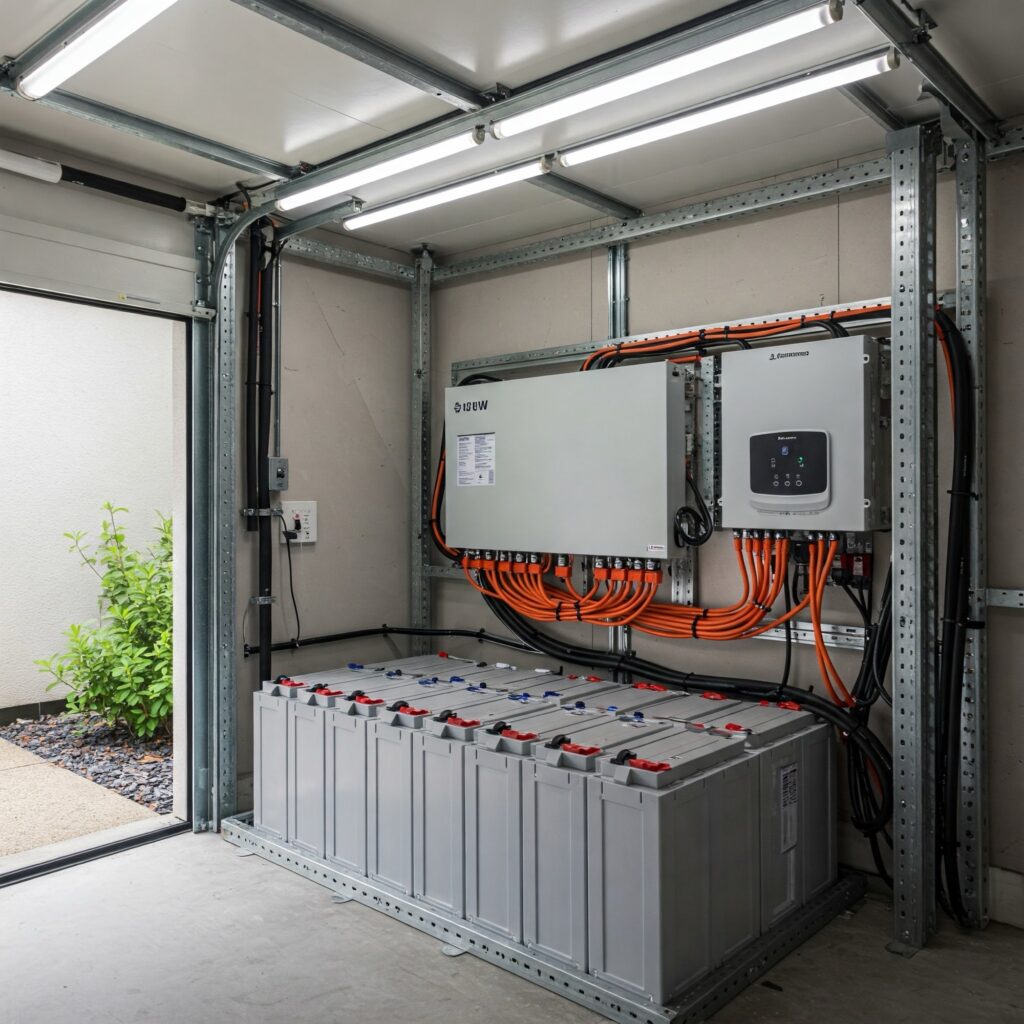
Lead acid batteries have been the standard for inverters in India for decades. They are well-understood, widely available, and affordable upfront. Lithium batteries, particularly Lithium Iron Phosphate (LiFePO4), represent the next generation of energy storage technology — more efficient, longer-lasting, but higher in initial cost.
Key Comparison: Lithium vs Lead Acid
Lifespan: Lead acid batteries typically last 3-5 years with proper maintenance. Lithium batteries last 8-12 years or more, making them far more cost-effective over time.
Depth of Discharge: Lead acid batteries should only be discharged to 50% to maintain their lifespan. Lithium batteries can safely discharge to 80-90%, giving you significantly more usable capacity from the same rated capacity.
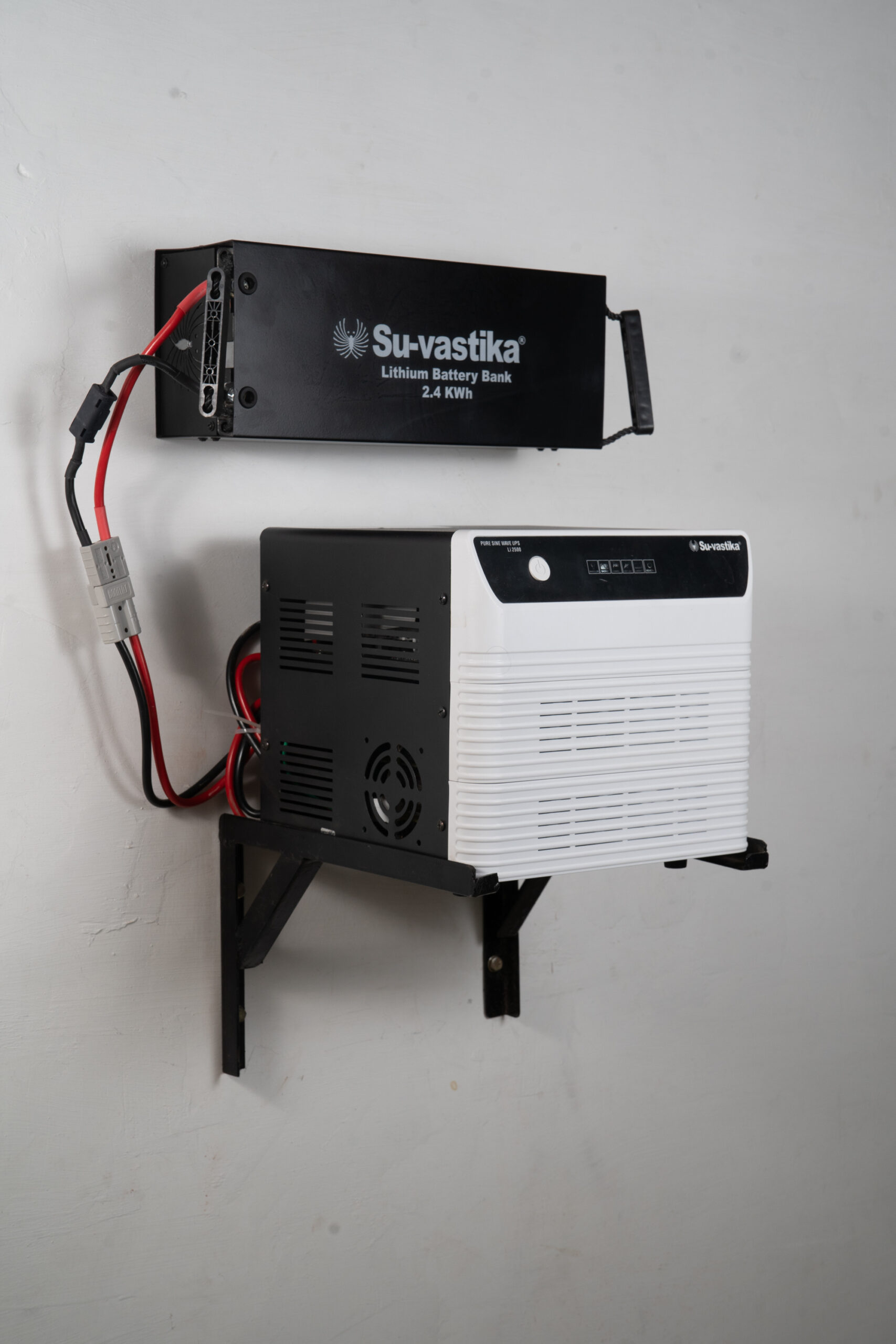
Weight and Size: Lithium batteries are typically 60-70% lighter than equivalent lead acid batteries. This makes them ideal for space-constrained installations and for new form factors like wall-mounted batteries.
Maintenance: Lead acid batteries require regular water topping and terminal cleaning. Lithium batteries are virtually maintenance-free, saving time and hassle over their lifetime.
Charging Speed: Lithium batteries charge much faster than lead acid. A lithium battery can reach full charge in 2-3 hours vs 8-12 hours for lead acid, which is crucial during short power windows.
Cost Analysis for Indian Consumers
While a lead acid battery might cost Rs. 8,000-12,000, an equivalent lithium battery may cost Rs. 25,000-40,000. However, when you factor in the longer lifespan, you may need to replace lead acid batteries 2-3 times during a single lithium battery’s life. Add in the lower maintenance costs and higher efficiency, and lithium often proves more economical over 10 years.
Who Should Switch to Lithium?
If you have frequent, long power cuts and need reliable backup; if you’re installing solar and want maximum efficiency; if you want a maintenance-free solution; or if you’re buying for a business where downtime is costly — lithium is the clear choice. For occasional short power cuts and tight budgets, lead acid still makes sense, but the trend is clearly moving toward lithium.
You May Also Like:
- How Su-Kam Powered Agartala’s First Solar City
- When No One Wanted Solar — Su-Kam’s SECI Story
- Su-vastika’s Revolutionary Battery Tester
References & Further Reading:
- MNRE Battery Energy Storage Policy
- Business Standard: Lithium-Ion vs Lead-Acid Batteries
- Invest India: Renewable Energy Sector Overview

Founder of Su-Kam and Kunwwer.ai, and mentor at Su-vastika and several other companies — the “Inverter Man of India” and the “Solar Man of India.” Read his story →