Before the inverters, there was Cable TV
Many people are surprised to learn that Su-Kam did not begin with inverters. It began in 1988 with Su-Kam Cable TV System — my first company, a proprietorship firm — my first factory floor, and my first real lessons in entrepreneurship.
📖 I have told this chapter in full — with more photographs from those early years — in my Solar Man of India archive: Before the Inverters, There Was Cable →
01Small projects, big lesson
Su-Kam Cable TV System, my proprietorship firm, started as a project company. I did small MATV and CATV projects for hotels and multi-storeyed societies — installing a common antenna and VCR for the whole building, and distributing that signal through a cable network to every room and flat.
Then someone in Bombay began licensing people to show Hindi films to homes through cable — the same system I was already installing for buildings. It created a revolution. VCRs were costly, cassettes were a recurring expense, and very few films were available. Now one VCR could serve an entire neighbourhood for a small monthly fee. A totally new industry — cable television in India — was born, and the cable operators who ran it bought their equipment from people like me.
02My first taste of manufacturing
I shifted the business into manufacturing cable TV parts — and built my first small team to make them.
Amplifiers
Broadband, outdoor and line-extender amplifiers — the heart of every cable network.
Modulators
Converted video sources into TV channels for distribution across the network.
Directional couplers
Split and routed the signal so every home on the line got a clean picture.
I was supplying the equipment and installing the systems. My real entrepreneurship experience started there.
03Exhibitions — standing for India
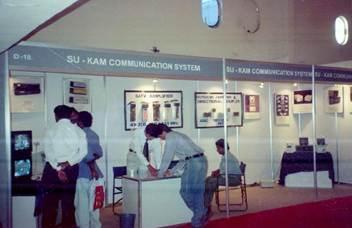
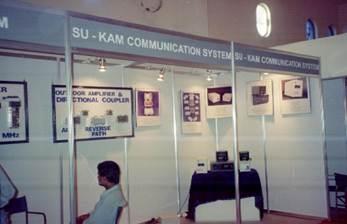
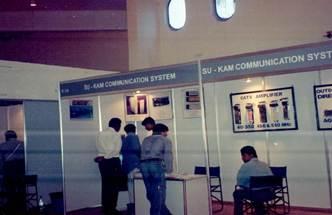
I participated in exhibitions right from the beginning — they gave us exposure and new clients. I went to shows in Hong Kong and Singapore, where at that time there was no one from India with a stall. People had little respect for India then; we were considered a poor nation. I dreamed that one day we would stand at an international exhibition from our country’s side.
04The ₹20-lakh spectrum analyzer
At a 1992 exhibition I found a spectrum analyzer going cheap on the last day — nobody wanted to carry equipment back. I seized it and brought it to India, where customs held it for three months; duties then were 200% and above, and releasing it cost beyond my means.
Later I bought an Anritsu spectrum analyzer in India for more than ₹20 lakh — money that could have bought a house. I chose the instrument, because I knew it would improve the production quality of everything we made.
The seller never imagined “such a small fellow” could buy that machine. But that purchase set the pattern of my life: whenever it was a choice between comfort and technology, I chose technology.
05Echostar & Doordarshan
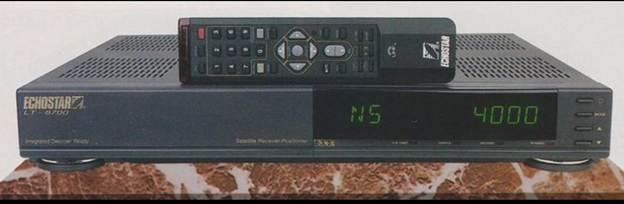
I took the distributorship of the American company Echostar, which made satellite receivers, and supplied them in good numbers to Doordarshan — building an excellent network across its broadcasting stations.
06Running my own cable network
I installed dish antennas and complete cable TV networks — first at Mandi House, then across various Air Force and Army stations. References travelled from one station to the next, and a brand was forming. At the Air Force Station at Subroto Park I ran my own cable TV business, collecting subscriptions and investing my own money — at a time when cable was a small operator’s game, I wanted to build a cable TV company.
I tried two more Army areas, but I could not yet build the management to run them, and after three years I sold those running businesses to other operators.
07The turning point — and an expensive lesson
Around 1996, big companies entered cable TV. City Cable began buying up small operators, control rooms went over to imported hardware, and the monopoly of Indian manufacturers was ending. I knew we had to upgrade the technology.
I worked closely with a Canadian startup developing a digital-compression set-top box — advanced even by Western standards then — and invested a sizable amount in it. It failed. The founders were inexperienced, and they experimented on my money and my resources.
It was a complete waste of time and money — but it confirmed what I was: a man who continually invests in technology. My life mantra became Technology, Technology, Technology.
08The brochures that survived
These are the actual product sheets from those days. The Su-Kam logo on them is the same logo that would later become synonymous with power backup in India — but back then, it was all about Cable TV.
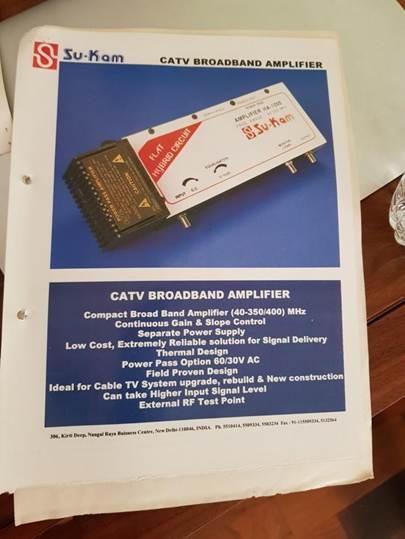
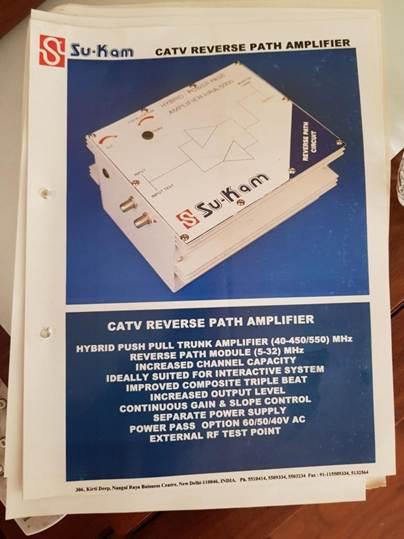
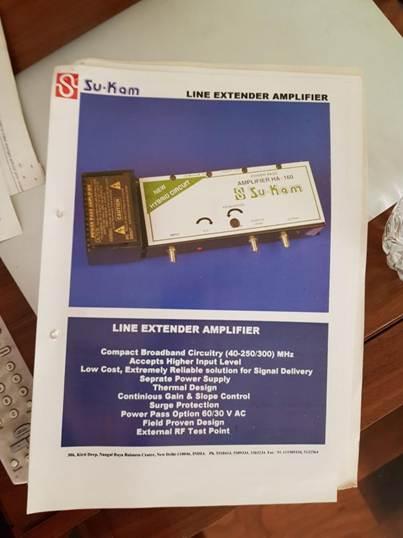
- The Cable TV Beginnings — Solar Man of India (full chapter, with photos)
- Kunwer Sachdev — Wikipedia
- History of television in India — Wikipedia
- YourStory: With ₹10,000, this entrepreneur built India’s inverter giant Su-Kam
- Business Today (2006): Dark Horse — the rise of Su-Kam
- Su-Kam Solar — YouTube channel
Founder of Su-Kam and Kunwwer.ai, and mentor at Su-vastika and several other companies — the “Inverter Man of India” and the “Solar Man of India.” Read his story →