The World Intellectual Property Organization video profile of Kunwer Sachdev — on cable TV, the inverter pivot, solar-plus-battery, and Su-Kam three-patents-a-month cadence.
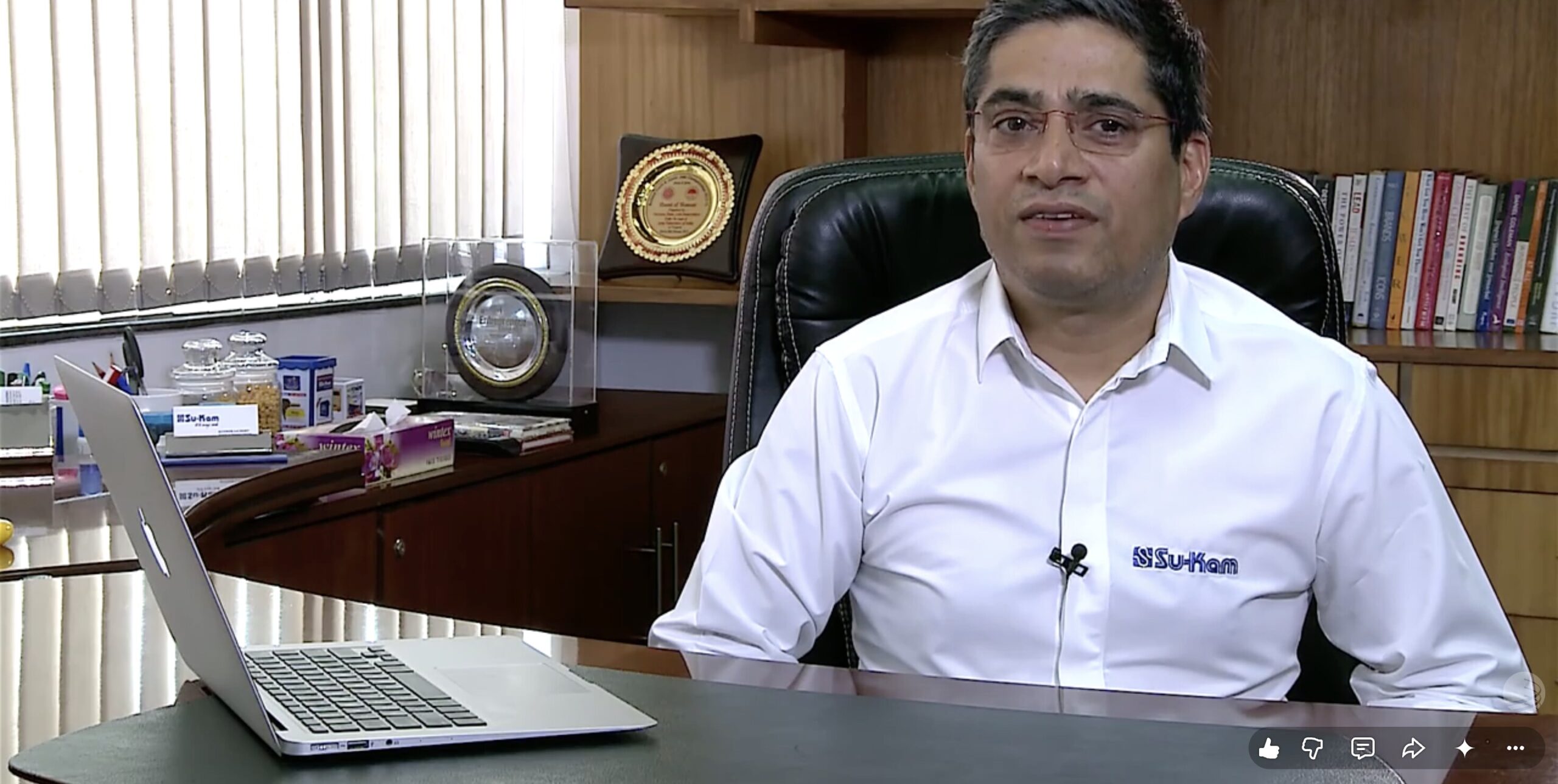
The World Intellectual Property Organization — the United Nations agency for global IP policy — produced a three-and-a-half-minute video feature on Kunwer Sachdev, founder of Su-Kam Power Systems. The piece treats Su-Kam as a real-world case study for what happens when an Indian mid-cap treats R&D and IP as first-order company disciplines rather than afterthoughts.
From cable TV to the household inverter
Sachdev opens with the origin story (~00:28). He came into the industry through cable TV, then transitioned into the inverter business because power-grid shortages were a daily fact of life in Indian households at the time. The pitch to WIPO audience is that Su-Kam did not start with a technology in search of a market — it started with a domestic problem that had scale, and worked backwards to build the product.
The natural synergy of battery and solar
Around the one-minute mark (~01:09), Sachdev walks through the move into solar. The recognition, he says, was straightforward: the battery power Su-Kam had already built its inverter business around had a natural synergy with solar cells — both are DC-native, both fit inside the same box, both benefit from the same power-electronics know-how. Solar was not a pivot; it was an extension of the same core capability.
“R&D is a core priority for us — we file patents regularly, sometimes up to three patents in a month.”— Kunwer Sachdev, WIPO video (~01:27)
Three patents a month
The cadence, as Sachdev states it on camera (~01:27), is unusually specific: Su-Kam files up to three patents a month. That is not a marketing line; it is the operating tempo of a company whose competitive edge is defensible IP. For a WIPO audience, this is the exact number that separates a company using the patent system from a company merely being aware of it.
Trademarks in 70+ countries — and why they came first
At around 01:55, Sachdev turns to trademarks. Su-Kam registered its brand and trademarks in over 70 countries — the US, the Middle East, Africa — long before it needed to. His point (02:15) is that registering the brand as a trademark should be one of the first steps a founder takes when building a company, not a late-stage clean-up exercise. Cheap now, cheap to enforce; expensive to fix if left for later.
The advice he leaves entrepreneurs with
Sachdev closes (~02:31) on a message aimed squarely at other founders. Create genuinely valuable products and services. Get a real, working understanding of intellectual property — both patents and trademarks. Combine that IP literacy with a great product, and the financial success follows on its own; it is not the thing to chase directly. That, in his framing, is what separates operators who scale from operators who get copied.
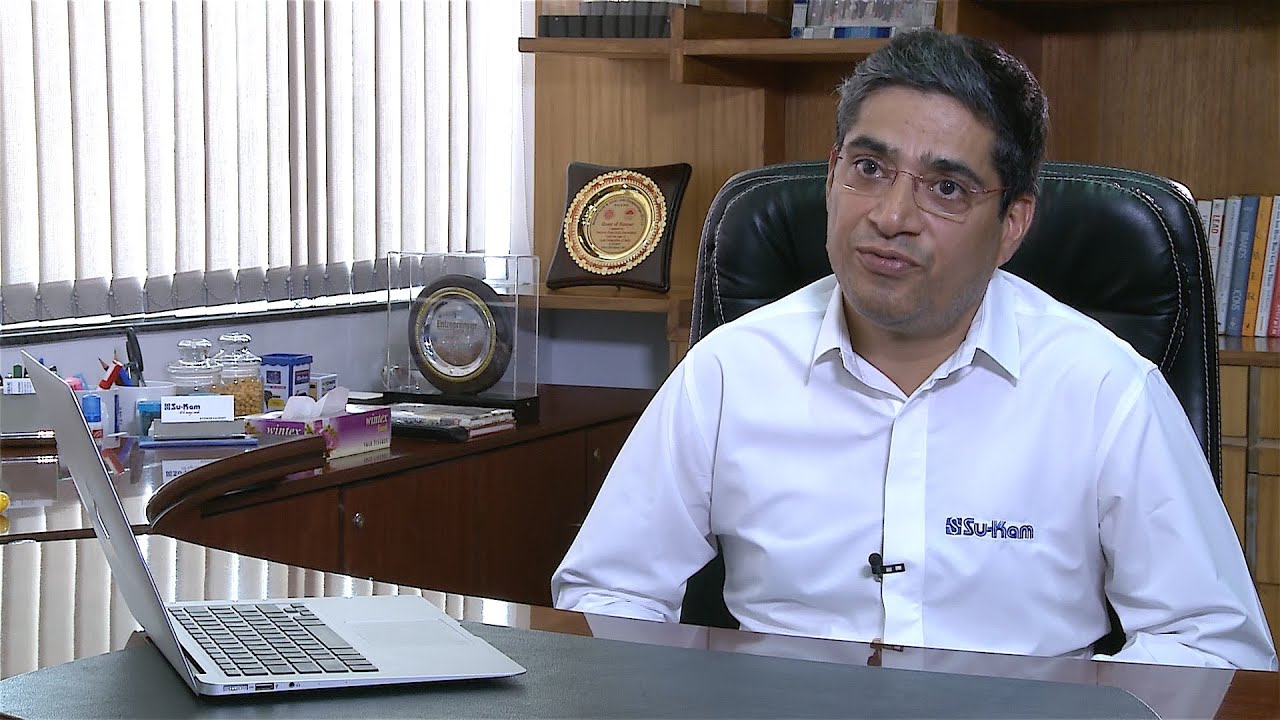
R&D, Innovation and Intellectual Property at India Su-Kam — WIPO on YouTube →