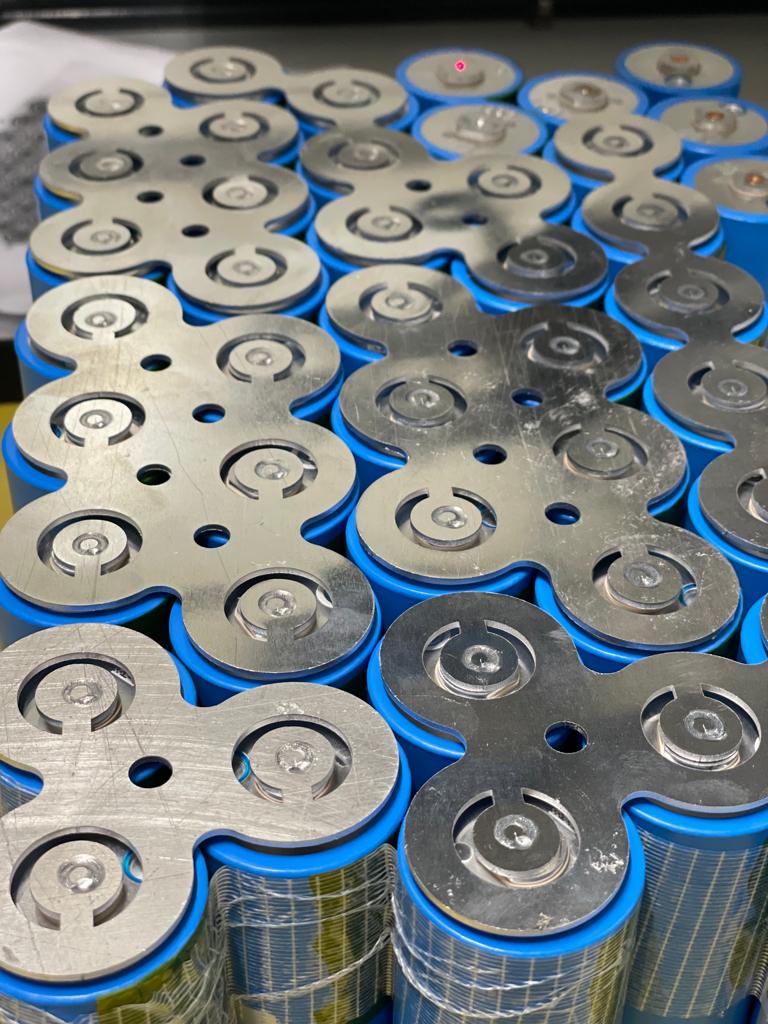
 We can achieve three things by this method: reducing heat while charging. In the last stage, charging heat is the main reason for cell destruction.The cell can never be overcharged as most lithium pack manufacturers prefer to keep the battery charged to 90 and 95% of its capacity.The Low battery cut is also kept at a higher level so that the cell is not discharged beyond a level that increases its life. The Lithium cell of most types has hardly any energy to give beyond a particular voltage, which has been a well-established fact.We do not try to charge the battery by 50% of its capacity, which the cell manufacturer recommends in its specification sheet, which can further damage it, as the charging has to be in at least three to 4 hours. Once the heat is minimized inside the battery, life is guaranteed.The cooling period is provided during the charging process as per different types of lithium chemistry cells.The absorption stage is another important factor we have given importance to while charging the battery. The algorithm adopted for charging the different types of Lithium cells plays a major role in maintaining the equalization and controlling the heat inside the battery. We cut off charging or discharging to the battery pack in case heat in any cell increases beyond the specification provided by the cell manufacturer.
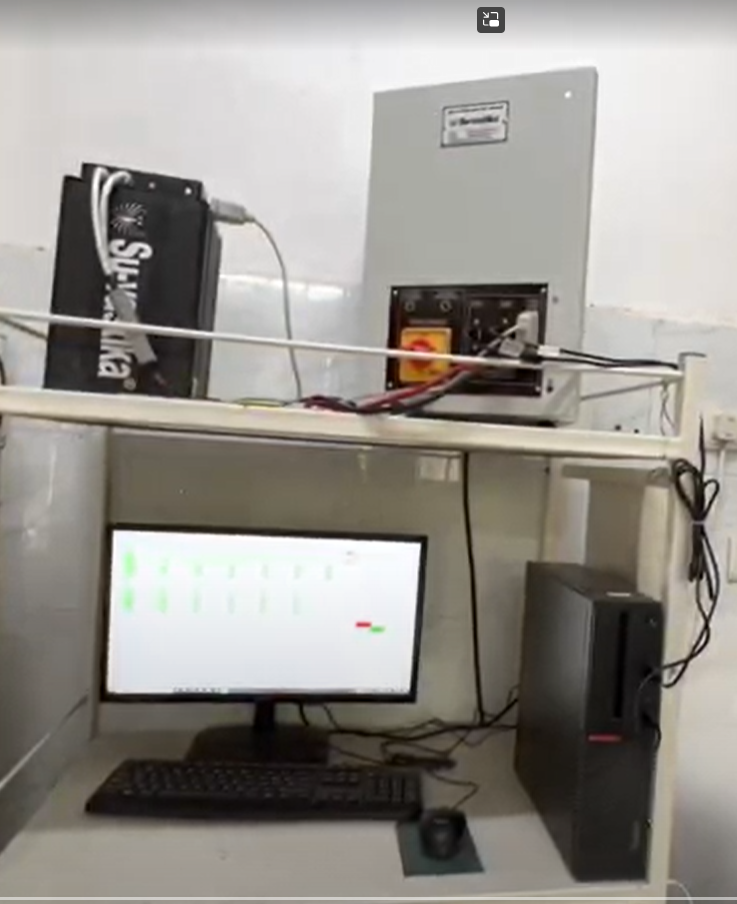
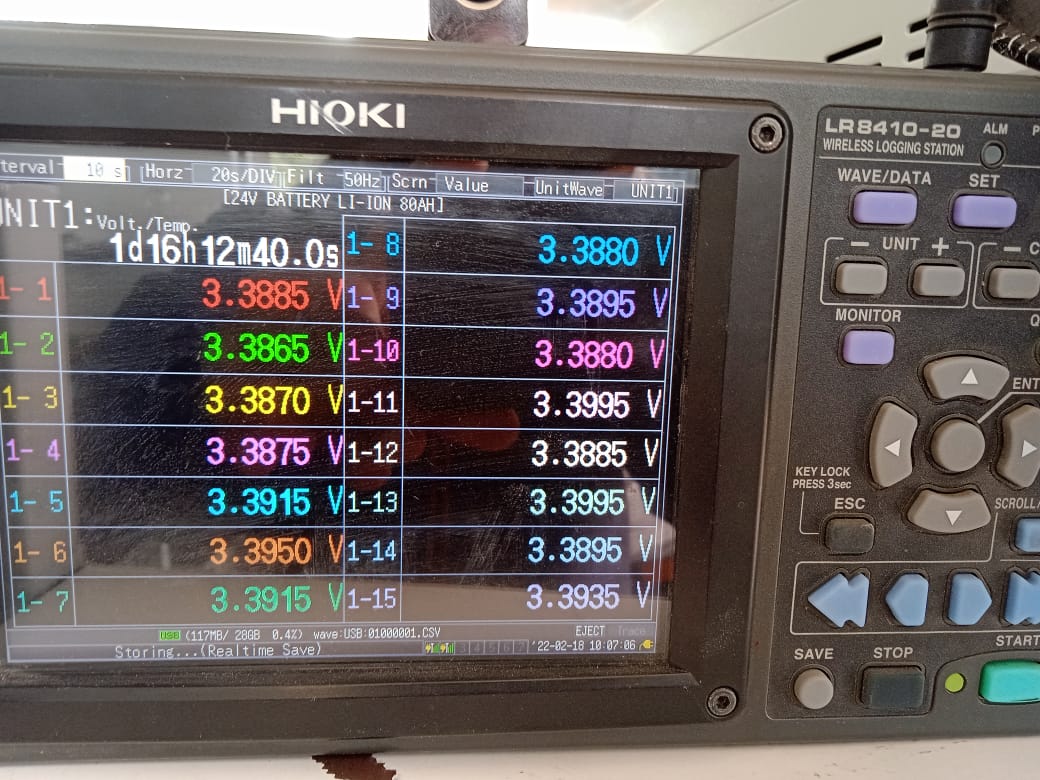 Most of the Lithium cell manufacturers are giving extra wattage if we charge the cell according to the voltages prescribed by them, which can lead to lower life expectancy from the cell as the competition between the cell manufacturers is increasing day by day, everyone tries to give maximum power in the same sizing of lithium cell which can be lethal for the life of the battery cell if charge the cell to the level to get the extra wattage from that particular cell.Maintaining equalization is the most important in any Battery Management system, which any user does not give importance to as their ultimate goal is to fast charge and discharge the battery to get the maximum wattage from the lithium battery pack. The lithium battery fails because of overcharging one or more cells in the battery pack, which is created by the imbalance during the charging process only.We have designed our Life cycle tester for testing the battery pack life, and we have established that our battery pack will last more than 2,000 cycles for cylindrical LifePo4 cells, as the manufacturer claims in the data sheet on the full load discharge capacity. We still use the same cell pack for the charge-discharge cycle and have completed more than 2100 cycles. We believe it to last more than 20 to 30% of the life cycle compared to the datasheet specification and can get almost 95% capacity of the lithium cell by this method.https://suvastika.com/lithium-battery-bank-life-cycle-tester-with-graphs-and-printer/We are doing these tests on the cylindrical and Prismatic cells, and very soon, we will publish our papers in the technical journals once we have established the results on different types of lithium cells.
DISCLAIMER
I, Kunwer Sachdev, wish to clarify that I have had no involvement, affiliation, or relationship of any kind with Su-Kam Power Systems Ltd. since 2019. As per official IBBI records, my directorship and all associated capacities ceased upon the initiation of the Corporate Insolvency Resolution Process (CIRP) ordered by the Hon’ble NCLT, after which a court-appointed Resolution Professional assumed full control of the company. I do not represent, endorse, or speak for Su-Kam in any capacity. Readers and consumers are advised to be aware of this before purchasing Su-Kam products or entering into any dealings with the company, as I hold no responsibility for any actions, commitments, or representations made by Su-Kam or its current management. Source: IBBI Official Record — Su-Kam Power Systems Ltd.