The Gifted Child Myth That Holds Brilliant Kids Back
The gifted child myth quietly holds brilliant kids back, and the gifted child myth is something every parent and teacher should unlearn. Here’s the myth I want to challenge today: gifted children are the ones who get straight A’s.
This single misconception has done more damage to brilliant minds than almost any other idea in education. I’ve met founders, engineers, and visionaries who were written off as “average” or even “problem students” in school—and yet they went on to build extraordinary things. I’ve also seen genuinely gifted children trapped in the wrong education track because they sat quietly, raised their hand at the right times, and scored well on standardised tests.
Giftedness is not compliance. Giftedness is intensity.

What Giftedness Actually Looks Like
When I was building Su-Kam in the early years, the people who moved fastest weren’t always the ones with the best degrees or the most polished credentials. They were the ones who couldn’t stop thinking about problems—who asked “why” when everyone else had already accepted “because.” They were intense, sometimes difficult to manage, and almost always misunderstood by traditional systems.
That’s what giftedness often looks like in practice: a child who asks relentless questions that make teachers uncomfortable. A teenager who gets bored in class not because they’re distracted, but because they’ve already processed the concept three steps ahead. An adult who jumps between careers not out of instability, but because they exhaust every challenge too quickly.
Giftedness shows up as curiosity so deep it becomes obsessive. As emotional sensitivity so high that ordinary social situations feel overwhelming. As a need for complexity that standard curricula simply cannot satisfy.
The danger is that many of these children—without recognition and the right support—get labelled as troublemakers, underachievers, or children with behavioural problems. They internalise that label. And the potential is lost.
Why This Matters Beyond Education
At Su-vastika, I work with technology and people every day. The most valuable individuals I’ve worked with are almost always those whose giftedness went unrecognised for years—who had to rebuild their self-belief from scratch after being failed by systems that couldn’t see them clearly.
The cost of missing giftedness isn’t just personal. It’s societal. Every brilliant mind crushed under the wrong label is a problem that never gets solved, a company that never gets built, a technology that never gets invented.
This is why I care about this conversation. Because the entrepreneurs of tomorrow are sitting in classrooms today being told they are “too much”—too intense, too curious, too restless. And nobody is telling them the truth: that those qualities, properly channelled, are exactly what the world needs.
3 Actionable Tips for Recognising and Supporting Gifted Individuals
1. Look for intensity, not performance. Ask yourself: does this person go unusually deep on topics they care about? Do they display emotional intensity that seems disproportionate to the situation? Do they ask “why” long after others have moved on? Performance follows recognition—but intensity is the signal you should be tracking first.
2. Replace boredom with challenge, not discipline. When a gifted child—or adult—disengages, the instinct is often to enforce compliance. The better question is: is the material complex enough? Gifted minds need problems at the outer edge of their capacity. Design for depth, not just pace.
3. Name it. There is real power in a child hearing: “You’re not too much. You’re gifted. And that means you need different things.” Research consistently shows that gifted individuals who understand their own giftedness develop better coping strategies, stronger identity, and greater resilience. Don’t wait for a formal assessment if the signs are already there—start the conversation now.
I didn’t have the language for giftedness when I was building companies. I wish I had. It would have changed how I saw certain people on my teams—and how I built around their strengths instead of fighting their edges.
#Giftedness #EntrepreneurMindset
📚 External Research & References
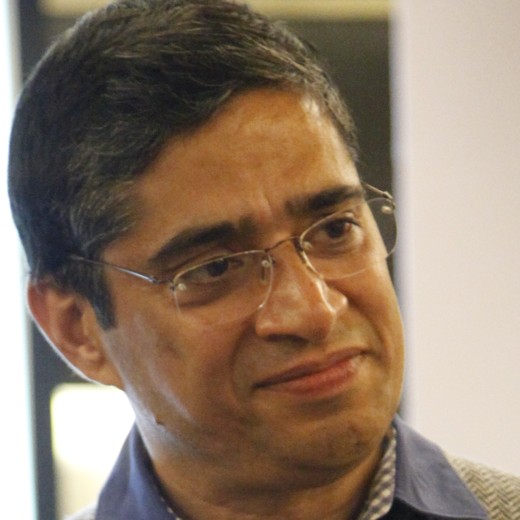
Founder of Su-Kam and Kunwwer.ai, and mentor at Su-vastika and several other companies — the “Inverter Man of India” and the “Solar Man of India.” Read his story →
Found this story worth sharing? Post it to your network — it takes one click: