The Personal Story Behind Su-Kam’s Commitment to ISO 9001.
ISO 9001 Quality at Su-Kam was not a paperwork exercise. It was a personal commitment to measurement, systems, and getting every process right.
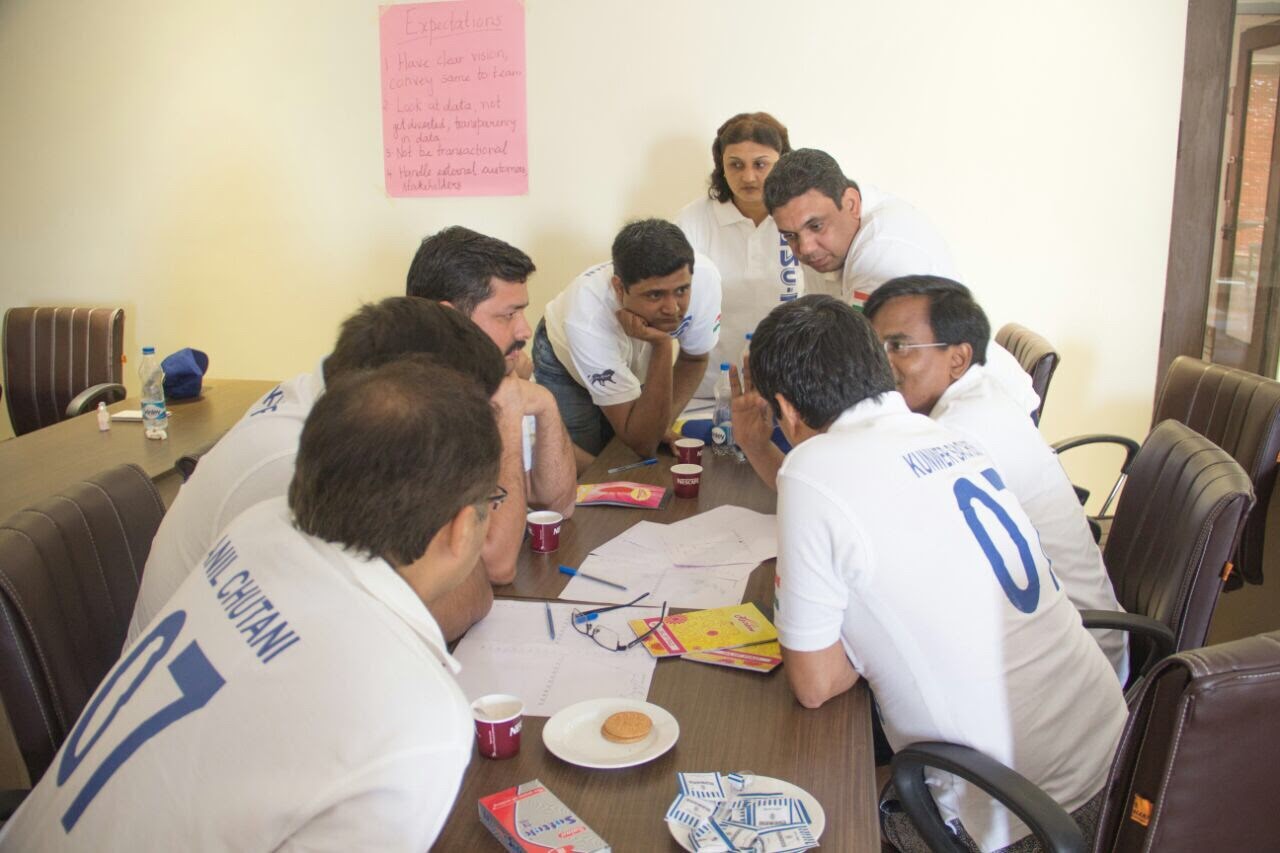
The quality conversation, not the certificate: Kunwer Sachdev with the Su-Kam team around the table.
The hum of the factory floor, the clinking of tools, the focused energy of a team striving for something more — these are the sounds that still resonate in my memory, a symphony of creation that defined the early days of Su-Kam. From the very inception, my heartbeat with a singular rhythm: to craft products that weren’t just functional, but reliable, innovative, and ultimately, a testament to unwavering quality.
This wasn’t a mere business strategy; it was a deeply personal conviction, a burning desire to build something truly exceptional. In those nascent years, the landscape of the power backup industry was… well, let’s just say it was a world were shortcuts often trumped substance. But for me, Kunwwer Sachdev, the founder of Su-Kam, compromise was a word I rarely entertained. I envisioned a different future, one where consumers could trust the products they relied on implicitly, where the quality wasn’t an afterthought but the very foundation upon which everything was built. This unwavering belief in continuous improvement and the relentless pursuit of better technology became the bedrock of Su-Kam’s ethos.
ISO 9001 Quality: I Took the Reins
My quest for excellence wasn’t just about the final product; it was about the entire journey, from the initial spark of an idea in the R&D lab to the moment a satisfied customer switched on their Su-Kam device. And it was this holistic approach that led me to a pivotal moment, a decision that would not only shape Su-Kam but also leave an indelible mark on the industry itself: the pursuit of ISO 9001 certification.
In the early 2000s, the concept of ISO 9001 was still relatively new in our sector. When I first broached the idea, it wasn’t met with resounding enthusiasm. Many saw it as an unnecessary bureaucratic hurdle, a formality that would add cost without tangible benefit. But for me, it was an opportunity, a chance to embed quality into the very DNA of Su-Kam. It was a commitment to a standard, a promise to our customers that went beyond mere words.
I remember the day I called the certification agency. They painted a picture of a swift, one-month process. My initial optimism was quickly replaced by a growing unease as the reality of their approach began to dawn. They seemed more interested in ticking boxes, creating superficial systems that wouldn’t truly resonate within the company culture. It felt like a hollow exercise, a rubber-stamping of processes that wouldn’t genuinely improve the quality of our products or the efficiency of our operations.
A deep sense of responsibility settled within me. I realized that if we were to truly embrace quality, it had to come from within. It couldn’t be a superficial exercise; it had to be a genuine transformation. And so, I made a decision that would consume a significant portion of my time and energy: I would become the Management Representative for Su-Kam, taking the reins of the ISO 9001 implementation myself. That instinct to build from the inside goes back to the years before the inverters — the cable TV origin of Su-Kam.
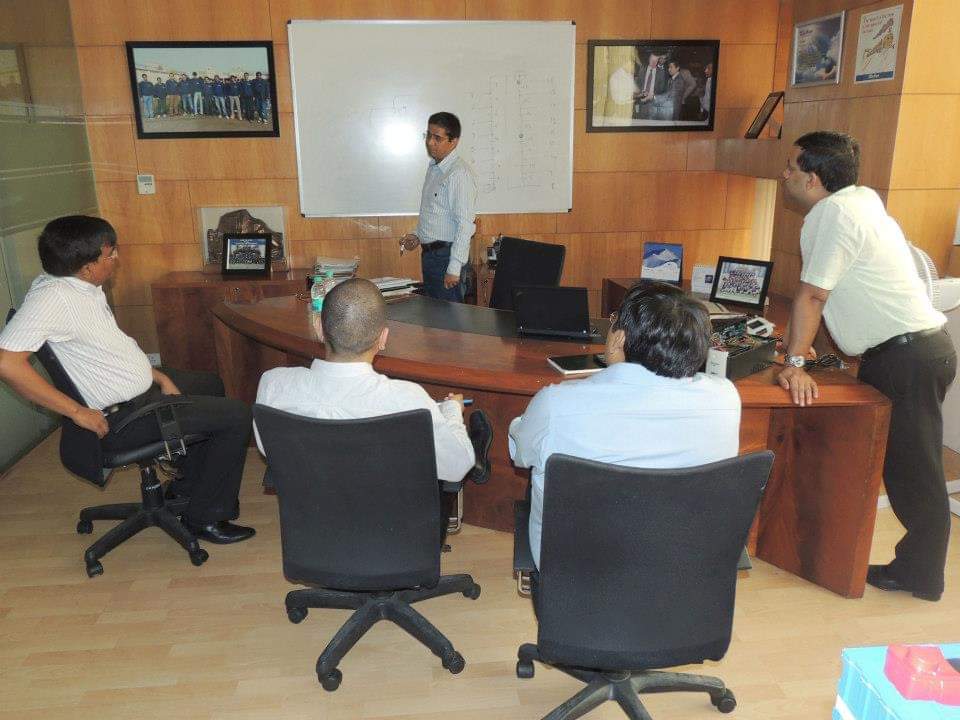
This wasn’t a decision made lightly. It meant immersing myself in the intricate details of every process, from the initial design stages in R&D to the final delivery and after-sales service. It meant painstakingly documenting every step, creating a comprehensive manual that would serve as the guiding principle for every department. It was a six-month journey of intense learning, meticulous documentation, and unwavering dedication.
The agency, initially expecting a quick and easy process, found themselves dealing with a deeply engaged and demanding client. We pushed them, questioned them, and insisted on creating systems that were not just compliant but truly effective. The initial quoted fees quadrupled as we relentlessly utilized their expertise, pushing the boundaries of their understanding and our own. But for me, the cost was secondary to the goal. We weren’t just aiming for a certificate; we were building a culture of quality.
This immersive experience was a revelation. I gained an unparalleled understanding of every facet of our operations. I saw the interconnectedness of each department, the challenges faced by every team member. We didn’t just create processes; we built bridges between departments, fostering a sense of shared responsibility and mutual understanding. The audit process, where each department meticulously reviewed the work of others, became a powerful tool for collaboration and continuous improvement.
This wasn’t just about adhering to a set of standards; it was about fostering a sense of ownership and pride within the Su-Kam family. It was about creating a culture where everyone understood their role in delivering a high-quality product. Each department learned to serve the others, understanding their challenges and working together towards a common goal: exceeding customer expectations.
Measurement, Not Theatre
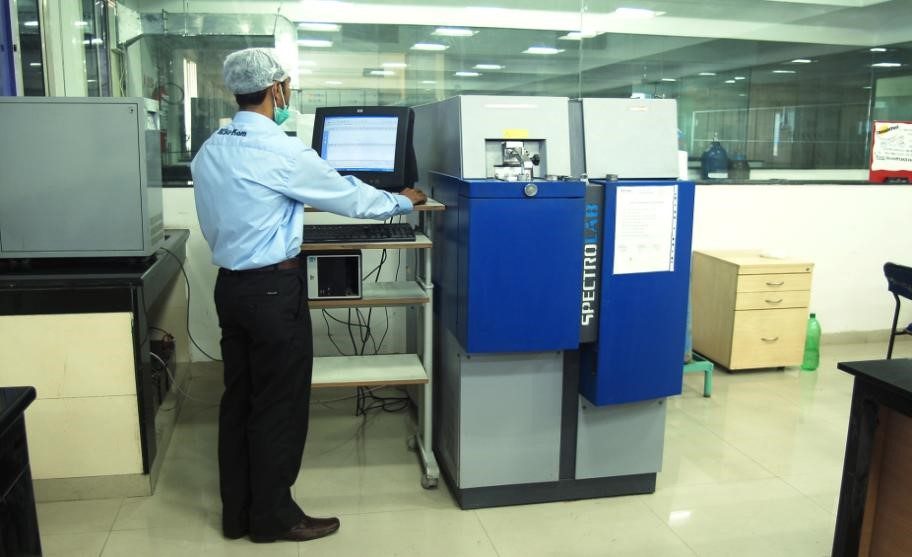
The impact of this deep dive into quality was profound. It wasn’t just about the ISO certification; it was about the fundamental shift in our mindset. It instilled a discipline and a rigor that permeated every aspect of our work. It allowed us to identify bottlenecks, streamline processes, and ultimately, build products that were truly reliable and innovative.
True quality is not a destination. It is a continuous journey, a relentless pursuit of improvement — doing things the right way, always.
Even today, years later, when I hear people speak about Su-Kam, the words that often come up are “quality.” That legacy, that reputation, is a testament to the unwavering commitment we made in those early days. It’s a reminder that true success isn’t just about building a business; it’s about building a foundation of trust, a promise of excellence that resonates with every customer who chooses Su-Kam.
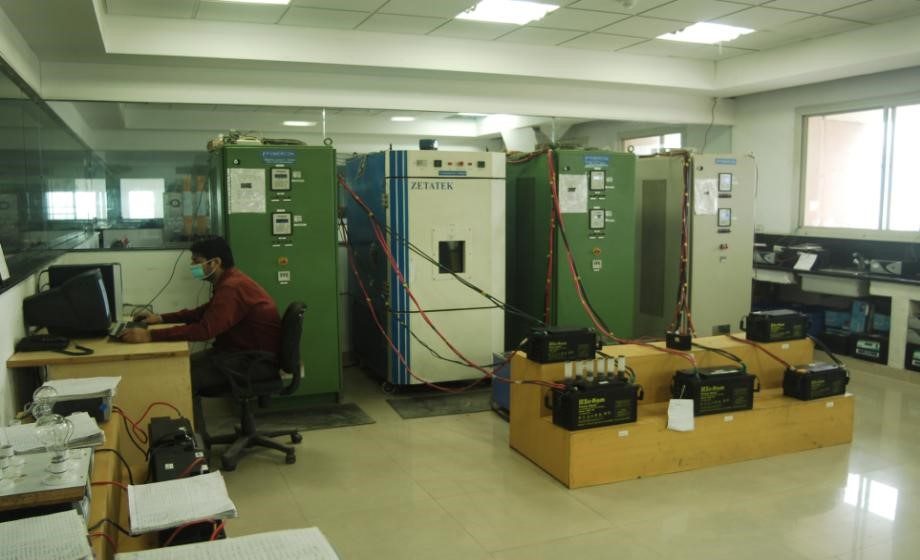
That journey, the one that began with a simple desire to build better products, taught me the invaluable lesson that true quality is not just a destination; it’s a continuous journey, a relentless pursuit of improvement fueled by passion, dedication, and an unwavering commitment to doing things the right way, always. And that, in essence, is the story of Su-Kam’s genesis, a story etched in the very fabric of our commitment to the quality. One can see the Battery factory built in my time which was an art of technology and systems and processes.
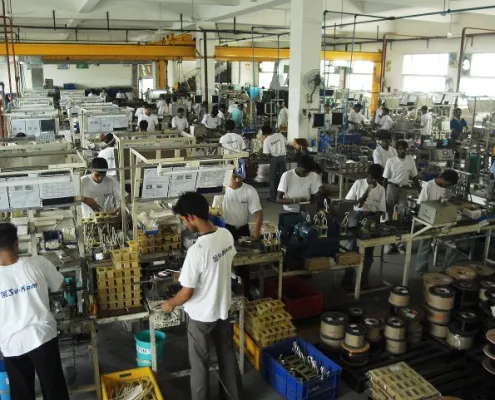
Just as Su-Kam’s ISO 9001 certification validated its commitment to customers, Su-vastika’s certification does the same. It signifies that every process, from product design to customer support, is meticulously managed and continuously improved, adhering to the stringent requirements of the international standard. Kunwer Sachdev’s experience with Su-Kam’s ISO 9001 certification provided the knowledge and insights needed to implement the same quality focused practices at Su-vastika.
Frequently Asked Questions: ISO 9001 Quality
What is ISO 9001 quality certification?
ISO 9001 is an international standard for quality management systems that ensures organizations consistently deliver products and services meeting customer expectations. For Su-Kam under Kunwer Sachdev’s leadership, ISO 9001 certification represented a commitment to systematic quality across all production processes, from raw materials to final delivery.
Why did Kunwer Sachdev pursue ISO 9001 certification for Su-Kam?
Kunwer Sachdev’s quest for excellence wasn’t just about the final product—it was about the entire quality journey, from raw materials to customer delivery. He believed that true quality came from systemic improvements, measurement standards, and continuous process optimization. ISO 9001 provided the framework to embed quality culture into Su-Kam’s operations.
What changes did Su-Kam make to achieve ISO 9001?
The pursuit of ISO 9001 required a deep dive into every production detail. Su-Kam updated factory systems, implemented new measurement standards, trained employees on quality protocols, and established documentation for all processes. It wasn’t just about certification—it was about fundamentally transforming how the company approached quality at every level.
How did ISO 9001 impact Su-Kam’s business?
ISO 9001 certification validated Su-Kam’s quality commitment to customers and internal stakeholders. The certification demonstrated that products underwent rigorous quality checks, met international standards, and were manufactured with systematic process control. This quality assurance became a competitive advantage in India’s power solutions market.
What did Kunwer Sachdev learn from Su-Kam’s ISO 9001 journey?
The ISO 9001 journey taught Kunwer Sachdev that excellence requires more than good intentions—it requires systems, measurement, documentation, and continuous improvement. Quality isn’t a destination; it’s an ongoing commitment to doing things right, every time, at every step of the process.
How does ISO 9001 connect to Su-Kam’s broader quality philosophy?
For Su-Kam and later Su-vastika, ISO 9001 represented one expression of a deeper commitment to quality and measurement. Just as Su-Kam pursued ISO 9001 to validate its quality standards, the broader philosophy was about building organizations where measurement, improvement, and customer focus were embedded in company culture.
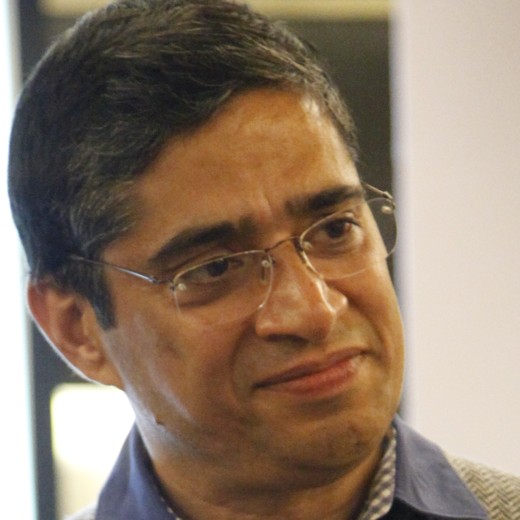
Founder, Su-Kam Power Systems (1988–2019) and Kunwwer.ai, and mentor at Su-vastika and several other companies — the “Inverter Man of India” and the “Solar Man of India.” Read his story →
Disclaimer: Kunwer Sachdev exited Su-Kam in 2019 and is not responsible for any activity of the company since. Anyone dealing with Su-Kam does so solely with its current management. Full disclaimer →