The Global Honor: What Being Interviewed by WIPO Taught Me About Indian Innovation & IP
The Global Honor: What Being Interviewed by WIPO Taught Me About Indian Innovation & IP
From a cable TV business in Delhi to a WIPO interview on a United Nations platform in Geneva — the journey of building India’s leading power backup brand through relentless R&D and ironclad IP protection.
When I first started out in business, people often told me that to survive in the Indian market, you had to be a master of jugaad—frugal, temporary workarounds to get a product out the door. But right from my early days in the cable TV business, and later when I founded Su-Kam Power Systems, I realized something critical: Jugaad doesn’t scale. Original, protected technology does.
A few years ago, I received an extraordinary honor. I was invited by the World Intellectual Property Organization (WIPO)—the United Nations’ global forum for intellectual property policy and services, headquartered in Geneva, Switzerland—to share my journey on their official platform. To have our homegrown Indian R&D recognized and archived by the UN was an immense privilege.
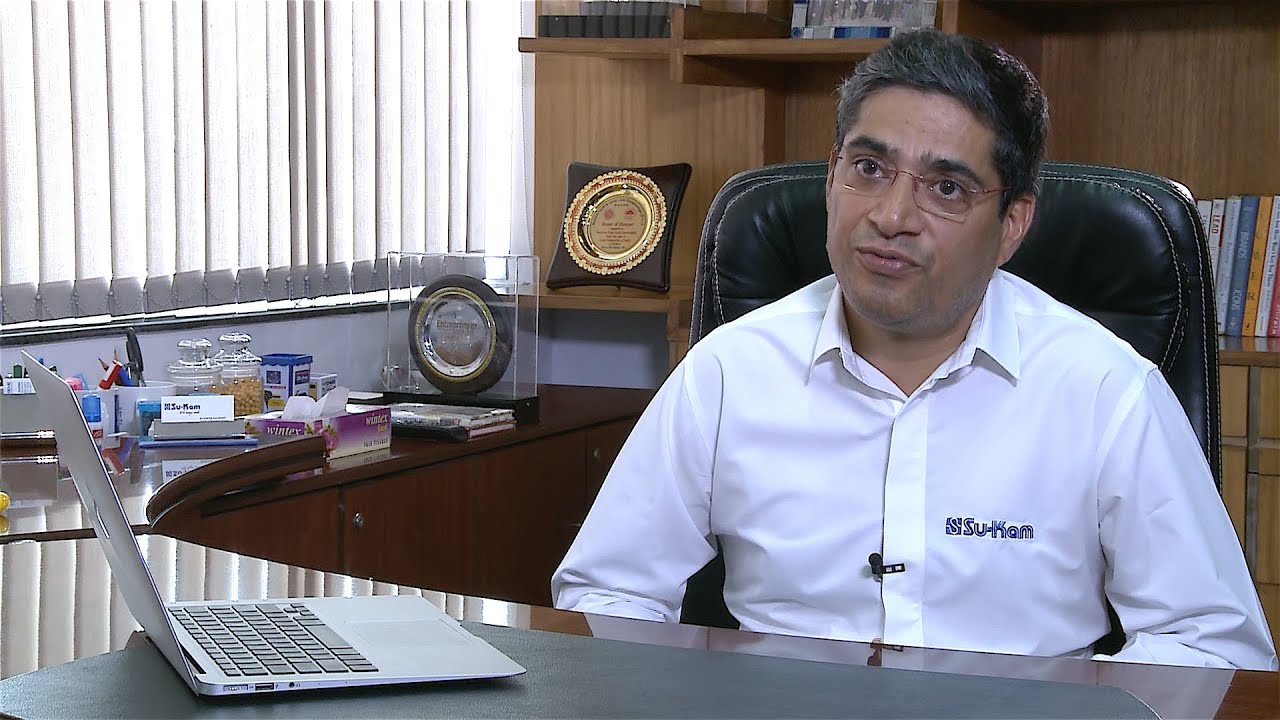
R&D, Innovation and Intellectual Property at India’s Su-Kam — Click to watch on the official WIPO YouTube channel
But more than a personal milestone, that WIPO interview stands as a blueprint for what happens when an Indian brand decides to lead through original Research & Development rather than simply copying others.
Connecting the Dots: Vision Over Pedigree
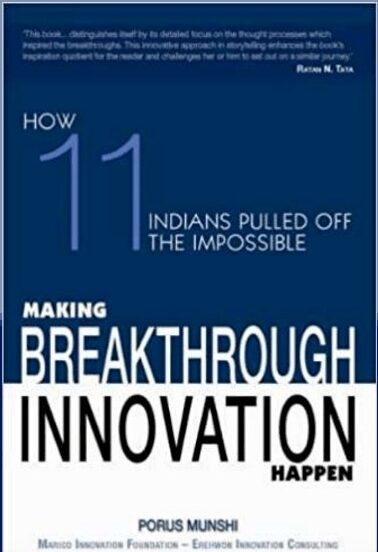
Long before the WIPO feature, author Rashmi Bansal captured my story in her bestselling book, Connect the Dots. The book explored a very specific theme: entrepreneurs who built extraordinary enterprises driven not by elite IIT or IIM degrees, but by passion, market awareness, and raw grit.

Featured in Connect the Dots
Rashmi Bansal’s bestselling book profiles self-made entrepreneurs who built empires without conventional pedigree. Kunwer Sachdev’s chapter details how a statistics graduate from Hindu College who started as a cable operator stumbled upon the inverter business and never looked back—”the everyday hero who built an empire without an MBA, but with the school of life as his teacher.”
Connecting the dots between being featured in a book about self-made Indian entrepreneurs and later being honored by a global body like WIPO reveals a powerful reality: you do not need a conventional corporate pedigree to build a disruptive technology enterprise. You need a deep, obsessive focus on solving real problems and a structured approach to protecting your creations.
Key Takeaways From the WIPO Interview
Looking back at the WIPO interview, several core principles stand out that define how we approached disruption from day one:
Identifying the Real Pain Points
My entrepreneurship journey began in the cable TV industry. After about a decade, I saw a much larger opportunity in the power sector. Power shortages were a brutal daily reality across India. Households had virtually no reliable electricity from the grid, forcing them to depend on expensive, dirty, and loud diesel generators. We stepped in with a clear mission: to replace those generators entirely with a clean, efficient inverter-and-battery combination.
Spotting the Symmetry in Solar
As an entrepreneur, you always have to look for the next logical shift. For me, solar energy was a massive opportunity because the technical symmetry was elegant—solar cells produce DC power, and batteries store DC power. Replace traditional heavy battery banking with solar cells, and you give everyday households clean, independent energy. This insight helped us pioneer hybrid solar inverter systems long before they became mainstream.
Creating a “Patent-a-Month” Culture
Throughout my career, my life has revolved around R&D. When it comes to capital allocation, investment in R&D has always been my absolute first preference. But R&D without protection is toothless. We institutionalized a culture of intellectual property awareness, filing at least one patent every month and occasionally up to three. From the first plastic-body inverter to DSP sinewave technology, every breakthrough was legally secured before it reached the market.
Securing the Brand Across 70+ Countries
We didn’t just want to build a local product—we wanted a brand that could confidently compete on the global stage. We registered our trademark in more than 70 countries, including the United States. This gave us the legal confidence to expand aggressively across Africa and the Middle East, knowing our brand identity was fully protected in every market we entered.
The moment you start a company and think of creating a brand, you should immediately go for registration. If it is not registered, it is not a trademark.
— Kunwer Sachdev, WIPO InterviewWhy This Global Recognition Matters
WIPO does not feature standard commercial operations. It selectively highlights pioneers who have successfully translated local research and development into protected, globally scalable intellectual property. Being featured signals that Indian engineering is not just about cost-effective manufacturing—it is about creating high-value, original IP.
Historically, Indian innovation was often associated globally with jugaad—frugal, makeshift workarounds. An appearance on WIPO flips that narrative completely. It showcases a highly sophisticated, structured approach to business: systematically filing patents every month, registering trademarks across continents, and aggressively securing market territory on an international scale.

India has been climbing rapidly in global innovation metrics, breaking into the top 40 of the Global Innovation Index (GII) and leading massive surges in patent filings. Having domestic founders featured on a UN-level archive serves as a living testament to this shift—bridging the gap between grassroots Indian grit and international legal and financial credibility.
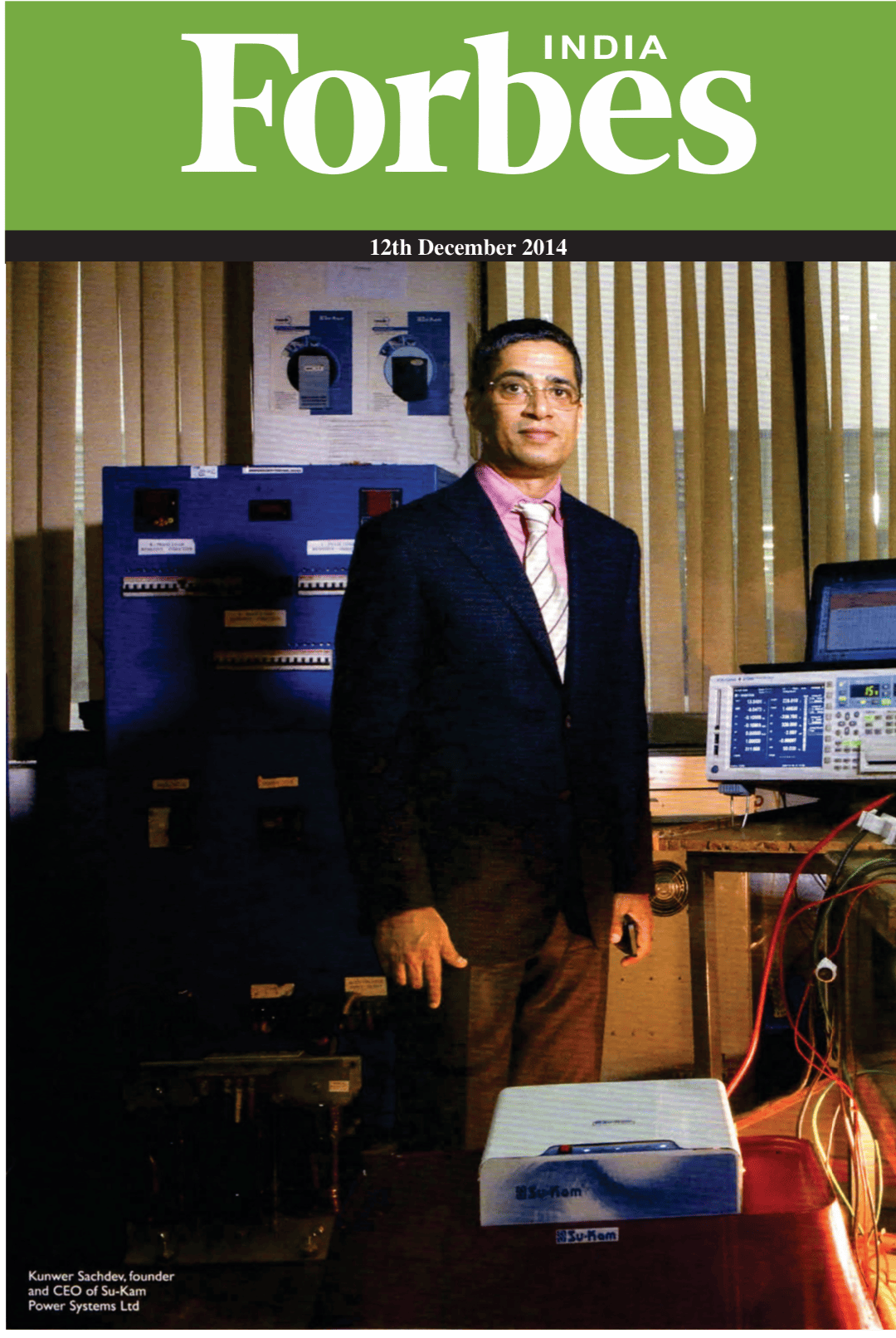
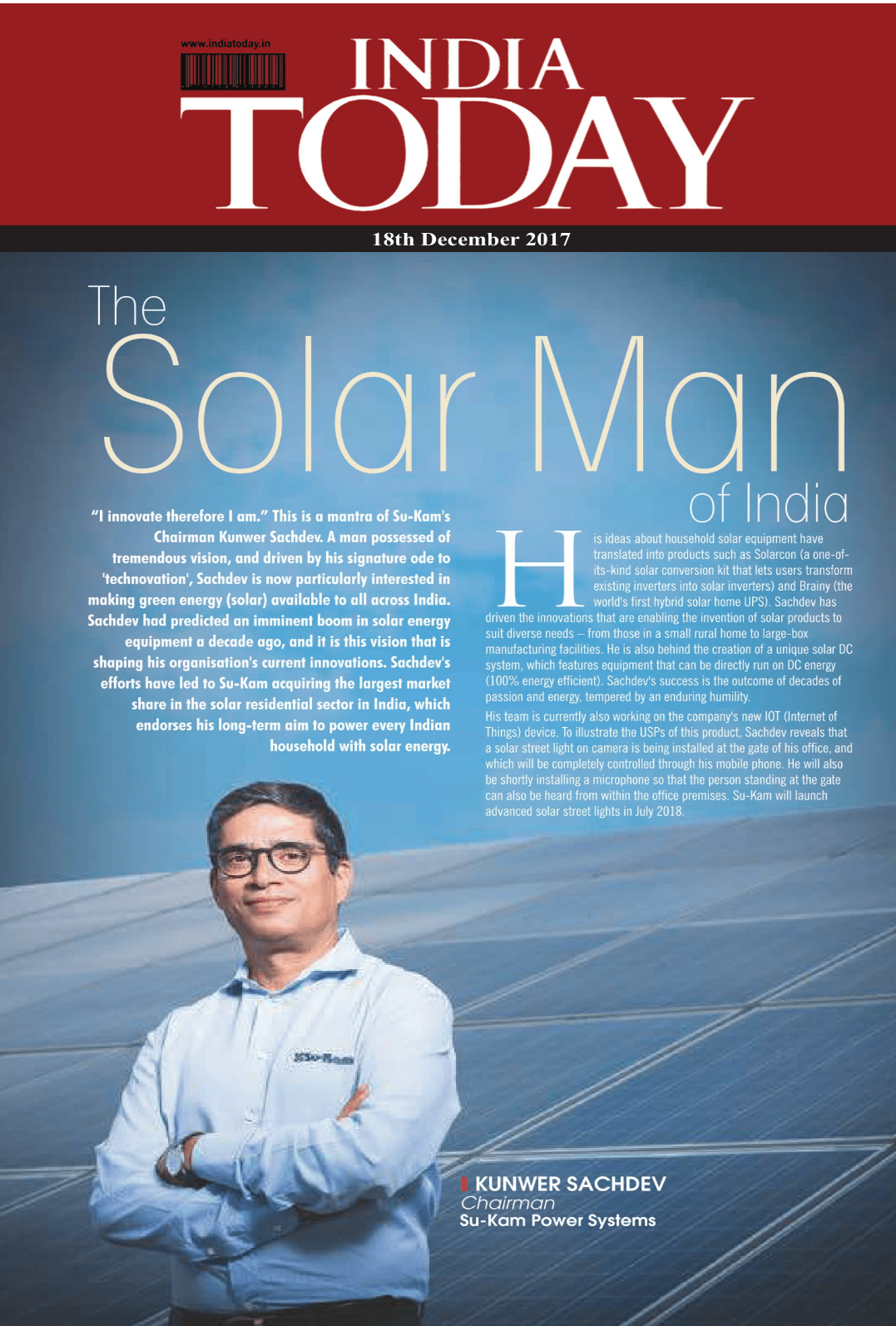
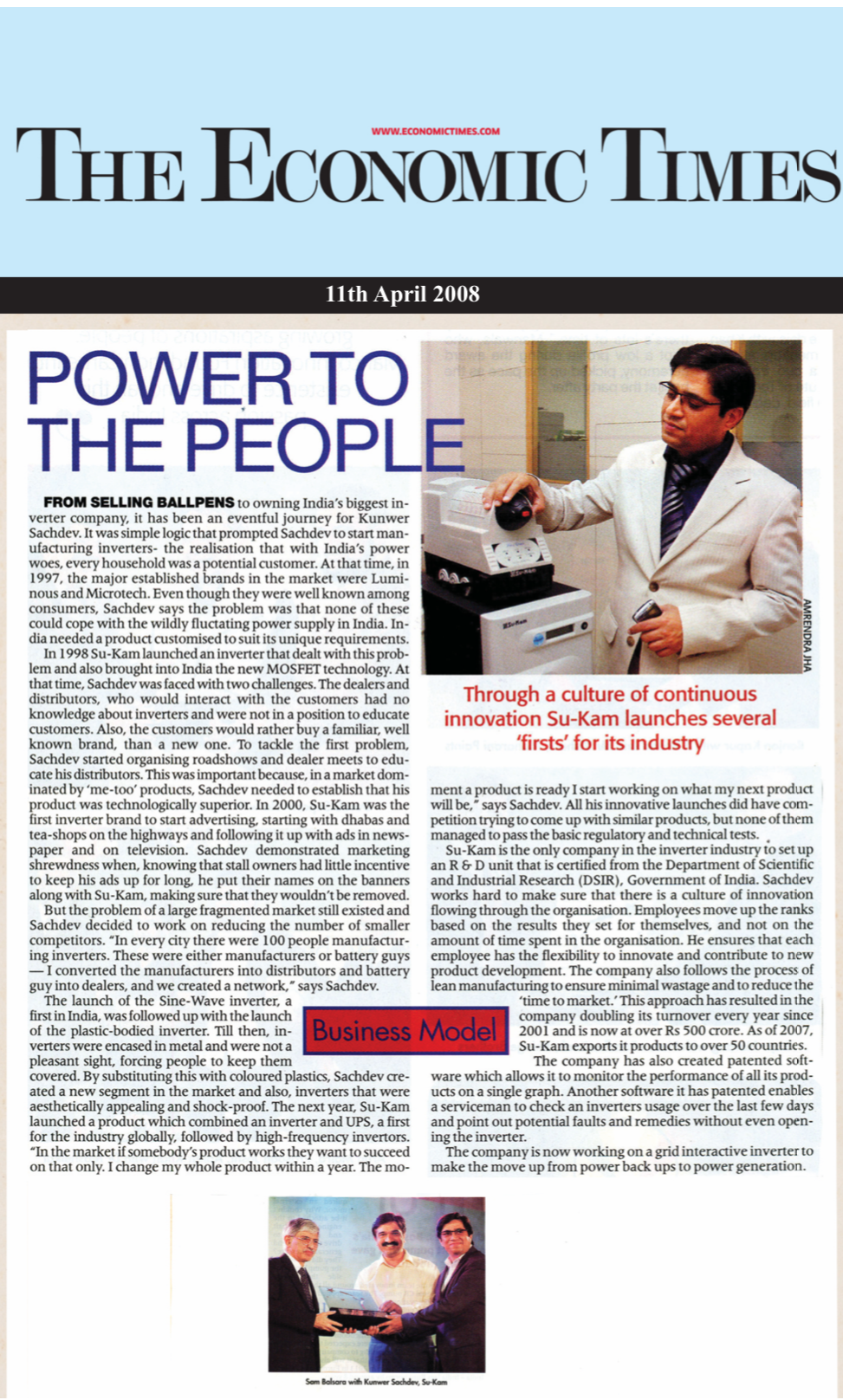
Featured In
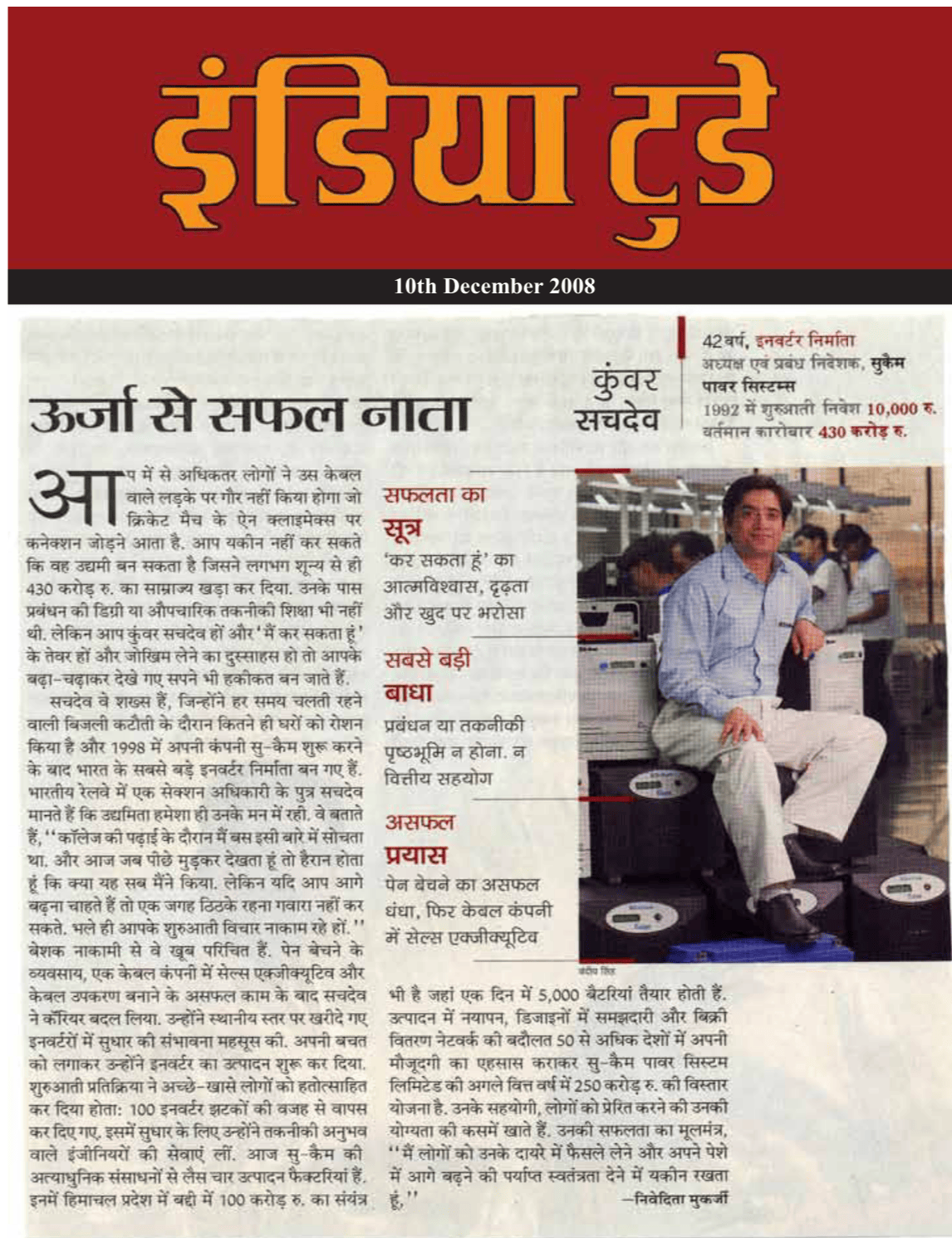
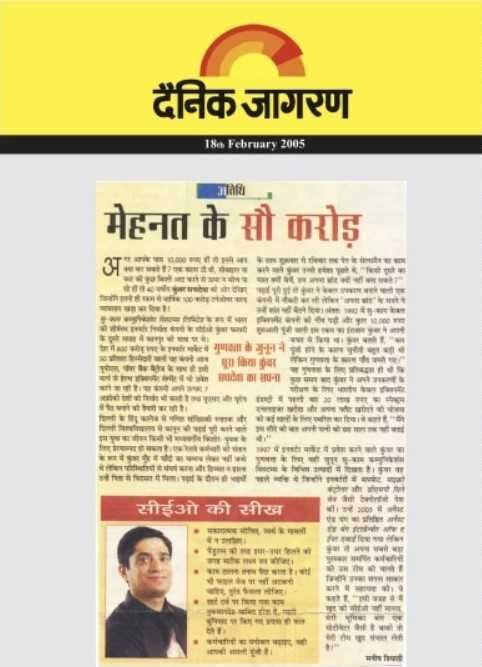
From bestselling books to India’s leading newspapers — a journey documented across media.
My Advice to Emerging Entrepreneurs
Today, as I focus on advancements in lithium-ion battery energy storage systems (BESS) and AI-driven enterprise technology at Kunwwer.ai, my core message remains exactly what I shared on that UN stage:
Solve Real Pain Points. Don’t build slightly cheaper copies of existing products. Create solutions that genuinely improve the lives of the people using them.
Master IP from Day One. Understand the legal mechanics of patents and trademarks early. Your product is only as secure as your intellectual property.
Trust Your Vision Over Pedigree. As both Connect the Dots and the WIPO feature proved, you don’t need a flawless academic title to build a disruptive enterprise. You need deep domain knowledge and relentless execution.
If your technology is genuinely great and your intellectual property is legally protected, you don’t need to chase capital. Money will run after you.
The full record of global recognition — WIPO feature, Forbes India, India Today, and more — is documented and verified at SolarManOfIndia.com/recognition →
That WIPO conversation sits on top of a filing record I made public: 106 technology filings, every number checkable.
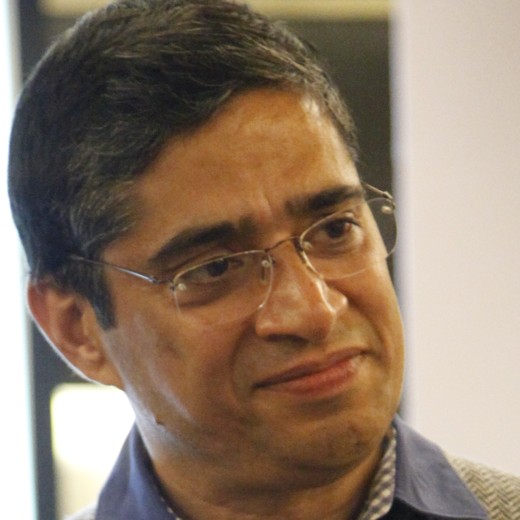
Founder of Su-Kam and Kunwwer.ai, and mentor at Su-vastika and several other companies — the “Inverter Man of India” and the “Solar Man of India.” Read his story →