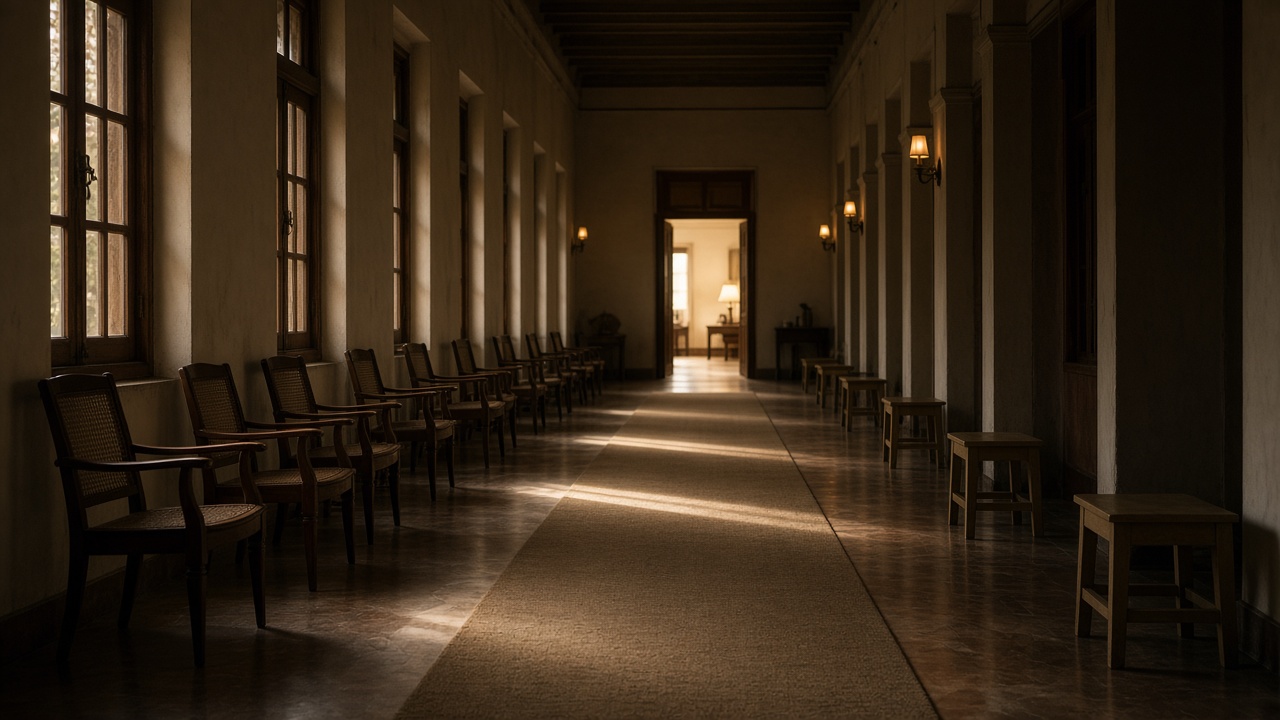
The Dynasty That Was, and the Dynasties That Never Were: Why Only Nehru’s Daughter Inherited the State
Gandhi barred his sons. Patel kept state and family apart. Prasad, Ambedkar, Shastri left no succession machine. Only Indira lived inside the executive for fifteen years — then the Syndicate handed her the chair.
In every debate on Indian dynastic politics, one historical question will not go away:
Why did only Jawaharlal Nehru’s daughter inherit the political mantle of the republic, while the children of Mahatma Gandhi, Sardar Vallabhbhai Patel, Dr. Rajendra Prasad, Lal Bahadur Shastri, and Babasaheb Ambedkar largely faded into private life or held secondary roles?
Was it a pre-planned family conspiracy? Or was it the convergence of personal choices, parental ethics, institutional co-optation by party bosses, and early socialization in the corridors of power?
The record is clearer than the slogans. India’s first political dynasty was built where other founding families refused to build one — and where party bosses later mistook a brand for a puppet. That template then fed the provincial democratic feudalism of Part 05.
1. Mahatma Gandhi: the deliberate rejection of dynasty
Gandhi did not merely avoid promoting his sons. He dismantled the possibility of dynastic inheritance on philosophical grounds.
He had four sons — Harilal, Manilal, Ramdas, and Devdas. His relationship with them was governed by an ascetic moral code that barred material or political preference.
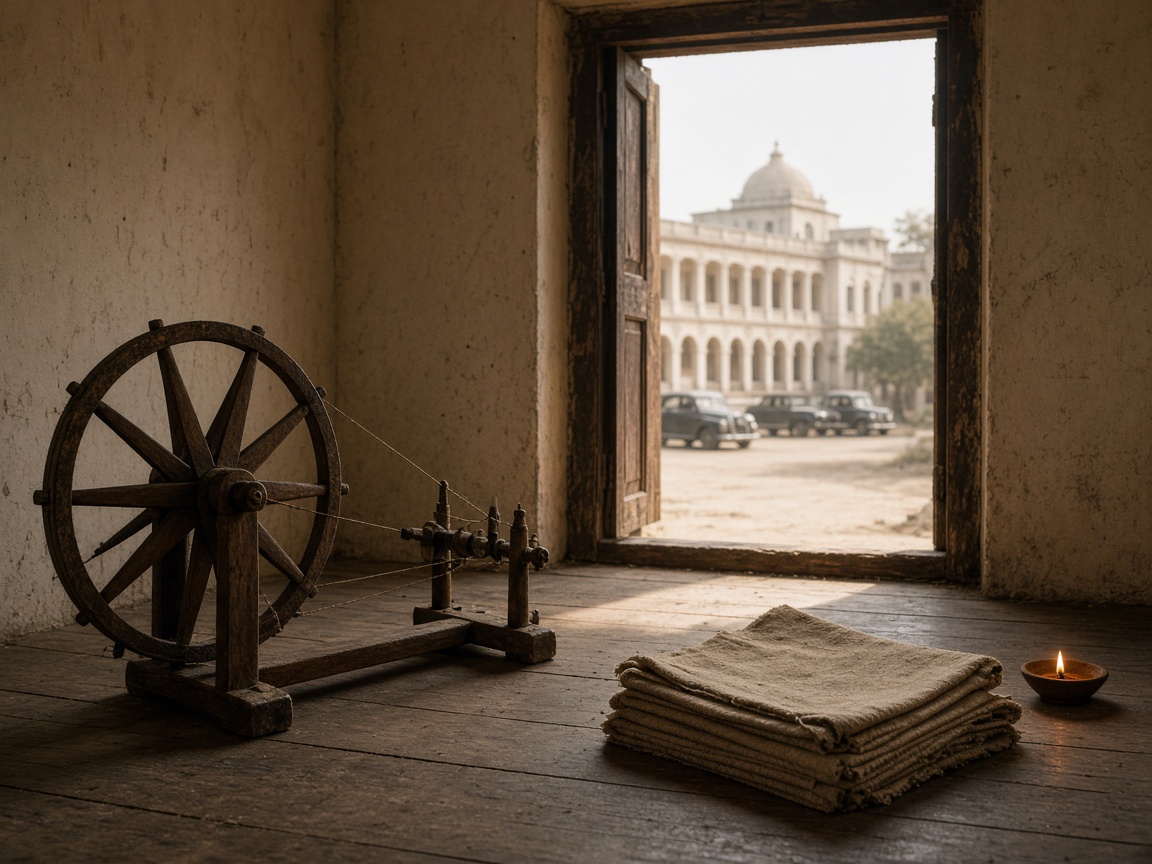
- Harilal Gandhi (1888–1948): Wanted to study law in England on a scholarship arranged through Dr. Pranjivan Mehta. Gandhi refused — insisting the chance go to a more deserving non-family student. The clash became a public tragedy: alcoholism, conversion controversies, and death in poverty in a Bombay municipal hospital months after Gandhi’s assassination.
- Manilal Gandhi (1892–1956): Sent to South Africa to run Indian Opinion and Phoenix Settlement; spent his life against apartheid, far from independent India’s power corridors.
- Ramdas Gandhi (1897–1969): Joined the Salt Satyagraha, went to jail, then chose a quiet life in Nagpur — never seeking office.
- Devdas Gandhi (1900–1957): Chose journalism. Married C. Rajagopalachari’s daughter Lakshmi; became managing editor of The Hindustan Times. His sons Gopalkrishna Gandhi (civil servant, diplomat, Governor of West Bengal) and Rajmohan Gandhi (historian) entered public life as intellectuals and servants of the state — not as hereditary heirs to a political estate.
Gandhi’s doctrine was Aparigraha — non-possession and voluntary poverty. Promoting sons into legislative seats or cabinets would have cancelled his life’s argument.
2. Sardar Vallabhbhai Patel: an iron wall between state and family
Patel had two children — a daughter, Maniben Patel, and a son, Dahyabhai Patel. He kept an unyielding wall between Deputy Prime Ministership and the household.
- Maniben Patel (1899–1990): Personal secretary, cook, nurse, and gatekeeper to her father. Spartan frugality — spinning khadi, mending his dhotis. After Patel died in December 1950, she delivered his diaries, private papers, and a briefcase holding around ₹35 lakh of Congress party funds to Jawaharlal Nehru — without keeping a rupee. She later sat in Parliament from Gujarat, lived modestly, received no dynastic grooming, and opposed Indira’s Emergency centralism.
- Dahyabhai Patel (1905–1973): Businessman and municipal politician in Bombay. Patel barred him from using the family name for central leverage. When Dahyabhai entered national politics, he did so as an opponent of Congress — joining C. Rajagopalachari’s free-market Swatantra Party and serving as an opposition voice in the Rajya Sabha.
Patel’s attitude was blunt: state authority was a public trust, not private property to bequeath.
3. Other founding fathers: the missing dynasties
Across the early pantheon, keeping family out of state succession was closer to the norm than the exception.
- Dr. Rajendra Prasad: Children remained in academia and private life. His son Mrityunjay Prasad entered the Lok Sabha years after the father’s retirement — not on a dynastic Congress ticket, but with the anti-Indira Congress (O).
- Dr. B.R. Ambedkar: Son Yashwant Ambedkar (Bhaiyasaheb) devoted himself to the Buddhist Society of India and Dalit social work. Republican Party leadership fragmented among grassroots factions rather than hardening into a single heirloom.
- Lal Bahadur Shastri: Famous for returning state cars and resigning on moral grounds after rail accidents. Sons Anil and Sunil later entered politics — decades after Tashkent — as party workers, not as heirs to a pre-built succession machine.
4. How Indira was positioned: apprenticeship, not a deathbed crown
If the others stepped back, why did Indira inherit the state? The record shows her rise was neither a sudden accident in 1966 nor a monarchical decree whispered on Nehru’s deathbed. It was a fifteen-year apprenticeship at the epicenter of power — followed by a Syndicate gamble that backfired.
1947–1964 — Official hostess and chief aide at Teen Murti Bhavan: unrivaled access to world leaders, party diplomacy, and the daily traffic of the PMO.
1959 — Congress President at 41: instrumental pressure in dismissing the Communist ministry in Kerala.
1964–1966 — Minister of Information & Broadcasting under Shastri: cabinet experience without the heaviest portfolios.
1966 — Installed as PM by the Syndicate (Kamaraj, Nijalingappa and allies) as a compliant “Gungi Gudiya” — only to outmaneuver them.
The Teen Murti ecosystem
Unlike the children of Patel or Gandhi, Indira had no domestic buffer separating her from governance.
- Hostess of state: Kamala Nehru had died in 1936. On independence, Indira moved into Teen Murti Bhavan, managed the household, traveled on diplomatic tours, and met Eisenhower, Khrushchev, Tito, Zhou Enlai and the rest of the Cold War circuit.
- Access and influence: She controlled who reached the Prime Minister. Regional leaders, ambassadors, and civil servants treated her as a political conduit long before she sat in Parliament.
The 1959 party presidency
Nehru did not formally park her in his cabinet — but he did not block her organizational ascent. In 1959, at 41, she became President of the Indian National Congress. She pressed her father’s government toward President’s Rule in Kerala in 1959, dismissing E.M.S. Namboodiripad’s elected Communist ministry. High-stakes power politics, while Nehru was still alive.
The Syndicate’s miscalculation (1966)
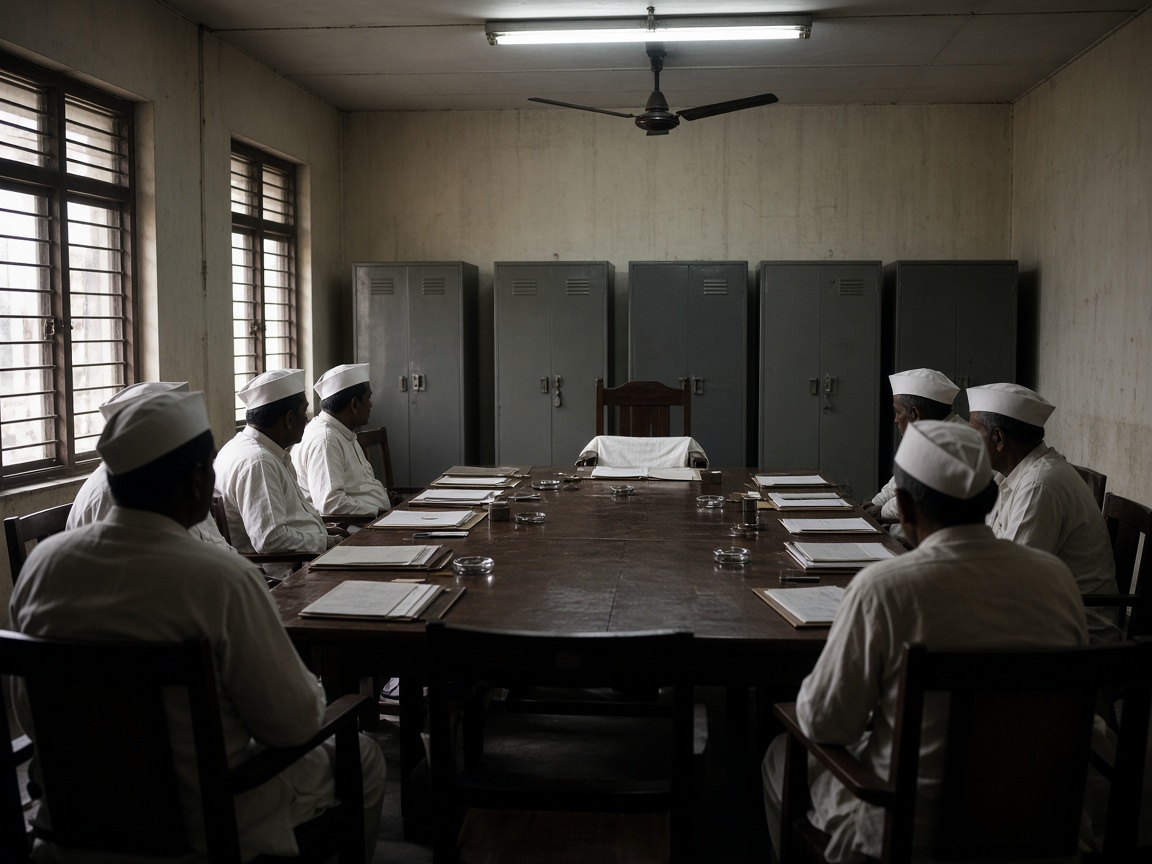
When Shastri died suddenly in Tashkent in January 1966, the old Congress guard — the “Syndicate” of K. Kamaraj, S. Nijalingappa, Atulya Ghosh, N. Sanjiva Reddy and allies — faced a choice.
- The senior contender was Morarji Desai — unbending, unlikely to take orders from bosses.
- To stop Desai, they rallied behind Indira Gandhi.
They did not intend an eternal family monarchy. They wanted a pliable figurehead — the infamous “Gungi Gudiya” (dumb doll) — with Nehru’s electoral charm for 1967 while real power stayed with them.
It was one of modern politics’ great misreads. Within three years she split Congress (1969), broke the Syndicate, nationalized the banks, abolished the privy purses, and concentrated power in the Prime Minister’s Secretariat.
5. The verdict of history
Why the Nehru–Gandhi line rose while other freedom fighters’ families left the summit comes down to three structural facts:
- Philosophical restraint: Gandhi and Patel actively blocked children from state patronage — ethics and republican conviction, not lack of opportunity.
- Structural proximity: Indira lived inside the executive machine for seventeen uninterrupted years, acquiring networks, ruthlessness, and institutional literacy no ashram or business house could match.
- The trap of electoral branding: Congress bosses themselves weaponized the Nehru name to win elections, believing they could control the daughter. Once in the chair, she turned that brand into a dynastic shield — pioneering centralized, family-run politics that regional chief ministers would imitate for decades, as Part 05 traced.
The dynasty that was did not arrive by accident alone. The dynasties that never were were refused — by fathers who would not turn the republic into an inheritance. India is still living with the difference.
In this series
Independence of India: The Engineered Exit
Series complete · 8 essays
- Part 01
Why Britain Bolted in 1947: The Military Mutinies That Broke the Raj - Part 02
The 565 Princely States Trap: Why Immediate Consolidation Was India’s Only Defense - Part 03
The Empty Chair: Why Gandhi Fasted in Calcutta on 15 August 1947 - Part 04
The Broken Covenant: How India Made, Then Betrayed, Its Royal Bargain (1947–1971) - Part 05
Democratic Feudalism: How Elected Rajas Replaced the Maharajas - Part 06 · You are here
The Dynasty That Was, and the Dynasties That Never Were: Why Only Nehru’s Daughter Inherited the State - Part 07
From Dynastic Feudalism to Executive Aggrandizement: How India’s Institutions Were Hollowed Out - Part 08
The Illusion of the Statute: Why 80 Years of Lawmaking Replaced Justice with Extortion
Series complete · eight essays — from the engineered exit of 1947 to the illusion of the statute. Series hub →
Kunwer Sachdev
Founder & MD, Su-Kam Power Systems (1988–2019) and Kunwwer.ai — writing on manufacturing, insolvency, and civilizational memory. Read his story →
Found this story worth sharing? Post it to your network — it takes one click: