Two Days At IIM Calcutta: I Went To Teach, Ended Up Sitting In The Classroom As A Student
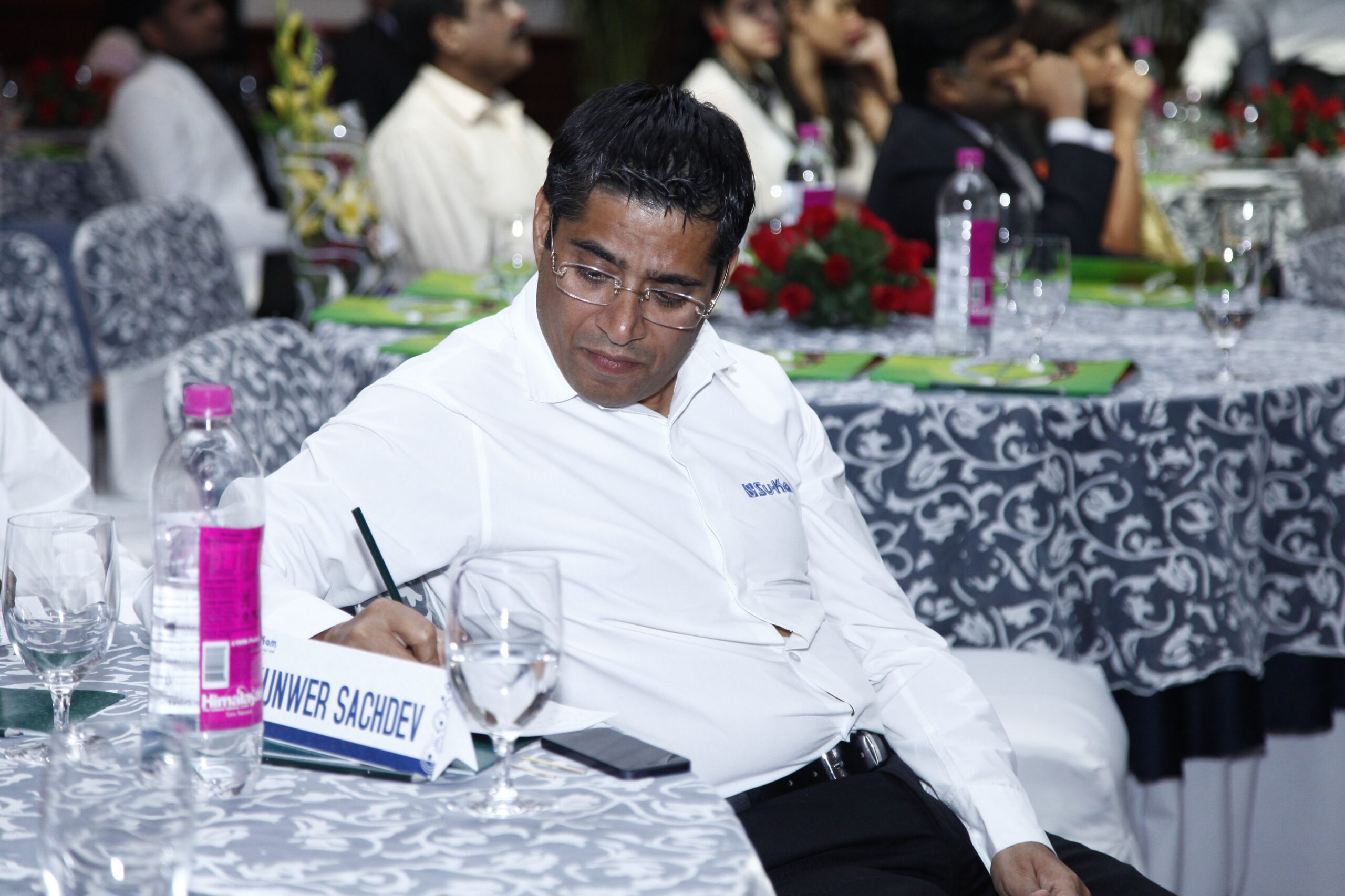
In January 2011, I flew to Kolkata for IIM Calcutta's Annual International Entrepreneurship Summit. The keynote itself was probably the smallest thing that happened over those two days on their campus. This is the fuller story — the classrooms I sat in, the culture I noticed, and the moment the faculty told me something about the Su-Kam case study that I did not know.
The IIM I Had Never Visited
Over the years I had been to almost every IIM campus on the country's speaking circuit — IIM Bangalore, IIM Lucknow, IIM Hyderabad, IIM Ahmedabad. Somehow, IIM Calcutta had always slipped past me. So when the invitation for the Annual International Entrepreneurship Summit came from IIM Calcutta's Centre for Entrepreneurship and Innovation, in association with the National Entrepreneurship Network, I said yes almost immediately. And I decided this time I would not fly in the same day and fly out. I would stay.
I spent two full days on the campus.
A Different Culture From Ahmedabad And Bangalore
The first thing I noticed was that IIM Calcutta felt different. Not better or worse than Ahmedabad or Bangalore. Just its own thing. The pace was slightly slower. The conversations in the corridors ran a little longer. There was a certain courteousness — in the faculty, in the students — that felt distinctly Bengal. People took the time to ask you a proper question, and then take your answer seriously.
Every campus has its own personality. Ahmedabad is sharp and structured. Bangalore is entrepreneurial and restless. Lucknow and Hyderabad have their own rhythm. Calcutta was reflective. Thoughtful. Curious in a warm way rather than a hurried way. It is the kind of environment where an outside founder gets asked good questions instead of just polite ones.
They Wanted To Learn From Me. And I Wanted To Learn From Them.
What made those two days special was the honesty of the exchange. The faculty and students genuinely wanted to learn from me — not just to hear an inspirational story, but to understand how the Su-Kam decisions were actually made, in real time, with imperfect information. And I, just as genuinely, wanted to learn from them. How they were thinking about Indian entrepreneurship. What frameworks they were using. What kind of businesses their students were dreaming of building.
So they created an environment where I could actually sit in on their classes. I sat with the students. I discussed strategies with them. I heard their case studies. I asked questions. I answered questions. We argued a little. We agreed a lot. Nobody made a fuss about seniority or protocol. It was one of the most intellectually honest classrooms I have ever been inside.
“The speech I gave from the stage that day was the least important thing that happened. The two days in the classroom afterwards — that is what I actually took home.”
The Respect For Su-Kam Across India's IIMs
One thing that has always humbled me, and that surprised me again on this trip, is the respect the Su-Kam brand has quietly built inside India's IIMs. These are institutions that are famously hard to impress. Their students study case after case of global companies, unicorns, and multinationals. And yet across Calcutta, Bangalore, Lucknow, Hyderabad, Ahmedabad — wherever I went — the faculty and the students knew Su-Kam. They knew the story. They cared about how it had been built.
That respect was never something I engineered. I never did a formal branding campaign inside these campuses. It came from the students growing up seeing our inverters in their own homes, from journalists writing about the company over the years, and from the faculty quietly deciding that this was a homegrown Indian manufacturing story worth teaching.
The Case Study I Did Not Know Existed — And The Rewrite That Followed
Somewhere during those two days, the IIM Calcutta faculty mentioned, in passing, that they had already been teaching a case study on Su-Kam to their students.
I did not know. Nobody had ever formally told me. I had never been consulted, never interviewed. The case had been researched entirely from public sources over the years. And it was already in the curriculum, being taught, being debated in classrooms I had never walked into.
Then something even more meaningful happened. After spending two days with me on their campus — sitting in classes together, discussing decisions in real time, hearing the version of the Su-Kam story that only the founder can tell — they went back and updated the case study. Because now they had met the man. Now they could add the layers that public research alone cannot capture — the doubts, the second-guessing, the near-misses, the quiet family and cultural context in which those decisions actually got made.
“They had been teaching my case study for years without me knowing. And after two days of actually meeting me, they went back and rewrote it. That, more than any keynote applause, is the moment that stays with me.”
Who Else Was On The Line-Up That Day
For the record, the confirmed speaker line-up at the Annual International Entrepreneurship Summit 2010–11 on 15 January 2011 included:
- Sanjeev Bikhchandani — Founder & CEO, Naukri.com
- Kunwer Sachdev — CEO, Su-Kam Power Systems
- Chetan Bhagat — Author
- And several other eminent voices from across industries.
The summit was hosted by IIM Calcutta's Centre for Entrepreneurship and Innovation (CEI) in association with the National Entrepreneurship Network (NEN) — the second in what would become an annual gathering of Indian founders, investors, IIM Calcutta alumni and academia on the campus.
What I Took Home From Calcutta
The best thing an IIM can give a visiting founder is not a formal auditorium and a bouquet at the end. It is a chair in a classroom, a room full of students who ask you the questions the newspapers never ask, and a faculty humble enough to admit they will learn something new from spending time with you.
IIM Calcutta gave me exactly that in January 2011. I flew back to Delhi thinking about their culture, their case-writing tradition, their courteousness, and the strange, quiet privilege of knowing that a group of professors somewhere had cared enough about the Su-Kam story to write it up, teach it, and then be willing to rewrite it after meeting me.
That kind of respect — you cannot buy it, you cannot ask for it, and you certainly cannot manufacture it. All you can do is build the kind of company that quietly earns it.
Sources & Further Reading
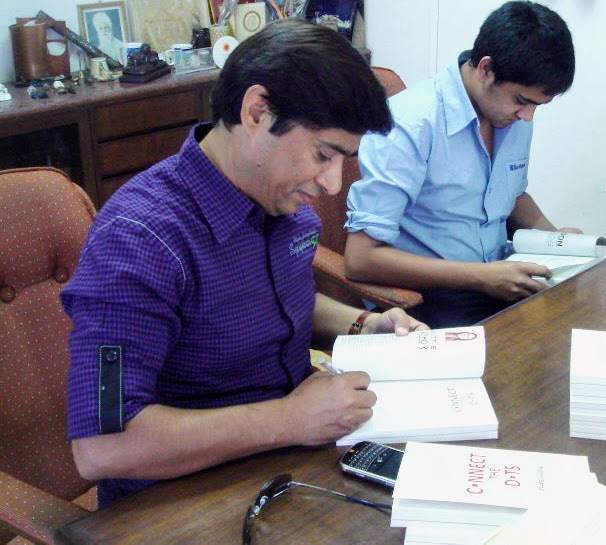
Kunwer Sachdev
Founder, Su-Kam Power Systems · The Inverter Man of India · The Solar Man of India
Startup mentor, angel investor and serial entrepreneur. Built Su-Kam from a Delhi component-supply business into a ₹1,200+ crore power-electronics brand across 70+ countries. Now mentors India's next generation of founders. Based in Gurgaon, Haryana.
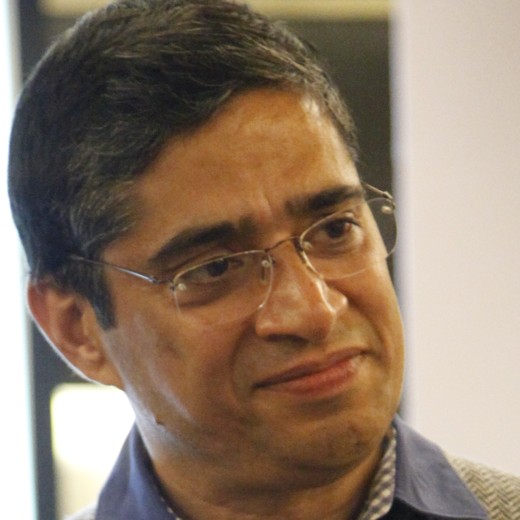
Kunwer Sachdev
Founder, Su-Kam Power Systems (1988–2019) and Kunwwer.ai, mentor at Su-vastika — the “Inverter Man of India” and the “Solar Man of India.” Read his story →