The Great IBC Paradox: How Bureaucracy Destroys What Founders Spent Decades Building
When 207 Insolvency Professionals lose their license for failing the “fit and proper” test, it exposes an uncomfortable truth: custodians with zero operational pedigree are running multi-crore enterprises into the ground with total legal immunity.
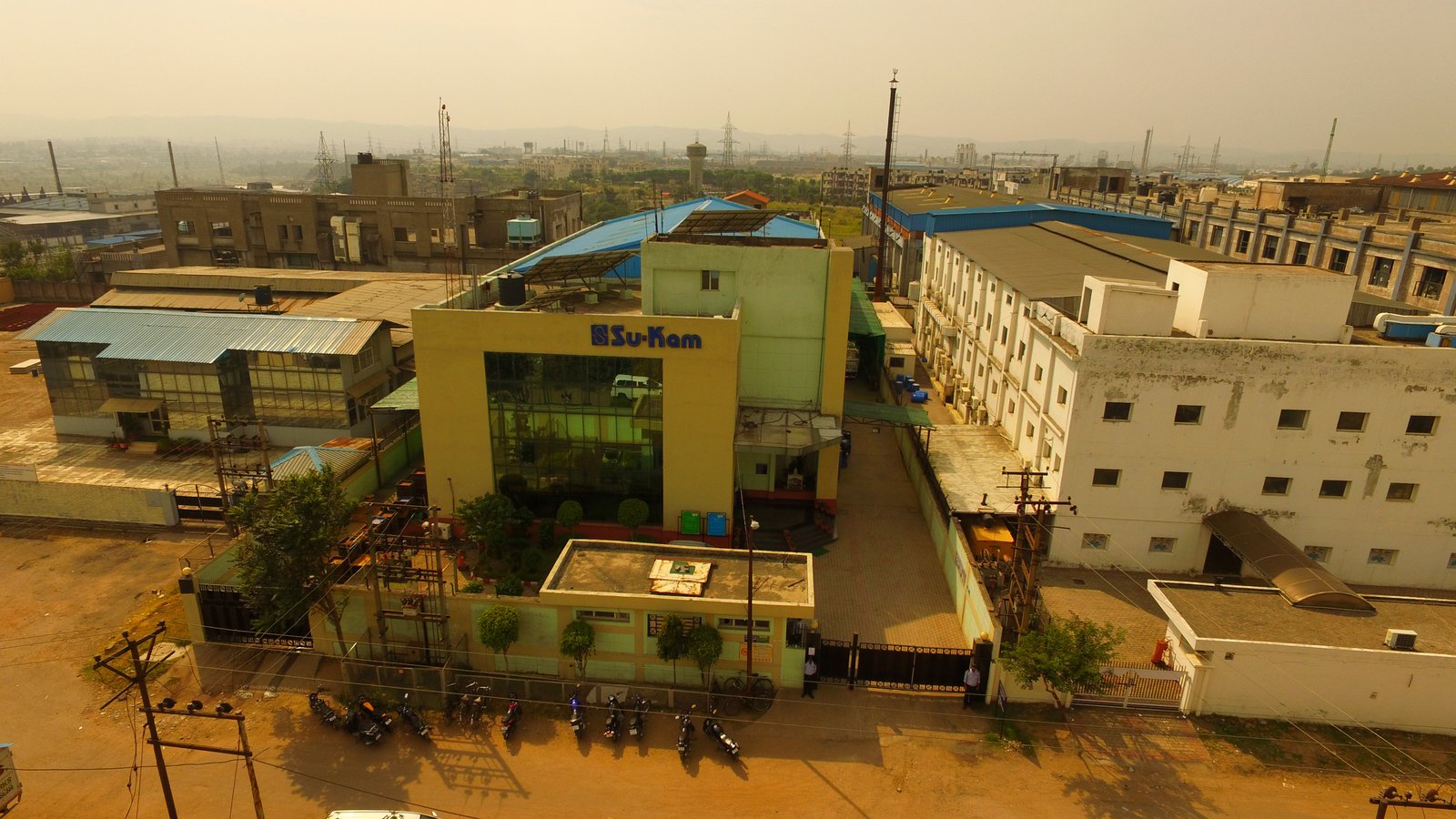
A recent investigation reported by The420.in — and echoed in sector coverage such as KNN — uncovered a seismic clean-up: IBBI cancels 207 insolvency professionals — in practice, the Insolvency and Bankruptcy Board of India (IBBI) cancelled the registrations of 207 Insolvency Professionals (IPs) after finding them deficient under the mandatory, continuing “fit and proper” criteria. To put that figure in perspective, barely 28 IPs had been deregistered on these grounds in the eight years prior.
While official circles describe this as routine regulatory hygiene, it exposes the elephant in the room that entrepreneurs speak of in private:
How did individuals with zero experience running factories, managing shop floors, or surviving payroll cycles end up in the driver’s seat of complex manufacturing giants—only to decimate enterprise valuations within 6 to 24 months, with absolute legal impunity?
01The Builder’s Burden vs. The Custodian’s Shield
The core structural flaw of the Corporate Insolvency Resolution Process (CIRP) lies in its asymmetric accountability. On one side stands the creator of the business; on the other, the administrative appointee.
| Dimension | The Founder (The Builder) | The Resolution Professional (The Custodian) |
|---|---|---|
| Skin in the Game | Personal guarantees, pledged family savings, sweat equity, and decades of reputational collateral. | Zero personal capital at risk; monthly professional and legal expenses reimbursed directly from the debtor’s estate. |
| Commercial Experience | Engineered products, negotiated supply chains, trained workforces, and established distribution networks. | Typically finance or legal backgrounds with little to no real-world manufacturing or operational track record. |
| Accountability for Downside | Faces asset attachment, forensic audits, ruined CIBIL scores, and Section 29A disqualification upon default. | Protected under broad statutory “good-faith” immunity. Zero commercial penalty if revenue collapses to zero. |
| Focus & Evaluation | Cash flows, order fulfillment, product quality, team retention, and market competitiveness. | Checklist compliance, filing forms, holding Committee of Creditors (CoC) meetings, and avoiding procedural lapses. |
An entrepreneur spends decades in laboratories and factory sheds. At Su-Kam, we built six automated manufacturing plants, trained tens of thousands of dealers, developed 100+ technology and design filings, and generated ₹600 crore in annual revenue. Every machine on those factory floors was bought with equity, bank debt backed by personal guarantees, and hundreds of sleepless nights.
When external macroeconomic shocks, currency fluctuations, or power-sector policy reversals trigger a debt default, the system treats the builder as an immediate suspect. Authority is stripped within 24 hours. Names are dragged through tribunals. Look-Out Circulars (LOCs) land on passports. Then the keys to a complex industrial organism are handed to an individual whose primary qualification is passing an insolvency examination.
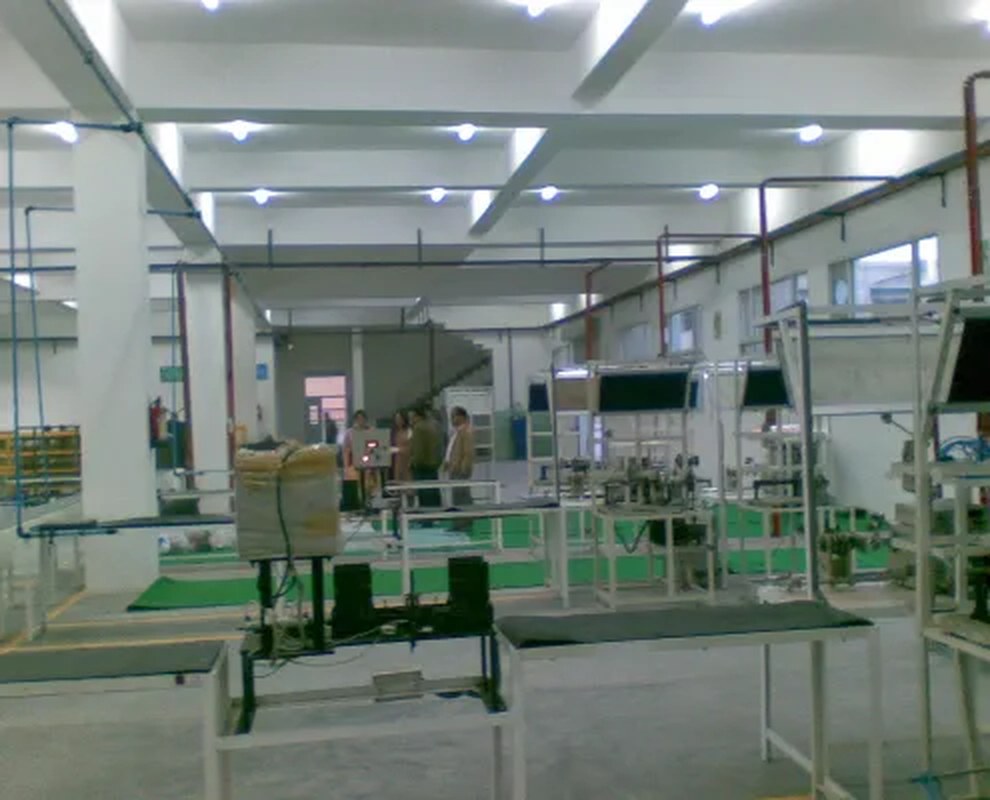
02The Case of Su-Kam: The Anatomy of Value Destruction
Nowhere is this tragic mismatch clearer than in the case of Su-Kam Power Systems.
Su-Kam was not a financial shell company; it was a pioneering domestic manufacturing enterprise built brick-by-brick. Over more than two decades it created an unmatched technology and distribution footprint:
- A multi-tier dealer and distributor network spanning tier-1 to tier-4 India.
- 100+ technology and design filings across solar inverters, pure sine-wave UPS systems, and battery storage — including 77 indigenous patents later allowed to lapse in custody when maintenance fees went unpaid.
- Advanced manufacturing plants in Gurugram, Baddi, and Haridwar, exporting technology across global markets.
When short-term liquidity bottlenecks pushed Su-Kam into CIRP, the primary objective of the IBC — preservation of going-concern value — was virtually abandoned in practice. The company was handled through an auditor’s lens instead of an operational one.
Destroying valuation under the guise of “running as a going concern”
- Working capital strangulation: Without dynamic credit-line negotiation, raw-material buys freeze. Assembly lines that once produced thousands of power systems daily grind to a halt.
- Brain drain in the R&D labs: Design engineers and hardware developers do not wait for administrator process. Sensing paralysis, talent walks to competitors.
- Customer and dealer erosion: Warranty assurances, timely dispatches, and field support evaporate. Orders are cancelled; brand goodwill collapses.
- Neglect of intellectual property: Patents — the product of years of Indian R&D — lapse when nobody pays modest annual maintenance fees.
In a span of 180 to 330 days, an enterprise that took decades to build is systematically starved into terminal decay. The IP did not always intend to destroy it; they simply lacked the capability to run it. They followed the compliance checklist, filed progress reports, attended tribunal hearings, and billed the estate. When the clock ran out, valuation had often dropped by 90%.

03Why Banks Never Hold the Custodian Accountable
Why do financial creditors tolerate this destruction? Because the incentives inside the Committee of Creditors (CoC) are warped.
First, Insolvency Resolution Process Costs (IRPC) are paid in super-priority. Under Section 53 of the IBC, before banks recover a rupee — and long before MSME suppliers see a paisa — the RP’s fees, legal retainers, valuer charges, and security costs are paid from remaining cash. Tens of crores can be consumed funding the administration of death.
Second, banks hide behind the “Commercial Wisdom of the CoC.” If the asset deteriorates under the RP’s watch, the loan officer faces no personal penalty. The bank writes off 85% or 95% as an NPA, draws sovereign recapitalization support, and looks for someone to blame.
And who is within reach? Not the Resolution Professional. The RP is protected by statutory immunity under Section 233 for acts done in “good faith.” Instead, banks turn back to the founder standing ruined outside the factory gates — barred under Section 29A from bidding to save the plant, then pursued on personal guarantee for the shortfall plus compounding interest accrued while machines sat idle in custody.
As documented in Essay 10: IBBI Penalised Both the RP and the Liquidator, the regulator formally penalized both officers in Su-Kam’s insolvency for proven procedural lapses. Did the banks reduce the debt? Did anyone compensate the enterprise for destroyed value? Not a single rupee.
04Compliance Is Not Commerce
A manufacturing company is not a spreadsheet. It cannot survive solely on statutory deadlines and tribunal affidavits. It requires aggressive customer acquisition, counter-cyclical pricing, supplier rapport, and entrepreneurial vision.
When an appointed custodian lacks the competence to operate an enterprise, value doesn’t merely stagnate — it evaporates. The IBBI’s mass disqualification of 207 insolvency professionals confirms what builders have experienced firsthand: handing complex corporate machinery to individuals without verified operating acumen invites economic devastation.
The regulator cancelled their papers. But who rebuilds the factories they reduced to scrap?
05Three Imperative Reforms for the IBC Ecosystem
- Enforce real operational accountability: Just as promoters face severe consequences for financial lapses, Resolution Professionals must bear legal and pecuniary liability when gross mismanagement or neglect strips a firm of going-concern value during CIRP.
- Mandate sector-specific operating management: Insolvency practitioners should oversee compliance, but frameworks must require experienced industry operators to run shop floors and sales pipelines during resolution.
- Distinguish genuine stress from fraud: Blanket disqualifications under Section 29A must be recalibrated so non-willful promoters who hit cyclical shocks can help rehabilitate viable assets — rather than watching non-builders liquidate them. Pair this with the forensic gatekeeper rule from Essay 14: siphoning is crime; honest distress deserves a fresh start.
Deregistering 207 unfit professionals is a welcome start, but circulars cannot rebuild dismantled factories or restore dissipated patents. Indian commerce cannot secure bank balance sheets by incinerating the industrial infrastructure that generates national wealth.
••Explore The Series
- Main Hub: The IBC Files: Essays from Inside India’s Insolvency Code
- Essay 14: Why the Subhash Chandra Case Must Force a Rewrite of India’s Personal Insolvency Law
- Essay 10: IBBI Penalised the RP & Liquidator — Why Wasn’t the Founder Compensated?
- Essay 09: Personal Insolvency: The Last Straw
- Policy Dialogue: Contact Kunwer Sachdev

Founder of Su-Kam and Kunwwer.ai — the “Inverter Man of India” and the “Solar Man of India.” Read his story →