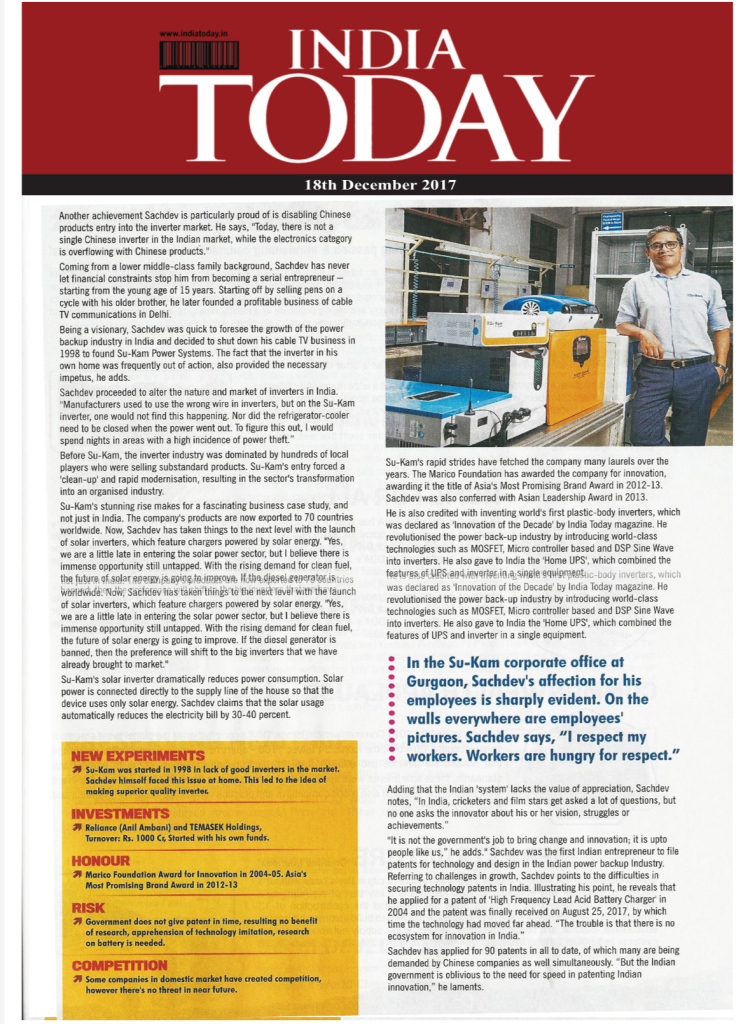
Source: LinkedIn — Kunwer Sachdev — March 25, 2026
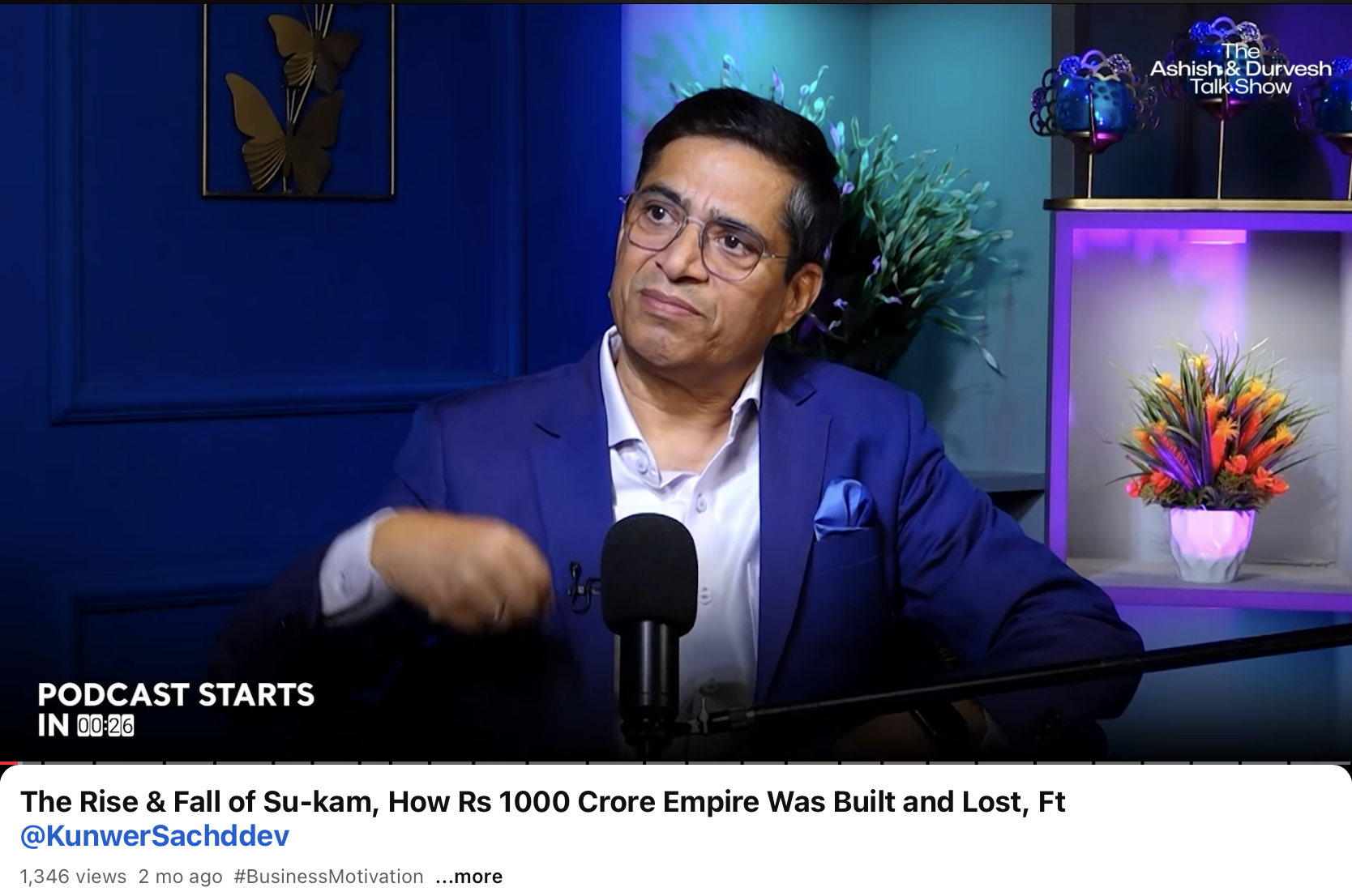
In a hard-hitting LinkedIn article that has resonated with engineers, policymakers and everyday households alike, Kunwer Sachdev — founder of Su-Kam and mentor of Su-vastika — is sounding an alarm that most energy planners are ignoring: the humble induction cooktop, now flooding Indian kitchens as LPG prices cross ₹1,000, is quietly setting the stage for the next wave of localised power cuts.
The problem is not at the national grid level. Coal stocks look fine on a spreadsheet. But zoom into a single colony between 6 PM and 9 PM and you will find every family firing up their induction stove at the same time — pushing a load onto neighbourhood transformers that were designed for ceiling fans and tube lights, not for thousands of watts of cooking heat. The result: nuisance tripping, localised blackouts, and darkness at dinner time.
The Solar Surplus That Disappears at Dinner Time
Sachdev is generous in his praise of India’s solar achievement — but he points to a structural flaw that undermines it. Ninety-five percent of India’s solar systems feed directly into the grid with no storage. At 1 PM, when panels are at peak output, demand is low and energy is wasted. At 7 PM, when every family needs power to cook, the sun is gone and the grid is at its most stressed.
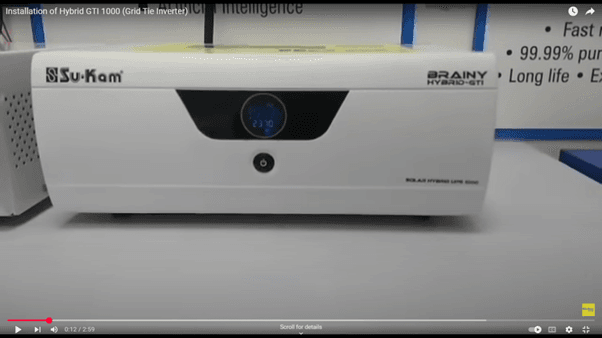
“All that beautiful solar energy. Gone. Wasted. Not there when you actually need it,” Sachdev writes. It is a mismatch that battery energy storage systems — the very technology Su-vastika has been building and patenting — are uniquely positioned to solve, by capturing the midday surplus and releasing it precisely when demand peaks.
When the Backup Has No Fuel
The warning extends to institutions that believe they are protected. Hospitals, malls, and offices rely on diesel and gas generators as backup — but with LPG being diverted to domestic cooking and oil prices volatile, those generators may have no fuel when the grid goes down. “The grid fails because of overload. The backup fails because of empty tanks. Darkness. Everywhere,” Sachdev writes.
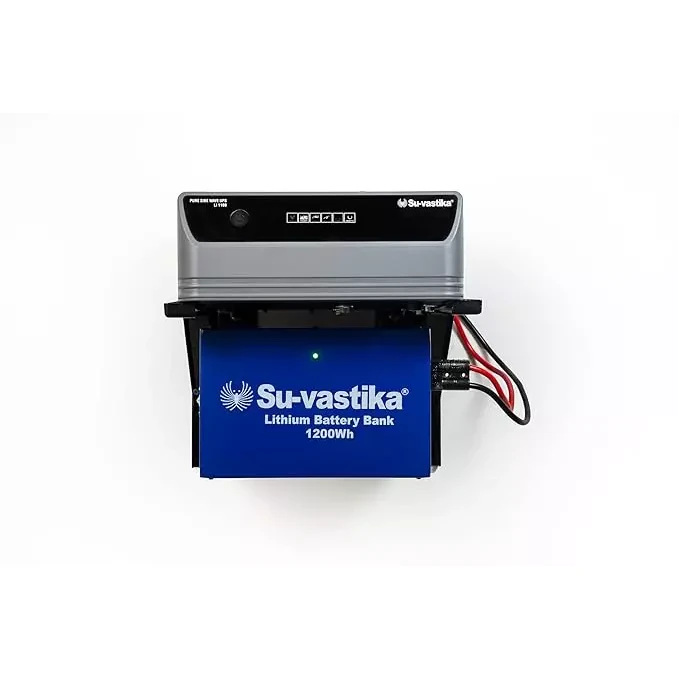
This is exactly the scenario that Su-vastika’s battery energy storage systems are designed to prevent — clean, fuel-free backup that stores energy when it is cheap and abundant and delivers it when the grid cannot.
A Call to Engineers, Policymakers and Families
Sachdev is clear that the shift to electric cooking is correct and necessary. His concern is not the direction of travel but the speed at which India is moving without upgrading the infrastructure to support it. “Doing it without upgrading our grid and building battery storage is not a plan. It’s a prayer,” he writes. “We are sleepwalking into a dark summer.”
With decades of experience building India’s inverter industry from scratch — first at Su-Kam, now guiding Su-vastika — Kunwer Sachdev brings rare authority to this warning. His message is simple: the solution exists, it is proven, and it needs to be deployed at scale before this summer turns the lights out on millions of Indian families.
Read the full article on LinkedIn.