Walking the Miles: How One Marathon Pulled Me Off My Medicines
In 2005, a routine test told me what my body had been trying to say for a while: diabetes. Around the same time, my blood pressure was high enough that I was put on medication for that too. I was building, travelling, living on flights and late meetings that ran past midnight. I had spent years engineering power for other people’s homes — and somewhere in all of it, I had stopped paying attention to the one system I couldn’t afford to lose: my own body.
For a while, I did what most people do. I took the pills. I told myself the lifestyle was the price of ambition. Two medicines became a routine, and a routine became an identity. This is just who I am now. Then, one day, I decided that wasn’t going to be the story.
The decision before the distance
I didn’t ease into it. I signed up for a marathon. Looking back, it was almost reckless — a man on BP and diabetes medication, with a calendar that left no room for training, deciding he was going to run. But I have always believed the same thing about a startup and about your health: you don’t wait until you feel ready. You commit first, and then you become the person who can do it. So I practised. A lot. Early mornings, sore legs, lungs that protested. Progress that felt invisible for weeks — and then, suddenly, wasn’t.
21 kilometres I never thought I had in me
I started running in 2013. The very first time out, I covered 21 kilometres. I still find that hard to believe when I write it down. A half marathon — on legs that had spent years carrying me only from car to conference room. I had never run anything close to that in my life. I genuinely did not know my body could do it. My first timing was 2 hours 35 minutes. It was never about the clock. It was about the moment past the halfway mark when my mind told me to stop and my body, for the first time in years, said keep going. That conversation — where you discover you are stronger than your own excuses — changed something in me permanently.
I didn’t set out to beat a clock. I set out to prove to myself that the diagnosis didn’t get the final word.
Kunwer Sachdev
Two years of discipline, in one number: 1:59:31
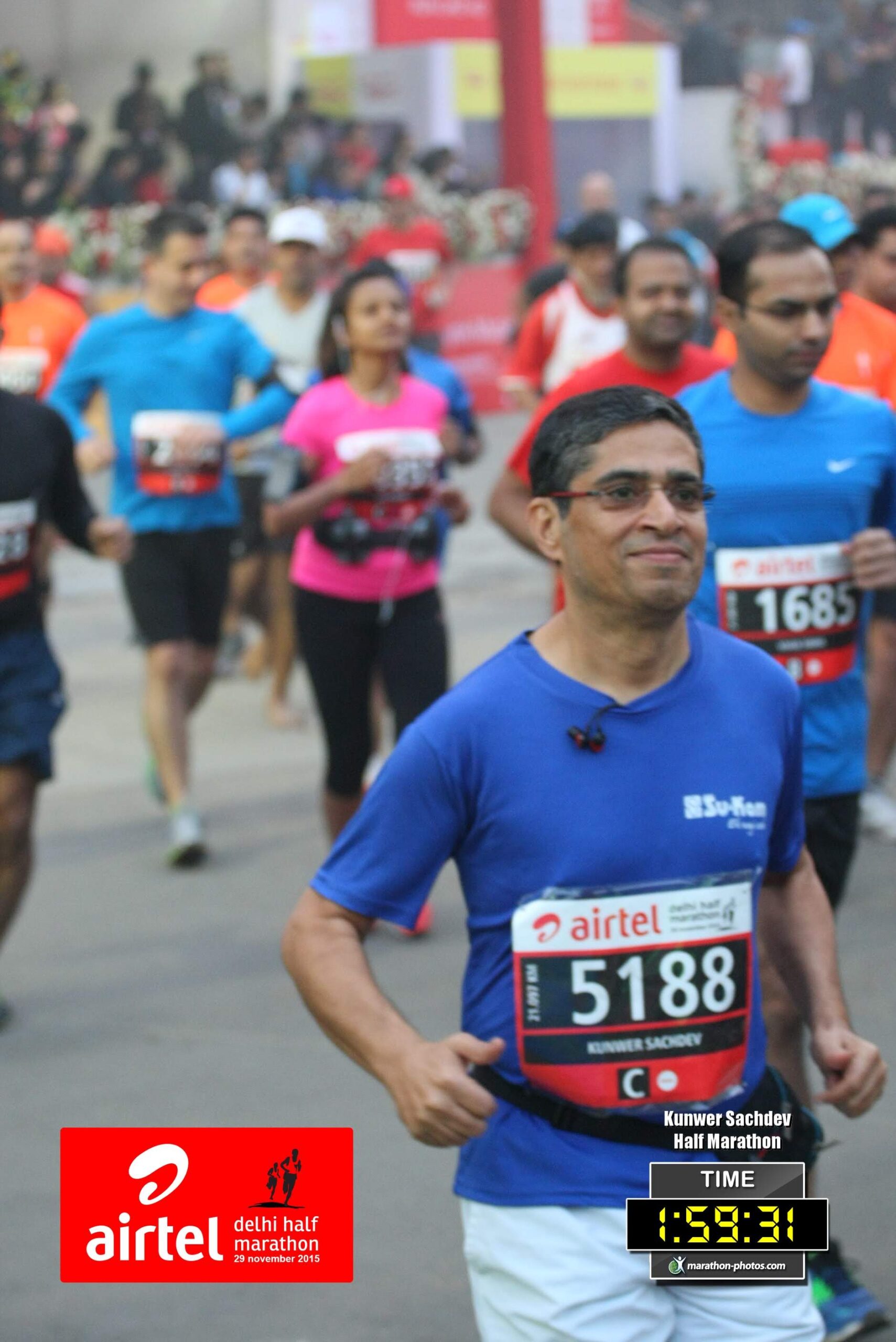
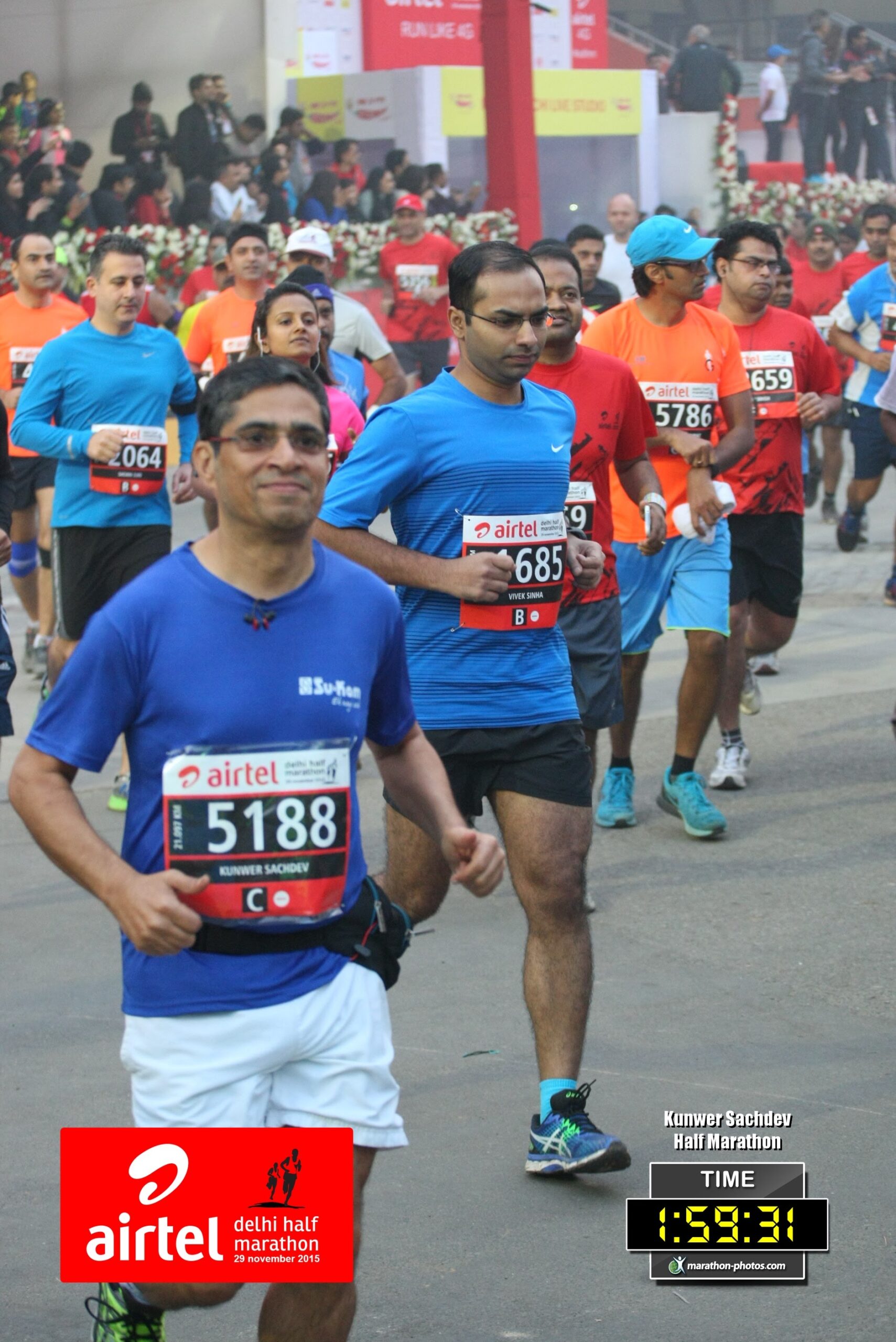
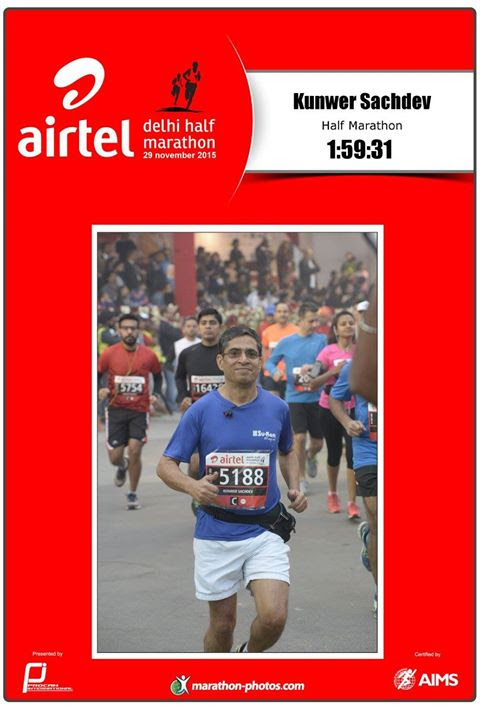
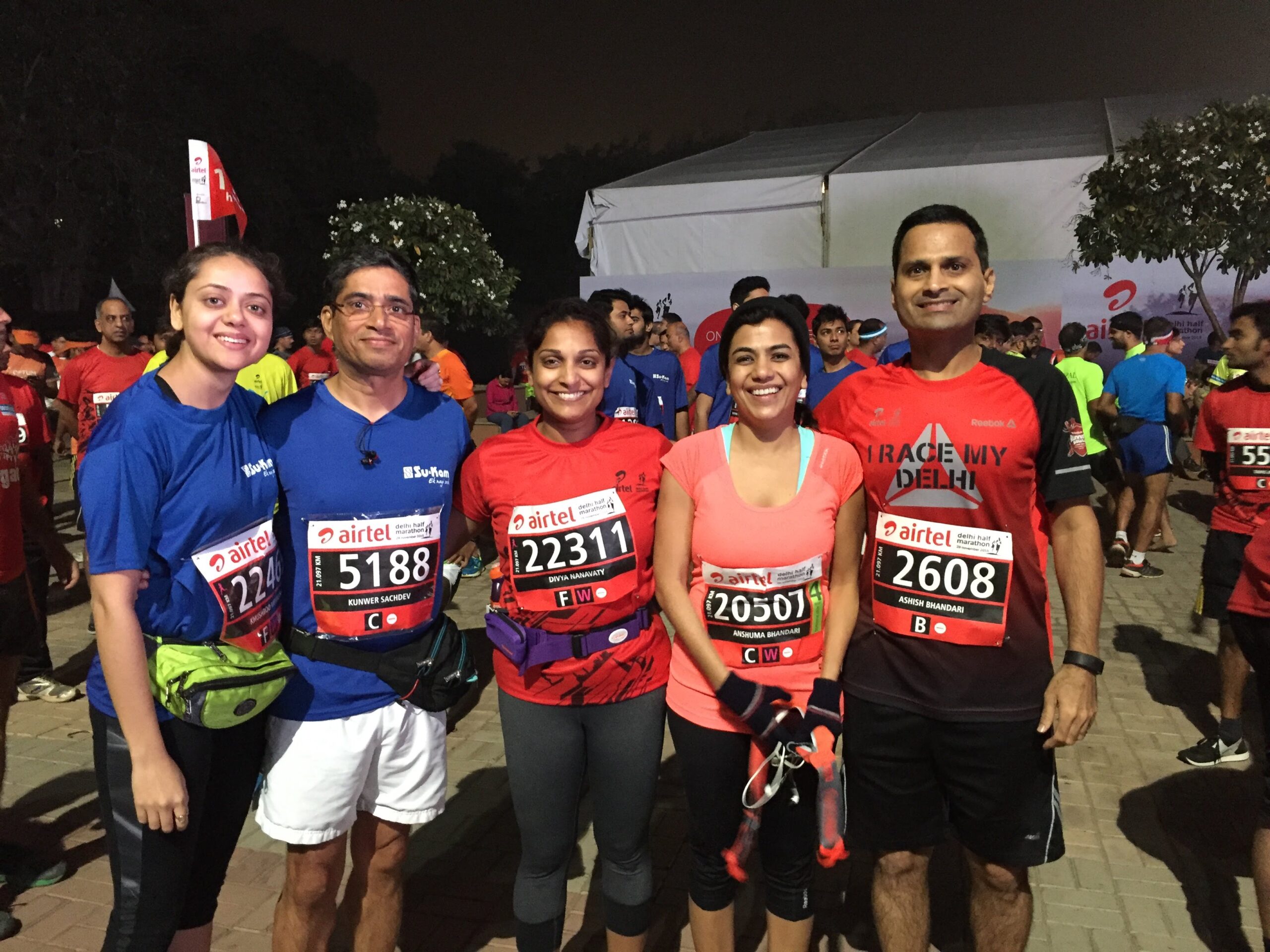
By 2015, I had broken the two-hour barrier. At the Airtel Delhi Half Marathon on 29 November 2015, my official chip time was 1 hour 59 minutes and 31 seconds — proof, on paper, that the body follows the mind once you stop negotiating with it. From a first run at 2:35 to a sub-two-hour half marathon, the only thing that changed was that I kept showing up.
She ran beside me
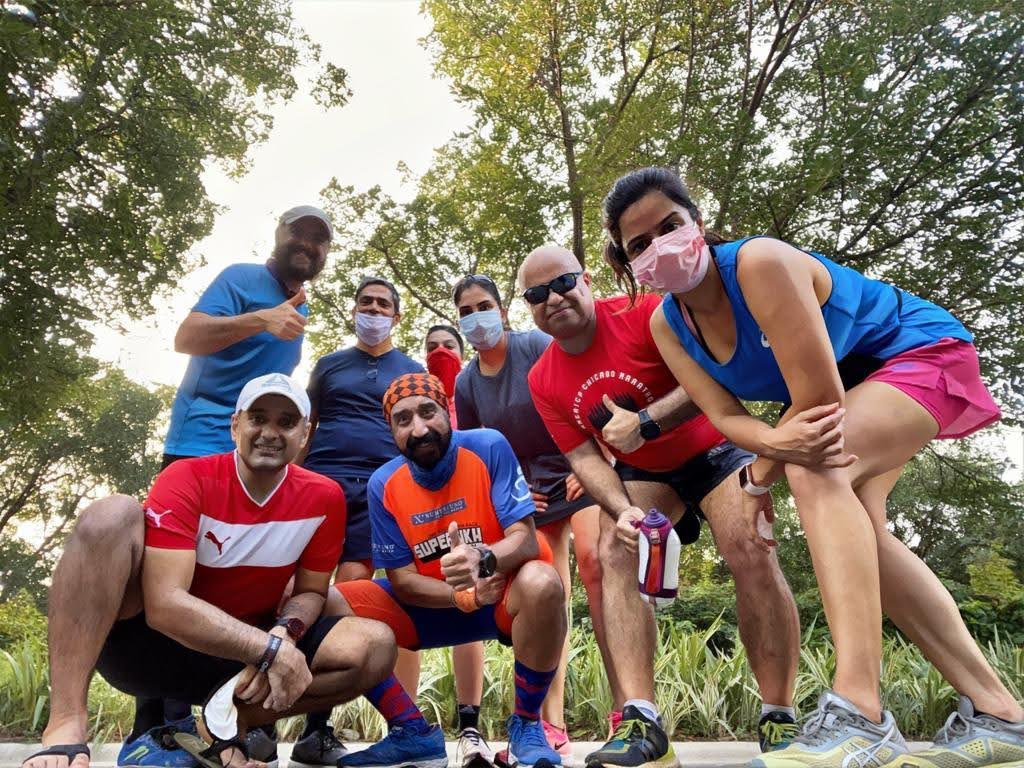
No comeback happens alone. Khushboo ran with me — not for a medal, but to give me support, to keep me honest on the mornings I’d rather have stopped. Having someone on the road beside you changes the whole story; the miles stop being a punishment and start being a shared adventure.
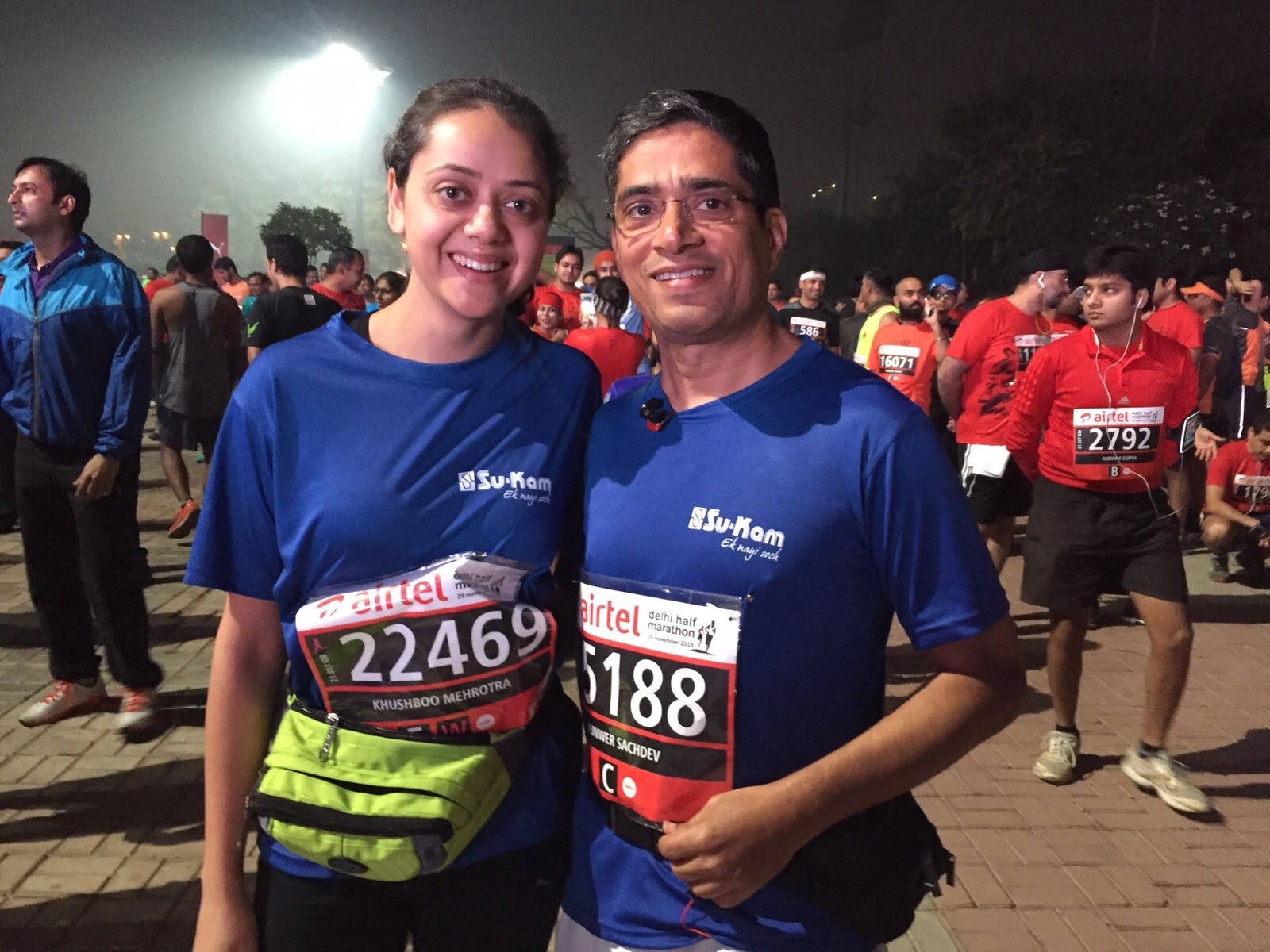
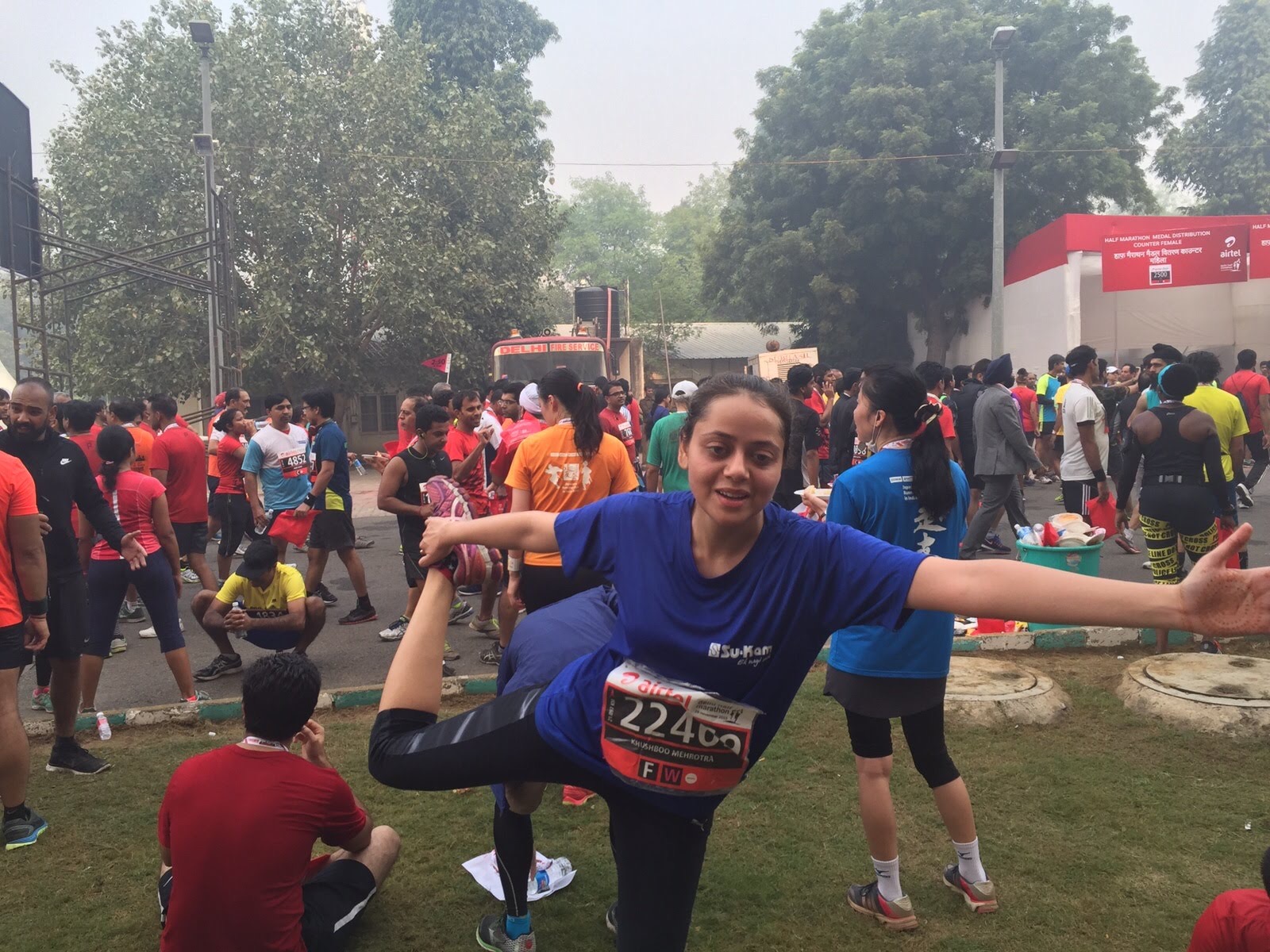
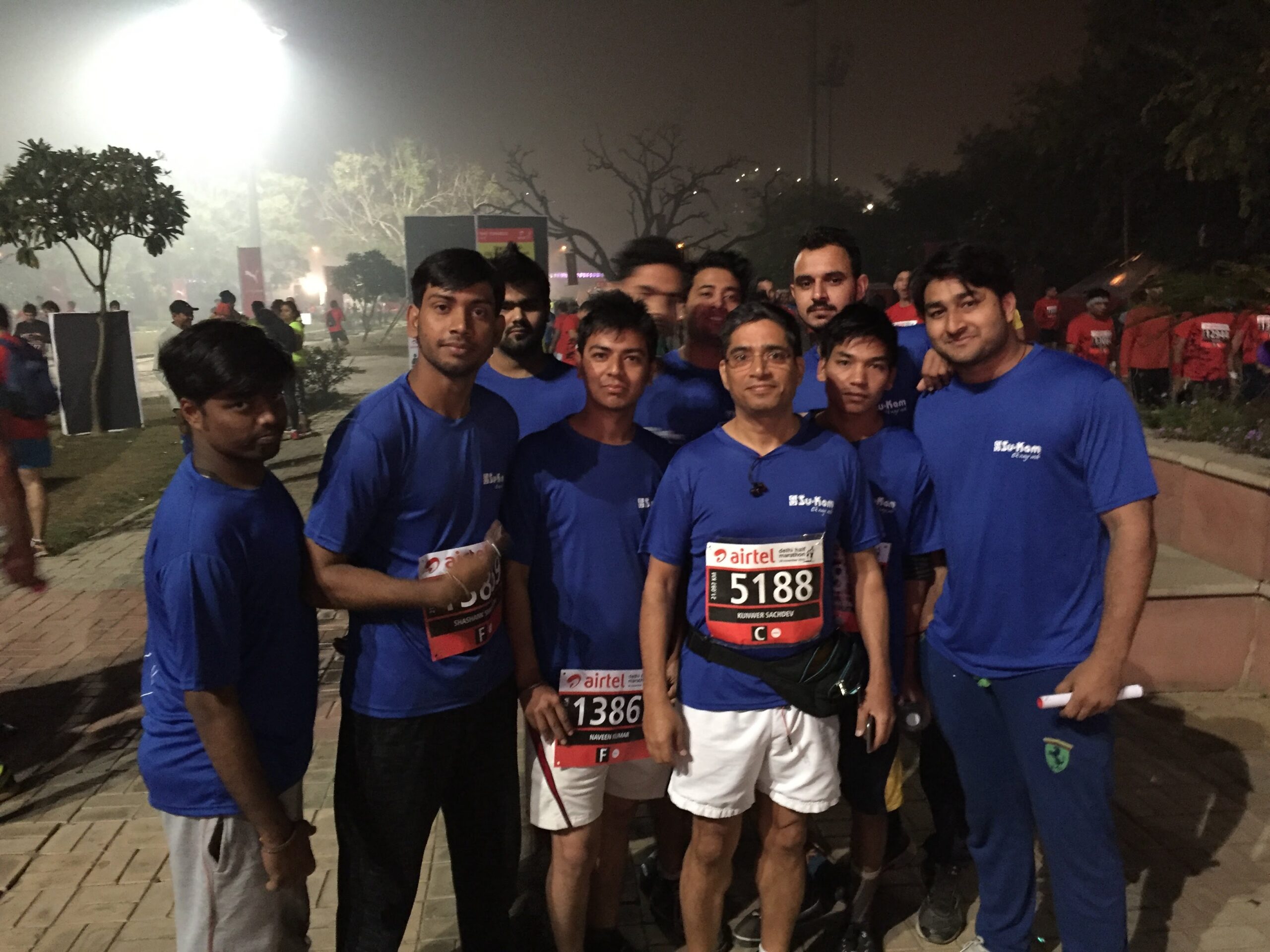
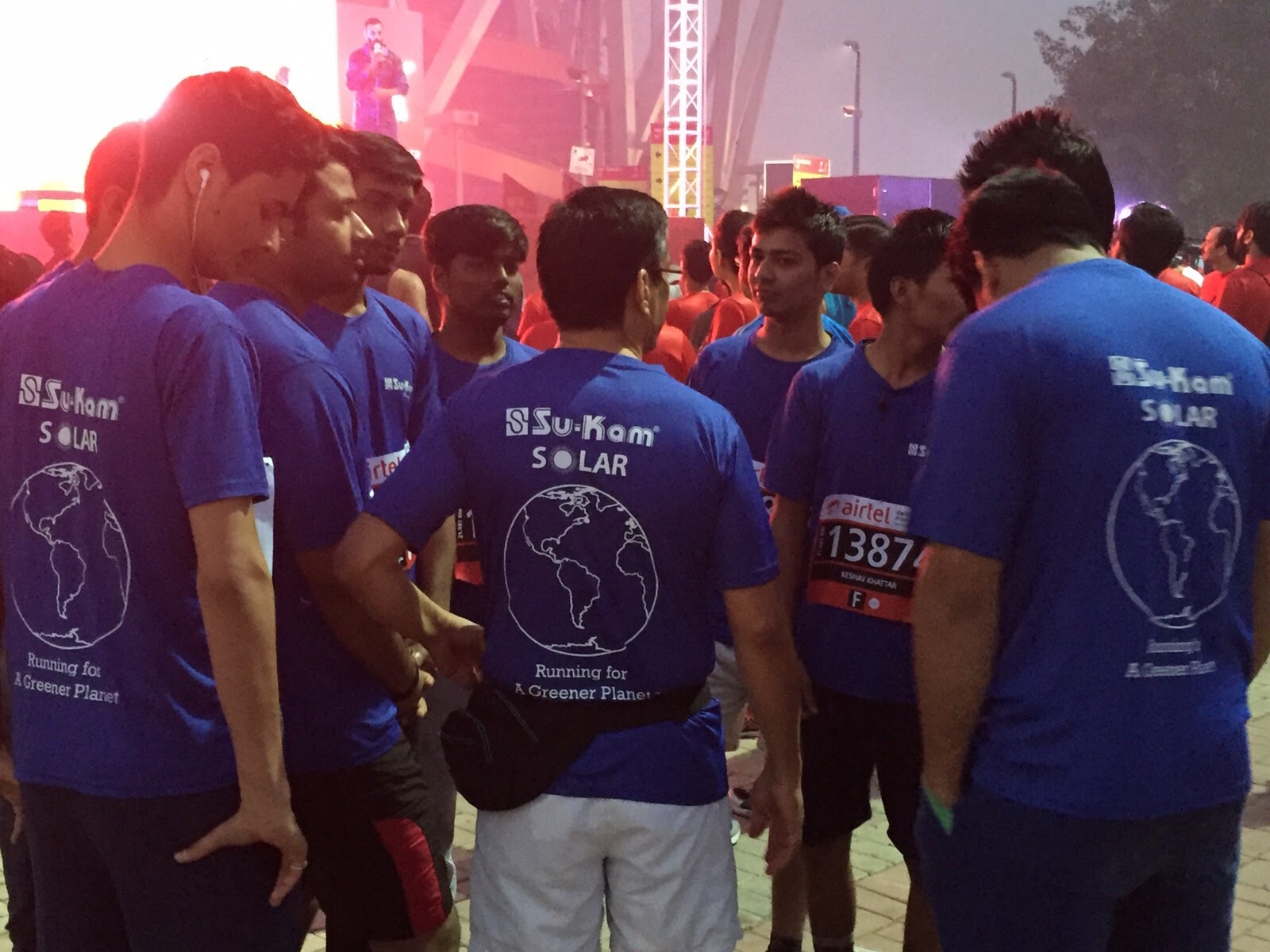
What began as two people running soon became something bigger. We created Team Su-Kam to represent the company at the Airtel Delhi Marathon — colleagues lacing up alongside me, running for a greener planet under one banner. A personal fight against a diagnosis had turned into a team on the road.
Building a healthier life, the way you build a company
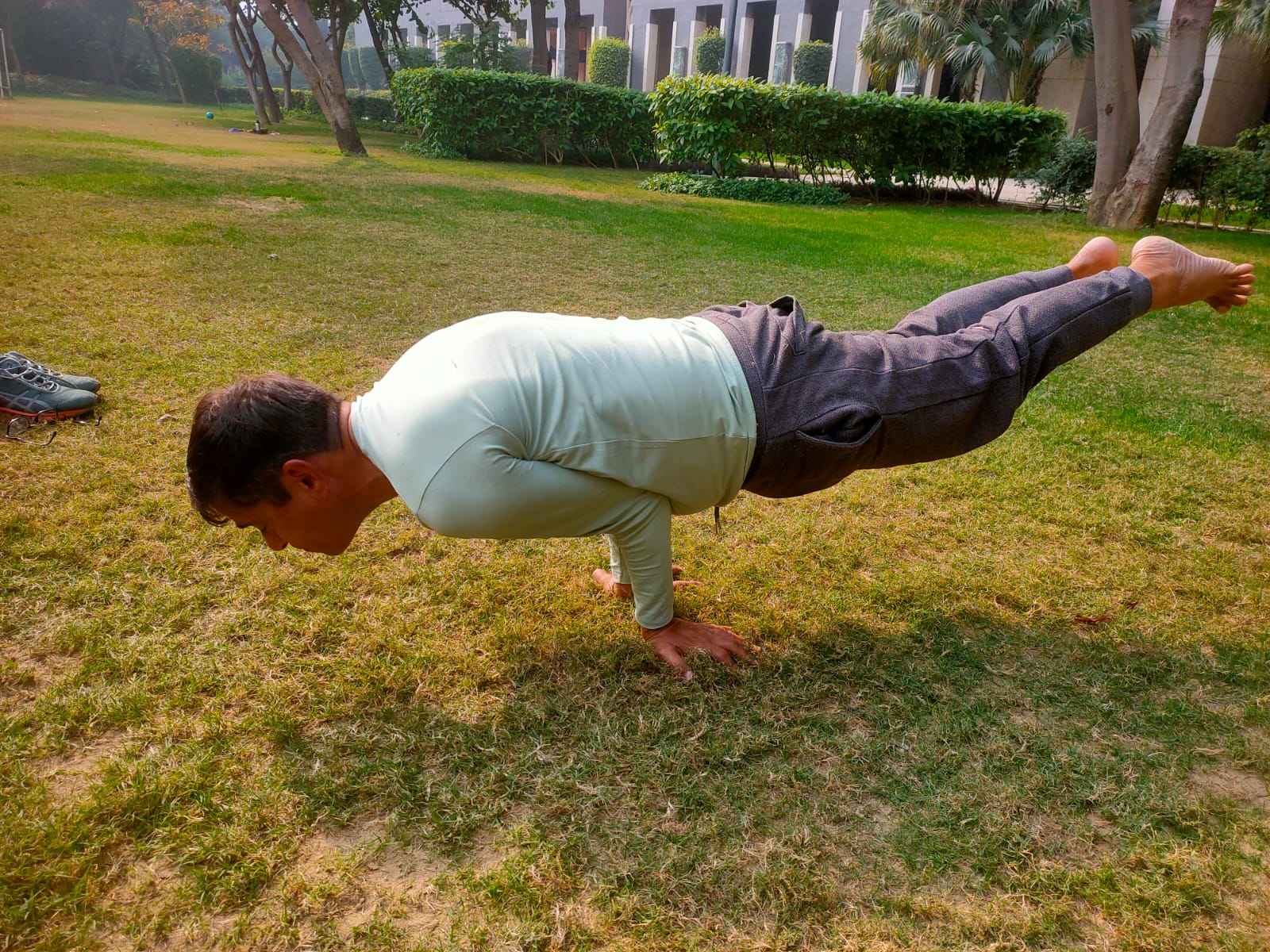
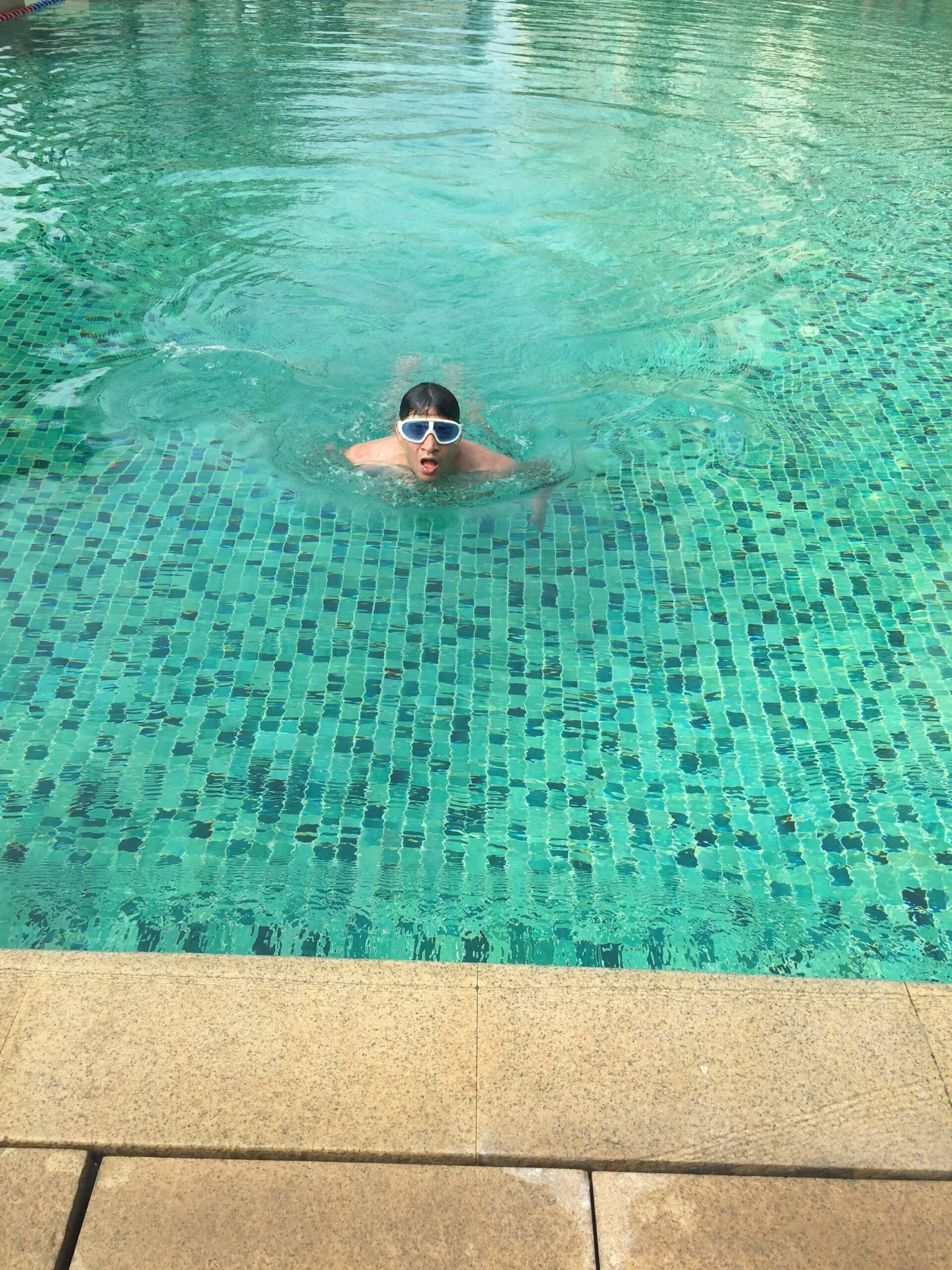
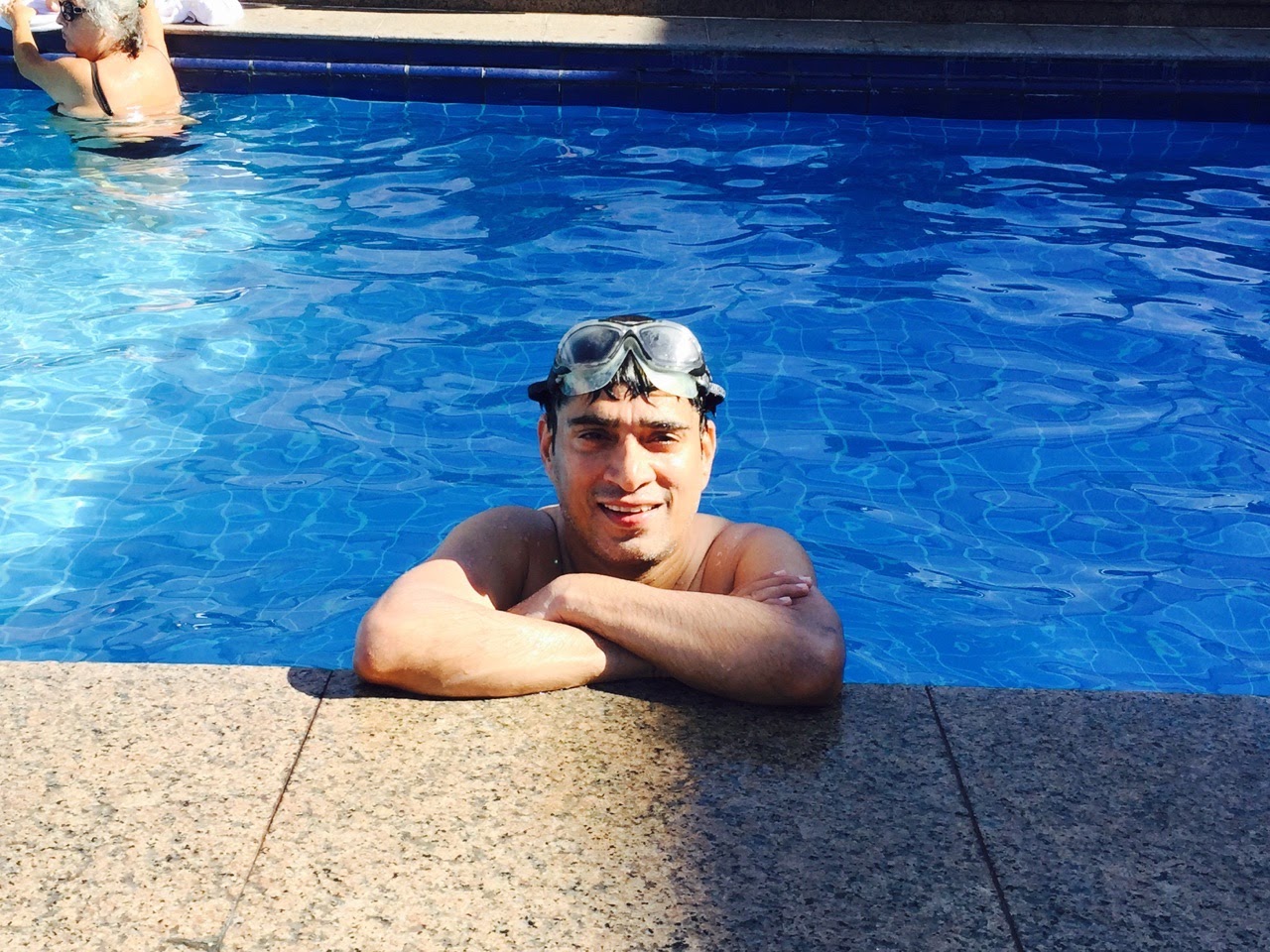
That run was the spark, but a spark isn’t a system. So I built one. I kept running. Swimming had always been my quiet passion — long before the running, the pool was my place to think — so I leaned back into it: easy on the joints, honest with the lungs. Yoga, which I’d done on and off for years without any real discipline, finally became regular — a daily appointment with myself I refused to cancel. I treated my health the way I’d once treated Su-Kam: relentless consistency, honest measurement, no shortcuts. And slowly, the numbers moved — not because of a miracle, but because of the boring, beautiful work of showing up every single day.
Medicine-free — and tests I’m proud of
The goal I had quietly set for myself was audacious: to get off the medicines entirely. I made sure I got there. Over time, with my tests watched closely, I came off the medication — all of it — and the reports came back clean. The man who had accepted “this is just who I am now” had rewritten the diagnosis through nothing more than discipline, sweat, and a refusal to settle.
A note from me, honestly: this is my story — my body, my journey, watched closely along the way. Diabetes and hypertension are serious. What worked for me should never replace medical advice for you. Please talk to your own doctor before changing anything.
What the miles taught me
Entrepreneurship taught me to solve problems. The marathon taught me that I am one of the problems worth solving. If you’re reading this on two prescriptions and a packed calendar, telling yourself the same thing I once did — I hope my first 2 hours and 35 minutes give you the same nudge someone, somewhere, gave me. Lace up. Commit before you feel ready. Walk the miles until you can run them. The body you save might just be your own.
Your health is the most important company you will ever run — and it is never too late to take it public.
Kunwer Sachdev
Kunwer Sachdev
Founder of Su-Kam and Kunwwer.ai, and mentor at Su-vastika and several other companies — the “Inverter Man of India” and the “Solar Man of India.” With 35+ years pioneering India’s power and inverter industry, Kunwer applied the same first-principles discipline he used to build companies to his own health — trading two daily medicines for a pair of running shoes. Read his story →
company’s operations, strategies, or future plans reflects his tenure prior to that date. Therefore, any discussions or analyses of Su-Kam Power Systems should be considered in the context of his past contributions and not his current association with the company. This article describes a personal health journey and is not medical advice.
Found this story worth sharing? Post it to your network — it takes one click:
You must be logged in to post a comment.