Source: LinkedIn — Kunwer Sachdev — April 1, 2026
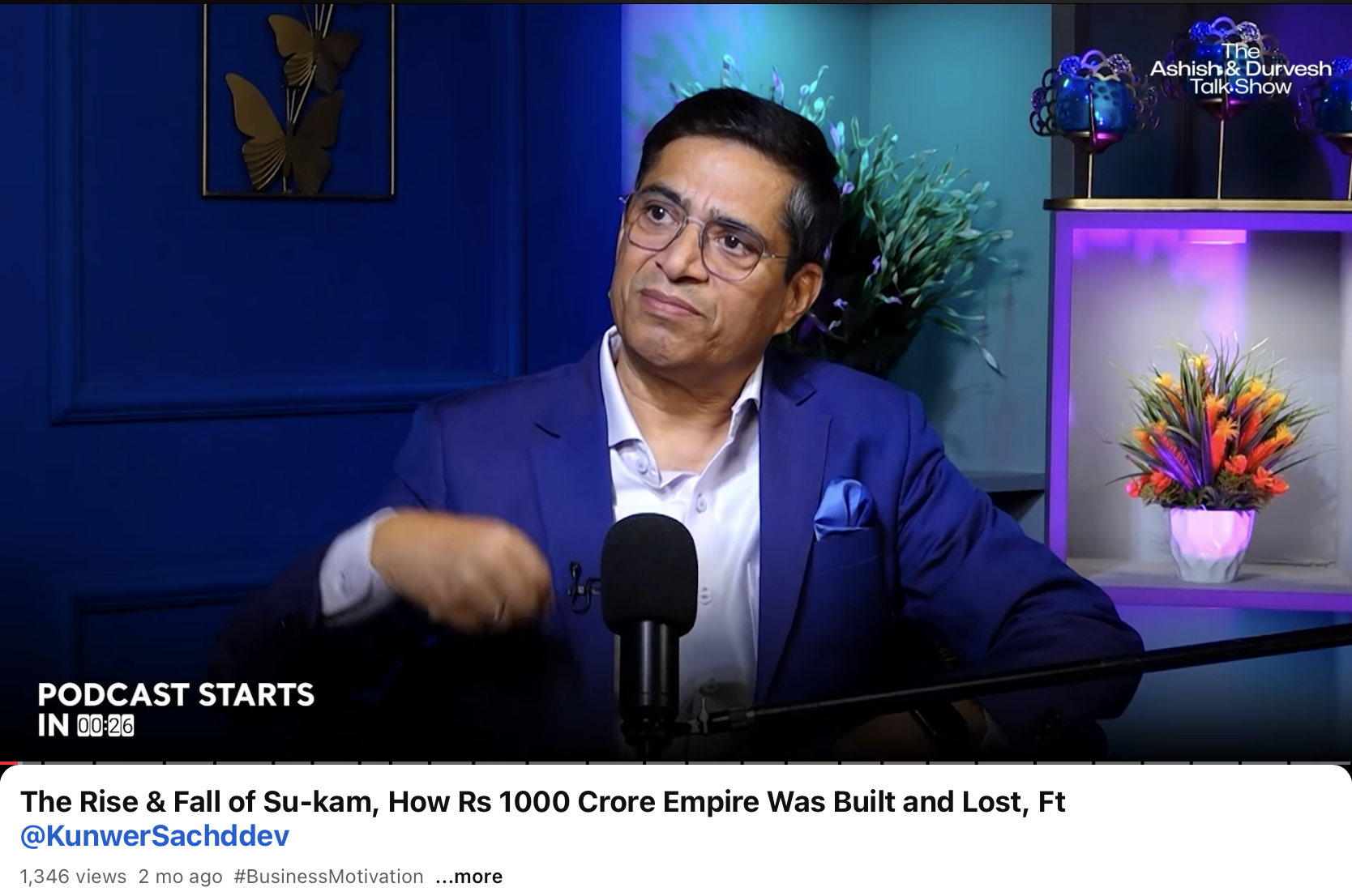
Sony is selling a 51% majority stake of its TV business to TCL. For most people, that is a corporate headline. For Kunwer Sachdev — who built Su-Kam into India’s dominant inverter brand, lost it, and is now rebuilding with Su-vastika — it is something far more personal: a mirror held up to every founder who has ever confused legacy with immunity.
In a widely shared LinkedIn article, Sachdev dissects how one of the world’s most beloved consumer electronics brands quietly became a minority player in its own house — and draws lessons that every Indian entrepreneur building a brand today cannot afford to ignore.
The Nostalgia Trap
Sachdev identifies three forces that brought Sony to this moment. The first is what he calls the Nostalgia Trap: Sony relied on emotional loyalty for too long. “While they perfected the ‘perfect picture,’ the world moved toward ‘perfect value,'” he writes. Indian families loved Sony — but they bought what was good enough for half the price. Admiration and purchase are not the same decision.
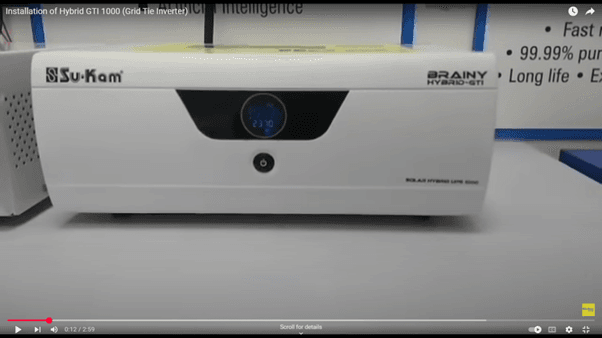
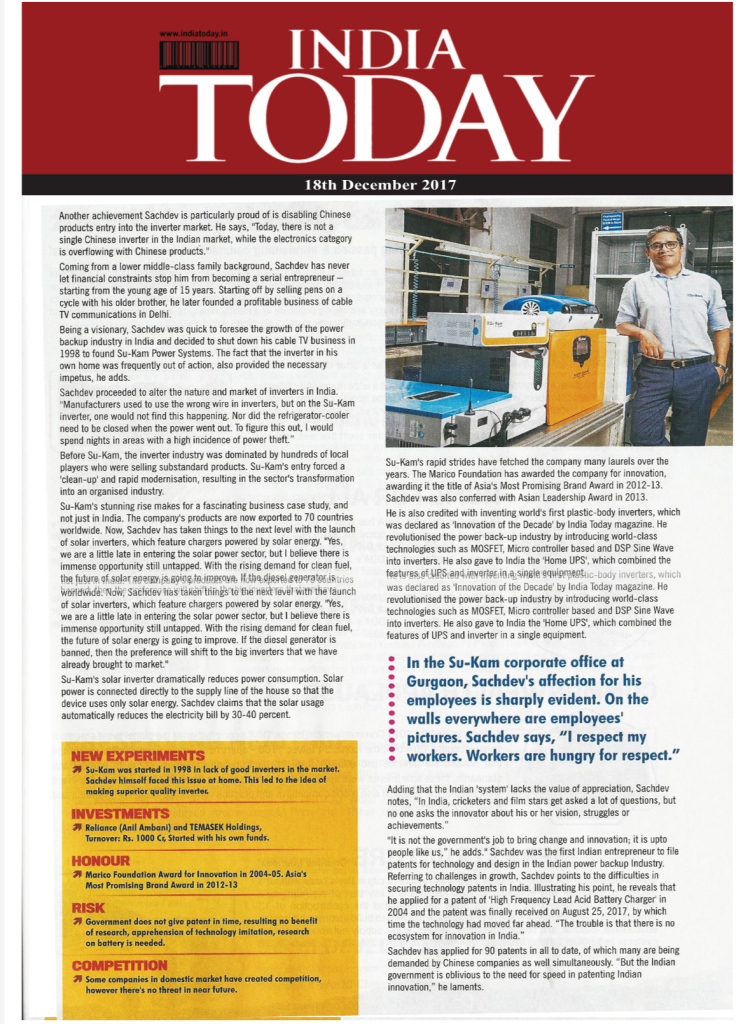
It is a pattern Sachdev knows intimately. Su-Kam was once the brand that defined inverters for an entire generation of Indians — the name on every rooftop, the name on every battery shelf. The journey from that first digital inverter to market leadership was built on continuous reinvention, not on reputation alone.
The Arrogance of Innovation
Sony’s second failure, in Sachdev’s analysis, was innovating for the 1% while competitors built factories for the 99%. Premium R&D is only as valuable as the price point at which it reaches the market. When innovation becomes a boutique exercise, it cedes the mass market to faster, hungrier players.
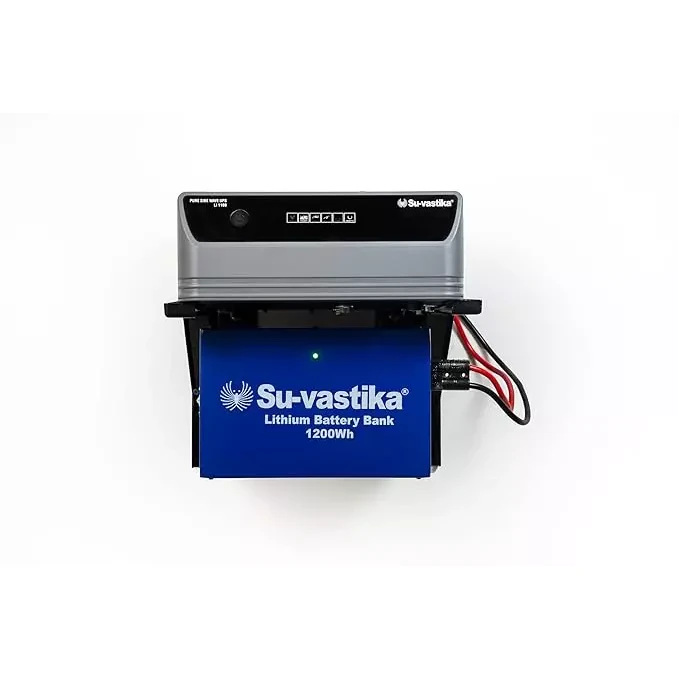
This lesson is embedded in Sachdev’s own story. The Su-Kam R&D story was always about bringing technology to people who needed it most — not about engineering for the showcase. The same philosophy now drives Su-vastika’s lithium battery systems, designed to be affordable enough for homes and reliable enough for hospitals.
Losing the Heart of the Machine
The third and most structural failure was Sony’s decision to stop manufacturing its own display panels — surrendering vertical integration. It became a premium brain without a body. TCL, which had the factories, eventually acquired the majority. “The soul of the business has shifted,” Sachdev writes.
The warning Sachdev leaves is unambiguous: “Relevance is not a birthright. It must be earned every single day.” For the Inverter Man of India — who has lived the full arc of building, losing and rebuilding — this is not commentary. It is hard-won wisdom that every brand builder in India’s fast-moving energy and technology sectors would do well to take seriously.
Read the full article on LinkedIn.