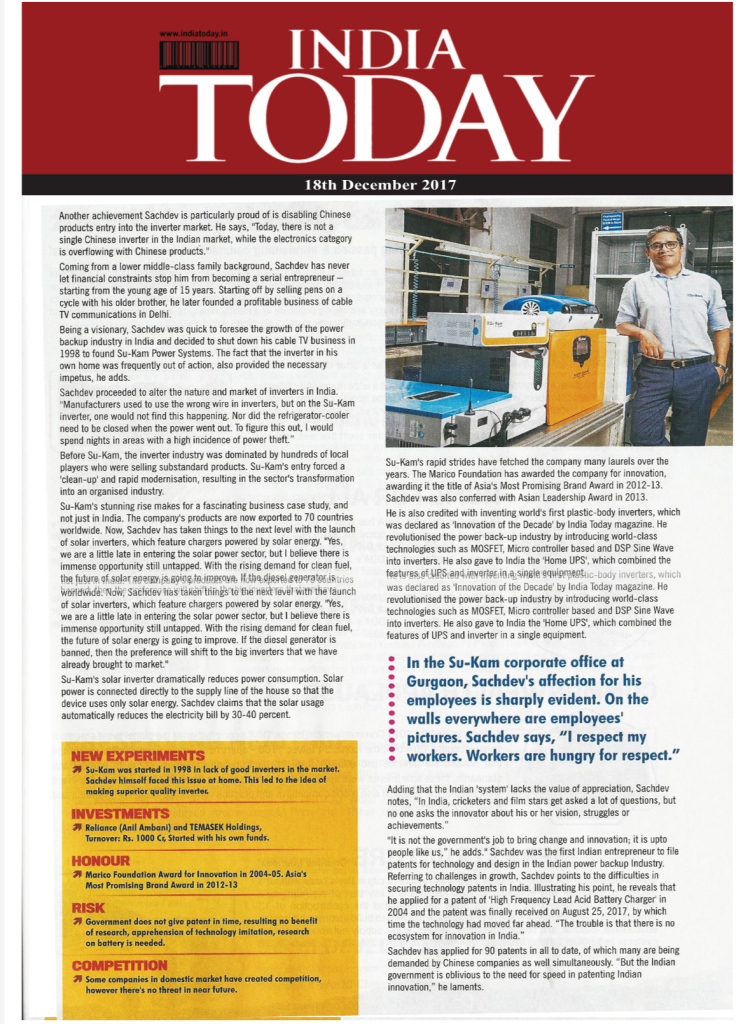
Source: LinkedIn — Kunwer Sachdev — April 1, 2026
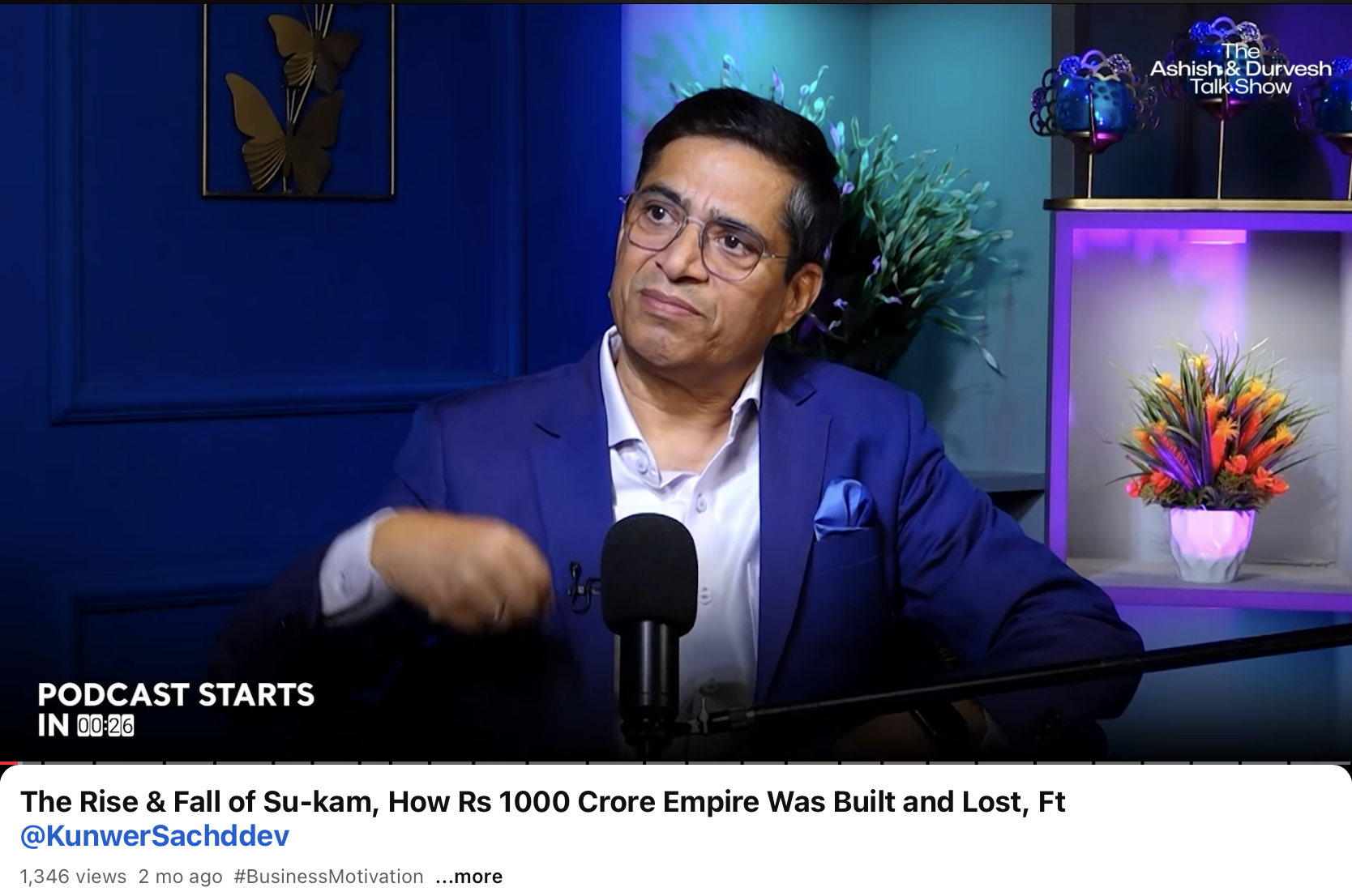
As induction cooktops rapidly replace gas stoves in Indian kitchens — driven by LPG prices crossing ₹1,000 — Kunwer Sachdev is drawing attention to a hidden risk that cardiologists know about but that almost nobody in the kitchen conversation is talking about: the electromagnetic fields produced by induction stoves can interfere with pacemakers, ICDs, and other heart implants.
In a heartfelt LinkedIn article shared widely among health-conscious readers and energy professionals, the Inverter Man of India brings his deep understanding of electromagnetic technology to a safety message that could protect millions of Indian families making the switch to electric cooking.
How Induction Stoves Interact with Heart Implants
Induction cooktops work by generating magnetic fields — the same physics that makes them efficient also makes them a potential source of electromagnetic interference (EMI) for anyone carrying a cardiac implant. Pacemakers and ICDs communicate using electrical signals, and stray magnetic fields can cause those devices to behave unpredictably: skipping a beat, pausing unnecessarily, or delivering an unneeded shock.
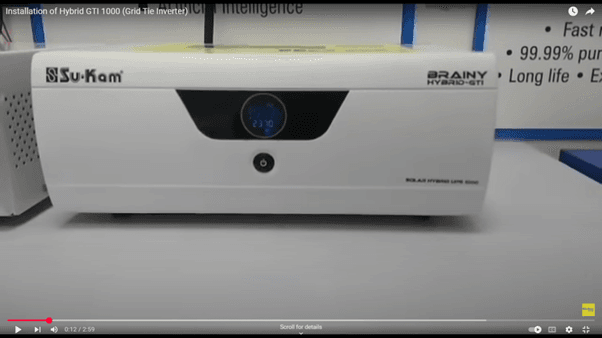
“Imagine a sudden glitch in something you rely on to stay alive. Something as gentle as making morning tea — and your heart’s ‘battery’ skips a beat,” Sachdev writes. His background in power electronics — the same technology inside every inverter and UPS — gives him a rare technical perspective on exactly why these risks are real and how distance and cooking habits can mitigate them.
Four Practical Safety Steps
Sachdev offers four concrete precautions for anyone with a heart implant who uses an induction stove. First, maintain at least 60 cm (2 feet) between your chest and the cooktop at all times — magnetic fields weaken rapidly with distance, making physical separation the most effective defence. Second, avoid leaning over the stove; use long-handled wooden utensils so you can stir while standing back. Third, always use a pot that fully covers the induction ring, as an undersized pot allows stray magnetic fields to escape outward. Fourth, listen to your body — dizziness, palpitations or any unusual sensation while the stove is on should be treated as a warning and acted on immediately.
The advice is straightforward, but the underlying message reflects something that runs through all of Sachdev’s work: technology, however brilliant, must be deployed with an understanding of its full impact on real human lives. The same rigour that went into making Su-Kam’s inverters safe and reliable for millions of homes applies here.
A Message Worth Sharing
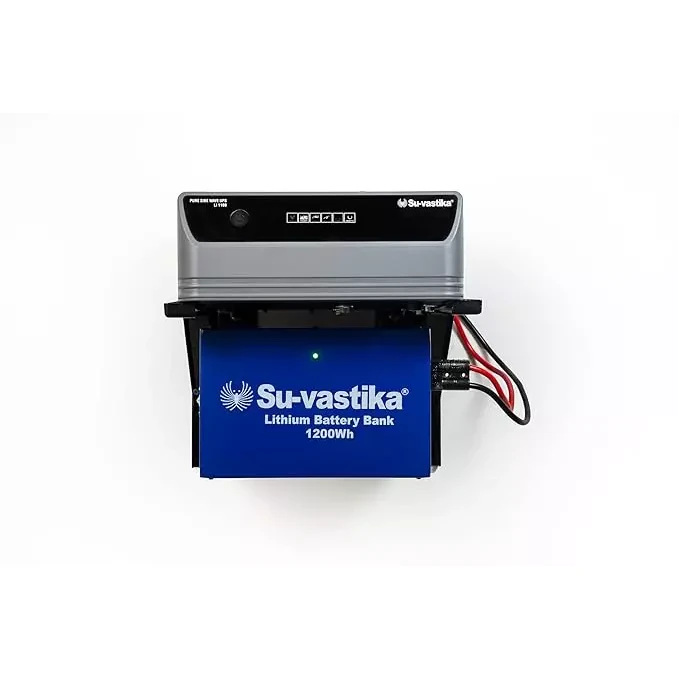
Sachdev closes with a simple call to action: one conversation with your cardiologist, mentioning your stove brand and implant model, can give a lifetime of peace of mind. As India’s kitchen technology transitions faster than its health awareness, the Inverter Man of India is doing what he has always done — asking the questions that experts assume somebody else is already asking, and making sure the answer reaches the people who need it most.
Read the full article on LinkedIn.