Mentoring SkillCircle — And What Gen Z Taught Me Back
I went to SkillCircle's Noida office thinking I would spend an afternoon mentoring a young team. I came back with the sharpest lesson of the year — and it did not come from me. It came from the Gen Z employees sitting in that room.
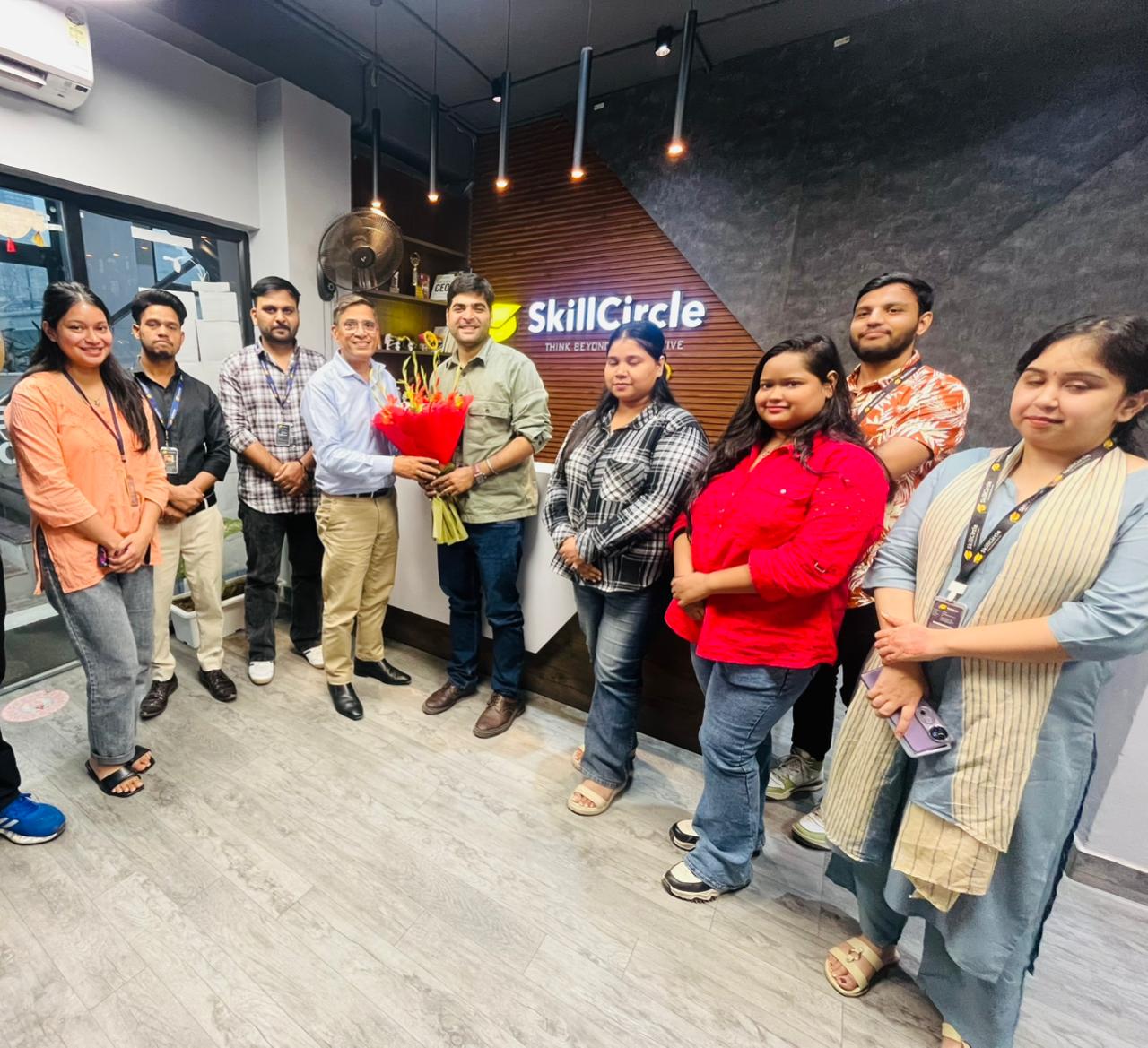
How This Visit Even Happened
A few months earlier I was the keynote speaker at the IILM Gurgaon campus. Shivam Ahuja — the founder of SkillCircle — was also on the speaker line-up that day. He is young, sharp, and full of the kind of energy that you cannot fake at that age. We got talking after our sessions and just kept talking. I was genuinely impressed — not only by his drive, but by how much he actually knew about the market he was building in.
We became friends. Some weeks later he called and said, “Sir, I want you to come to my Noida office and speak to my core team. Not a public event — just my people.” That is the kind of invitation you say yes to.
“Today, we had the privilege of hosting Mr. Kunwer Sachdev, the visionary Founder of Su-Kam, at our Noida office. He built Su-Kam into a ₹1,200+ crore brand, made a successful exit, and now mentors young, fast-growing companies like ours.”
The Opening Line I Have Been Using For Years
I have a habit — whether the room is a Fortune 500 workshop at KOHLER or a small huddle of a young start-up like SkillCircle — I open with one question:
“Who are you working for?”
For the last two decades I have watched the same thing happen in Indian corporate rooms. Salaried professionals look at their shoes. Some mumble about the company. A few brave ones talk about their family. The honest answer — “for myself” — almost never comes out. Indians, especially the older generation, are conservative about jobs. We are trained to say the “right” thing.
Then Gen Z Answered
SkillCircle's room was mostly Gen Z, with a few slightly older folks. I asked my question expecting the usual pause. There was no pause. Almost the whole room said, very calmly, “For myself.”
No apology in their voice. No looking around to see if it was safe to say. That was the moment I realised the room had flipped — I had walked in as the mentor, but on this specific question the students were already ahead of the teacher.
The takeaway that landed in my head: the technology has changed dramatically since I started Su-Kam in 1988. AI, edtech, dashboards, remote work — none of it existed then. But the real question of work has stayed the same: who are you actually working for? Only the answers have finally started to change. Gen Z is answering it honestly, out loud, in a boardroom, in front of a stranger. That is new. That is progress.
What I Actually Learned From Them
The session became interactive very quickly. They listened properly — and then they pushed back. Politely, but they pushed. I found myself taking mental notes as often as I was giving advice. A few things stood out about this generation that Indian corporates and, honestly, the country as a whole need to pay attention to:
They have almost no subservient attitude. They do not perform respect for a title. They give respect when the argument holds. As an older founder that can feel abrupt for one second — and then, once you get past your own ego, it feels clean.
They are genuinely independent. They are not waiting for a promotion cycle to feel worthy. They are building side projects, running side incomes, learning new tools every week. Whether they stay in your company or leave, they are the ones deciding.
They do not care about hierarchy for its own sake. This is the biggest shift. My generation was raised on hierarchy — who sits where, who speaks first, who gets called “sir.” This generation cares about output and clarity. Nothing else.
Why Indian Corporates Should Sit Up
If you are running a company in India today — whether you are a start-up founder like Shivam or a large corporate MD — here is my honest suggestion after that afternoon in Noida:
Stop trying to “manage” Gen Z with the toolkit built for the last generation. The old levers — fear of the boss, fear of losing the job, respect-for-hierarchy — do not work on people who have already answered “for myself” in their own head. Motivate them on the work itself. Show them what they are building. Give them ownership of an outcome, not a job description. And when they push back in a meeting, do not read it as disrespect — read it as engagement.
This is not a soft, cultural point. It is a hard, competitive point. In the long term, the corporates and the countries that learn from this generation instead of trying to flatten them will be the ones that move faster. India has a demographic gift right now. We only capture it if the older generation of leaders is humble enough to be taught by the young one.
Thank You, Shivam
I went to SkillCircle to give a session. I came back with a lesson. That is exactly the kind of afternoon a mentor should have — and it only happens when the founder in the chair opposite you (Shivam Ahuja, in this case) has already built a team where honesty is safe. That is not an accident. That is culture. Well done.
Sources & Links
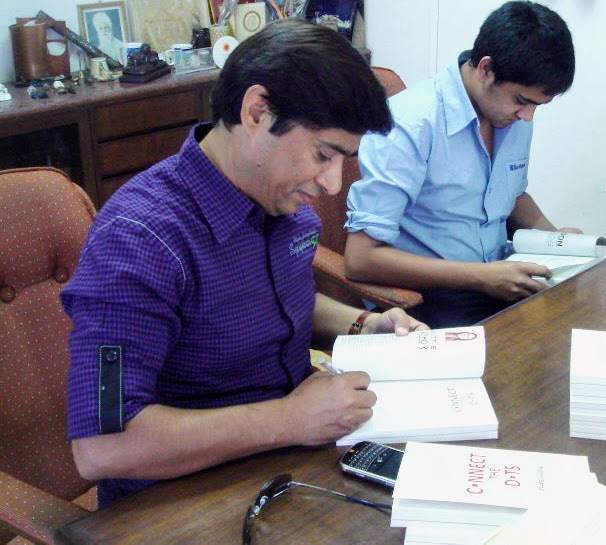
Kunwer Sachdev
Founder, Su-Kam Power Systems · The Inverter Man of India · The Solar Man of India
Startup mentor, angel investor and serial entrepreneur. Built Su-Kam from a Delhi component-supply business into a ₹1,200+ crore power-electronics brand across 70+ countries. Now mentors India's next generation of founders. Based in Gurgaon, Haryana.