From the Desk of Kunwer Sachdev
When the Founder Picked Up the Pen: My Years Writing for The Times of India
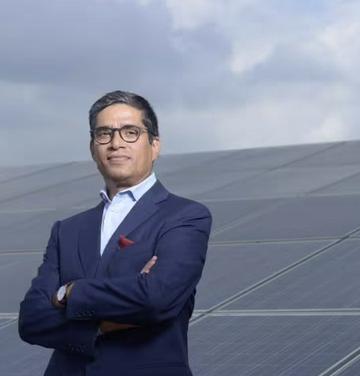
For a stretch of time, alongside building products and chasing patents, I did something a little different — I wrote. Not press releases, not pitch decks, but proper opinion columns for one of India’s largest newspapers. Here is the story of those years, and why I eventually set the pen down.
Times of India Columns are the lesser-known chapter. People know me by a few names. The Inverter Man of India. The Solar Man of India. The fellow who founded Su-Kam Power Systems back in 1998 and spent the better part of three decades trying to keep the country’s lights on. What fewer people know is that, somewhere in the middle of all that, I became a columnist for The Times of India. Those Times of India Columns are what this page is about.
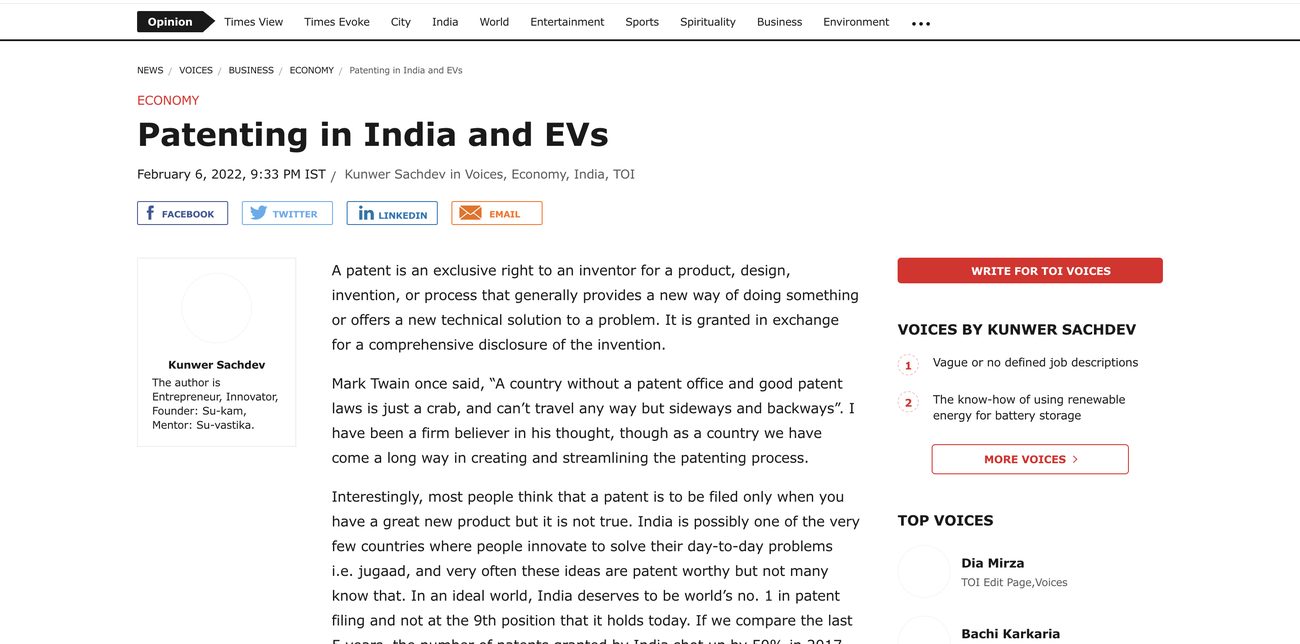
It happened the way most good things in my life have happened — almost by accident. I have never been a writer by training. My degrees are in statistics and law, not literature. But running a company that lived and breathed innovation gave me strong opinions, and India’s flagship newspaper gave me a platform to share them. My pieces appeared in the TOI “Voices” section, the paper’s home for opinion and commentary, filed under categories like Economy and India. The byline was simple: “The author is Entrepreneur, Innovator, Founder: Su-kam, Mentor: Su-vastika.”
What I Wrote About
I never wanted to write columns that sounded like advertisements. If I was going to take up a reader’s time, it had to be about something I genuinely understood from the inside — the messy, unglamorous reality of building things in India. A few of the pieces from those years:
- Patenting in India and EVs — TOI Voices · Economy, India · 6 February 2022
- The Know-How of Using Renewable Energy for Battery Storage — TOI Voices · Companies · 6 August 2022
- Vague or No Defined Job Descriptions — TOI Voices · Business · 6 May 2023
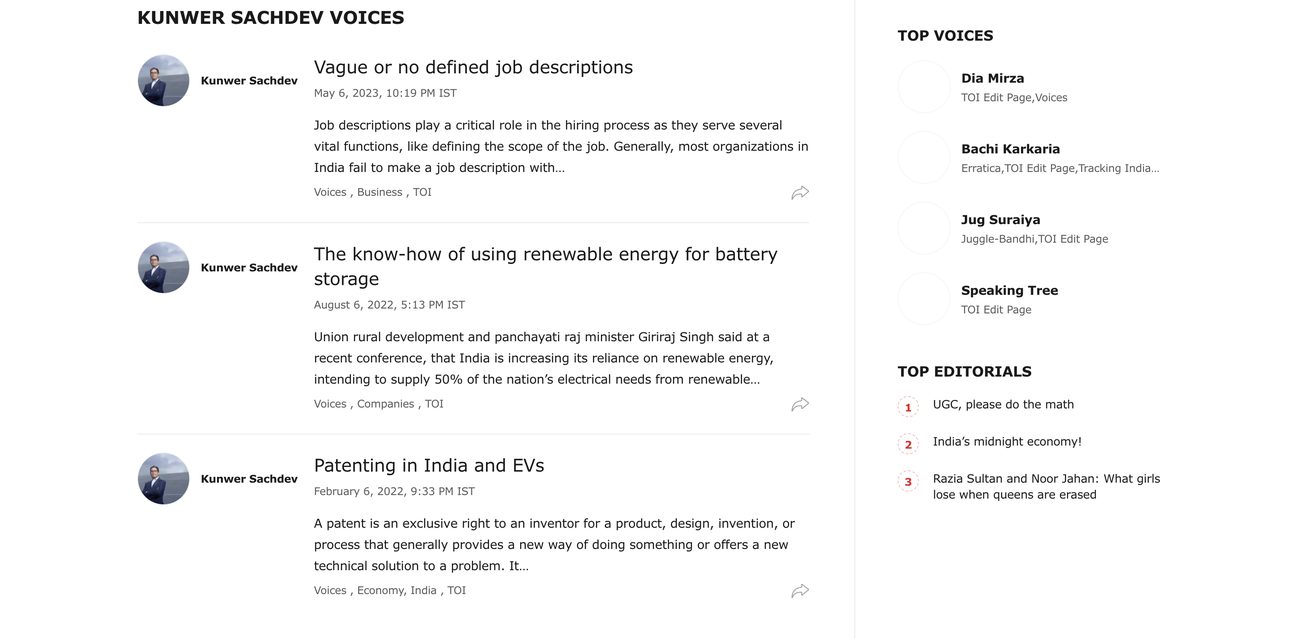
Look at that list and you can more or less read my whole career in three headlines. Patents, because I have filed dozens of them and believe India still vastly underestimates how much of its everyday jugaad is genuinely patent-worthy. Job descriptions, because after thirty years of hiring I have watched how much damage a vague role can do to a young company. And renewable energy and battery storage, because that is the future I have bet the rest of my working life on.
The patenting piece is the one I remember most fondly. I opened it with a line from Mark Twain — “A country without a patent office and good patent laws is just a crab, and can’t travel any way but sideways and backways” — and I meant every word of it. I wrote about how India sat at ninth in the world for patent filings when, by rights, a nation of relentless improvisers ought to be first; about how COVID had reshaped what the world was filing patents for; and how the coming wave of electric vehicles would trigger a scramble for patents across batteries, motors, controllers and charging infrastructure. These were not abstract topics for me. They were the questions I argued about in my own factory.
Writing those columns forced me to slow down and think in public. A product you can ship quietly. An opinion in The Times of India you have to be willing to defend.
Why I Stepped Away
And then, somewhere along the line, the columns stopped. I want to be honest about why, because it is not a dramatic story. There was no falling-out, no editorial disagreement, no grand decision. The truth is simpler and, I suspect, familiar to anyone who has ever built something with their own hands: my own work pulled me back in completely.
Writing well takes a particular kind of attention. It is not the time on the page that costs you — it is the days of turning an idea over in your head before a single sentence is worth keeping. For a while I could give that attention. But the ventures I was involved in did not slow down to accommodate my writing schedule. I threw myself into mentoring Su-vastika, guiding product strategy and R&D, backing young founders, filing patents, and building a whole second act from the ground up. Something had to give, and it was the column. I would rather publish nothing than publish something half-considered under my name in a national paper. So I quietly let the writing rest while I went all-in on the work itself. The irony is not lost on me — I stopped writing about innovation precisely because I had become too busy innovating.
I do not regret stepping away, but I do miss it. There is a clarity that comes from being forced to explain your thinking to a stranger who owes you nothing. Building keeps you moving forward; writing makes you stop and ask whether forward is even the right direction.
What the Writing Taught Me
Looking back, those years at the keyboard gave me more than they cost. They taught me to compress thirty years of factory-floor experience into eight hundred clean words. They taught me that the questions I cared about — intellectual property, energy independence, how to actually run a humane workplace — were questions a wide audience cared about too. And they reminded me that an entrepreneur’s job is not only to build, but occasionally to explain, to argue, and to leave a record of what they learned.
That last lesson is, in a way, why these pages exist. The newspaper column was one chapter. This is the next one — a place where I can write on my own clock, returning to the page whenever the work allows. So if you ever come across an old Kunwer Sachdev byline in the Times of India archives, now you know the story behind it: a businessman who, for a few good years, picked up a pen — and then got so caught up in the work he was writing about that he had to put it down again. Maybe that is the most honest column I ever wrote.
Frequently Asked Questions: Times of India Columns
Why did Kunwer Sachdev write for Times of India?
It happened somewhat by accident. Alongside building products and pursuing patents, Sachdev took on the opportunity to write opinion columns for the Times of India ‘Voices’ section. This allowed him to share his perspectives on India’s business landscape, innovation, and technology without the constraints of press releases or pitch decks.
What topics did Kunwer Sachdev’s Times of India Columns cover?
His columns focused on three main areas: patenting and electric vehicles in India, the strategic use of renewable energy for battery storage solutions, and clarifying job descriptions in organizations. Each column drew from his experience as founder of Su-Kam Power Systems and his observations on India’s evolving technology sector.
When did Kunwer Sachdev’s Times of India Columns run?
His published columns appeared between February 2022 and May 2023. These pieces were published in the Times of India ‘Voices’ section, giving readers access to his thoughts on innovation, business strategy, and technology during a pivotal period for India’s renewable energy and EV markets.
Why did Kunwer Sachdev stop writing columns?
Writing well requires a particular kind of attention that extends beyond time on the page. After his run of columns, Sachdev stepped back from newspaper writing to focus his energy on other ventures. He does not regret the decision, recognizing that the clarity and compression skills gained during his journalism work continue to benefit his other endeavors.
What did Kunwer Sachdev learn from writing newspaper columns?
His column-writing years taught him how to compress ideas into tight, compelling arguments suitable for print media. He learned to think and write in public—a discipline that comes from the structure and constraints of newspaper publishing. These skills continue to inform how he communicates about innovation and business strategy.
How can I read Kunwer Sachdev’s Times of India Columns?
His columns are archived in the Times of India ‘Voices’ section. You can search for his author profile there to see all published pieces. Additionally, this page provides context on his column-writing journey and the themes he explored during his time as a columnist.
About Kunwer Sachdev
Kunwer Sachdev is the founder of Su-Kam Power Systems and the man who pioneered India’s inverter and solar industry — building the country’s first organised inverter brand from a garage in 1998 and going on to lead India’s residential solar revolution. Widely known as the “Inverter Man of India” and the “Solar Man of India,” he has been featured by Forbes India, India Today, The Economic Times and The Financial Express, and in books on Indian entrepreneurship including Connect the Dots and Making Breakthrough Innovation Happen. Today he mentors early-stage founders, invests as an angel in AI, deep-tech and clean energy, and is building his new venture, Kunwwer.ai.
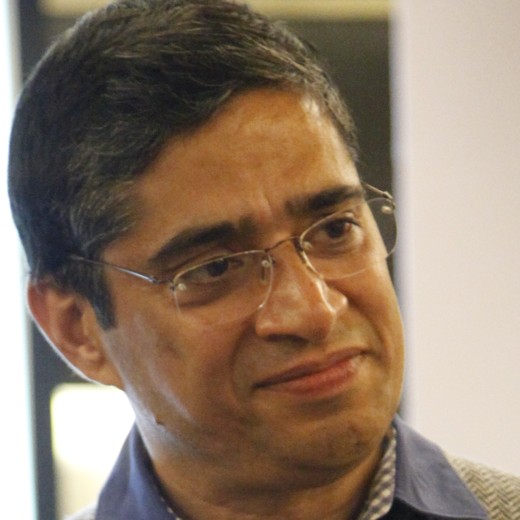
Founder, Su-Kam Power Systems (1988–2019) and Kunwwer.ai, and mentor at Su-vastika and several other companies — the “Inverter Man of India” and the “Solar Man of India.” Read his story →