The Story of Kunwer Sachdev
Not a story of balance sheets and market shares — but of a man who was always chasing the light, often tripping in the dark, and eventually finding his way back to the heart of what matters.
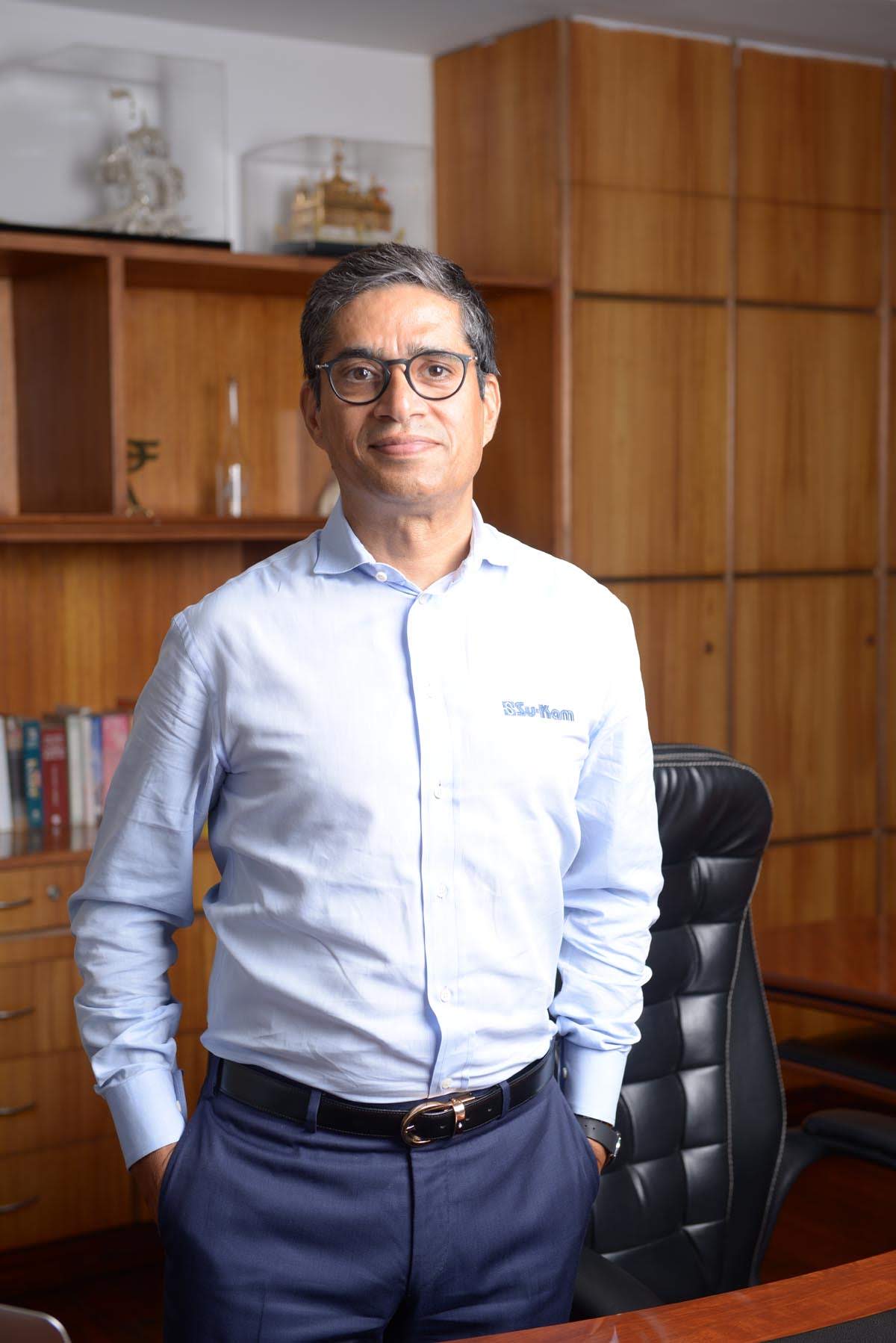
The Jungle of Wires
It started on the floor of my home, surrounded by a mess of wires. I was just a man with a burning curiosity, trying to fix an inverter that wouldn’t behave. A technician had looked at me with pity and said, “You wouldn’t understand this.”
That sting didn’t make me angry; it made me dream. I didn’t want to just own the machine; I wanted to understand its soul. That day, I didn’t just pick up a screwdriver — I picked up my destiny.
The Dreams I Carried
In those early years, I was just a young man with more dreams than money. I remember traveling to Hong Kong and Singapore, lugging heavy technical catalogs in my suitcase because I couldn’t afford to ship them.
I was a “Cable Guy” then, bringing the magic of movies into homes, feeling the pulse of a family when the TV finally flickered to life. I was always the guy who wanted to show the world that India could build, that we weren’t just consumers — we were creators.
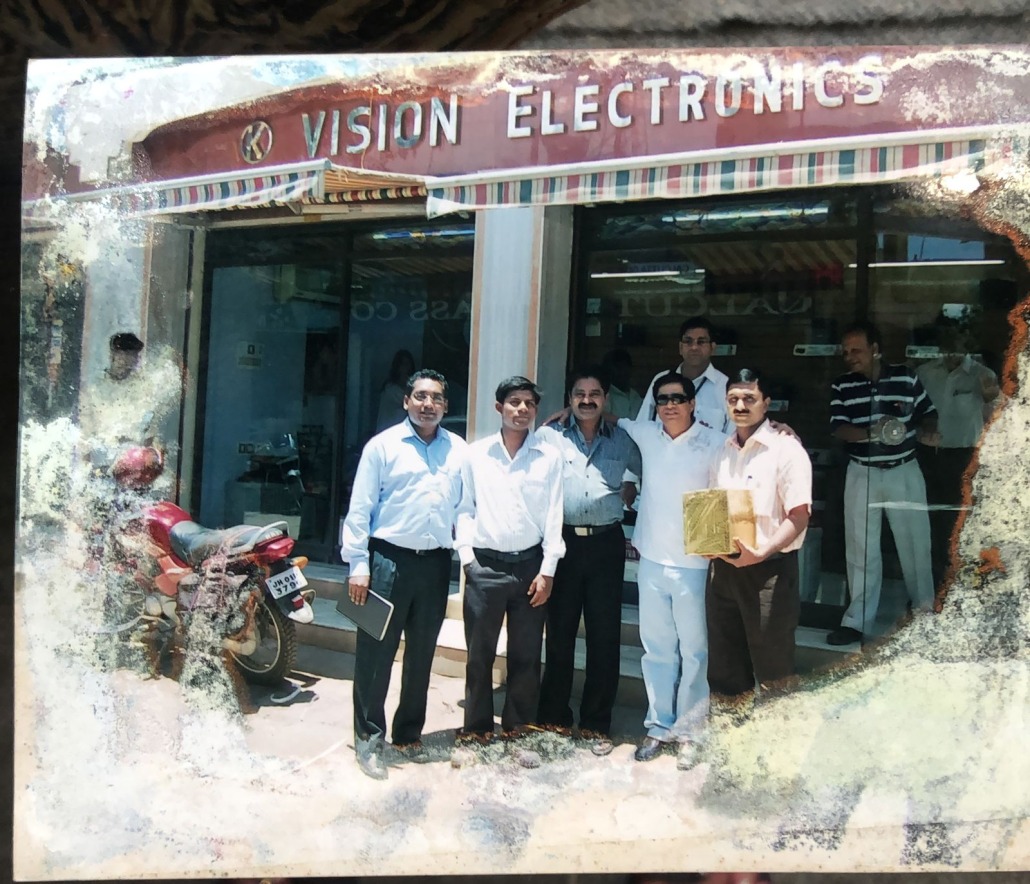

Early days — visiting dealers and taking Su-Kam’s service to every corner of India
The Beauty and the Burden
I poured my soul into my work. When I created the Chic inverter, I didn’t see a product; I saw a piece of art. I chose the color black because I felt it had strength, even when everyone told me it was wrong. I was in love with the work. I was the “Inverter Man,” but behind the glory, there was a man who was quietly losing himself.
I learned the hard way that a company is not just a building or a brand — it’s a collection of human hearts. I saw people come and go, and at first, I felt every departure like a personal failure. But time taught me the truth of the human spirit: people move on, they grow, and they seek new horizons. That is the natural rhythm of life.
And for those who stayed? For the ones who stood by me when the ships were sinking and I was completely broke — you are my true wealth. Your loyalty wasn’t paid for; it was earned in the trenches, and it is a debt I will spend the rest of my life trying to honor.

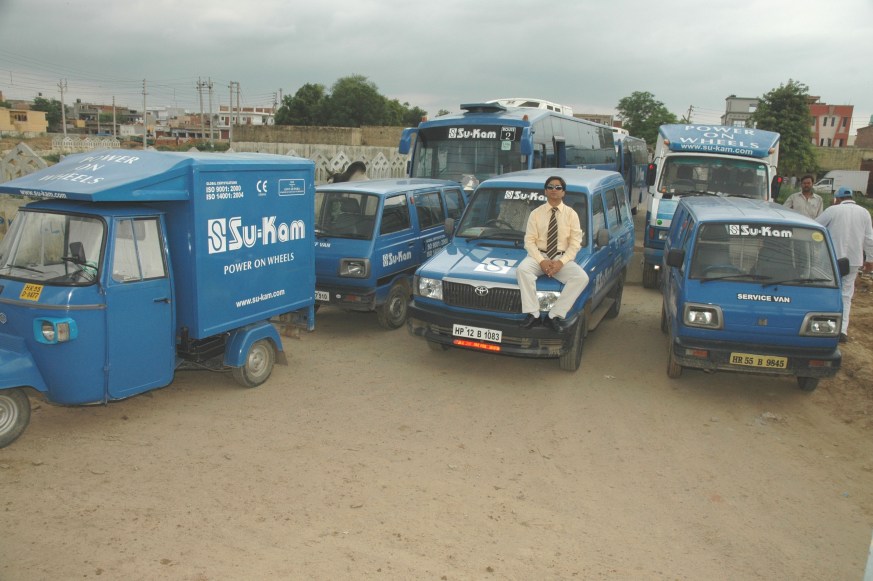
The Baddi factory — ₹100 Cr investment — and the service fleet that powered millions of homes
“I didn’t set out to build a company. I set out to solve a problem — and the company became the answer.”— Kunwer Sachdev
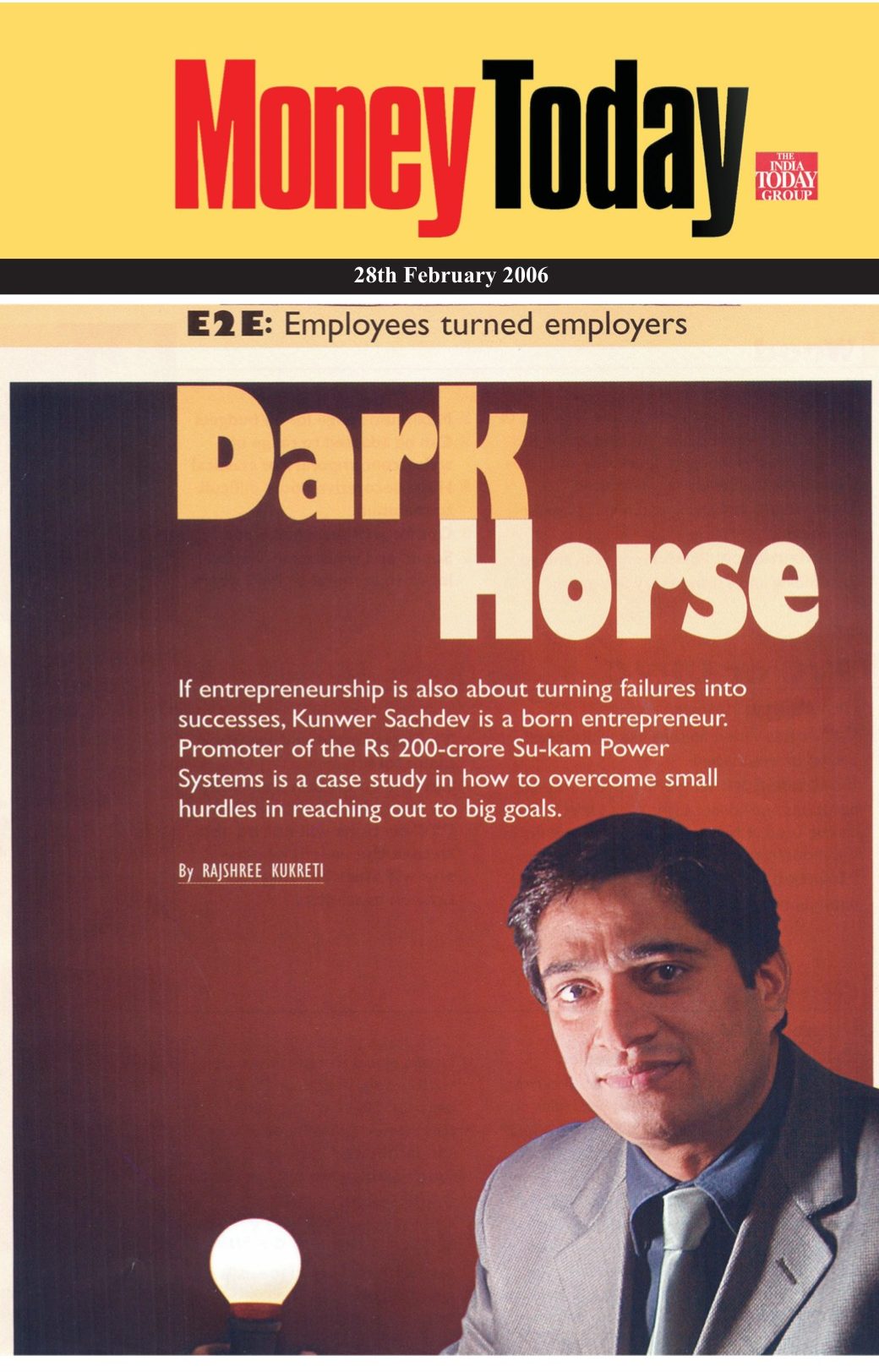
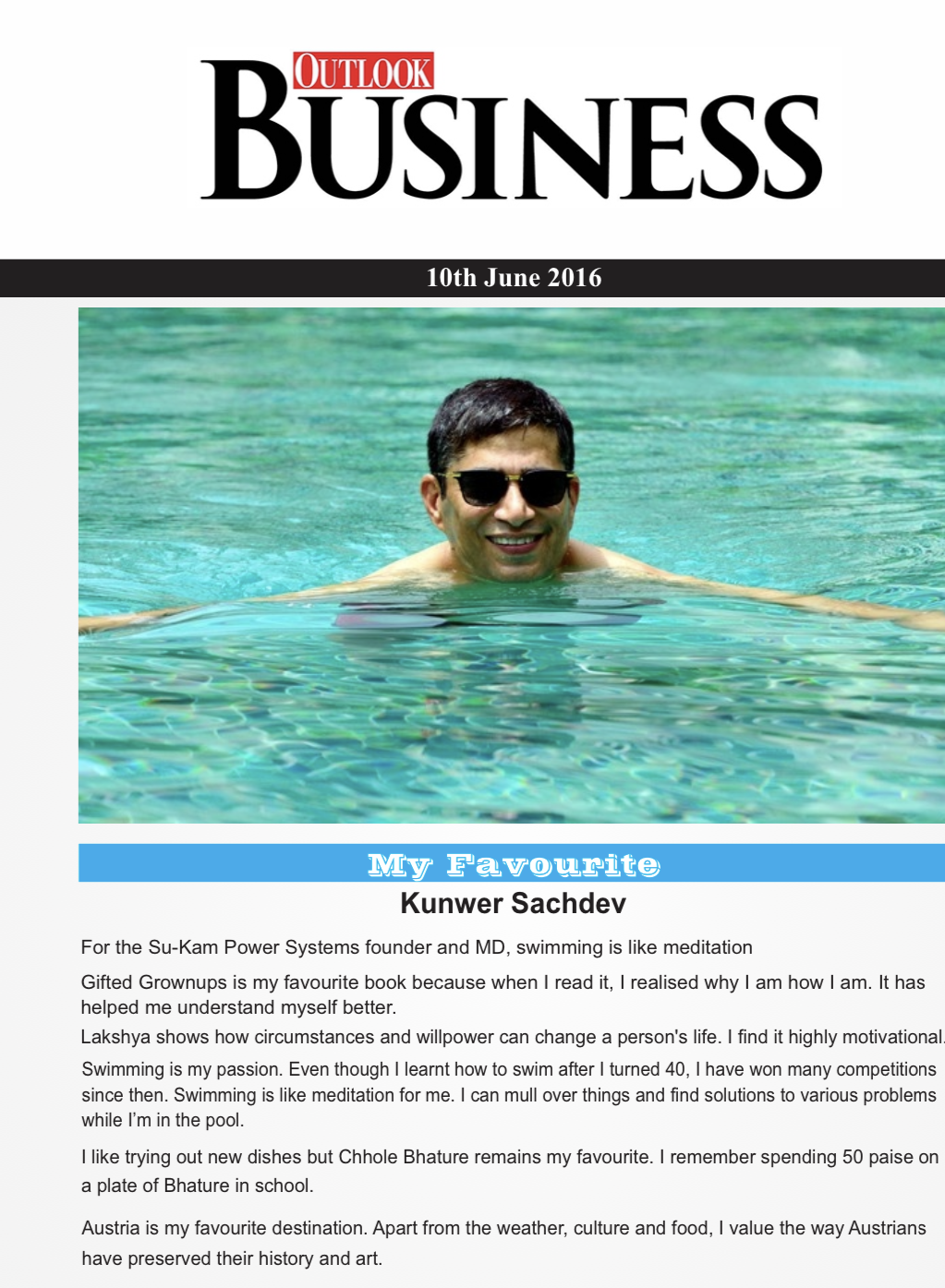
Featured in Money Today and Outlook Business
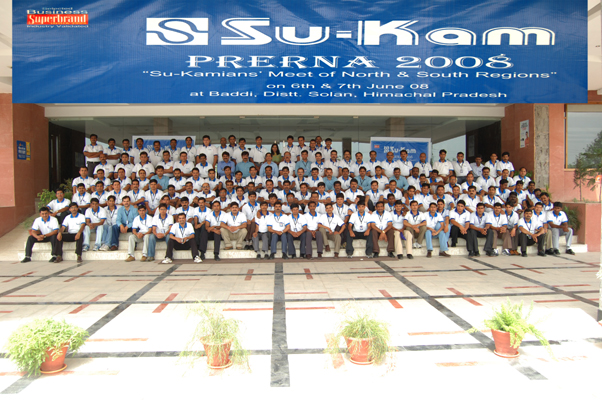

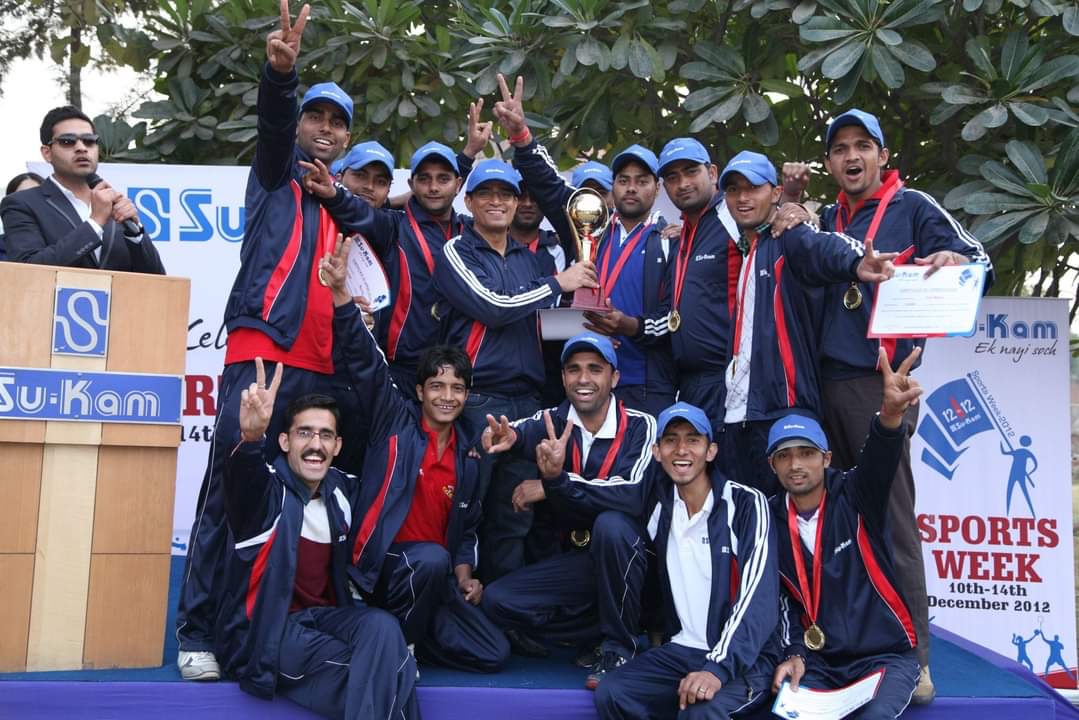
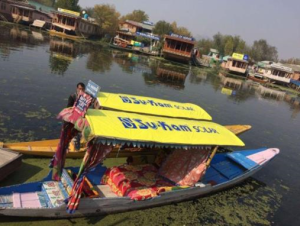
The Su-Kam family — training camps, family days, sports weeks, and a spirit that went beyond business
The Night the Lights Went Out
There came a time when my world didn’t just flicker; it went completely dark. The raids, the courts, the loss of my home, the deepest personal tragedies — it felt like everything I had built was being turned to ash. I remember lying in a hospital bed, my lungs struggling for air, wondering if this was how my story ended.
In those two years of silence, I felt the loneliness of a man who had built empires but forgotten how to be a person. I had spent my life obsessing over “technology,” yet I hadn’t understood the most basic technology of all: my own heart.
I found comfort in books, in silence, and in the love of my family — my wife Khushboo, my children — the anchor that held me when I was drifting.
The New Dawn: Kunwwer.ai
Now, I’m building again, but not from the same place. I look back at the old days, at the complex systems that people were terrified to touch. I realize now that I was trying to force people into systems they didn’t understand, and that was my fault, not theirs.
My new venture, Kunwwer.ai, is my way of making amends.
I don’t want to build systems that scare people anymore. I want to build AI that feels like a helping hand. I want to build a factory where a youngster — fresh out of college, full of nerves and ambition — can walk in and feel like a wizard because the technology is whispering the right answers to them.
I’ve come to believe in a beautiful coexistence: AI has the logic, but the human has the magic. AI can crunch the data, but it cannot dream. It cannot feel the pride of a product being born.
I have a small, vibrant team now, a group of young hearts who see the world differently. We are working together, learning together, and laughing together.
The Light That Stays
I’m no longer chasing the “big brand” or the “industry leader” title. I’m chasing something much quieter and much more beautiful: a way of working that treats every person like a human being, not a cog in a machine.
I spent forty years trying to fix the power supply of India. But in the end, I think I was just looking for the power that keeps us going — the power of people, the beauty of mistakes, and the grace of a second chance.
The lights are back on, and this time, they’re glowing with something much warmer than electricity.
Get in Touch
Whether you run a company and want me to speak to your team, or you’re a founder who wants honest feedback — reach out.
support@kunwersachdev.com